rewrite this title in spanish David Lee Saylor Exposes Antonio Brown’s Secret
rewrite
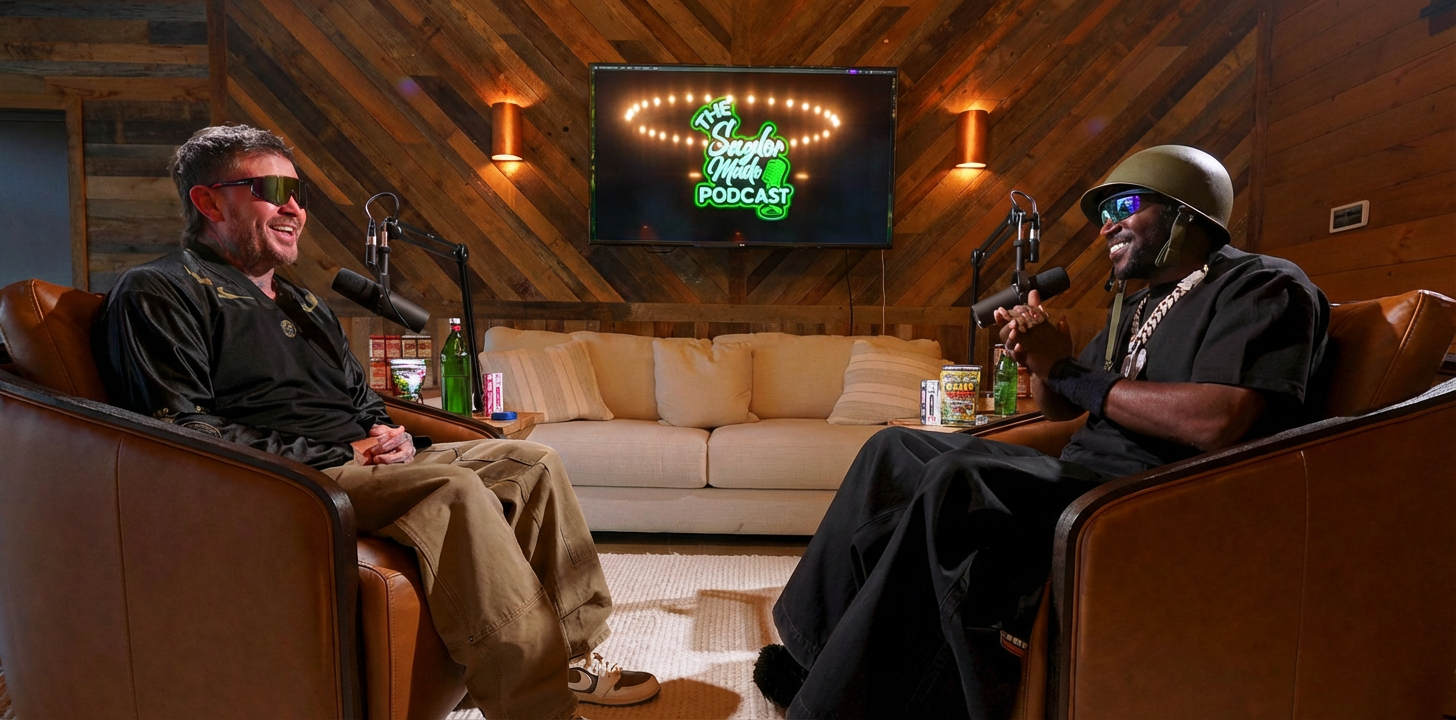
The Moment That Changed Antonio Brown’s Life Forever Most people think Antonio Brown’s story is about touchdowns, rings, highlight reels, or controversies. According to Episode 3 of the Saylor Made Podcast hosted by Tennessee entrepreneur David Lee Saylor, the truth is far more powerful. Brown’s defining moment came at a Liberty City party when he was shot in the ear. Instead of freezing or spiraling, he made a split second decision that ultimately led to more than 100 million dollars in NFL earnings.
In the interview, Brown tells Saylor, “It was just another hour waking up for God too. You cannot be hanging out in the same environment if you want to be successful.” The bullet took 0.3 seconds to travel. Brown needed the same amount of time to decide that his environment would no longer dictate his future. That single decision became the catalyst for his rise from Miami’s toughest neighborhood to worldwide athletic stardom. The Liberty City Formula That Built an Athlete Antonio Brown grew up with five brothers in Liberty City, a place where excuses were a luxury no one could afford. His father, Touchdown Eddie Brown, was an AFL icon who instilled football into his son’s identity from childhood. For Antonio, football was not just a sport. It was a mission, a unifying force, and a path out of danger.
“Football made my family happy,” Brown shares during the conversation. “It brought my family together.” While many young athletes rely on talent alone, Brown understood that talent had to be paired with responsibility. David Lee Saylor, who built CBD Plus USA and ALTRD Nicotine into major national brands, mirrors this mentality in his own entrepreneurial journey.
The Discipline Equation That Separates Winners from Quitters During the interview, Saylor asks Brown about the intense pressure of performing on the NFL stage. Brown responds with a sobering truth: “You better bring your best right now because you not only lose your spot, it’s not competitive. It is a worldwide stage and you are getting criticized like never before.”
Only 1,696 players compete in the NFL each season. Out of a global population of 7.8 billion, that represents just 0.00002 percent. Brown explains that discipline is the variable that determines who survives and who fades away. “Discipline will predetermine success in anything you do. The more you understand that early on, the more success you have.” This concept, which Saylor applies to each of his companies, emerges as a universal success equation: Discipline equals consistency multiplied by time and intensity. The Real Manifestation Strategy Elite Performers Use Brown also breaks down the misunderstood concept of manifestation. For him, manifestation is not fantasy. It is strategy. “Manifestation is about seeing yourself doing something great already. You have to make it part of you. Write it down. See it.”
He explains how visualizing success, writing down goals, embodying the right identity and taking massive action pushed him from prep school to Division 1 football and ultimately to the NFL. Saylor uses the exact formula in his entrepreneurial ventures including ALTRD Nicotine and the Saylor Made Podcast.
Building a Legacy Through Family and Hustle One of the most surprising moments in the episode is Brown revealing that his children constantly call him with business ideas. While many kids spend their time on video games, Brown has created a home environment where entrepreneurship is normal and ambition is expected. Saylor resonates with this approach as his own career centers on building a legacy rather than simply creating businesses.
Why This Episode Matters for Athletes and Entrepreneurs Episode 3 of the Saylor Made Podcast delivers more than entertainment. It provides a practical roadmap for anyone striving to rise above their environment. Whether you are an athlete or a business owner, the lessons are the same. Discipline shapes destiny. Environment dictates opportunity. Manifestation becomes real only when it is paired with action.
To watch the full conversation, visit the Saylor Made Podcast on YouTube and follow David Lee Saylor on Instagram for more insights from top performers rewriting their futures every day.
Post navigation in spanish

Implementando Inteligencia Artificial Agente: Guía Práctica para Empresas
La inteligencia artificial (IA) agente está transformando el panorama empresarial, ofreciendo nuevas oportunidades para automatizar procesos y personalizar la experiencia del cliente. Pero, ¿qué significa realmente IA agente y cómo pueden las empresas implementarla eficazmente? Este artículo proporciona una guía práctica para entender y aplicar la IA agente, desde técnicas básicas de interacción hasta sistemas completamente autónomos. ¿Qué es la Inteligencia Artificial Agente? La IA agente se refiere a sistemas de inteligencia artificial diseñados para actuar con cierto nivel de autonomía, tomando decisiones y realizando acciones sin intervención humana directa. Estos sistemas no solo responden a solicitudes o ejecutan tareas programadas, sino que también tienen la capacidad de iniciar acciones basadas en sus propios análisis y aprendizajes. Este tipo de IA puede variar desde asistentes virtuales mejorados hasta robots completamente autónomos que gestionan complejas cadenas de suministro. Por Qué la IA Agente es Crucial para las Empresas Modernas En un mundo donde la velocidad y la eficiencia son clave, la IA agente ofrece a las empresas una ventaja competitiva significativa. Al automatizar decisiones y tareas, las empresas pueden reducir costos, aumentar la eficiencia, y mejorar la satisfacción del cliente. Además, la IA agente permite un análisis de datos más profundo y en tiempo real, facilitando decisiones empresariales más informadas y proactivas. Mejora de la Eficiencia Operativa
Automatizar procesos rutinarios con IA agente libera a los empleados para que se concentren en tareas más estratégicas y creativas, optimizando así la productividad general. Personalización a Escala
Los sistemas de IA agente pueden analizar grandes volúmenes de datos para ofrecer experiencias altamente personalizadas a los clientes, algo crucial en la era del marketing digital. Implementando IA Agente en Tu Empresa Introducir IA agente en una organización requiere una estrategia clara y consideraciones específicas sobre la integración tecnológica, la cultura empresarial y el impacto en el cliente. 1. Evaluación de Necesidades y Objetivos
Identifica las áreas de tu negocio donde la IA agente podría tener un impacto significativo. Esto puede incluir atención al cliente, gestión de inventarios, o análisis de datos. Define claramente qué problemas quieres que la IA resuelva y establece objetivos medibles. 2. Elección de la Tecnología Adecuada
Investiga y selecciona las herramientas y plataformas de IA que mejor se adapten a tus necesidades específicas. Considera factores como la facilidad de integración, la escalabilidad y el soporte técnico. 3. Capacitación y Desarrollo
Capacita a tu equipo para trabajar con IA agente, desde desarrolladores hasta el personal de atención al cliente. Esto no solo incluye formación técnica, sino también ajustar la cultura empresarial para abrazar la innovación y el cambio. 4. Implementación Gradual y Evaluación Continua
Comienza con proyectos piloto o implementaciones en pequeña escala para evaluar la efectividad de la IA agente. Utiliza los resultados para hacer ajustes y planificar una implementación más amplia. Monitoriza continuamente el rendimiento de la IA y ajusta tus estrategias según sea necesario. Consideraciones Éticas y de Seguridad Implementar IA agente plantea desafíos éticos y de seguridad que las empresas deben abordar. La transparencia en cómo se utilizan los datos de los clientes, la garantía de que las decisiones de la IA son justas y la protección contra vulnerabilidades de seguridad son aspectos cruciales para mantener la confianza del cliente y cumplir con las regulaciones legales. Conclusión La IA agente ofrece un potencial considerable para transformar las operaciones comerciales, mejorar la eficiencia y personalizar la experiencia del cliente. Sin embargo, su implementación exitosa requiere una planificación cuidadosa, una selección de tecnología adecuada, y un enfoque sólido en la capacitación y la adaptación cultural. Con las estrategias y consideraciones adecuadas, las empresas pueden aprovechar al máximo las capacidades de la IA agente para mantenerse competitivas en el mercado dinámico de hoy.
Explorando las Innovaciones de Hootsuite en Octubre de 2025: Herramientas y Funcionalidades Avanzadas
En el dinámico mundo del marketing en redes sociales, mantenerse al día con las últimas herramientas y funcionalidades puede marcar la diferencia en una estrategia efectiva. Este mes, Hootsuite ha lanzado una serie de actualizaciones que prometen optimizar la forma en que las empresas planifican, crean y analizan contenido en plataformas sociales. Desde la integración de herramientas de diseño hasta mejoras en la escucha social, aquí te contamos todo sobre las novedades de Hootsuite para octubre de 2025. Optimización en la Planificación de Contenidos Colaboración mejorada con Whiteboard + OwlyGPT: La herramienta Whiteboard se ha consolidado como el espacio ideal para la planificación inicial de contenidos. Los equipos pueden ahora anotar ideas, esbozar conceptos y construir campañas de forma colaborativa. La integración de OwlyGPT permite generar ideas y temas nuevos, facilitando el proceso desde la ideación hasta la ejecución. Creación de Contenidos Simplificada Integración con Canva y Adobe Express Crear visuales atractivos es más fácil que nunca con las nuevas integraciones de Hootsuite. Los usuarios pueden acceder y editar diseños de Canva y Adobe Express directamente desde la plataforma de Hootsuite, lo que permite una transición sin interrupciones de la creación al publicado de contenido en redes sociales. Mejoras en el Inbox de Hootsuite El Inbox de Hootsuite ahora ofrece un contexto más claro sobre los mensajes entrantes, permitiendo a los equipos responder con mayor confianza y eficiencia. Esta función es crucial para mantener una comunicación fluida y efectiva con la audiencia. Avances en la Escucha Social La función de escucha social de Hootsuite ha sido mejorada con tecnología avanzada que permite una detección más precisa de marcas y figuras públicas. Esto minimiza los falsos positivos y permite a las empresas concentrarse en los datos más relevantes para su estrategia de marketing. Integración de Métricas en Analíticas Las métricas de escucha ahora se pueden ver directamente en los informes personalizados dentro del panel de Analytics de Hootsuite. Esto facilita la comparación y análisis de conversaciones y rendimiento de manera integrada, proporcionando una comprensión más profunda del impacto de las campañas en redes sociales. Funcionalidades Adicionales y Soporte para Grandes Equipos Hootsuite continúa apoyando a equipos grandes con flujos de trabajo complejos, proporcionando un espacio único donde planificar, crear, aprobar y publicar contenido. Esto se complementa con nuevas funciones que permiten personalizar y optimizar las campañas de manera más eficiente. Preguntas Frecuentes Sobre las Nuevas Características ¿Hootsuite se integra con herramientas de diseño como Canva?
Sí, Hootsuite se integra perfectamente con herramientas de diseño populares permitiendo a los equipos usarlas directamente desde la plataforma. ¿Cómo apoya Hootsuite a los equipos grandes con flujos de trabajo complejos?
Hootsuite proporciona un entorno colaborativo con roles, permisos y flujos de trabajo de aprobación personalizados, facilitando la gestión eficiente del contenido. ¿Qué métricas de redes sociales rastrea Hootsuite?
Hootsuite rastrea métricas clave como el engagement, alcance, clics, visualizaciones de videos, crecimiento de seguidores y tráfico, ofreciendo una visión integral del desempeño en redes sociales. Las actualizaciones de Hootsuite en octubre de 2025 están diseñadas para ayudar a los equipos a trabajar de manera más inteligente y eficiente. Con estas nuevas herramientas y funcionalidades, las empresas están mejor equipadas para enfrentar los desafíos del marketing digital y maximizar su impacto en las redes sociales.
Maximiza Tu Crecimiento en TikTok: Estrategias Efectivas para 2025
Si estás buscando formas de mejorar tu presencia en TikTok y atraer una audiencia más amplia, entender y adaptarse al algoritmo de TikTok es clave. En esta era digital, donde el contenido es el rey, saber cómo navegar por las complejidades de las plataformas de redes sociales puede marcar la diferencia en tu estrategia de crecimiento. Este artículo te guiará a través de métodos probados y técnicas avanzadas para potenciar tu perfil en TikTok en 2025. Comprender el Algoritmo de TikTok El primer paso para dominar TikTok es entender cómo funciona su algoritmo. El algoritmo de TikTok prioriza el contenido basado en varios factores que incluyen la interacción del usuario, el tiempo de visualización, la relevancia del contenido y la frescura del mismo. Cada interacción, desde un ‘me gusta’ hasta un comentario o una compartida, es tomada en cuenta para determinar qué contenido se muestra a los usuarios. Por lo tanto, crear contenido que fomente la interacción y mantenga a los espectadores enganchados es fundamental. Crea Contenido Atractivo y Relevante Para captar y mantener la atención de los usuarios en TikTok, tu contenido debe ser no solo entretenido sino también relevante para tus seguidores. Investiga las últimas tendencias en TikTok y adapta estas ideas para que se alineen con tu marca o mensaje personal. Experimenta con diferentes formatos y tipos de contenido, como videos tutoriales, desafíos virales o historias personales, para descubrir qué resuena mejor con tu audiencia. Optimización de Hashtags Los hashtags son una herramienta esencial en TikTok para aumentar el alcance de tus videos. Utiliza hashtags relevantes que no solo describan tu video, sino que también estén alineados con las tendencias actuales. Evita usar hashtags superpoblados donde tu contenido podría perderse. En su lugar, mezcla hashtags populares con otros más específicos o de nicho para maximizar tu visibilidad. Interactúa con tu Comunidad Crear una comunidad en torno a tu marca o perfil personal en TikTok no se trata solo de publicar contenido regularmente, sino también de interactuar con tus seguidores. Responde a los comentarios, participa en tendencias y desafíos, y colabora con otros tiktokers para expandir tu alcance. La interacción genuina fomenta la lealtad de la audiencia y puede aumentar significativamente el engagement de tus videos. Análisis y Ajustes Basados en Métricas Utiliza las herramientas analíticas de TikTok para monitorear el rendimiento de tus publicaciones y entender mejor qué funciona y qué no. Observa las métricas como el tiempo de visualización, la tasa de interacción y el crecimiento de seguidores. Ajusta tu estrategia de contenido basándote en estos datos para mejorar continuamente tu rendimiento en la plataforma. Consistencia y Calidad sobre Cantidad Mientras que la consistencia en la publicación es importante, la calidad del contenido es crucial. No comprometas la calidad por publicar más frecuentemente. Desarrolla un calendario de contenido que te permita mantener una presencia regular sin sacrificar la calidad. Esto ayudará a establecer expectativas con tu audiencia y a construir un seguimiento leal a largo plazo. Conclusión En resumen, el crecimiento en TikTok en 2025 requiere una combinación de comprensión profunda del algoritmo, creación de contenido atractivo y relevante, uso estratégico de hashtags, interacción constante con la audiencia y un enfoque en la calidad. Al implementar estas estrategias, estarás bien posicionado para expandir tu alcance y fortalecer tu presencia en una de las plataformas de redes sociales más dinámicas y de rápido crecimiento del mundo. Adapta estas tácticas a tu estrategia en TikTok y observa cómo tu audiencia crece día a día. ¡El cielo es el límite!
rewrite this title in spanish #744: How to Stop People’s Opinions From Impacting Your Life with Mel Robbins – Amy Porterfield
rewrite Listen on… Using the “Let Them Theory” to reclaim your power and find freedom through letting go.
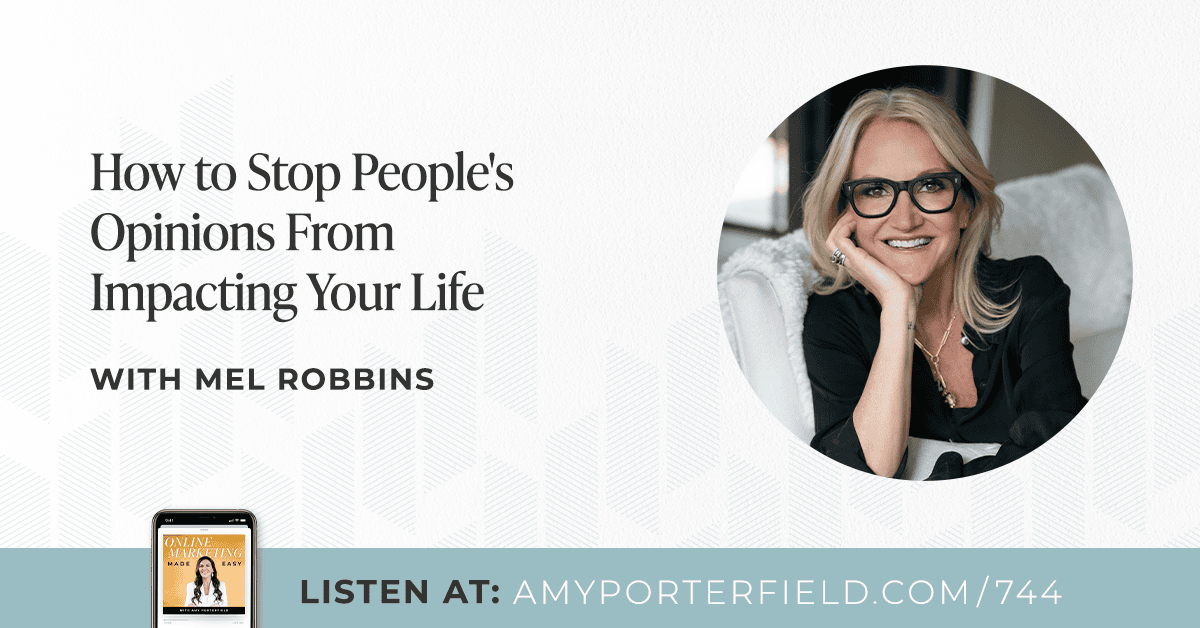
What if I told you the secret to achieving your goals lies in one simple, super impactful mindset shift? My dear friend Mel Robbins joins me to discuss her incredible “Let Them Theory,” which she just released a book about — yep, the same one that Oprah is calling “a book that defines a generation.” Mel reflects on the pinch-me-moment when she was invited to be a guest on Oprah’s new podcast and reveals how this powerful framework will unlock the confidence you need to step into your power. Mel’s story is living proof that timing is everything and there are opportunities for lessons in every setback. Plus, we break down how the “Let Them Theory” helps you maintain healthy boundaries, take full responsibility for your life, and finally set yourself free from what’s holding you back. In this episode, we discuss: (2:54) Mel’s biggest takeaways from her conversation with Oprah (11:37) Examples of the Let Them Theory in action (25:01) How to stop giving your power away to things you can’t control (38:08) Navigating emotional immaturity in business and personal relationships (58:54) Why imposter syndrome is actually a healthy sign of growth (1:09:00) How to transform comparison into your greatest teacher Listen in and start reclaiming your power today! Click here to listen!
Rate, Review, & Follow on Apple Podcasts
“I love Amy and Online Marketing Made Easy.” please consider rating and reviewing my show! This helps me support more people — just like you — move toward the online life and business that they desire. Click here, scroll to the bottom, tap to rate with five stars, and select “Write a Review.” Then be sure to let me know what you loved most about the episode!
Also, if you haven’t done so already, follow the podcast. I’m adding a bunch of bonus episodes to the feed and, if you’re not following, there’s a good chance you’ll miss out. Follow now! !function(f,b,e,v,n,t,s) {if(f.fbq)return;n=f.fbq=function(){n.callMethod? n.callMethod.apply(n,arguments):n.queue.push(arguments)}; if(!f._fbq)f._fbq=n;n.push=n;n.loaded=!0;n.version=’2.0′; n.queue=[];t=b.createElement(e);t.async=!0; t.src=v;s=b.getElementsByTagName(e)[0]; s.parentNode.insertBefore(t,s)}(window, document,’script’, ‘https://connect.facebook.net/en_US/fbevents.js’); fbq(‘init’, ‘397525423930890’); fbq(‘track’, ‘PageView’); !function(f,b,e,v,n,t,s){if(f.fbq)return;n=f.fbq=function(){n.callMethod?
n.callMethod.apply(n,arguments):n.queue.push(arguments)};if(!f._fbq)f._fbq=n;
n.push=n;n.loaded=!0;n.version=’2.0′;n.queue=[];t=b.createElement(e);t.async=!0;
t.src=v;s=b.getElementsByTagName(e)[0];s.parentNode.insertBefore(t,s)}(window,
document,’script’,’https://connect.facebook.net/en_US/fbevents.js?v=next’); !function(f,b,e,v,n,t,s) {if(f.fbq)return;n=f.fbq=function(){n.callMethod? n.callMethod.apply(n,arguments):n.queue.push(arguments)}; if(!f._fbq)f._fbq=n;n.push=n;n.loaded=!0;n.version=’2.0′; n.queue=[];t=b.createElement(e);t.async=!0; t.src=v;s=b.getElementsByTagName(e)[0]; s.parentNode.insertBefore(t,s)}(window, document,’script’, ‘https://connect.facebook.net/en_US/fbevents.js’); fbq(‘init’, ‘397525423930890’); fbq(‘track’, ‘PageView’); !function(f,b,e,v,n,t,s) {if(f.fbq)return;n=f.fbq=function(){n.callMethod? n.callMethod.apply(n,arguments):n.queue.push(arguments)}; if(!f._fbq)f._fbq=n;n.push=n;n.loaded=!0;n.version=’2.0′; n.queue=[];t=b.createElement(e);t.async=!0; t.src=v;s=b.getElementsByTagName(e)[0]; s.parentNode.insertBefore(t,s)}(window, document,’script’, ‘https://connect.facebook.net/en_US/fbevents.js’); fbq(‘init’, ‘397525423930890’); fbq(‘track’, ‘PageView’); in spanish
Optimizing Your TikTok Strategy: Prime Times for Maximum Engagement in 2025
In the ever-evolving landscape of social media, TikTok continues to stand out as a powerhouse for creators and brands alike. Understanding the dynamics of when to post on TikTok can significantly enhance your content’s visibility and engagement. This guide dives into the best times to post on TikTok in 2025, helping you tailor your posting schedule to meet peak user activity and engagement levels. Why Timing Matters on TikTok Although the TikTok algorithm is designed to personalize user experiences, posting at times when your audience is most active can still give your content a competitive edge. This approach not only increases the likelihood of higher engagement rates but also maximizes your content’s potential reach. Here’s a breakdown of the optimal times to post on TikTok throughout the week by industry. General Best Times Across All Industries Mondays: 5 PM – Capture the post-work crowd looking to unwind.
Tuesdays: 10 AM to 1 PM – Tap into the mid-morning and lunch break audience.
Wednesdays: 4 PM to 6 PM – Target the pre-dinner scroll time.
Thursdays: 7 AM to 9 AM – Engage early birds starting their day.
Fridays: 4 PM to 6 PM – Leverage the relaxed mood as people enter the weekend.
Saturdays: 10 AM to 7 PM – Take advantage of the all-day scrolling habit.
Sundays: 8 AM to 12 PM – Reach out to the lazy morning scrollers. Industry-Specific Insights Different industries experience varying levels of engagement based on their audience’s unique behavior patterns: Hospitality, Dining, and Tourism: Mornings are golden, especially around 8 AM to 11 AM on weekdays, ideal for catching users looking for travel inspiration or deciding on their lunch plans.
Marketing and Digital Agencies: Mid-mornings, particularly around 10 AM to 12 PM midweek, are effective for reaching other industry professionals and decision-makers.
Media and Entertainment: Weekend afternoons, especially from 2 PM to 6 PM, see higher engagement, coinciding with leisure time when users are more likely to consume entertainment. Personalizing Your Posting Schedule To refine your TikTok strategy, it’s crucial to analyze your specific audience data. Here’s how you can personalize your posting times: Analyze Your Audience’s Active Hours Use TikTok’s built-in analytics tools to understand when your followers are most active. Adjust your posting schedule to these times to maximize engagement. Consistency is Key Maintaining a regular posting schedule helps keep your content in front of eyes. Strive for 1-4 posts per day as recommended by TikTok to stay relevant on users’ feeds. Monitor and Adapt Social media trends and algorithms evolve. Regularly review your engagement rates and adapt your strategy to align with any new patterns or changes in platform algorithms. Conclusion While there’s no one-size-fits-all answer to the best time to post on TikTok, understanding general trends and combining them with personalized audience insights can significantly improve your content’s performance. Start with these guidelines, adjust based on your analytics, and watch your TikTok presence grow! Remember, the ultimate goal is to create compelling content that resonates with your audience while optimizing posting times to catch them when they’re most likely to engage. With strategic timing and quality content, you’re well on your way to TikTok success in 2025.
Optimizing Your Facebook Posting Schedule: Insights for 2025
With the ever-evolving landscape of social media, staying ahead in the digital game means continuously adapting your strategies to fit current trends. In 2025, the dynamics of Facebook engagement have shifted, prompting a need to revisit the best times to post to maximize visibility and interaction. This article delves into the latest data on optimal posting times on Facebook, offering tailored advice for various industries and time zones. Unveiling the Prime Time for Facebook Posts in 2025 Recent studies suggest that the overall best time to post on Facebook in 2025 is at 5 AM on Tuesdays. This early morning slot captures users as they start their day, checking updates and interacting with content. Throughout the week, activity on Facebook peaks between 5 and 8 AM, making mornings generally the most effective time for posting across multiple sectors. Industry-Specific Insights Technology, Healthcare, and Media: Morning posts are particularly beneficial for these industries, tapping into the early risers who are looking for updates at the start of their day. Finance, Marketing, and Retail: For these sectors, midday to afternoon posts yield better results, aligning with users checking their feeds during lunch breaks or winding down in the afternoon. Understanding these nuances can help you tailor your Facebook strategy to meet your audience when they are most active and engaged. Day-by-Day Breakdown: When to Post on Facebook Adjusting your posting schedule based on the day of the week can significantly enhance your engagement rates. Here’s a quick guide: Mondays: Kickstart the week with a strategic post at 5 PM, when users are likely wrapping up their day and browsing social media. Tuesdays: The golden hour remains at 5 AM, capturing that early morning traffic. Wednesdays and Thursdays: Posts at 6 AM continue to perform well as mid-week content consumption peaks in the early hours. Fridays: Maintain the momentum with a 6 AM post, setting the tone for the weekend. Saturdays and Sundays: Adjust to an 8 AM post, especially on Sundays, to match the relaxed weekend browsing habits. Understanding Your Audience’s Behavior While generalized data provides a good starting point, your optimal posting times may vary based on specific audience behaviors and demographics. Factors such as the typical workday schedule of your audience, their timezone, and even their lifestyle (e.g., parents vs. students) can influence when they are most likely to be online and engaged. Customizing Your Strategy Utilize tools like Hootsuite’s Best Time to Post feature, which offers a customized heatmap based on your past post performances and audience engagement patterns. This tool can help refine your posting schedule to better align with when your specific audience is active, thereby maximizing your content’s reach and impact. Adapting to Facebook’s Algorithm Changes Facebook’s algorithm is constantly evolving, prioritizing content that is likely to engage users deeply. Posts that are expected to foster meaningful interactions are ranked higher, making timing just one piece of the puzzle. To stay ahead, keep abreast of updates to the algorithm and adjust your content strategy accordingly. Final Thoughts As we look towards 2025, understanding and adapting to the optimal times to post on Facebook can give your content a significant advantage. By aligning your posting schedule with industry insights, audience behavior, and algorithmic trends, you can ensure that your Facebook strategy delivers maximum engagement and continues to thrive in a competitive digital landscape. Remember, continual testing and adaptation are key. Monitor your post performances closely and be ready to tweak your strategy to stay aligned with the latest trends and user behaviors. With a proactive approach, your Facebook presence in 2025 will not only grow but also resonate more deeply with your audience.
Maximizing LinkedIn Engagement: Optimal Posting Times for 2025
In the fast-paced world of professional networking, understanding when to share content on LinkedIn can significantly enhance your visibility and engagement. As we head into 2025, the landscape of digital interaction continues to evolve, making it crucial to pinpoint the most effective times to connect with your audience. This guide delves into the latest insights and strategies for optimizing your LinkedIn posts to achieve maximum impact. Understanding the Importance of Timing on LinkedIn Why does timing play such a pivotal role on LinkedIn? The platform’s algorithm favors content that quickly garners engagement, boosting its visibility. Posting when your target audience is most active not only increases the likelihood of views but also enhances interaction through likes, comments, and shares. Let’s explore how you can leverage these dynamics to your advantage. Key Factors Influencing LinkedIn Engagement Industry Variations: Different sectors have unique peak times. For instance, tech professionals might be more active in the early mornings, whereas creatives might check their feeds later in the day. Audience Behavior: The habits of your specific audience, including their job roles and time zones, significantly affect engagement. Content Relevance: Timely, relevant posts aligned with current trends or discussions are more likely to resonate with your audience. Optimal Times to Post on LinkedIn in 2025 Our analysis, based on extensive data reviews and user interactions, reveals nuanced patterns that could help tailor your LinkedIn strategy. Here’s a breakdown of the best times to post, segmented by day and industry-specific trends. General Best Times by Day Mondays: Kickstart the week with a strong post at 11 AM when professionals are gearing up for the week ahead. Tuesdays and Wednesdays: Early mornings (between 6-8 AM) are golden as these days witness peak professional engagement. Thursdays: Shift your focus to early afternoons around 2 PM when the mid-week slump might have users looking for insightful content. Fridays: Capture late-night browsers at 8 PM as people wind down for the weekend but may still be checking updates. Weekends: Early mornings, around 4-5 AM on Saturdays and 6 AM on Sundays, can catch the early risers or international audiences in different time zones. Industry-Specific Insights Different industries have unique engagement patterns. Here’s when various sectors should consider posting: Healthcare and Education: Mid-mornings, particularly around 9 AM on weekdays, are effective as professionals check updates before or between commitments. Finance and Legal: Late afternoons or early evenings, from 4 PM to 7 PM on weekdays, align with the closing of business hours, making it a prime time for engagement. Technology: Align your posts with tech professionals’ schedules by targeting mid-morning, around 11 AM, particularly at the start of the week. Adapting to Global Audiences If your network spans multiple time zones, consider a more flexible posting schedule. Early mornings in one time zone can translate to peak hours in another, potentially doubling your visibility. Tools like Hootsuite or LinkedIn’s scheduling function can help manage this complexity by allowing you to plan posts according to various time zones. Continuous Testing and Adjustment The digital landscape is ever-evolving, and so should your LinkedIn strategy. Regularly analyze your post performance through LinkedIn Analytics to understand better what works for your specific audience. Experiment with different times and track engagement patterns to refine your approach continually. Conclusion While universal guidelines can provide a starting point, the optimal time to post on LinkedIn in 2025 ultimately depends on your unique audience and industry dynamics. By staying attuned to these factors and being willing to adjust your strategy based on performance data, you can significantly enhance your engagement and presence on one of the world’s leading professional networking platforms. Remember, the key to success on LinkedIn lies not just in what you post, but when you post it. Start optimizing your LinkedIn strategy today to harness the full potential of this powerful professional tool.
Maximizing Visibility: Strategic Timing for Instagram Posts in 2025
As the digital landscape continues to evolve, understanding the optimal time to post on Instagram can dramatically enhance your visibility and engagement. In 2025, the dynamics of user interaction on this platform have become more nuanced, influenced by factors such as global time zones, industry-specific peaks, and audience behavior. This guide delves into strategic posting times tailored to maximize your Instagram engagement in 2025, ensuring your content not only reaches but resonates with your target audience. Why Timing Matters in Instagram Engagement Timing is a critical element in social media strategy. It’s not just about what you post, but when you post it. The right timing can mean the difference between your content being seen by a vast audience or getting lost in the plethora of posts. Instagram’s algorithm favors posts that receive quick engagement, making it essential to hit that sweet spot when most of your audience is online and ready to interact. Understanding Peak Engagement Times by Day Our analysis indicates specific times during the week when users are most active on Instagram, making these prime times for posting: Mondays: Capture attention post-weekend from 3 PM to 9 PM. Tuesdays: Early risers and post-work scrollers are active between 5 AM to 8 AM and 3 PM to 7 PM. Wednesdays: Midweek motivation peaks at 5 PM. Thursdays: Engagement climbs from 4 PM to 5 PM as weekend anticipation grows. Fridays: Capitalize on pre-weekend excitement around 4 PM. Saturdays: Optimal times are at 11 AM and 5 PM, aligning with leisure activities. Sundays: Midday posts from 12 PM to 3 PM perform well as users wind down their weekends. Avoid posting during the very early hours or late at night when engagement typically wanes. Industry-Specific Insights for Posting Different industries experience varying patterns of follower activity. Tailoring your post timing to your specific industry can enhance engagement: Retail and Consumer Goods: Mornings are golden, especially around 7 AM to 11 AM on weekdays, with a second peak from 5 PM to 9 PM. Healthcare and Pharmaceuticals: Midday slots around 1 PM to 3 PM on weekdays and late mornings on weekends are optimal. Finance and Banking: Midday posts from 11 AM to 2 PM midweek capture attention effectively. Travel and Hospitality: Wednesdays from 11 AM to 3 PM see high engagement, possibly from users planning weekend getaways. Entertainment and Media: Late afternoons and early evenings are prime times, particularly on weekends. Best Practices for Different Time Zones If your audience is global, consider the prime posting times across different time zones. For instance, posting early in the morning PST can catch both the West Coast waking up and the East Coast in mid-morning activities. Similarly, late night posts in IST can coincide with active hours in other parts of the world. Leveraging Data to Fine-Tune Your Strategy Personalized data is invaluable in refining your posting schedule. Tools like Instagram Insights and third-party platforms like Hootsuite offer analytics that can reveal when your specific audience is most active. This data allows you to tailor your posting times for maximum engagement based on actual user interaction patterns. Conclusion Finding the best time to post on Instagram in 2025 involves understanding both universal engagement trends and specific insights relevant to your audience and industry. By strategically scheduling your posts to coincide with peak active times, you can significantly increase your visibility and engagement on this ever-evolving platform. Always stay adaptable and ready to tweak your strategy based on ongoing analytics and changing user behaviors. Remember, in the fast-paced world of social media, timing isn’t just a small detail—it’s a central strategy for success.
Optimizing Social Media: Strategic Posting Times for 2025
In the dynamic landscape of social media, understanding the optimal times to post content can significantly enhance audience engagement. As we approach 2025, it becomes increasingly important for marketers and content creators to tailor their strategies to the evolving habits of social media users. This article explores the best times to post on various platforms in 2025, providing insights into how these can vary by platform and audience behavior. Understanding Peak Engagement Windows Engagement on social media is influenced by numerous factors, including the specific habits and routines of users on different platforms. Here’s a breakdown of the best times to post on some of the major social media platforms to maximize visibility and engagement: Facebook: Capitalizing on Morning Routines
For Facebook, the prime time is early in the morning. Posting at 9 AM on Tuesdays can catch users as they scroll through their feeds during their morning routines. This time slot takes advantage of the high activity period when users are starting their day and are more likely to engage with fresh content. Instagram: Afternoon to Evening Engagement
Instagram users tend to be more active later in the day. From 3 PM to 9 PM on Mondays, the platform sees a spike in user interaction as people wind down from work and browse through their feeds. This window is particularly crucial for content aimed at lifestyle and leisure activities. X (formerly Twitter): Mid-Morning News Updates
On X, the best times are between 9 AM and 11 AM from Wednesday to Friday. This period aligns with when users are most likely to engage with news and current events, making it ideal for posts intended to spark discussion or share timely updates. LinkedIn: Early Birds Get the Worm
LinkedIn’s audience consists primarily of professionals who are active early in their workday. Posting between 4 AM and 6 AM on Tuesdays and Wednesdays can help your content reach users before their busy schedules begin, thus increasing the likelihood of engagement from this career-focused crowd. TikTok: Morning Activity Surges
The best time to post on TikTok is between 7 AM and 11 AM on Thursdays. This time slot captures users who are looking for entertainment and engagement during morning breaks or just before starting their workday. Threads and Pinterest: Special Considerations
Threads users are most responsive in the early morning, particularly around 8 AM on Tuesdays, while Pinterest users are most engaged at noon on Fridays, aligning with weekend planning activities. Personalization: Key to Social Media Success While these guidelines provide a general framework, the effectiveness of your social media strategy may vary based on specific audience demographics and industry nuances. Tools like Hootsuite’s Best Time to Publish and Recommended Times in Composer can offer personalized insights, helping you refine your posting schedule based on real-time engagement data. Pro Tips for Each Platform Each social media platform has unique characteristics that can influence the best timing for posts: Facebook: Align your posts with your audience’s time zone to increase reach and engagement. Instagram: Consider the type of account you manage; brand accounts do well with morning posts, while personal accounts may benefit from evening times. LinkedIn: Tailor your content type to the time of day; post written content in the morning and videos in the afternoon to catch users at optimal times. X (Twitter): Stay abreast of real-time events to maximize engagement; timely content is crucial on this platform. TikTok: Patience is key; posts may take time to reach their full engagement potential. Pinterest: Focus on SEO strategies over specific posting times to ensure your content remains discoverable. Conclusion As we look toward 2025, the landscape of social media continues to evolve, and so should our strategies for engagement. By understanding the best times to post on various platforms and adapting to the unique preferences of each, brands and creators can significantly enhance their interaction with audiences. Remember, the key to success is not just timing but also the relevance and quality of the content shared.