Desatando la Creatividad en el Marketing de Contenidos: Estrategias y Fases Clave
En el competitivo mundo del marketing, la creatividad es el motor que puede diferenciar una campaña exitosa de una mediocre. Sin embargo, muchos equipos de marketing se encuentran estancados en rutinas repetitivas y a veces temen proponer ideas innovadoras por miedo al rechazo. Este artículo explora un enfoque estructurado para revitalizar la creatividad en el desarrollo de contenido, dividiendo el proceso de ideación en dos fases críticas: el pensamiento divergente y el convergente. Entendiendo la Importancia de la Creatividad en el Marketing En primer lugar, es crucial entender por qué la creatividad se ha convertido en una moneda tan valiosa en el mundo del marketing. En un paisaje donde los consumidores son bombardeados con mensajes publicitarios, un contenido creativo y relevante no solo capta la atención, sino que también fomenta la conexión emocional y la lealtad a la marca. Sin embargo, generar este tipo de contenido consistentemente presenta desafíos significativos. Uno de los principales obstáculos es el miedo al fracaso o al rechazo de ideas nuevas y sin probar. Este temor puede paralizar a los equipos creativos y limitar su capacidad de explorar soluciones fuera de lo convencional. Además, la presión por producir resultados a corto plazo a menudo lleva a una repetición de fórmulas probadas en lugar de incentivar la experimentación y la innovación. Fase 1: Pensamiento Divergente para Generar Ideas El pensamiento divergente es la primera fase del proceso creativo y se centra en generar tantas ideas como sea posible. Esta etapa es crucial para explorar todas las posibilidades sin limitaciones ni juicios. Para facilitar el pensamiento divergente, los equipos pueden emplear varias técnicas: Lluvia de ideas: Esta técnica clásica invita a todos los miembros del equipo a aportar ideas, sin importar cuán fuera de lo común sean, creando un ambiente donde la creatividad no tiene restricciones. El método SCAMPER: Este acrónimo representa Sustituir, Combinar, Adaptar, Modificar, Poner en otros usos, Eliminar y Reorganizar. Es una forma sistemática de revisar un producto o servicio existente y ver cómo podría mejorarse o alterarse. Mapas mentales: Los mapas mentales ayudan a visualizar relaciones entre varias ideas, facilitando un pensamiento más libre y expansivo. Estas herramientas no solo aumentan el volumen de ideas generadas sino que también aseguran que sean variadas y originales. Fase 2: Pensamiento Convergente para Refinar Ideas Después de una sesión exitosa de pensamiento divergente, el siguiente paso es el pensamiento convergente. Esta fase del proceso creativo implica evaluar, seleccionar y refinar las ideas. Aquí es donde el equipo debe ser crítico y objetivo, eligiendo las ideas que no solo son creativas, sino también viables y efectivas. Algunas estrategias para el pensamiento convergente incluyen: Análisis SWOT: Evaluación de las fortalezas, debilidades, oportunidades y amenazas de cada idea para asegurar su viabilidad. Prototipos: Crear versiones iniciales del contenido o producto para testear y mejorar. Feedback: Obtener retroalimentación interna y externa puede proporcionar nuevas perspectivas y ayudar a refinar aún más las ideas. Esta fase no solo ayuda a mejorar la calidad de las ideas, sino que también prepara el terreno para su implementación efectiva. Conclusión: Cultivando un Entorno Creativo Sostenible Implementar un marco que separe claramente el pensamiento divergente del convergente puede transformar radicalmente la producción de contenido de un equipo de marketing. Alentando un ambiente donde la generación de ideas sea libre y la evaluación sea crítica, los equipos pueden superar el miedo al rechazo y la repetitividad. Además, este enfoque fomenta una cultura de innovación continua que puede adaptarse y prosperar en el cambiante paisaje del marketing digital. En última instancia, la clave para el éxito en marketing de contenidos no reside solo en ser creativos, sino en ser estratégicamente creativos, equilibrando la innovación con la viabilidad para capturar y mantener la atención de la audiencia en un mundo saturado de información.


rewrite this title in spanish #742: AI Strategies for Entrepreneurs – Amy Porterfield
rewrite Listen on… Clear, actionable strategies for implementing AI tools that align perfectly with your goals and vision for your business.
Whether you fully embrace it or try to avoid it, AI is here to stay! In this episode, I break down how to use AI as your strategic assistant to enhance (not replace) your unique expertise and voice. From content creation to business operations, you’ll learn practical ways to leverage and customize tools like ChatGPT to amplify your impact. As someone who’s made it my mission to become proficient in AI, I share my personal experiences and philosophy on using AI effectively without compromising on quality or authenticity. Plus, you’ll hear real examples from my star students who are using custom GPTs to serve their audiences better and drive real results in their businesses. In this episode, we discuss: (2:54) How working with AI experts helped shape my approach to using these tools (7:02) Ways to use AI as a brainstorming partner and supercharged assistant (12:04) Breaking down the best content creation tools like napkin.ai and lately.ai (19:37) Two of my favorite ChatGPT prompts to optimize your schedule (and have a good laugh!) (26:56) Real examples from my students on how custom GPTs are upleveling their businesses
(36:53) How to identify opportunities for integrating AI into your business My challenge for you, friend, is to find at least one way you can use custom GPTs in your business ー and don’t forget to ask ChatGPT to create an image of what it thinks your life looks like ー I can’t wait to see that message in my DMs! Click here to listen!
Rate, Review, & Follow on Apple Podcasts
“I love Amy and Online Marketing Made Easy.” <– If that sounds like you, please consider rating and reviewing my show! This helps me support more people — just like you — move toward the online life and business that they desire. Click here, scroll to the bottom, tap to rate with five stars, and select “Write a Review.” Then be sure to let me know what you loved most about the episode!
Also, if you haven’t done so already, follow the podcast. I’m adding a bunch of bonus episodes to the feed and, if you’re not following, there’s a good chance you’ll miss out. Follow now! !function(f,b,e,v,n,t,s) {if(f.fbq)return;n=f.fbq=function(){n.callMethod? n.callMethod.apply(n,arguments):n.queue.push(arguments)}; if(!f._fbq)f._fbq=n;n.push=n;n.loaded=!0;n.version=’2.0′; n.queue=[];t=b.createElement(e);t.async=!0; t.src=v;s=b.getElementsByTagName(e)[0]; s.parentNode.insertBefore(t,s)}(window, document,’script’, ‘https://connect.facebook.net/en_US/fbevents.js’); fbq(‘init’, ‘397525423930890’); fbq(‘track’, ‘PageView’); !function(f,b,e,v,n,t,s){if(f.fbq)return;n=f.fbq=function(){n.callMethod?
n.callMethod.apply(n,arguments):n.queue.push(arguments)};if(!f._fbq)f._fbq=n;
n.push=n;n.loaded=!0;n.version=’2.0′;n.queue=[];t=b.createElement(e);t.async=!0;
t.src=v;s=b.getElementsByTagName(e)[0];s.parentNode.insertBefore(t,s)}(window,
document,’script’,’https://connect.facebook.net/en_US/fbevents.js?v=next’); !function(f,b,e,v,n,t,s) {if(f.fbq)return;n=f.fbq=function(){n.callMethod? n.callMethod.apply(n,arguments):n.queue.push(arguments)}; if(!f._fbq)f._fbq=n;n.push=n;n.loaded=!0;n.version=’2.0′; n.queue=[];t=b.createElement(e);t.async=!0; t.src=v;s=b.getElementsByTagName(e)[0]; s.parentNode.insertBefore(t,s)}(window, document,’script’, ‘https://connect.facebook.net/en_US/fbevents.js’); fbq(‘init’, ‘397525423930890’); fbq(‘track’, ‘PageView’); !function(f,b,e,v,n,t,s) {if(f.fbq)return;n=f.fbq=function(){n.callMethod? n.callMethod.apply(n,arguments):n.queue.push(arguments)}; if(!f._fbq)f._fbq=n;n.push=n;n.loaded=!0;n.version=’2.0′; n.queue=[];t=b.createElement(e);t.async=!0; t.src=v;s=b.getElementsByTagName(e)[0]; s.parentNode.insertBefore(t,s)}(window, document,’script’, ‘https://connect.facebook.net/en_US/fbevents.js’); fbq(‘init’, ‘397525423930890’); fbq(‘track’, ‘PageView’); in spanish
Maximizing Your Brand’s Visibility: The Top Employee Advocacy Platforms for 2023
In today’s digital age, fostering a strong brand presence on social media is crucial for businesses looking to expand their reach and influence. One effective strategy to amplify this presence is through employee advocacy programs. These programs empower employees to share brand-approved content on their personal social media accounts, effectively turning them into brand ambassadors. In this article, we’ll explore some of the leading employee advocacy tools that can help you leverage your team’s social networks to boost your brand’s visibility and engagement. Understanding Employee Advocacy Platforms Employee advocacy platforms are tools designed to facilitate the sharing of company-approved content by employees on their personal social media channels. These platforms make it easy for your staff to access pre-approved content and share it with their followers, expanding your brand’s reach organically. They come with features like content management, scheduling, and analytics to track the performance of shared content. Top Picks for Large Teams Hootsuite Amplify Overview: Perfect for large businesses, Hootsuite Amplify stands out with its comprehensive features that integrate seamlessly with Hootsuite’s wider social media management functionalities. This platform is ideal for teams aiming for high-level collaboration and effective social media strategy integration. Key Features: Includes Slack and Microsoft Teams integrations, a leaderboard to gamify the sharing process, and AI-generated content suggestions. Its integration with the broader Hootsuite platform allows for streamlined management of social media activities and analytics. Pros: Enhances team collaboration and provides extensive controls and approval processes. The mobile app facilitates on-the-go sharing. Cons: Custom pricing may be a barrier for smaller organizations without a dedicated budget for social media tools. DSMN8 Overview: DSMN8 is a robust standalone platform designed to cater to the complex needs of large teams spread across different geographical locations. Key Features: Features include user segmentation by geography and job role, a variety of customizable content options, and detailed ROI tracking tools. Pros: Offers comprehensive tools tailored for diverse and widespread teams, ensuring relevant and effective content sharing. Cons: The higher price point may not be suitable for smaller companies or those just starting with employee advocacy. Best Choices for Small to Medium-Sized Enterprises Clearview Social Overview: Clearview Social is an affordable and user-friendly option that scales with your business, making it ideal for SMEs. Key Features: Provides a Chrome extension for easy content curation, integrated Google Alerts, and a unique Earned Media Value metric to quantify the impact of shared content. Pros: Accessible price point and features that are easy to use for teams without dedicated social media managers. Cons: Lacks some advanced features found in more specialized tools. SocialToaster Overview: SocialToaster offers a unique approach to employee advocacy by emphasizing gamification and rewards, making it attractive for businesses looking to quickly enhance employee engagement. Key Features: Includes AI-driven content curation and a comprehensive reward system to encourage participation. Pros: Effective in driving quick adoption and engagement through its focus on incentives. Cons: May require more management to maintain engagement compared to more automated systems. Integrating Advocacy Tools into Your Social Strategy Choosing the right employee advocacy tool depends on your company size, goals, and the specific features you need. It’s essential to consider how these tools can integrate into your existing social media strategies and how they can enhance your team’s ability to share content effectively and securely. Additionally, the success of an employee advocacy program relies heavily on clear communication and engagement strategies. Training your team on the importance of personal brand-building and providing incentives for active participation can significantly enhance the effectiveness of your advocacy efforts. Conclusion Employee advocacy is a powerful strategy for expanding your brand’s reach and authenticity. By leveraging the right tools, you can empower your employees to become trusted brand ambassadors on social media. Whether you manage a small business or a large corporation, there is an employee advocacy tool that can meet your needs and help you harness the power of your team’s social networks for brand growth. Before implementing a tool, consider your specific requirements, budget, and the digital savviness of your team to choose a platform that not only meets your current needs but also scales with your business growth.
Maximizing Safety on Social Media: A Comprehensive Guide to Risk Management
Social media platforms have become pivotal in fostering connections and enhancing brand visibility. However, these platforms also present various risks ranging from security breaches to reputational damage. Understanding and managing these risks is crucial for maintaining the integrity and trustworthiness of your brand. In this article, we explore essential strategies to effectively manage social media risks, ensuring your brand thrives in a safe online environment. Understanding Social Media Risks Before diving into risk management strategies, it’s critical to identify the common risks associated with social media. These include: Reputational Damage: Negative feedback or inappropriate posts can quickly spiral into a PR crisis. Security Breaches: Compromised account security can lead to data leaks and loss of customer trust. Compliance Violations: Non-adherence to industry regulations can result in hefty fines and legal issues. Legal Challenges: Infringements on copyright laws or failure to follow advertising guidelines can lead to legal repercussions. Financial Risks: Any of the above risks can ultimately affect your bottom line, as seen in cases like unexpected stock price drops due to social media mishaps. With these risks in mind, let’s explore how to manage them effectively. Strategic Development of Social Media Policies A well-defined social media policy is your first line of defense against potential risks. This policy should: Clarify the roles and responsibilities of team members during a crisis. Outline procedures for secure account management, especially during transitions in team roles. Establish clear guidelines on what employees can share, emphasizing confidentiality and regulatory compliance. Regular updates to this policy are necessary to adapt to new social media trends and regulatory changes. Empowering Employees through Training Employees can be your strongest brand advocates on social media, but they can also pose risks if not properly guided. Regular training sessions should be conducted to educate employees on: The dos and don’ts of posting on both personal and corporate accounts. The importance of maintaining a professional online presence that aligns with your brand’s values. Recognizing and avoiding actions that could lead to compliance breaches or security issues. Consider using tools like Hootsuite Amplify for distributing pre-approved content that employees can share safely on their networks. Proactive Monitoring and Quick Response Actively monitoring social media helps in early detection of potential issues before they escalate. Use tools that integrate well with your existing systems to: Track mentions of your brand across various channels. Analyze the sentiment around your brand in real time. Quickly route messages to the appropriate teams for prompt action. When negative feedback occurs, address it swiftly by first acknowledging the issue publicly, then moving the conversation to a private channel to resolve the matter discreetly and effectively. Leveraging Technology for Enhanced Security Modern social media management tools play a crucial role in risk management. Platforms like Hootsuite and Meltwater offer features that help you: Monitor real-time conversations and sentiment analysis. Manage all messages and comments in one place, ensuring no query goes unanswered. Safeguard your social media accounts by setting up advanced security measures and alerts for unusual activities. These tools not only simplify the process of social media management but also provide a layer of security that is vital in today’s digital age. Conclusion Effective social media risk management is not just about mitigating risks, but also about enhancing your brand’s reputation and trustworthiness. By developing a comprehensive policy, training employees, monitoring activities, and utilizing the right tools, you can protect your brand and foster a positive online community. Remember, the goal is to turn potential challenges into opportunities for growth and engagement. Stay proactive and vigilant, and your brand will not only survive but thrive in the dynamic world of social media.
Maximizando el Impacto de las Redes Sociales en la Educación Superior
Las redes sociales han transformado radicalmente la forma en que las instituciones de educación superior se conectan con estudiantes, exalumnos y la comunidad en general. Desde la captación de nuevos estudiantes hasta el fortalecimiento de las redes de exalumnos, estas plataformas digitales ofrecen una serie de oportunidades estratégicas para las universidades y colegios. Este artículo explora cómo optimizar el uso de las redes sociales en el ámbito educativo, proporcionando consejos prácticos y estrategias efectivas para su implementación. La Importancia de las Redes Sociales en la Educación Superior En la era digital actual, las redes sociales son mucho más que simples plataformas para socializar. En el contexto de la educación superior, se han convertido en herramientas esenciales para la comunicación, el marketing y la creación de comunidad. Estas plataformas permiten a las instituciones educativas alcanzar a los estudiantes potenciales en un espacio donde ya están activos, además de mantener un canal de comunicación directo y abierto con estudiantes actuales y exalumnos. Atracción y Reclutamiento de Estudiantes Las estadísticas muestran que una gran proporción de estudiantes de la Generación Z utiliza las redes sociales como su principal fuente de información al explorar opciones de educación superior. Publicar contenido auténtico y atractivo que muestre la vida en el campus y las actividades estudiantiles puede aumentar significativamente el interés y las inscripciones de nuevos estudiantes. Fortalecimiento de la Comunidad y Comunicación Efectiva Las redes sociales ofrecen una plataforma excelente para fortalecer los lazos comunitarios, permitiendo a las instituciones destacar eventos, logros académicos y proyectos comunitarios. Además, en situaciones de crisis o para anuncios importantes, las redes sociales son herramientas invaluables para la diseminación rápida y efectiva de información crucial. Estrategias para Optimizar el Uso de las Redes Sociales Desarrollar una Estrategia de Contenido Claro Una estrategia de contenido bien definida es fundamental para el éxito en las redes sociales. Esto incluye determinar qué tipo de contenido se compartirá, en qué plataformas y con qué frecuencia. Además, es crucial adaptar el contenido a las características y preferencias del público objetivo de cada plataforma. Escuchar y Enganchar Además de publicar contenido, es vital escuchar lo que los estudiantes y otros miembros de la comunidad están diciendo. Participar en conversaciones, responder a preguntas y recopilar feedback son acciones que no solo mejoran la experiencia del usuario, sino que también proporcionan insights valiosos para futuras estrategias. Utilizar Herramientas y Tecnología Adecuadas Administrar múltiples cuentas de redes sociales y asegurarse de que el mensaje sea coherente puede ser un desafío. Utilizar herramientas como Hootsuite o Buffer ayuda a programar publicaciones, gestionar respuestas y medir el impacto de las estrategias de redes sociales. Capacitación y Directrices para el Equipo Es esencial establecer directrices claras y ofrecer formación adecuada al equipo encargado de las redes sociales. Esto incluye desde la creación de contenido hasta la gestión de crisis, asegurando que todos los involucrados comprendan los objetivos y métodos preferidos de la institución. Medición de Resultados y Ajuste de Estrategias Finalmente, medir el impacto de las estrategias de redes sociales es crucial. Esto no solo ayuda a entender qué funciona y qué no, sino que también permite ajustar tácticas y estrategias para mejorar continuamente. Herramientas analíticas proporcionadas por las plataformas de redes sociales pueden ofrecer una visión detallada del rendimiento de las publicaciones y la interacción del usuario. Conclusión En conclusión, las redes sociales juegan un papel indispensable en la promoción y el desarrollo de las instituciones de educación superior hoy en día. Implementar estrategias efectivas de redes sociales puede resultar en un aumento de matrículas, una comunidad más fuerte y una mejora en la comunicación y el compromiso general. Al mantenerse al día con las tendencias digitales y adaptar las estrategias según sea necesario, las universidades y colegios pueden maximizar su alcance y impacto en el panorama educativo actual.
Optimizando la Estrategia de Escucha Social: Claves para Capturar y Actuar sobre las Conversaciones en Redes Sociales
En el ámbito digital actual, las conversaciones en redes sociales pueden proporcionar datos valiosos que las empresas pueden aprovechar para mejorar su oferta y comprensión del mercado. Implementar una estrategia de escucha social efectiva no solo mejora la percepción de la marca, sino que también facilita una toma de decisiones más informada y estratégica. A continuación, exploraremos cómo desarrollar una estrategia de escucha social robusta y eficaz. ¿Por Qué es Fundamental una Estrategia de Escucha Social? Una estrategia de escucha social bien diseñada transforma el ruido de las redes sociales en una fuente de insights accionables. Esta estrategia permite a las empresas no solo monitorear menciones directas, sino también entender las conversaciones generales que giran en torno a su sector, competidores y tendencias del mercado. Al hacerlo, las empresas pueden pasar de reaccionar a situaciones a anticipar y liderar cambios en su industria. Enfoque Estratégico y Definición de Objetivos Todo comienza con la definición de objetivos claros. ¿Está la empresa buscando mejorar su servicio al cliente, aumentar el conocimiento de la marca, o quizás monitorizar la salud de la marca durante una crisis? Establecer estos objetivos es primordial para determinar qué conversaciones y datos son relevantes para recopilar y analizar. Desarrollando un Plan de Escucha Social Selección de Palabras Clave y Temas Relevantes Identificar las palabras clave correctas es crucial. Estas deberían incluir nombres de productos, la marca, nombres de ejecutivos y términos relacionados con la industria que puedan proporcionar insights relevantes. Además, es importante decidir qué plataformas son más críticas para la marca, ya que no todas las redes sociales ofrecerán el mismo tipo de información. Elección de Herramientas Adecuadas Seleccionar una herramienta de escucha social que pueda manejar eficientemente el volumen y la variedad de datos es esencial. Herramientas como Hootsuite o Sprout Social permiten a las empresas recopilar, analizar y gestionar datos de múltiples redes sociales en un solo lugar, facilitando el proceso de monitoreo y análisis. Establecimiento de un Calendario de Revisión Definir con qué frecuencia se revisarán los datos recopilados ayudará a mantener el enfoque y permitirá actuar rápidamente ante cualquier tendencia o cambio notable en las conversaciones. Actuación Basada en los Datos Recogidos La estrategia debe incluir un plan claro de acción basado en los datos recogidos. Esto puede variar desde interactuar diariamente con los clientes hasta ajustar las estrategias de marketing basadas en las tendencias observadas. Compartiendo Insights y Optimizando la Estrategia Es vital que los insights recogidos sean compartidos con los stakeholders apropiados dentro de la organización. Convertir estos datos en informes comprensibles y accionables puede ayudar a demostrar el valor de la escucha social y fomentar una cultura orientada a datos. Mejora Continua de la Estrategia de Escucha Una estrategia de escucha social no es estática; debe evolucionar en respuesta a los cambios en el comportamiento del consumidor y las dinámicas del mercado. Revisar y ajustar regularmente la estrategia basándose en los resultados obtenidos y los feedbacks internos asegura que la estrategia permanezca relevante y efectiva. Conclusión Implementar una estrategia de escucha social permite a las empresas no solo escuchar sino también entender y anticipar las necesidades y cambios en su entorno competitivo. Con un plan bien definido, las herramientas adecuadas y un enfoque proactivo, las empresas pueden transformar las conversaciones en redes sociales en una ventaja competitiva significativa, impulsando así el crecimiento y la innovación continuos. En resumen, una estrategia de escucha social es más que una herramienta de monitoreo; es un componente esencial de la inteligencia empresarial que, cuando se utiliza correctamente, puede llevar a decisiones más informadas y estrategias de negocio más efectivas.
Revolutionizing Brand Visuals: How AI-Generated Images Transform Business Strategies
In the digital age, where visual content dominates, businesses are constantly seeking innovative ways to create compelling brand imagery without breaking the bank. Artificial Intelligence (AI) has emerged as a powerful tool in this arena, offering a cost-effective and creative solution for generating high-quality images. This article explores how AI can be leveraged to enhance brand visuals, the tools available for creating these images, and effective strategies for integrating AI imagery into your marketing campaigns. The Rise of AI in Image Creation AI technology has progressed significantly, enabling the generation of images that are not only high in quality but also tailored to specific branding needs. This shift is transforming how companies approach content creation, from startups to large corporations. The ability to produce bespoke visuals quickly and efficiently allows businesses to maintain a robust online presence and engage more effectively with their target audiences. Choosing the Right AI Tools for Image Generation With numerous AI tools available in the market, selecting the right one can be daunting. Key considerations include ease of use, customization options, and the quality of the output. Popular platforms like DALL-E 2, DeepAI, and Artbreeder offer varied features that cater to different business needs, from generating abstract concepts to creating realistic images that resonate with viewers. Understanding Different Tool Capabilities DALL-E 2: Known for its ability to create images from textual descriptions, this tool is perfect for businesses needing specific and detailed imagery. DeepAI: Ideal for companies looking for versatility in image styling and manipulation, DeepAI provides a range of functionalities including image-to-image translation. Artbreeder: A blend of genetic algorithms and neural networks allows users to merge different images to create unique new visuals, great for innovative branding concepts. Developing Effective Prompts for AI Image Generation Crafting the right prompt is crucial in generating images that truly reflect your brand’s ethos. Effective prompts should be clear, detailed, and aligned with the brand’s visual identity. They should specify elements like style, color, mood, and composition to guide the AI in producing images that serve your business objectives. Tips for Crafting Impactful AI Image Prompts Be Specific: The more detailed your description, the better the AI can visualize and create the image that matches your expectations. Include Examples: Providing reference images can help steer the AI towards your desired outcome. Iterate and Evolve: AI image creation is an iterative process. Initial results should be refined by adjusting the prompts based on what works best. Integrating AI Images into Your Marketing Strategy Once you have your AI-generated images, the next step is to integrate them strategically into your marketing efforts to enhance engagement and conversion rates. These images can be used across various platforms such as social media, websites, and digital advertisements, providing a consistent and visually appealing brand narrative. Best Practices for Utilizing AI Images Consistency is Key: Ensure that the AI-generated images maintain a consistent style and quality that aligns with your brand identity. Test and Measure: Analyze the performance of different AI-generated images to see which resonate most with your audience. Stay Ethical: Be transparent about your use of AI-generated images and avoid misleading your audience regarding the nature of the imagery. Conclusion AI-generated images offer a promising solution for businesses looking to enhance their visual content without extensive resources. By selecting the right tools, crafting effective prompts, and strategically integrating these images into marketing campaigns, companies can not only save on costs but also elevate their brand presence in a competitive digital landscape. As AI technology continues to evolve, its role in creative image generation is set to become more pivotal, making now the perfect time for businesses to explore and adopt this innovative approach.
Revitalizando la Gestión de Redes Sociales: Nuevas Funcionalidades de Hootsuite para Diciembre de 2025
En el cambiante mundo de la gestión de redes sociales, mantenerse al día con las últimas herramientas y funcionalidades puede significar la diferencia entre una estrategia exitosa y una que pasa desapercibida. Hootsuite, una de las plataformas líderes en gestión de medios sociales, ha introducido una serie de nuevas características en diciembre de 2025 que prometen mejorar la forma en que las empresas interactúan en línea. Estas actualizaciones están diseñadas para proporcionar a los equipos de redes sociales las herramientas necesarias para planificar de manera más eficiente y efectiva para el futuro. Mejoras Significativas en Accesibilidad y Análisis Accesibilidad Avanzada en Videos e Imágenes Hootsuite ha dado pasos significativos hacia la mejora de la accesibilidad en las plataformas de redes sociales con sus últimas actualizaciones. Ahora, los usuarios pueden agregar fácilmente subtítulos cerrados y texto alternativo en videos e imágenes en LinkedIn e Instagram directamente desde la plataforma. Esta integración no solo ayuda a cumplir con los requisitos legales de accesibilidad, sino que también amplía el alcance del contenido a una audiencia más amplia, incluidas las personas con discapacidades visuales o auditivas. Análisis Profundos y Rápidos La capacidad de analizar el rendimiento de las campañas en tiempo real puede transformar la forma en que las marcas interactúan con su público. Las nuevas métricas y vistas introducidas por Hootsuite permiten a los usuarios obtener insights más profundos y rápidos. Esto es especialmente útil para adaptar estrategias en plataformas dinámicas como LinkedIn y TikTok, donde el timing y el contenido son cruciales para el engagement. Publicidad y Gestión de Campañas Simplificadas Integración de Anuncios de Reddit y LinkedIn La capacidad de crear y gestionar anuncios de Reddit directamente desde Hootsuite es una de las adiciones más notables. Esta integración permite a los equipos de marketing coordinar campañas publicitarias sin tener que alternar entre diferentes herramientas, optimizando así los flujos de trabajo y mejorando la coherencia de las campañas en varias plataformas. Optimización de Flujo de Trabajo para Publicaciones y Anuncios Además de la gestión de anuncios, Hootsuite ha mejorado sus capacidades de programación de publicaciones. Las actualizaciones incluyen configuraciones más rápidas de URL y la gestión de enlaces en el módulo de creación, así como la capacidad de etiquetado retroactivo desde el calendario de planificación, lo que facilita el seguimiento y la optimización de las campañas en tiempo real. Herramientas de Compromiso y Soporte Mejoradas Gestión Avanzada de Inbox La funcionalidad de inbox de Hootsuite también ha recibido una mejora significativa, con nuevos filtros y una mejor visibilidad de las conversaciones. Esto permite a los equipos de soporte al cliente gestionar interacciones más eficientemente y responder a mensajes prioritarios con mayor rapidez, asegurando que ninguna consulta importante se pierda en el ruido. Ampliación del Programa de Apoyo a Empleados La actualización de la herramienta Amplify de Hootsuite, que ahora soporta la distribución de contenido de TikTok y la conexión con páginas de empresas en LinkedIn, ofrece a las organizaciones una forma robusta de ampliar su alcance y compromiso a través de la defensa de los empleados, permitiendo compartir contenido aprobado de manera más eficiente y efectiva. Conclusión Las recientes actualizaciones de Hootsuite en diciembre de 2025 están claramente orientadas a proporcionar a los equipos de redes sociales las herramientas necesarias para adelantarse a las tendencias de 2026, optimizando tanto la accesibilidad como el alcance de su contenido. Con mejoras en la accesibilidad, análisis, gestión de publicidad y compromiso del usuario, Hootsuite está preparando el terreno para que las marcas maximicen su impacto en el mundo digital cada vez más competitivo. Para aquellos interesados en explorar estas nuevas características, Hootsuite ofrece una prueba de 30 días, proporcionando así una excelente oportunidad para experimentar cómo estas herramientas pueden mejorar la gestión de redes sociales y la ejecución de campañas.
Optimizando Tu Presencia Online en la Era de la Inteligencia Artificial
Con la llegada de los motores de búsqueda impulsados por inteligencia artificial (IA), las estrategias para mantenerse visibles en el ámbito digital están evolucionando rápidamente. ¿Te has preguntado alguna vez cómo puedes asegurarte de que las herramientas de IA no solo encuentren tu negocio, sino que además lo recomienden? En este artículo, exploraremos cómo puedes optimizar tu presencia online para ser favorable a los algoritmos de IA y construir señales de confianza que promuevan tu empresa de manera efectiva. La Importancia de la Visibilidad de IA en los Negocios La visibilidad en línea ha sido siempre crucial para el éxito de cualquier negocio. Con el avance de la tecnología y la integración de la IA en los motores de búsqueda, esta visibilidad está tomando un nuevo giro. Las empresas ahora deben adaptarse a este cambio tecnológico para asegurar que no solo sobreviven sino que prosperan en este nuevo entorno digital. Claves para Optimizar tu Presencia en la Era de la IA Comprender el Funcionamiento de los Algoritmos de IA El primer paso para optimizar tu negocio para la búsqueda de IA es entender cómo funcionan estos sistemas. Los algoritmos de IA están diseñados para aprender de grandes cantidades de datos y mejorar con el tiempo. Esto significa que cuanta más información relevante y de calidad puedas proporcionar sobre tu negocio, mejor podrá la IA entender y recomendar tu empresa. Mejorar la Calidad del Contenido El contenido sigue siendo el rey en el mundo digital, y esto no es diferente en el ámbito de la IA. Asegúrate de que el contenido que publicas en línea es de alta calidad, relevante y actualizado. Utiliza palabras clave estratégicamente para mejorar tu SEO, pero también asegúrate de que el contenido sea legible y atractivo para los humanos, no solo para las máquinas. Construir Señales de Confianza Las señales de confianza son indicadores que los algoritmos de IA utilizan para determinar la fiabilidad y la autoridad de un sitio web. Estos incluyen enlaces de sitios web de alta autoridad, reseñas positivas, menciones en redes sociales y listados consistentes en directorios en línea. Asegúrate de fomentar reseñas positivas y de mantener tu información actualizada y consistente en todas las plataformas. Estrategias Avanzadas para Destacar en la Era de la IA Adopción de Tecnología de IA en Tu Negocio Implementar tecnologías de IA en tu propio negocio no solo puede mejorar la eficiencia operativa, sino que también puede enviar señales positivas a los motores de búsqueda de IA. Herramientas como chatbots, sistemas de recomendación personalizados y análisis predictivo pueden hacer que tu negocio sea más atractivo para los algoritmos de IA. Monitoreo y Ajuste Continuo La IA está en constante evolución, y lo que funciona hoy puede no ser eficaz mañana. Es crucial monitorear el rendimiento de tu presencia online y ajustar tus estrategias según sea necesario. Utiliza herramientas analíticas para rastrear cómo interactúan los usuarios con tu sitio y ajusta tus tácticas para mejorar la experiencia del usuario y la visibilidad de la IA. Conclusión En un mundo donde la inteligencia artificial está redefiniendo el panorama digital, optimizar tu presencia en línea para los motores de búsqueda de IA es más crucial que nunca. Al comprender cómo funcionan estos algoritmos y al implementar estrategias para construir señales de confianza, puedes asegurarte de que tu negocio no solo sobreviva sino que también prospere en esta nueva era digital. Mantente al día con las tecnologías emergentes, adapta tus estrategias y observa cómo tu negocio alcanza nuevas alturas en la era de la inteligencia artificial.
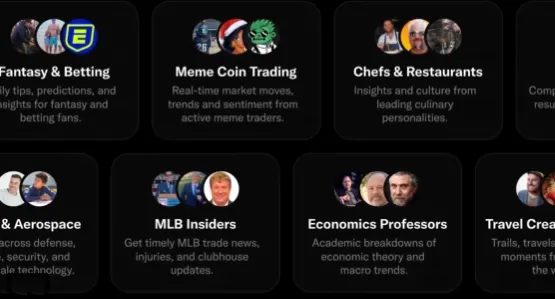
rewrite this title in spanish X Adds Starter Packs to Help Users Find Relevant Creators
rewrite It’s taken it a while to catch up, but X is now latching onto the “Starter Packs” trend that was first popularized by Bluesky back in 2024.
Starter Packs make it easier for new users to find relevant people to follow in a specific niche, which is helpful for new users when they first open an account. Discovery was a particular focus on Bluesky, given the variances in usernames from other platforms, so it launched Starter Packs in various niches and interests to help people make the switch to the app. And now, X has its own variation, called, creatively, “Starterpacks” (the lack of a space between the words is the differentiator). Interesting to see “Meme coins” highlighted here, considering that these communities were recently targeted by X’s latest anti-spam updates. As explained by X’s head of product Nikita Bier: “Over the last few months, we scoured the world for the top posters in every niche & country We’ve compiled them into a new tool called Starterpacks: to help new users find the best accounts – big or small – for their interests.”
I mean, he could have at least mentioned Bluesky and acknowledged its work here, but whatever.
So now, you can easily find the most respected voices to follow on X, or the most active at least, which will help you populate your feed with relevant content, and help X’s algorithm better understand what you’re interested in, and what it should be looking to show you from across the app. Which could be relevant for some niches. Like conspiracy theorists, or morons, or both. But for most, I’m not sure that discovery is so much the problem, as most people are pretty familiar with what’s on offer on X. But then again, discovery has always been a challenge, with Twitter acknowledging way back in 2015 that at least part of its growth issues related to difficulties in people understanding the app, and how to find relevant follows. And with Bier targeting new user growth specifically, this does make sense, and it could be a valuable addition.
And when you also consider that the average X user only sees 20-30 posts per day, any expanded discovery, and improved relevance, can only be beneficial for driving engagement, while X also sees an additional 100 million or so new posts added to the platform every day, so there should be no shortage of niche updates.
Also worth noting: Threads also has its own version of starter packs, which is launched in December 2024. So eventually, they all become the same, at least in a functional context. Bier says that starterpacks are being rolled out “in the coming weeks,” while you can get early access to some starterpacks here. in spanish