
rewrite this title in spanish YouTube highlights brand partnerships with sports creators
rewrite Listen to the article 2 min This audio is auto-generated. Please let us know if you have feedback. Amid the excitement of the FIFA World Cup 2026, YouTube for Business published a report which looks at the rising influence of sports creators in the app. The study also examined and how sports influencers can drive positive benefits for brand partnership campaigns.
YouTube’s latest Creator Pulse overview shared notes on some of the most successful examples of sports creators, while also providing guidance on how brands can partner with sports creators. As per YouTube: “With 66% of surveyed Gen Z respondents who are sports fans agreeing that they enjoy going to YouTube to watch related content before and after watching live sports, the surround sound of the game has become a core part of the fandom.”
Underlining this, YouTube highlighted Norwegian soccer player Erling Haaland as a key YouTube creator who could offer potential partnership exposure in the app. Haaland is an established YouTube creator who has 3.29 million subscribers, and he regularly posts updates to the platform to connect with his fans. YouTube also highlighted social media influencer, sports commentator and former college basketball player Rachel DeMita as an example of how athletes are using YouTube to build their own media platforms. The report underlined the value of YouTube as a key connector among sports fans, which could spark more creative ideas for marketers who want to tap into this opportunity to fuel their own promotions.
YouTube said marketers can align their brands with sports influencers through ad options such as Takeovers, which allow brands to pay for custom messages from creators, and YouTube Select Line-ups, which enable ad placement alongside some of the app’s top-performing content.
YouTube added additional sports categories to its Select line-up in October.
Sports remains a key connective vehicle for billions of people, and as such, the opportunity for associated marketing is significant. in spanish

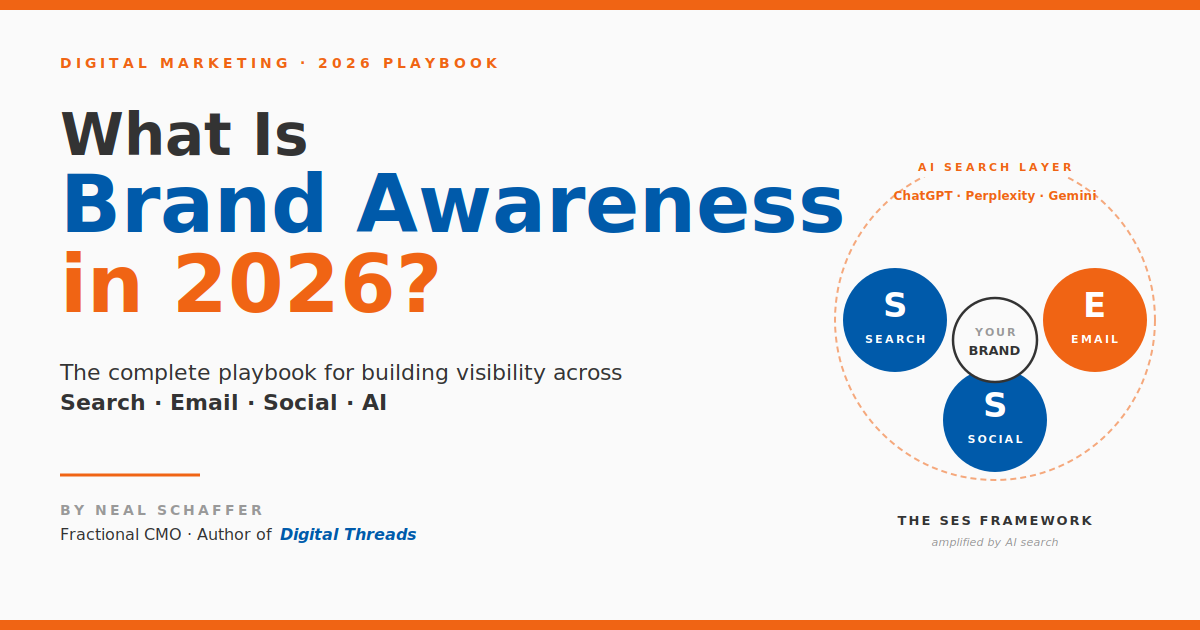
rewrite this title in spanish What Is Brand Awareness in 2026? A Digital Marketer’s Guide
rewrite A few times over the past year, prospective clients reached out about Fractional CMO work or personal branding consulting and told me upfront how they found me. Not Google. Not LinkedIn. Not a podcast recommendation. ChatGPT had named me when they asked for someone in my space. That caught my attention. I’ve spent two decades building visibility on traditional search engines and social media. But here was a new gatekeeper, one I hadn’t intentionally optimized for, deciding I belonged on a shortlist of people worth talking to. And the conversion quality was striking. Inquiries that came from AI recommendations tended to arrive already convinced. They’d done their research inside the chat, weighed the options, and picked up the phone. That opened my eyes to a new definition of what brand really means in the post-generative AI era. It’s no longer just what your customers remember about you. It’s what the machines summarizing the internet remember about you, and then pass along to your future customers without you ever knowing it happened. Brand awareness used to be a soft metric. The kind that lived on a slide in the awareness layer of the funnel, got measured in surveys once a year, and stayed out of the conversation when CFOs asked about ROI. That era is over. In 2026, brand awareness is the difference between being part of the conversation and being invisible in it, and the conversation is happening across Google, ChatGPT, Perplexity, Gemini, Claude, LinkedIn feeds, email inboxes, and Spotify playlists all at once. I’ve spent the last decade helping companies show up in those conversations, both as a Fractional CMO and as the author of Digital Threads, where I lay out the SES Framework (Search, Email, Social) that runs through this guide. This is the playbook I use with clients who need to be found, remembered, and recommended in a fragmented digital landscape, whether the recommender is a human, a search engine, or a large language model. Key Takeaways ✅ Brand awareness is the share of your target audience that recognizes and remembers your brand. It splits into brand recognition (cued recall, like spotting your logo) and brand recall (unaided recall, naming your brand when prompted by a category). ✅ Trust now sits alongside price and quality as a purchase driver. Edelman’s 2025 Trust Barometer Special Report on Brand Trust found that 80% of people now trust the brands they use, and trust has become a strategic battleground for competitive advantage. ✅ Build awareness across the SES Framework, not just one channel. Search makes you discoverable for years, email keeps you in the inbox of people who already know you, and social media spreads your voice through algorithms and advocates. ✅ AI search has rewritten the rules of brand visibility. AirOps research analyzing over 21,000 brand mentions found that 85% of brand mentions in AI responses come from third-party sources rather than the brand’s own website, which means earned media and review platforms now drive AI citations. ✅ B2B brand awareness has become the top business priority. LinkedIn’s 2025 B2B Marketing Benchmark with Ipsos found that 42% of senior B2B marketers rank increasing brand awareness and reputation among decision-makers as their single most important goal for the year. ✅ Measurement still matters, but the metrics have changed. Branded search, direct traffic, share of voice, AI citation rate, and third-party mentions tell you more than impressions or likes ever did. What Is Brand Awareness? Brand awareness is the extent to which your target audience can recognize and recall your brand when they encounter it or when they think about the category you serve. It has two distinct components, recognition (knowing your brand when shown) and recall (naming your brand when prompted by a need), both shaping whether a buyer ever considers you. Most people use “brand awareness” as a catch-all, but those two components behave very differently in practice. Recognition is what happens when a buyer sees your logo on a sponsored post and thinks, “oh, I’ve heard of them.” Recall is what happens when that same buyer needs a CRM and types “best CRM for small business” into ChatGPT without your name in mind, then either sees your brand named or doesn’t. The brands that win consistently are the ones that build recall, not just recognition. Recall is harder, slower, and worth far more. Why Has Brand Awareness Become More Critical in 2026? Brand awareness has become more critical in 2026 because the discovery layer has fragmented. Buyers now research across Google, ChatGPT, Perplexity, Gemini, LinkedIn, YouTube, and TikTok, and AI systems summarize options before the buyer ever clicks a link. If your brand isn’t named in those summaries, you’re not on the shortlist. Gartner forecasted in early 2024 that traditional search engine volume would drop 25% by 2026, with search marketing losing share to AI chatbots and virtual agents. Whether that exact number has already landed is up for debate, but the directional shift is undeniable. Branded queries are increasingly happening inside ChatGPT and Perplexity, and the brands that show up in those answers are pulling ahead of the ones that don’t. This shift is showing up in budget priorities. The LinkedIn study cited in Key Takeaways found that 94% of B2B marketers now agree trust is the most important factor in B2B success, and a plurality of senior marketers are putting brand reputation ahead of demand generation as their primary objective. That’s a meaningful inversion of the last decade’s “always be converting” mindset. It’s also showing up in how content marketing performs. According to the Content Marketing Institute’s 15th annual B2B benchmarks, 87% of B2B marketers report that content marketing helped them create brand awareness in the past 12 months, making it the single most-cited outcome of their content investment, ahead of demand generation, lead nurturing, and sales. And then there’s the AI piece, which I’ll come back to in its own section. Short version: the brands that show up inside AI answers tend to share three traits. They have strong third-party citation footprints, they publish original data, and they reinforce a consistent entity across the web. What’s the Difference Between Brand Awareness, Brand Recognition, and Brand Recall? Brand awareness is the umbrella term that covers both recognition and recall. Recognition is aided awareness, where a buyer identifies your brand when shown a logo, ad, or name in a list. Recall is unaided awareness, where a buyer names your brand from memory when prompted by a category or need. Recall is harder and more commercially valuable. Is Your LinkedIn Not Delivering Results? Just released: my new book to help professionals, entrepreneurs, and business owners maximize LinkedIn for real growth.With years of LinkedIn expertise, Maximizing LinkedIn for Business Growth offers actionable steps to build your brand, expand your network, and drive results. Start leveraging LinkedIn like never before—grab your copy now! Click the cover or button below to buy on Amazon. Here’s a side-by-side breakdown so the terminology lines up: TermWhat It MeansHow It’s MeasuredWhy It MattersBrand AwarenessTotal share of your audience that knows your brand existsAided + unaided recall surveys, share of voice, branded search volumeThe umbrella metric for top-of-funnel visibilityBrand RecognitionBuyers identify your brand when shown a cue (logo, ad, name)Aided recall surveys, ad recall studiesIndicates visual identity strength and ad effectivenessBrand RecallBuyers name your brand from memory when given a category promptUnaided recall surveys, top-of-mind awareness scoresPredicts inclusion in the consideration set during buying decisionsShare of VoiceYour brand’s portion of total conversation in your categoryMention volume, search share, social listeningTracks competitive visibility against direct rivalsBrand SalienceHow easily and how often your brand comes to mind in buying situationsCategory-cued recall, mental availability researchLinks awareness directly to purchase behavior Recognition is what happens when a buyer sees your logo and thinks “I’ve heard of them.” Recall is what happens when a buyer needs a CRM and asks ChatGPT without your name in mind. Both are brand awareness. Only one predicts purchase. If you want to go deeper on the share-of-voice piece, I’ve broken down how it compares to share of market in a separate explainer on share of voice versus share of market, because the two get confused constantly in client conversations. How Does Brand Awareness Fit Into the Marketing Funnel? Brand awareness sits at the top of the marketing funnel, where buyers move from “don’t know you exist” to “have heard of you.” It’s the prerequisite for every later stage. A buyer can’t consider you, prefer you, or purchase from you if they’ve never encountered your name. Awareness is the door, not the room. That’s the textbook version. The reality in 2026 is messier. Buyer journeys loop and circle back. A widely-cited 2020 FocusVision study reported by MarTech found the average B2B buyer consumes 13 pieces of content before making a vendor decision, split roughly eight vendor-created and five third-party. That number is from before the AI search era and is almost certainly higher today across more fragmented channels. People discover you on TikTok, forget you for three months, see your name in a Perplexity answer, then sign up for your newsletter from a podcast mention. Awareness happens in fragments, across channels, over time. The textbook funnel still gets drawn on slides, but the 2026 reality is a buyer who finds you on TikTok, forgets for three months, then bumps into your name in a Perplexity answer before signing up for your newsletter. Awareness happens in fragments. What hasn’t changed is the principle. If the goal is purchase, you need awareness first. If the goal is loyalty, you need awareness sustained. If the goal is advocacy, you need awareness that’s emotionally resonant enough for people to want to talk about it. The SES Framework from Digital Threads breaks brand awareness into three channels. Search makes you discoverable for years. Email keeps you in inboxes that already know you. Social spreads your voice through algorithms and advocates. How Do You Build Brand Awareness Through Search? Building brand awareness through search means publishing discoverable, evergreen content that answers the questions your target audience is already typing into Google, YouTube, Amazon, and increasingly into ChatGPT and Perplexity. Search is the first “S” in my SES Framework because content indexed in a search engine works for years, while a social post fades in hours. The most reliable awareness compound I’ve seen with clients is a blog backed by a clear keyword strategy. Not random thought leadership. Not “what’s on my mind today” posts. Content built around questions that have real search demand and that match the buyer’s stage. That requires real keyword research, the kind I describe in my SEO strategy resource, and patience to wait six to twelve months for the compounding effect to kick in as you build the library of content I describe in detail in Digital Threads. Three search tactics consistently move the awareness needle: Long-form evergreen content answering specific buyer questions, supported by topical clusters that build authority around a theme. Authority signals through earned backlinks and citations. The mechanics of why backlinks matter for SEO is its own rabbit hole worth understanding. YouTube and podcast presence because both platforms function as search engines with multi-year content shelf life, and Google now surfaces video and audio prominently in mixed-media results. Search rewards maintenance more than volume, which is why the content still bringing me clients today is the content I went back and refreshed periodically. How Do You Build Brand Awareness Through Email? Building brand awareness through email means showing up in inboxes consistently enough that your name becomes familiar, not just transactionally useful. Email is the “E” in SES because once a subscriber opts in, you have permission to keep reinforcing your brand with every send, even when most of those sends go unopened. The subject line alone is a brand impression. I’ve worked with clients who treated email as a conversion channel only, sending exclusively when they had something to sell. The result was unsubscribes, predictably. The clients who treated email as a relationship channel, sending a weekly or biweekly newsletter with genuine value, saw their open rates climb and their direct-traffic-from-email numbers compound over a year or two. A few things that matter for awareness specifically, separate from conversion: A recognizable sender name and subject line voice so subscribers know it’s you before they open. Having a defined brand voice pays off across every send. Consistency over frequency. A predictable weekly newsletter outperforms sporadic blasts every time. Subscribers learn to expect you. Forwardable, citable content. When a subscriber forwards your email to a colleague, that’s earned awareness with zero acquisition cost. Write at least one section per send with that in mind. Building brand awareness through social media means creating content that the platform’s algorithm wants to show to people who don’t follow you yet, while keeping the people who already follow you engaged. Social is the second “S” in SES, and it’s the channel where awareness can compound fastest, but also where it disappears fastest if you stop showing up. The 2025 Sprout Social Index reported that social media has become the number one source consumers use to keep up with trends and culture, ranking ahead of TV, family and friends, and every other digital channel. That’s a meaningful shift. It means social isn’t just a marketing channel, it’s a discovery layer that competes with traditional media for attention. As Scott Morris, Chief Marketing Officer at Sprout Social, put it when announcing the findings: “Consumer demands grow increasingly sophisticated with each year, and this year is no different. The 2025 Index report illustrates how consumers expect meaningful engagement and cultural relevance on social media that goes beyond trend-chasing.” That’s the bar in 2026. Posting consistently isn’t enough. Posting with cultural fluency and authenticity is what builds brand recall. A few principles that hold across platforms: Pick two or three platforms where your audience actually spends time, and go deep. Spreading thin across six channels is a recipe for inconsistent presence and inconsistent awareness. I’ve watched too many clients try to be everywhere and end up nowhere. Build a consistent visual and verbal identity. Adobe Express is the design tool I personally use for this, because the template system and brand kit feature make it realistic to keep visual identity consistent across hundreds of posts a year (full disclosure, I’m an Adobe Express Brand Ambassador, so I’m biased, but I’ve been recommending it for the same reasons since before that relationship existed). Bring in other voices. Influencer partnerships, especially with micro-influencers who have tight community trust, extend your awareness into audiences your own accounts can’t reach organically. Treat customer care on social as awareness work. Public replies are seen by future customers, not just the person you’re replying to. Every well-handled support exchange is a brand impression for an audience. If you’re trying to think holistically about how these pieces fit together, I’ve written more on building a coordinated social media strategy that aligns the awareness, engagement, and conversion layers. How Do You Build Brand Awareness Inside AI Search and ChatGPT? Building brand awareness inside AI search means earning citations and mentions from the third-party sources that AI models trust most, because AI systems synthesize answers by retrieving from external sources rather than generating from scratch. The discipline is called Generative Engine Optimization (GEO) or Answer Engine Optimization (AEO), and it’s reshaping what brand awareness even means. The AirOps research mentioned in Key Takeaways is the clearest signal I’ve seen. When an AI tool names your brand in a top-of-funnel commercial query, that mention is six and a half times more likely to come from a third-party source than from your own website. Which means the old SEO playbook of “rank our pages first” only partially translates. You also need to be cited on the sites the AI is reading. AI search has rewired brand awareness. Your own website does roughly 15% of the work. The other 85% lives on review platforms like G2 and Clutch, Wikipedia entries, Reddit threads, podcast transcripts, and news coverage you don’t control. Earned media is the new SEO. Here’s the practical implication for a brand awareness strategy: Get into review sites and aggregators. G2, Capterra, Trustpilot, and category-specific roundups disproportionately shape what AI models say about your category. Pursue earned media coverage. A placement on a publication the AI considers authoritative is worth more in 2026 than ten guest posts on low-authority blogs. Publish original research and statistics. Content with cited statistics earns more AI mentions than opinion pieces. This is one reason I keep my annual social media marketing statistics roundup up to date on my own site. Reinforce entity consistency. Use the same name, the same role descriptions, and the same key facts about your brand across every site that mentions you. AI models penalize ambiguity. There’s also a measurement layer to this. HubSpot’s AEO product, launched in early 2026, tracks brand visibility scores and share of voice across ChatGPT, Gemini, and Perplexity, and HubSpot reported on their own results that AEO became one of their fastest-growing lead sources with leads converting at three times the rate of traditional search. The tooling is maturing fast, and the brands that start measuring AI visibility now will have a year-plus head start on those who wait. How Do You Measure Brand Awareness? Measuring brand awareness in 2026 requires a mix of legacy metrics (branded search, direct traffic, social mentions) and emerging ones (AI citation rate, share of voice across LLMs, third-party mention quality). No single number tells the full story, which is why most marketers track a portfolio of signals and look for direction over time rather than precision in any given month. Here’s the measurement portfolio I recommend to clients, organized by what each metric actually tells you: Brand awareness measurement has evolved in three layers. The foundations (branded search, direct traffic) still matter. The competitive layer (share of voice, brand recall) tells you where you stand against rivals. The emerging layer (AI citation rate, third-party mention volume) is what 2026 added to the stack, and it’s where the next year of category leadership will be decided. MetricWhat It TracksWhere to Find ItBranded search volumeHow often people type your brand name into GoogleGoogle Search Console, Google TrendsDirect trafficVisitors typing your URL directly or using a bookmarkGoogle Analytics 4Share of voiceYour portion of category conversation across earned mediaSocial listening tools, Mention, Brand24Aided and unaided brand recallSurvey-based memory of your brand in your categoryQuarterly brand tracker surveysSocial mentions volume and sentimentHow often and how favorably people talk about youNative platform analytics, Sprout Social, BrandwatchAI citation rateHow often your brand appears in AI-generated responsesProfound, Otterly.AI, Semrush AI ToolkitThird-party mention volumeCoverage on review sites, news sites, podcastsManual tracking + tools like Ahrefs Brand RadarReferral traffic from earned mediaVisitors arriving from publications, podcasts, and partnersGoogle Analytics 4 The mistake I see most often is over-weighting impressions and likes, which feel measurable but barely correlate with anything that matters. A million Instagram impressions on a video nobody remembers is a worse business outcome than 50,000 impressions on a post that drives 500 newsletter signups and a podcast download spike. What Most Brand Awareness Guides Get Wrong Most brand awareness guides treat it as a top-of-funnel activity disconnected from revenue, which leads to vanity-metric thinking and budget cuts the moment a CFO asks ROI questions. The reframe I work from: awareness is a leading indicator of every conversion metric you care about, but only when it’s measured against the segment of the audience you can actually sell to. A few specific things guides routinely miss: Confusing reach with awareness. Reach is exposure. Awareness is memory. They’re not the same, and the difference is the gap between “they saw it” and “they remember it.” Memory takes repetition. Treating awareness as a one-time campaign. Awareness decays. Without sustained reinforcement, the brands you built recognition for last year fade out of consideration sets this year. Plan for ongoing investment, not a launch sprint. Skipping the entity layer. Especially with AI search now in the picture, brands that show up consistently across the web (with the same name, same description, same fact pattern) get cited far more than brands that drift in their positioning. Picking the wrong tactics for the funnel stage. Influencer awareness campaigns make sense at the top of the funnel. Retargeting ads for “brand awareness” mostly waste money because the audience already knows you exist. The other miss I see constantly, even from experienced marketers, is treating brand awareness as separate from content strategy. They’re the same thing. Every blog post, video, newsletter, and social asset is a brand awareness vehicle if it’s published consistently in your voice. For more on that integration, my post on what content marketing actually is lays out how content ties to brand building. And the financial case has gotten harder to ignore. Kantar BrandZ has tracked the world’s biggest brands for two decades, and the companies sitting at the top of its value rankings have historically delivered higher shareholder returns than the broad market, even across rough years. Brand investment isn’t a cost. It’s a balance sheet asset that compounds. Brand Awareness FAQ What’s a realistic timeline for seeing brand awareness improve? Realistic timelines depend on your starting point and channel mix, but in my consulting work I tell clients to expect three to six months of consistent effort before they see meaningful lift in branded search and direct traffic, and twelve to eighteen months before they see compound effects across multiple channels. Awareness doesn’t lift overnight. It accrues. How much should I budget for brand awareness versus performance marketing? There’s no universal split, but Les Binet and Peter Field’s “The Long and the Short of It” research for the IPA, based on nearly 1,000 effectiveness case studies, found that a roughly 60/40 brand-to-activation allocation produces the strongest long-term growth in most consumer categories, with the brand portion higher for newer or less-known companies. The mistake is going 100% performance and wondering why CAC keeps climbing. You can’t convert someone who’s never heard of you. Is brand awareness measurable, or is it inherently fuzzy? It’s measurable, but not with a single number. You measure it through a portfolio of signals (branded search, direct traffic, share of voice, AI citation rate, survey-based recall) and you watch the trendline. Anyone selling you a “brand awareness score” as a single metric is oversimplifying, but the inputs that feed that score are absolutely trackable. Does brand awareness still matter if I’m primarily selling through paid ads? Yes, and probably more than you think. Branded queries convert at significantly higher rates than unbranded queries, and ad creative tested with audiences who already recognize the brand consistently outperforms creative shown to cold audiences. Paid ads work better when the brand is already known. That’s why category leaders can afford lower CACs than their challengers. How is brand awareness different from brand identity? Brand identity is the set of visual, verbal, and emotional cues you control (your logo, voice, story, design system, values). Brand awareness is the share of your audience that recognizes those cues. Identity is what you create. Awareness is what gets retained. The two work together, but they’re distinct, and conflating them is one reason a lot of brand strategy work goes sideways. I’ve written more on the brand storytelling side of identity if you want to go deeper there. Start Building Brand Awareness That Compounds Brand awareness in 2026 is not a quarterly campaign. It’s an ongoing system across search, email, social, and AI answer engines, all reinforcing the same entity for the same audience. The brands that win show up consistently, publish content worth citing, and measure progress against signals that predict revenue rather than vanity metrics. If you’re trying to ground your brand awareness strategy in current data, the latest content marketing statistics are a useful place to start, because content marketing is doing more of the awareness-building work in 2026 than any other tactic. And if you’d like hands-on help building a coordinated awareness strategy across your full digital footprint, download a free preview of Digital Threads for the full SES Framework, or get in touch about Fractional CMO services if you want me involved directly. The discovery layer keeps changing. The discipline of showing up where your buyers are doesn’t. Actionable advice for your digital / content / influencer / social media marketing. Join 13,000+ smart professionals who subscribe to my regular updates. in spanish

rewrite this title in spanish 6 brand safety best practices to inform your 2026 marketing plan
rewrite Brand safety isn’t just a checkbox anymore. As marketing moves faster (and leans more on automation), the risks get bigger too. Here’s your guide to brand safety in 2026. Key takeawaysBrand safety is more important than ever. AI and automation are a big reason why, driving new risks for data privacy, copyright, and compliance.Brand safety often slips unintentionally. Most problems start when brands lose control of conversations, comments, or ad placement.The best brand safety strategies are proactive. Clear guidelines, workflow approvals, and cross-team alignment help prevent issues before they surface.Real-time monitoring is your best defense. Social listening and inbox tools — like those from Hootsuite — help brands spot issues early and act fast. What is brand safety? Brand safety is a set of practices brands use to avoid being associated with inappropriate content that could damage their reputation. Brand safety is most often discussed in the context of digital advertising — specifically ad placement. However, it also applies to organic content in digital media. Brand safety guidelines ensure your content aligns with relevant regulations, advertising standards, and audience expectations to prevent a brand crisis. Who decides what content is “safe” or “unsafe”? Ultimately, brands decide what content is “safe” or “unsafe” for their advertising, but those decisions are shaped by laws, industry standards, and platform rules. Before launching a brand safety strategy, every brand needs to define its risk tolerance. That’s how close they’re willing to get to controversial or sensitive content. Some topics, like pornography, terrorism, and misinformation, are obvious no-gos for ad placement. These are called the brand safety floor, a term used by the Global Alliance for Responsible Media (GARM) to describe content categories advertisers should avoid entirely. Similarly, the ad tech industry has a “dirty dozen” list of content categories to avoid for brand safety. For the most part, it aligns with GARM. The Interactive Advertising Bureau (IAB) added a 13th category to round out the list: Military conflict Obscenity Drugs Tobacco Adult Arms Crime Death/injury Online piracy Hate speech Terrorism Spam/harmful sites Fake news Not every category on this list applies equally to every brand. For example, a vaping brand may be fine advertising near tobacco-related content or adult-themed material. (And vice versa for an adult brand.) Still, some boundaries are non-negotiable. Laws, financial regulations, and social platform monetization guidelines often make those decisions for you. It’s a good idea to take things a step further by defining what is brand-suitable. TL;DR: Brands ultimately decide what content is safe or unsafe, but legal, industry, and platform rules shape those choices. The brand safety floor includes different types of content most advertisers avoid entirely, like terrorism and misinformation. Not all “unsafe” categories apply equally to every brand. Risk tolerance varies by industry and audience. Brand safety vs. brand suitability While brand safety and brand suitability are closely related, they solve different problems: Brand safety is about protecting your brand reputation Brand suitability is about alignment with your brand values For example, a brand might run ads next to true crime content. From a brand safety perspective, the content is compliant and legally acceptable. However, a wellness brand may determine that association with crime and violence conflicts with its brand values. In this case, the content is brand safe but not brand suitable. That’s why both perspectives matter. Legal and compliance teams help define what’s brand safe, while marketing and PR teams help decide what’s brand suitable. What are common threats to brand safety? Brand safety issues often arise when brands lose control over context, conversations, or technology. Below are some of the most common brand safety missteps: Ad placements near inappropriate content Ads appearing next to inappropriate or harmful content are one of the most common threats to brand safety in digital advertising. In digital advertising, brands typically buy placements through networks or platforms, not individual publishers. Likewise, on social media, advertisers pay for placement on the platform, rather than controlling exactly where their ads appear. As a result, brands don’t always have full control over the surrounding content. When that goes wrong, the fallout can be fast. For example, Hyundai pulled ads from X after they appeared next to antisemitic content. Source: Nancy Levine Stearns To reduce risk, most social platforms offer built-in brand safety and content exclusion tools, which we’ll cover later in this post. Bots and trolls Bots and trolls are a persistent threat to brand safety because they can inflate engagement and even cause reputational damage. While engagement is a primary goal for many brands, not all engagement is valuable. Bots create fake likes, clicks, and comments that warp performance data, while trolls show up to provoke or derail conversations on purpose. Left unchecked, these negative actors can wreak havoc in your comments and DMs. Setting up keyword filters for comments can keep the worst offenders in check. They can also create negative conversations about you on non-owned social channels. In this case, a tool like Hootsuite Listening helps you catch brand-damaging content before it gets out of control. Bots can also drive ad fraud by generating fake clicks, wasting ad spend and making campaign performance look better on paper than it actually is. Problematic influencers Influencers can be a brand safety risk when their behavior, opinions, or past posts don’t line up with your brand’s values. Working with creators is a powerful way to boost reach and credibility. But today, brands are also engaging more casually by commenting on creator posts, even without a formal relationship. This tactic is known as outbound engagement, and 41% of respondents to Hootsuite’s 2025 Social Trends Survey have already tried it. But here’s the catch: Any interaction with a creator — whether a paid collaboration or a simple comment — ties your brand to their content. If that creator shares views or opinions, the association can reflect back on you. In fact, “aligning with an influencer, creator or celebrity that during the course of your partnership says or does something that doesn’t align with your business” is one of the top threats to brand security, according to Trish Riswick, Hootsuite’s former Team Lead, Social Marketing. Most brands carefully vet influencers before signing a deal. But comments often happen without the same level of scrutiny. To stay brand safe, advise your team to do a quick background check before engaging publicly. Pro tip 💡: Build a shortlist of brand-safe creators your team can engage with confidently, and review it regularly. It’s a simple move that can save you a lot of cleanup later. Using a hashtag or meme associated with risky content Hashtags and memes can be great for reach, but meanings shift fast on the internet, and some can carry baggage that isn’t obvious at first glance. For instance, a hashtag that looks harmless can be tied to controversial conversations or communities your brand definitely doesn’t want to sit next to. So make sure to do your research first. Hootsuite Listening lets you take initiative by conducting in-depth research on hashtags and keywords before you start your campaign to avoid any embarrassing incidents. Inappropriate use of AI Over the last year, AI has become a mainstream tool used for just about every aspect of marketing. For example, 79% of social media managers now use AI daily, according to Hootsuite’s 2026 Social Media Trends report. AI is here to stay, but used carelessly — especially when creating content across multiple platforms and formats — can create serious risks around data privacy, copyright infringement, and compliance. One major brand safety concern is data protection. For example, feeding proprietary or sensitive information into AI tools can create exposure you can’t take back. Another risk involves copyright and intellectual property. If you don’t know what a tool was trained on, you can’t be sure copyrighted material isn’t slipping into your outputs. This is especially important in highly regulated industries like government and finance, where 82% of social marketers use AI to produce and optimize content. Finally, if you’re using generative AI for customer service, it’s critically important to control the data inputs and training materials, so that your chatbot never creates a brand safety issue. Pro tip 💡: Hootsuite’s Generative AI Chatbot was specifically designed with brand safety in mind. How to build a brand-safe marketing strategy Building a brand-safe marketing strategy starts with clear boundaries, collaboration with the right teams, and guardrails everyone in your org understands. Here are three critical brand safety measures: 1. Put together brand safety guidelines Clear brand safety guidelines are the foundation of a brand-safe marketing strategy. Start by using the industry-standard “dirty dozen” content categories as a baseline. From there, tailor the list to match your brand’s risk tolerance. These rules should apply everywhere your brand shows up, from organic social posts to paid ads and placements. These rules matter even more when brands experiment more with creative boundaries. According to Hootsuite’s 2025 Social Media Trends report, 43% of organizations have tested a new tone of voice, personality, or persona on social media in the past year. Experimentation is a key element in marketing, but without clear limits, it can introduce brand safety risks. Take Dunkin’s Halloween campaign, for example. The innuendo went far, but not by accident. You can bet multiple teams weighed in on how far was too far before anything went live. Source: Dunkin’ When pushing the limits, it’s important to be crystal clear on where they are. Define what’s allowed, who signs off, and when legal or PR needs to step in. And if you’re boosting experimental content, tighten your ad placements too. What works for a standard campaign may not be appropriate everywhere when the tone shifts. Bonus!!! Get a free, customizable social media policy template to quickly and easily create guidelines for your company and employees. 2. Consult other teams within your organization Building effective brand safety guidelines requires input from multiple teams across your organization. Get relevant teams and leaders together for a thorough review of your overall brand and social media guidelines, along with your brand’s messaging, vision, and mission statement. Work together to build a set of brand safety and brand suitability guidelines, and add this to your social media guidelines document. The most important team to connect with is legal. They’ll help you stay compliant with advertising standards and industry regulations. Check in about memes, celebrity photos, and anything else that may involve other people’s intellectual property. But legal isn’t the only stakeholder that matters: PR teams can identify potential reputational risks, even when content is legally compliant. IT and security teams can make sure marketing and AI tools are used safely. Customer care teams can surface common customer concerns and sensitivities that may not be obvious during campaign planning. Pro tip 💡: Set up approval workflows to ensure critical stakeholders can provide input at the appropriate stage. 3. Train your team Employees are proud of their work, and they may share employer-related content on their social profiles. In most cases, this is a great thing. An employee advocacy program can extend your reach. But with any collaboration, there’s risk. You can’t control employees’ personal profiles. However, you can mitigate this risk by establishing a social media policy. Include a section outlining the importance of brand safety. It’s also a good idea to include brand safety training as part of your onboarding process. Don’t forget to include your brand’s leaders in this training! They can be some of the most visible brand representatives online. If you work with advertising agencies, make sure they are also in the loop. 6 brand safety best practices and strategies These six best practices help teams stay in control, reduce exposure, and protect their reputation: Use real-time monitoring Do your research before jumping on social trends Keep an eye on (and respond to) comments and messages Use negative targeting Use platform-specific brand safety advertising tools Make a social media crisis plan and response strategy 1. Use real-time monitoring Social listening is a marketer’s best line of defense when it comes to avoiding brand safety incidents. Fortunately, every Hootsuite plan includes everything you need to get started with social listening. Use Quick Search for personalized insights on your brand. You can track what people are saying about you, your top competitors, your products — up to two keywords tracking anything at all over the last 7 days. Plus, you can use Quick Search to analyze things like: Key metrics. Are more people talking about you this week? What’s the vibe of their posts? Hootsuite Listening doesn’t just track what people are saying — it uses enhanced sentiment analysis to tell you how they really feel. Top themes. How are people talking about you? What are the most popular positive and negative posts about? Which other conversations are you showing up in? Results. Ready to get into specifics? The results tab will show you a selection of popular posts related to your search terms — you can filter by sentiment, channel, and more. #1 Easy Social Listening Brand mentions, trending topics, and sentiment at your fingertips. Enhance your social strategy with the insights that matter. Start free 30-day trial 2. Do your research before jumping on social trends Before jumping in on any social trend, check that it aligns with your brand values. “Brands should never take part in a trend or use a meme without knowing the context of where or who it is from,” notes Riswick. Ask yourself: What’s the sentiment associated with the trend? Is the hashtag too risqué? Hootsuite Listening helps you understand trending hashtags, brands, and events anywhere in the world, so you can make sure a trend is safe for your brand before you engage. 3. Keep an eye on (and respond to) comments and messages To make sure that you never miss a tricky message, use a unified social media inbox to capture interactions from all of your accounts. With Hootsuite Inbox, you can bridge the gap between social listening, brand safety, engagement, and customer service — and manage all of your social media messages in one place. Bonus: You’ll also see responses to your outbound engagement comments, so you can be sure the conversations you’re having on other people’s channels stay brand-safe, too. 4. Use negative targeting If you know there are terms or phrases that you never want your brand’s content to be associated with, you can input a list of these terms as “negative keywords” into a blocklist to avoid related placements on most platforms. Pro tip 💡: Consult your legal, social care and customer service teams for terms to include in your blocklist. 5. Use platform-specific brand safety advertising tools Social platforms have brand safety tools that allow you to control what kind of content your ads appear next to. Meta: The platform’s Brand Safety Hub offers brand safety settings like inventory filters, publisher and content block lists, topic and content type exclusions, and content allow lists at the ad account level. You can choose to make individual ad sets more restrictive as well. X (Twitter): Exclude up to 4,000 negative keywords and 2,000 negative account handles, as well as certain ad placements. For video campaigns, exclude content categories or handles. TikTok: Choose an inventory filter risk level for ad adjacency placement, and exclude categories like gambling or youth content or vertical-related content misaligned with your brand. LinkedIn: Create an exclude list of profiles and Pages, or block specific partner sites on the LinkedIn Audience Network. Pinterest: Opt out of expanded targeting and certain ad placements, and apply a negative list for keyword exclusion. 6. Make a social media crisis plan and response strategy A social media crisis plan is a great tool to protect your brand’s safety. It should include: Criteria for when to pause posts during major world events (and criteria to decide when to resume posting) Guidelines for responses to large volumes of customer complaints and issues Messaging approval processes and contact information for key stakeholders required for approvals An internal communications plan With Hootsuite, you can pause all posts with one click and show a warning for all users in your organization. Find more tools to protect your brand. Brand safety statistics Still not sure you need to worry about brand security? These numbers don’t lie. 35% of consumers hold brands accountable for ads appearing near unsafe content (Integral Ad Science) 43% of consumers feel unfavorable toward brands whose ads are adjacent to brand unsafe content (IAS) 56% of consumers are unlikely to purchase from an ad that appears next to unsafe content (IAS) 60% of programmatic ad experts say brand safety/suitability is one of the biggest causes for concern (WARC) FAQ: Brand safetyWhat is brand safety, and why does it matter in digital and social media?Brand safety is about making sure your brand isn’t associated with content that could damage trust, credibility, or reputation, and it matters more than ever in fast-moving digital and social spaces. Ads, posts, and comments can appear next to risky content in seconds, so without guardrails, small mistakes can snowball into big problems.How do brands protect themselves from brand safety risks online?Brands protect themselves by setting clear guidelines, defining risk tolerance, and actively monitoring where their content appears and how people engage with it. The goal is to stay proactive, not scrambling to respond after something’s already gone wrong.What are the best brand safety practices for social media and digital advertising?The best brand safety practices include real-time monitoring, careful trend research, strong approval workflows, and clear rules for content placement and engagement. Together, these guardrails help teams move fast without losing control.What tools help monitor and manage brand safety in real time?Brand safety tools like Hootsuite help teams monitor conversations and respond to issues before they escalate. With features like social listening, unified inboxes, approval workflows, and compliance monitoring, Hootsuite makes it easier to spot risks early and manage brand safety at scale.What are examples of brand safety failures — and what can brands learn from them?Common examples of brand safety failures include ads appearing next to extremist or harmful content, brands partnering with influencers who later spark controversy, jumping on hashtags or memes tied to risky conversations, or relying on AI-powered tools without proper human oversight.The lesson is simple: brand safety requires clear rules, real-time monitoring, and human judgment. Save time managing your social media presence with Hootsuite. Publish and schedule posts, find relevant conversions, engage your target audience, measure results, and more — all from a single dashboard. Try it free today. in spanish

rewrite this title in spanish Why High-End Smartphones Are Overrated: A Look Beyond the Brand Hype
¿Por qué los teléfonos inteligentes de alta gama están sobrevalorados: una mirada más allá de la publicidad de la marcaEn el mundo siempre cambiante de la tecnología, los teléfonos inteligentes se han convertido en una parte integral de nuestra vida diaria. El mercado está inundado de dispositivos de alta gama de marcas reconocidas, cada uno prometiendo una experiencia de usuario inigualable. Sin embargo, debajo de los exteriores brillantes y las especificaciones impresionantes, surge la pregunta: ¿realmente valen la pena los teléfonos inteligentes de alta gama con sus elevados precios, o los consumidores están cayendo víctimas de la publicidad de la marca?Rendimiento decreciente en la inversiónUno de los principales argumentos en contra de los teléfonos inteligentes de alta gama es el rendimiento decreciente en la inversión. Si bien los dispositivos insignia presumen de características de última generación y especificaciones de primera línea, las mejoras incrementales de un modelo a otro a menudo son marginales. La ley de los rendimientos decrecientes sugiere que a medida que el precio aumenta, los beneficios adicionales se vuelven menos notables. Para el usuario promedio, la diferencia en el rendimiento entre un teléfono inteligente de rango medio y uno de alta gama puede que no justifique la gran diferencia en el costo.Publicidad y publicidad de la marcaLa reputación de la marca juega un papel crucial en la industria de los teléfonos inteligentes. Los nombres establecidos en el mercado invierten fuertemente en campañas de marketing para crear una sensación de exclusividad y deseabilidad alrededor de sus modelos de alta gama. Sin embargo, esta publicidad a veces puede opacar el valor real proporcionado por el dispositivo. Los consumidores pueden encontrarse pagando un precio premium por la imagen de la marca en lugar de por características verdaderamente innovadoras.Los dispositivos de rango medio ofrecen un rendimiento adecuadoCon los avances tecnológicos, los teléfonos inteligentes de rango medio se han vuelto cada vez más capaces, ofreciendo un equilibrio entre rendimiento y asequibilidad. Estos dispositivos a menudo vienen equipados con características que satisfacen las necesidades de la mayoría de los usuarios, incluyendo cámaras impresionantes, procesadores rápidos y amplio almacenamiento. Para tareas cotidianas como navegación web, redes sociales y comunicación, los teléfonos inteligentes de rango medio pueden brindar una experiencia satisfactoria sin vaciar el bolsillo.Avances tecnológicos rápidosEl ritmo de la innovación tecnológica en la industria de los teléfonos inteligentes es implacable. Lo que se consideraba de alta gama hace un año ahora puede ser superado por alternativas de rango medio. Con este rápido avance, invertir en el último dispositivo insignia puede resultar en una sensación de superioridad de corta duración, ya que modelos más nuevos y avanzados llegan al mercado antes de lo esperado.Relación calidad-precioCuando se trata de relación calidad-precio, los teléfonos inteligentes de alta gama a menudo se quedan cortos. El precio premium puede incluir características de las que solo se beneficia un grupo de usuarios de nicho, como capacidades avanzadas de la cámara o potencia de procesamiento extrema. Para el consumidor promedio, estas características pueden no traducirse en una experiencia de usuario significativamente mejorada, haciendo que el gasto adicional parezca injustificado.Costos de reparación y obsolescencia programadaLos teléfonos inteligentes de alta gama no solo son caros de comprar, sino que también pueden ser costosos de reparar. Los fabricantes a menudo diseñan sus dispositivos insignia con cuerpos y componentes sellados, lo que hace que las reparaciones sean más complicadas y costosas. Además, algunos críticos argumentan que la obsolescencia programada, donde los dispositivos están diseñados intencionalmente para tener una vida útil limitada, es más común en los teléfonos inteligentes de alta gama para impulsar actualizaciones frecuentes.En conclusión, si bien los teléfonos inteligentes de alta gama indudablemente ofrecen tecnología de vanguardia y materiales premium, la pregunta sigue siendo si estas características justifican los altos precios. Para muchos consumidores, los dispositivos de rango medio brindan un equilibrio más sensato entre rendimiento y costo, ofreciendo una alternativa práctica a la publicidad impulsada por la marca de los modelos de alta gama. A medida que la tecnología continúa avanzando, la propuesta de valor de los teléfonos inteligentes de alta gama debe ser analizada, alentando a los consumidores a tomar decisiones informadas basadas en sus necesidades individuales en lugar de sucumbir al atractivo del prestigio de la marca.(function(d, s, id) { var js, fjs = d.getElementsByTagName(s)[0]; if (d.getElementById(id)) return; js = d.createElement(s); js.id = id; js.src = «//connect.facebook.net/en_US/sdk.js#xfbml=1&version=v2.5»; fjs.parentNode.insertBefore(js, fjs); }(document, ‘script’, ‘facebook-jssdk’));