
rewrite this title in spanish Scaling social media content in 2026: Enterprise guide
rewrite Key takeawaysScaling social media content means building systems that increase output without sacrificing quality, not just posting more often.Enterprise teams scale effectively by combining shared content libraries, clear approval workflows, content repurposing, and AI-powered tools.Measuring what works, and cutting what doesn’t, is essential to scaling sustainably without burning out your team.Hootsuite Social OS connects content creation, publishing, approvals, analytics, and AI orchestration in one governed system built for enterprise scale. What does it mean to scale social media content? Scaling social media content means building a system that lets your team create more content without losing quality. It’s what big brands depend on when they need to post quickly, in different locations, across different platforms, while still feeling like one unified brand. It also relies heavily on content repurposing, so one strong idea can power many posts instead of starting from scratch each time. How scaling content differs from posting more often Scaling content isn’t the same as simply posting more often. Posting more often is about volume. Scaling is about building a system that lets you create that extra volume without stretching your team, lowering quality, or creating chaos. Here’s the difference in simple terms: Posting more: Increasing how often you publish. Scaling content: Improving how your team creates, reviews, stores, approves, and shares content, so you can increase volume and maintain brand consistency. Enterprises scale content effectively when they: Support multiple regions and languages Keep brand identity consistent across social media platforms Handle high content demand for campaigns, user-generated content (UGC), influencers, and paid advertising seamlessly Build strong workflows and approval systems to make posting easy and safe Use automations (like content calendars, shared libraries, and approval workflows) to reduce manual work Why do enterprises need to scale social media content? Enterprises need to scale social media content so they can stay consistent, move faster, and keep quality high as the brand grows. Here are a few of the most important reasons for scaling enterprise social media. Managing volume and consistency across platforms and regions Enterprise brands publish a huge amount of content, and each region has its own audience, rules, and needs. Without a scalable system, teams end up creating content from scratch, repeating work, or producing posts that don’t match the brand. Scaling solves this by giving teams shared tools and guidelines. It helps to: Keep tone and brand identity consistent Adapt content for different cultures and time zones Publish across many social media platforms without mistakes Avoid duplicate or conflicting content Make sure every team works from the same source of truth The result is social media posts that always feel like “the brand,” no matter where they are published. Driving brand impact and agility at scale Social media moves fast, and large brands need systems that help them keep up without losing their voice. With more than 5.17 billion people using social platforms and users spending an average of 2 hours and 21 minutes a day scrolling, competition for attention is nonstop. Fast responses now matter more than ever. According to Hootsuite’s Social Trends data, customers now expect brands to react to culture and conversation in real time. But reacting fast is almost impossible for large brands without a system in place. Scaled teams stay quick by watching what their audience is talking about, from trending topics to changes in how people feel. When they spot something early, they can update a post, reuse an existing piece of content, or answer a customer before the moment passes. This kind of fast response shows people the brand is paying attention. Pro tip💡: Nest, the customer care app inside Hootsuite Social OS, helps teams spot questions, complaints, and fast-moving conversations the moment they happen. Reducing inefficiencies with centralized workflows Without centralized workflows, the enterprise content creation process gets messy fast. Teams may store assets in different places, follow different processes, or rely on manual approvals that slow everything down. Content scaling fixes these issues by providing: One place to store brand-approved assets Shared templates and branded content formats Clear approval and permission systems Automation for publishing and scheduling Analytics that show what’s working and what needs attention When teams stop reinventing the wheel, they get more time back. Plus, the content production is more consistent and easier for the whole organization to use. How can businesses scale social media content effectively? To scale content creation, businesses need a setup that helps teams make more diverse content easily. That means knowing where ideas live, how posts get made, who approves them, and how they go live across all your social channels. Here’s a quick view of all nine steps before the detailed breakdown: Build a shared content library Set clear approval workflows Use templates to make creation faster Repurpose content across formats and channels Use automation for repeatable tasks Support local teams with clear guardrails Leverage user-generated content and creator partnerships Let analytics guide what you scale Build a culture that supports scaling 1. Build a shared content library A shared content library is the home base for every piece of content your teams produce. It gives every content team the same starting point, instead of everyone making their own version from scratch. A strong content library includes: Brand-approved images and video Post templates for each social platform Saved captions and messaging examples Design files for common formats like Instagram Reels, Stories, or carousels Local variations that regions can adapt A backlog of content ideas your team can pull from when timelines get tight Brand style guides and voice and tone guidance In Hootsuite Social OS, Perch brings content, planning, and publishing together, so global teams find what they need fast and stay on-brand without extra back-and-forth. 2. Set clear approval workflows Approvals are how you scale without worrying something risky will slip through. They keep posts on-brand and, in regulated industries, compliant. A clear approval workflow spells out: Who drafts and edits posts Who approves them for each region or brand When legal or compliance needs to review How urgent posts get fast-tracked Where final approval happens before publishing Kevin Johnson, Global Social Media Manager at Talent Systems, suggests formalizing your process so you don’t get trapped in endless review cycles. “An enterprise license for a suite like Hootsuite is usually the biggest difference maker. They solve your scheduling, content banks, and most approval headaches in one place,” says Johnson. Johnson adds, “And I swear this isn’t an ad!” He also uses RACI rules to keep projects moving. 3. Use templates to make creation faster Templates help teams make good content quickly. They help individual regions produce high-quality content, even on tight timelines, and give structure so people don’t have to start from a blank page. Useful social media templates can include: Post layouts for each social network Reels, TikTok, and short video formats Caption starters and hashtag sets Graphics and infographics for recurring series Campaign frameworks that regions can plug into Johnson says templates are key to how big teams stay consistent. “Ask your designers to build modular templates for all your routine stuff: quotes, tips, awards, testimonials. This makes those assets basically plug-and-play,” explains Johnson. “It frees up their time for the high-priority, custom campaign work.” Pro tip💡: If you don’t have templates yet, borrow from trusted sources while you build your own library. The Hootsuite blog has 250+ free templates your team can make use of. Many creators also offer great starter packs, including Taylor Loren. Sites like Figma, Creative Market, and Canva’s template library also offer strong options for teams that need polished templates right away. 4. Repurpose content across formats and channels Content repurposing is one of the fastest ways to scale, because it lets you turn one strong idea into many platform-ready assets. Instead of creating everything from scratch, your team gets more mileage out of the work it has already done, while keeping a consistent message across channels. Common ways enterprise teams repurpose content include: Turning a blog post into an Instagram carousel or a LinkedIn document post Cutting webinar or event recordings into short Reels, TikToks, and Shorts Reworking a customer story into a quote graphic, a video clip, and a caption Adapting one campaign message into platform-specific formats and aspect ratios Refreshing top-performing posts from last year with new data or visuals AI makes this even faster. Perch’s AI-assisted content creation inside Hootsuite Social OS can help teams rewrite, resize, and reframe a single asset for different channels in minutes, so repurposing becomes part of the workflow rather than an afterthought. 5. Use automation for repeatable tasks Automation is how you scale without asking your team to work 24/7. It should streamline the repetitive work, not the human parts. Automation can help you: Schedule batches of posts ahead of time Publish at best times based on past performance Line up posts across time zones and regions Get alerts when key topics or hashtags spike Reuse existing content that performs well Don’t overlook tools that could save hours, says Johnson. “I’ve seen teams ignore tools they already pay for. If your organization has something that automates scheduling or approvals, use it,” says Johnson. “Making your life easier shouldn’t be a heroic effort.” Features like Hootsuite bulk scheduling and best time to publish take the guesswork out of timing. And Wisdom, the AI orchestration layer inside Hootsuite Social OS, connects those governed workflows across apps, so your team can focus on the content itself. 6. Support local teams with clear guardrails Global brands need content that feels local but still looks and sounds like the same brand. According to Deloitte, 75% of consumers are more likely to purchase from brands that deliver personalized content. That means teams need the freedom to tailor posts for local culture, language, and audience needs, but within clear guardrails that keep brand awareness and integrity strong. To support that, enterprise teams should give regions: Shared assets they can adapt for local markets Simple brand voice and tone guidelines Rules for what must not change (logos, claims, disclaimers) Space for local holidays, culture, and customer needs Guidance on local posting times and formats that perform well This balance lets local teams move fast while still protecting brand identity. 7. Leverage user-generated content and creator partnerships User-generated content and creator partnerships let enterprise brands scale output without a matching increase in internal production — with U.S. influencer marketing spending surpassing $10 billion and 15.7% growth expected in 2026, these partnerships are a proven scaling lever. Customers, employees, and creators become an extension of your content team, adding authenticity that in-house content often can’t match. Ways enterprise teams scale with UGC and creators: Build creator briefs and templates so partners produce on-brand content consistently Set up clear rights management so you can legally reuse UGC across channels Create governance rules that protect brand safety when amplifying outside content Run employee advocacy programs to turn your team into a trusted content source Curate and repurpose the strongest UGC into campaigns and ads Parliament, the employee advocacy app inside Hootsuite Social OS, is a natural scaling lever here. It gives employees pre-approved content to share, which extends reach while keeping messaging consistent and compliant. 8. Let analytics guide what you scale You don’t want to scale everything, just what works. So, pay attention to your analytics so you can tie content directly to business goals. Enterprise teams should consider the following when choosing which content to scale: Which formats get the strongest engagement Which posts help key goals like clicks or sign-ups Which regions or channels need more support When audiences are most active Which themes or series keep people coming back This kind of insight improves your content planning so teams aren’t guessing what to make, build, or post next. Metrics should guide what you scale, not instinct. Hootsuite Analytics pulls all of your social media marketing data into clear dashboards so social and leadership teams can see what to make more of, and what to reduce. 9. Build a culture that supports scaling Tools and workflows matter, but culture plays a huge role in whether scaling actually works. Teams need shared habits and expectations that support fast, consistent content creation. Strong scaling culture includes: Clear communication between global and local teams Respect for shared guidelines A willingness to reuse and adapt content, not rebuild it Openness to automation and AI support A shared commitment to brand consistency Johnson argues that protecting your team’s focus is also part of scaling well. “You have to start saying no to requests that don’t align with your core social media strategy. Say no to legacy content that performs poorly. Say no to new ideas just because everyone else is doing it,” says Johnson. “Your team’s bandwidth is finite. Lean into your data and ask, ‘Why are we doing this?’ If the data doesn’t back it up, stop.” This mindset shift pays off across your entire digital marketing ecosystem. Use this checklist as a quick reference for the system behind all nine steps: CheckWhat you needWhy it matters◻Centralized content strategy and governanceGives every team the same rules to follow so content stays on-brand.◻Approval workflows and role-based permissionsKeeps content safe, compliant, and reviewed by the right people.◻Content library and asset management systemHelps teams find and reuse approved images, videos, and templates.◻Collaboration tools for distributed teamsLets global teams share ideas, update drafts, and stay aligned.◻Localization workflows and translation supportHelps regions adapt content for culture, language, and timing.◻Automation and AI tools for scheduling and insightsSaves time, reduces manual work, and improves posting accuracy.◻Standardized templates and publishing guidelinesMakes posts consistent across platforms while speeding up creation.◻Measurement framework for performance at scaleShows what types of content work, what needs improvement, and where to invest next.◻Clear content ownership and team rolesRemoves confusion about who creates, edits, approves, and publishes.◻A single source of truth for brand style and voiceKeeps brand identity solid across all social media platforms. What are common challenges when scaling social media content? The most common challenges when scaling social media content are the friction points that slow teams down as volume rises. Knowing them ahead of time helps you build a system that avoids them. Approval bottlenecks: Slow, unclear review cycles stall publishing. Fix them with the clear approval workflows in step 2. Brand inconsistency across regions: Local teams drift off-brand without guidance. Shared assets and guardrails (step 6) keep everyone aligned. Quality erosion at volume: More posts can mean weaker content. Templates and repurposing (steps 3 and 4) protect quality as output grows. Team burnout: Volume demands wear teams down. Automation (step 5) and a culture of saying no (step 9) protect bandwidth. Tool fragmentation: Scattered apps break workflows and version history. A connected system that centralizes work solves this, as covered below. Each of these challenges is manageable when your social media workflow is built around governed, connected systems rather than one-off fixes. How do you measure the success of scaled content? You measure the success of scaled content by tracking metrics that tie output to real business outcomes, not just surface-level engagement. As volume grows, the goal is to prove that more content is also driving more value. Vanity metrics tell you a post got seen. Business-impact metrics tell you whether your scaling strategy is actually working. Here’s how they compare: Vanity metricsBusiness-impact metricsLikes and reactionsContent velocity (volume published per cycle)ImpressionsCost per content assetFollower countTime-to-publish (idea to live)Raw view countsEngagement rate per postTotal post countConversion contribution (leads, sign-ups, sales) When measuring content velocity and cost per asset, the aim is efficiency: are you producing more without spending more per piece? Pair those operational metrics with outcome metrics like conversions to show leadership the return on scaled content. Lumen surfaces the insights and listening signals that tell you what’s resonating, while Hootsuite advanced analytics turns performance across markets into reports leadership can act on. Together, they help you keep scaling what works and cut what doesn’t. How does AI help enterprise teams scale social content in 2026? AI helps enterprise teams scale social content in 2026 by speeding up the repeatable parts of the workflow, from drafting to reporting, so teams can produce more without adding headcount. With 40% of enterprise apps featuring AI agents by end of 2026, up from less than 5% in 2025, this shift is becoming standard infrastructure. Used well, it removes friction while keeping humans in charge of strategy and voice. Practical ways AI supports scaling include: Content drafting and repurposing: Perch’s AI-assisted creation drafts, rewrites, and resizes content for different channels. Deciding what to create: Lumen uses AI-powered insights and listening to surface trends and topics worth acting on. Orchestrating workflows: Wisdom connects governed workflows across apps, coordinating scheduling, routing, and approvals. Governance and compliance: With 78% of consumers saying AI content labeling is critical to trust, Vigil helps keep AI-assisted content on-brand and compliant before it goes live. Inside Hootsuite Social OS, these capabilities work together as intelligence in motion, so social media automation and AI orchestration support scale without sacrificing governance or quality. What tools help enterprises scale social media content? Large teams can’t scale social by juggling a dozen apps. They need tools that help everyone work from the same place, follow the same rules, and move quickly. Here are the types of tools most enterprise teams rely on: Content libraries: Store brand-approved images, videos, templates, and messaging. Workflow and approval tools: Keep publishing safe and consistent. Scheduling and automation tools: Handle large volumes of posts. AI-powered creation tools: Speed up writing, repurposing, and editing. Collaboration platforms: Connect global and regional teams. Analytics dashboards: Show what’s working at scale. Localization and translation tools: Adapt content for different markets. Digital asset management (DAM) systems: Keep brand files organized. MCP connectors: Link your social operating system to the rest of your enterprise stack for connected, governed workflows. These systems also make it easy for freelancers or contractors to plug into your workflows without slowing things down. And they become even more powerful when they work together in one place. How does Hootsuite help businesses scale social media content? Hootsuite Social OS brings all the pieces of enterprise social together in one connected system. Teams get a single social operating system for planning, creating, approving, and publishing content, which means fewer bottlenecks and a lot more consistency. Here’s how the Hootsuite Social OS apps support scale: Perch: A shared content library, templates, planning, and bulk scheduling for packed multi-channel calendars. Lumen: AI-powered insights and listening to guide what to scale. Nest: Customer care at scale, keeping conversations on track across channels. Wisdom: AI orchestration that connects approval workflows and automation across apps. Vigil: Governance and compliance, plus role-based permissions to protect accounts and reduce mistakes. Parliament: Employee advocacy that extends reach as a scaling lever. Localization: Language features so regions can adapt content quickly. Enterprise teams also rely on Hootsuite because it fits neatly into their wider tech stack. It works with DAM systems, CRM tools, compliance tools, and AI assistants, and MCP connectors extend those connected systems even further. That means content doesn’t get stuck in someone’s inbox. It moves from idea to draft to approval to publishing without switching tabs or losing version history. For organizations with strict governance or high content demand, this kind of integration removes friction and helps the whole company scale together. Scale social media content across every team, region, and channel with Hootsuite Social OS. Plan, create, approve, and publish from one governed system, with AI-powered insights and orchestration built for enterprise scale. FAQ: Scaling social media contentWhat does it mean to scale social media content?Scaling social media content means creating more posts without letting quality slip. It gives big teams a way to stay active across platforms and regions while keeping everything on-brand. With a strong system in place, your content marketing team has a solid base they can build on, especially when they need campaigns that grow across different markets.What is scaling in social media?Scaling in social media means building a sustainable system that lets your team grow its presence across platforms and regions without a proportional increase in resources or a drop in quality. It relies on shared libraries, clear workflows, repurposing, and AI to do more with the same team.How can enterprises maintain quality while scaling?Enterprises maintain quality while scaling when teams work from the same playbook. Shared templates, clear approval workflows, and simple brand guidelines keep posts consistent even as volume rises. When those pieces are in place, teams can optimize content quickly instead of starting from scratch every time.What tools are best for scaling social media content?The best tools for scaling social media content support the full process, not just publishing. A content library keeps assets in one place, and a scheduling platform makes it easier to plan ahead. Approval systems and AI creation tools like Perch and Wisdom help teams move faster, while analytics dashboards show what’s working so you can adjust in real time. Together, they keep big teams organized and aligned.How does content repurposing help scale social media?Content repurposing helps scale social media by letting teams turn one piece of content into multiple platform-specific assets, reducing production time while maintaining a consistent message across channels. A single blog post can become a carousel, a short video, and a series of quote graphics, so one idea does far more work.How does automation help with scaling content?Automation helps with scaling content by taking care of the jobs that eat up time, like scheduling, publishing, tagging, and reporting. When those tasks run in the background, teams get more space to focus on creative ideas and long-term strategy. Wisdom, the AI orchestration layer in Hootsuite Social OS, connects those tasks across apps so workflows stay governed.What role does AI play in scaling social media content?AI plays a growing role in scaling social media content by accelerating drafting, repurposing, scheduling, and performance analysis, so teams can produce more without adding headcount. In 2026, AI also helps decide what to create by surfacing trends and listening signals, then keeps that content on-brand through governance.What is the 5 3 1 rule for social media?The 5 3 1 rule is a content mix framework that suggests sharing 5 pieces of curated content, 3 pieces of original content, and 1 promotional post for every 9 posts you publish. It’s a helpful starting balance, but when you scale, let your own analytics fine-tune the mix that works for your audience.How do global teams coordinate and localize content at scale?Global teams coordinate and localize content at scale by sharing assets, using role-based permissions, and working from one clear content workflow. From there, localization tools help each region tailor posts with the right language and cultural context while still staying true to the brand.How does Hootsuite help enterprises scale social media operations?Hootsuite helps enterprises scale social media operations by giving them one connected system to plan, approve, and publish content across regions. With Hootsuite Social OS, teams share assets in Perch, automate with Wisdom, keep content compliant with Vigil, and track results with Lumen and advanced analytics, making it much easier to scale without slowing down. Save time managing your social media marketing strategy with Hootsuite. Publish and schedule posts, find relevant conversions, measure results, and more â all from one dashboard. Try it free today. in spanish


rewrite this title in spanish What is Influencer Marketing? A Definition and Guide to Influencer Collabs
rewrite With influencer marketing creating more buzz than ever in our circles, I thought it was time for a refresher on the topic for those who haven’t read The Age of Influence. Newcomers and old hands of our industry alike are seeking more information about this phenomenon. In particular, people are asking “what is influencer marketing, and how do I get started?” Answering these questions requires that we discuss the “why” behind the trend. In short, influencer marketing is a new take on the old technique of asking for celebrity endorsements. However, it is done in a way that adapts to today’s world and the modern consumer. And the democratization of influence makes it more attractive and practical with each passing day. Check out my video below for an easy-to-understand definition of what is influencer marketing, and then keep reading for the full details! A definition of what is influencer marketing Influencer marketing is a marketing strategy of collaborating with social media users and other content creators who have influence over communities of varying sizes. This collaboration usually includes some sort of co-content creation or promotion of the brand by the influencer to their community. What are the benefits of influencer marketing for brands? It almost goes without saying that not every trend in marketing, sales, or public relations is highly successful. In fact, some of them even fail early on because they are poorly designed or don’t mesh well with consumer tastes. Fortunately, influencer marketing is proven to benefit both brands and consumers. Let’s look at some of them. Increased brand awareness Especially if your brand is new or expanding into new markets, increased brand awareness is very important. Often an industry is dominated by a few big players and the small ones get squeezed out. For instance, let’s look at fizzy drinks. Most of us immediately think about Coke and Pepsi, but there are many more brands as well. Those brands can expand by increasing brand awareness. Customers can also win by finding a great new product they enjoy. Reach new audiences for less money At the end of the day, one of my answers to “what is influencer marketing?” is “when people introduce great products to their audience for a type of compensation or through a relationship.” This compensation is typically less than the cost of producing similar results only by purchasing advertising. Ads on Google or social media are getting more expensive, and people tune them out. So, with influencer marketing we pay people to be our online sales force. Not only is this method cheap, but it’s very effective at reaching new markets. Of course, when you tap into my brand affinity model for influencer marketing, there are many out there (your employees, customers, fans, et. al.) that don’t necessarily need compensation in order to incentivize them to talk about your brand in social media. Create great new content Influencer marketing results in the creation of new content because an expert content creator who knows how to engage social media audiences is doing the creating. This content originates outside your typical content studio, giving it a new look and different personality. Not only do your content people get a break, but the new content appeals to the influencer’s demographic. In other words, no guessing about what each potential customer will respond well to, because, at the heart of it, influencers are masterful content creators. Best of all, hiring an influencer helps take the heat off of your COVID-impacted team. Briefly, a social media influencer is a content creator who has a significant following on social media. Here, we don’t necessarily mean a large number of people: paid influencers can have as few as a thousand followers as a nano influencer. Rather, these are dedicated followers who frequently take the advice of this influencer. Influencers can occupy different roles within a niche or industry. Some, especially in the B2B space, are industry thought leaders. Others have a hobby, run a blog, or enjoy taking photographs of everyday life. Regardless, they are sharing these passions with a wider audience on social media. Over time, they become a social media influencer. How to Get Started: Develop Your Influencer Marketing Strategy Before you do anything else, ask yourself “what is influencer marketing for my company?” In other words, what are your overall goals. Do you want to use influencer marketing to increase brand awareness? Augment your content strategy? Save money? Directly drive increased sales ahead of earnings season? Whatever those goals are, it is important to have those questions answered upfront. Keep in mind, you can always pivot that influencer marketing strategy later as needs change. Show who you are One of the great advantages of influencer marketing is it helps show the human side of a brand. Especially in tough times it’s easy for consumers to get jaded about advertising under the assumption that everyone “just wants money.” No matter your end goal, be sure to project social responsibility through influencer marketing this year and beyond. Size up your competition When reaching out to influencers, ask them how they collaborate with other brands so you can be inspired by the playbooks of your competitors. Influencers also have a great feel for your market and can often give you invaluable advice on what your competition is doing and what about your competition resonates with your audience. Practice social listening While working on your influencer marketing strategy, it is critical to practice social listening. Social listening means using software or manpower to see what people are saying about you online. It should also be practiced in regard to your competitors and overall niche. This way, you can take the pulse of the community. One answer to “what is influencer marketing?” is “reaching out to the community through others.” Be sure to know how this needs to be done and to who is already talking about you in social media that you can reach out to. Which Influencers Should You Recruit? One of the considerations with influencer marketing is the types of influencers you want to recruit for various campaigns. I would generally recommend a mixture, though all of them should cater to your niche or buyer persona. Is Your Digital Marketing All Over the Place? My latest book helps small businesses, entrepreneurs, and marketers bring search, email, and social together into one digital marketing strategy that actually compounds. Drawing on my work as a Fractional CMO, Digital Threads turns complicated tactics into a clear, practical plan you can follow, whatever your budget or team size. Grab your copy on Amazon and start weaving your own digital threads. Click the cover or the button below to get started. By brand affinity Influencers have different levels of brand affinity, no matter what industry you’re talking about. Influencers with an affinity include company stakeholders, customers, fans, and brand ambassadors. All of these types can be useful to an influencer campaign depending on your goals because there is already an element of like, know and trust with your brand. By follower numbers The traditional influencer marketing industry classifies influencers by the number of followers they have. The levels are celebrities, mega, macro, micro, and nano. Celebrities are people with millions of followers on social media, but they may or may not be famous off social media. Other celebrities are famous both online and offline. Each classification has differences in terms of costs, ease of engagement, and other factors. There have been very successful campaigns done with influencers of all levels. Before choosing a social media influencer, if you want to go the traditional influencer marketing route, you need to decide how big of a following this person should have. Brands have had great success with influencers at all levels, but not all campaigns work well with all of them. In addition, your choice should be informed by the type of people you want to reach. Macro influencers As a rule, macro influencers are relatively expensive to engage, so you need to justify that expense. This is easy to do, however, if you want to reach a broad category of consumer. In this case, pick a macro influencer who appeals strongly to the desired demographic, but the influencer doesn’t have to be a member of that demographic. Macro influencers are also great for product launches where there’s a mass appeal, and to increase brand awareness. Micro influencers With micro influencers, you get a highly engaged content creator who is highly effective. This person knows how to do a sponsored campaign but isn’t terribly set in their ways. They tend to offer great ROI and are excellent for driving direct sales. However, the tradeoff is a smaller audience. Nano influencers These are the new kids on the block, especially when it comes to sponsorships. Brand awareness campaigns do well with nano influencers in niche markets. This is especially true if your product appeals to smaller customer groups, or if you are trying to “break in” to that demographic. Nano influencers are inexpensive to work with, but highly effective. Furthermore, when beginning an influencer marketing program based on the brand affinity model, a majority of your participants will probably be at this level, so it’s a good place to start a program. At the end of the day, I recommend that you choose your influencer level based on your target market and other goals. In some cases, it’s worth paying more to work with macro and mega influencers. In other situations, this will be a waste of money. Here, it’s a matter of crunching numbers and weighing alternatives. But regardless of which size you choose, I highly recommend that a good portion of your program is about working with those that already love your brand. What Does An Influencer Campaign Look Like? Describing influencer campaigns is a bit more difficult than answering the question “what is influencer marketing.” That’s because campaigns come in many shapes and sizes, from individual sponsored content pieces to elaborate product collaborations. However, there are some commonalities. For instance, a traditional influencer campaign always involves a company paying an influencer with product or money to recommend a product to their audience. With broad category of consumer you normally arrive at an agreement for them to make you content, post it on their social media, and get paid for it. Product collaborations involve developing a version of a product that reflects influencer’s unique style or specifications. Finally, the newest kid on the influencer marketing is content collaboration. In this case, you are leveraging influencers for their content creation, not content amplification, capabilities. For all of these options, the influencer is expected to follow guidelines and comply with applicable laws. This is because you need to protect your brand’s reputation and legal interests. What Does Success Look Like? How to Measure Influencer Marketing ROI With influencer marketing, there are several ways to measure success. For instance, you can strive to get a certain number of engagements with the content. Engagement can include a “like,” comment, share, or even click through. These are easy to measure through analytics data. In this case, you measure ROI in terms of “cost per engagement.” Another way to measure is by estimating the number of people who saw the post, called an impression. Again, analytics will help to get a view count. However, views which are the result of sharing on other social networks are harder to quantify. You’ll measure ROI as “cost per engagement.” There’s also cost per lead or per sale. In this case, you can use landing pages with lead generation forms. If they come through the landing page, you credit this to the influencer. Sales can be tracked with affiliate links and discount codes for content-related collaborations. For product collaborations, it’s the number of units that sell. Unfortunately, there will be a few sales that fall through the cracks if it is a “pop-up” short-term product collaboration because a code or link isn’t used, or has expired. Content collaborations can be measured in two ways: Comparing the cost of influencer-generated content vs. your in-house or agency costs related to content creation Analyzing how better your ads or shopping carts convert using influencer-generated content vs. your own In all circumstances, you will have to decide if the influencer marketing ROI was good enough for the collaboration. That means deciding if there were enough engagements, impressions, leads, sales, quality content, or converting content to justify the expense. If that doesn’t happen for a collaboration, then you’ll want to alter your strategy. Also, don’t forget that similar to social media marketing as a whole, there are a plethora of intangible benefits in building an army of your Brand Ambassador influencers in social media. Is there an influencer marketing software that aids the whole process? As a matter of fact, there’s a large selection of software available. These range from simple discovery tools to elaborate social media marketing suites. I recommend that you use at least one social listening tool, because it helps with both influencer discovery and campaign monitoring. Brand 24 is a great example of one. A standard social media marketing tool like Agorapulse can help integrate influencer marketing campaigns with other efforts. Finally, be sure to check out some influencer marketplaces to see what’s available. There is an extensive list of these influencer marketing tools on my website. In conclusion, the answer to “what is influencer marketing” is the practice of sponsoring content on social media, or engaging in a product or content collaboration, with an influencer. These influencers will introduce your product or service to their social media following based on their expertise and audience trust. Actionable advice for your digital / content / influencer / social media marketing. Join 13,000+ smart professionals who subscribe to my regular updates. in spanish

rewrite this title in spanish When Should You Start Training a Puppy? A Practical Guide for New Dog Owners
rewrite Bringing home a new puppy is an exciting milestone, but it also marks the beginning of one of the most important stages in your dog’s life. While many owners assume formal training starts once a puppy is a few months old, learning actually begins from the moment they arrive in their new home. Every interaction, routine and experience helps shape their behaviour, making the first few weeks the ideal time to introduce positive habits.
The good news is that puppy training doesn’t have to be complicated. Short, consistent sessions focused on positive reinforcement can help puppies build confidence, learn household rules and develop the skills they need to become well-mannered adult dogs. By keeping training enjoyable and rewarding, owners can strengthen their relationship with their puppy while making everyday situations less stressful for both of them. Why Early Puppy Training Matters Puppies are naturally curious and eager to explore the world around them. During the early weeks of life, they absorb information quickly, making this an ideal time to introduce basic training and establish routines.
Starting early doesn’t mean expecting a young puppy to master advanced commands. Instead, it’s about helping them understand simple behaviours that will form the foundation for future learning. Teaching your puppy where to toilet, responding to their name and becoming comfortable with gentle handling are all valuable first steps.
Early training can also help prevent unwanted habits from developing. Behaviours such as jumping up, biting during play or pulling on the lead are often easier to manage when addressed consistently from the beginning rather than corrected later.
Perhaps most importantly, training helps build trust. Every successful interaction teaches your puppy that learning is rewarding, creating a positive association that can make future training much easier.
What Should You Teach First? With so much advice available, new owners often wonder where to begin. Focusing on a handful of practical skills helps avoid overwhelming both you and your puppy.
Some of the first lessons worth introducing include: Responding to their name
Toilet training
Sitting calmly before receiving food or attention
Coming when called
Walking comfortably on a lead
Settling quietly at home
Becoming accustomed to grooming and gentle handling Rather than aiming for long training sessions, keep lessons brief and enjoyable. Puppies have short attention spans, so even five minutes of focused training can be highly effective. Several short sessions spread throughout the day often produce better results than one extended lesson.
Consistency is equally important. Using the same cues, rewarding good behaviour immediately and practising regularly helps puppies understand what is expected of them.
Why Rewards Play Such an Important Role Positive reinforcement has become one of the most widely recommended approaches to dog training because it encourages puppies to repeat behaviours that lead to something they enjoy. Instead of focusing on punishment or correction, reward-based training teaches puppies that making good choices leads to positive outcomes.
Food rewards are often particularly effective because they provide immediate motivation. However, not every reward is equally suitable for training. Small, soft treats that can be eaten quickly help maintain momentum without interrupting the session.
Many owners choose dedicated puppy training treats because they are appropriately sized for younger dogs and can be given frequently without slowing down the learning process. As training becomes more challenging, such as practising recall outdoors or introducing distractions, high-value dog treats for training can provide extra motivation and help keep your puppy focused.
Choosing treats made with quality ingredients can also make regular training easier, particularly when multiple rewards are given throughout the day. A range of natural training treats can provide suitable options for everyday reward-based learning while supporting different ages, sizes and dietary preferences.
It’s also worth remembering that praise, toys and play can complement food rewards. Over time, many owners gradually combine treats with verbal encouragement so puppies continue responding reliably as they mature. Choosing the Right Training Treat With so many options available, selecting the right reward may feel overwhelming. Fortunately, a few simple considerations can help narrow the choice. Feature
Why It Matters Small size
Allows frequent rewards without overfeeding Soft texture
Quick to chew so training sessions continue smoothly Strong aroma
Helps maintain attention, particularly outdoors Natural ingredients
Suitable for regular use as part of daily training High value
Ideal for teaching new commands or recall around distractions The best dog training treats are not necessarily the most expensive or the most unusual. Instead, they are the ones your puppy finds motivating while fitting comfortably into their daily feeding routine.
If you’re using treats frequently, remember to adjust your puppy’s daily food intake where appropriate. Breaking treats into smaller pieces can also help extend training sessions without providing excessive calories.
A Simple Puppy Training Timeline Every puppy develops at their own pace, but having a general roadmap can help owners understand what to focus on during each stage. Puppy Age
Training Focus 8 to 10 weeks
Name recognition, toilet routine, gentle handling and settling into the home 10 to 12 weeks
Sit, recall, lead introduction and confidence building 3 to 4 months
Socialisation, loose lead walking and basic manners 4 to 6 months
Reinforcing commands around distractions and building consistency 6 months and beyond
Strengthening reliability and introducing more advanced training Progress will vary depending on the individual puppy, so avoid comparing your dog’s development to others. Consistent practice and patience are often more important than reaching milestones quickly.
Common Mistakes New Puppy Owners Make Even with the best intentions, it’s easy to make small mistakes during the early stages of training.
One common error is expecting too much too soon. Puppies are still learning about the world, so progress should be measured over weeks rather than days.
Another mistake is allowing training sessions to become too long. Once a puppy loses interest, learning becomes less effective. Keeping sessions short helps maintain enthusiasm and prevents frustration.
Some owners also forget to reward behaviours immediately. Timing is essential, as puppies need to associate the reward with the behaviour they have just performed.
Using treats that are too large can interrupt training, while inconsistent routines may confuse puppies about what is expected. Finally, relying on food rewards forever without gradually introducing praise and other forms of reinforcement may make long-term reliability more difficult.
Fortunately, these mistakes are easy to avoid with a little planning, patience and consistency.
Preparing for Success Successful puppy training is built on small daily habits rather than dramatic breakthroughs. By starting early, keeping sessions enjoyable and rewarding positive behaviour consistently, owners can help their puppy develop confidence while building skills that will last a lifetime.
Before bringing a puppy home, it’s also worth preparing with the essentials they’ll need during their first few months. Alongside suitable bedding, feeding equipment and toys, having age-appropriate rewards available makes training much easier from day one. Exploring a dedicated puppy collection can help new owners find products designed specifically for younger dogs, while keeping a supply of suitable training treats on hand ensures you’re always ready to reward those important first successes.
Every puppy learns at their own pace, but with patience, encouragement and a positive approach, those first lessons can lay the foundation for years of happy companionship. The goal isn’t perfection overnight. It’s helping your puppy grow into a confident, well-adjusted dog that enjoys learning and looks to you for guidance every step of the way. in spanish
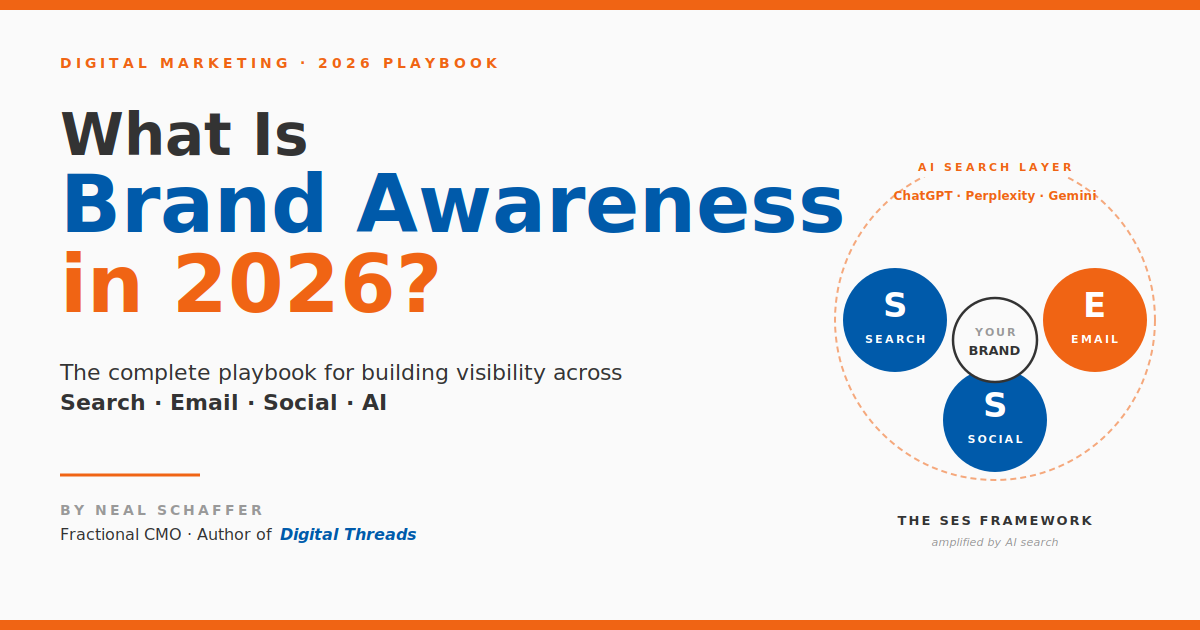
rewrite this title in spanish What Is Brand Awareness in 2026? A Digital Marketer’s Guide
rewrite A few times over the past year, prospective clients reached out about Fractional CMO work or personal branding consulting and told me upfront how they found me. Not Google. Not LinkedIn. Not a podcast recommendation. ChatGPT had named me when they asked for someone in my space. That caught my attention. I’ve spent two decades building visibility on traditional search engines and social media. But here was a new gatekeeper, one I hadn’t intentionally optimized for, deciding I belonged on a shortlist of people worth talking to. And the conversion quality was striking. Inquiries that came from AI recommendations tended to arrive already convinced. They’d done their research inside the chat, weighed the options, and picked up the phone. That opened my eyes to a new definition of what brand really means in the post-generative AI era. It’s no longer just what your customers remember about you. It’s what the machines summarizing the internet remember about you, and then pass along to your future customers without you ever knowing it happened. Brand awareness used to be a soft metric. The kind that lived on a slide in the awareness layer of the funnel, got measured in surveys once a year, and stayed out of the conversation when CFOs asked about ROI. That era is over. In 2026, brand awareness is the difference between being part of the conversation and being invisible in it, and the conversation is happening across Google, ChatGPT, Perplexity, Gemini, Claude, LinkedIn feeds, email inboxes, and Spotify playlists all at once. I’ve spent the last decade helping companies show up in those conversations, both as a Fractional CMO and as the author of Digital Threads, where I lay out the SES Framework (Search, Email, Social) that runs through this guide. This is the playbook I use with clients who need to be found, remembered, and recommended in a fragmented digital landscape, whether the recommender is a human, a search engine, or a large language model. Key Takeaways ✅ Brand awareness is the share of your target audience that recognizes and remembers your brand. It splits into brand recognition (cued recall, like spotting your logo) and brand recall (unaided recall, naming your brand when prompted by a category). ✅ Trust now sits alongside price and quality as a purchase driver. Edelman’s 2025 Trust Barometer Special Report on Brand Trust found that 80% of people now trust the brands they use, and trust has become a strategic battleground for competitive advantage. ✅ Build awareness across the SES Framework, not just one channel. Search makes you discoverable for years, email keeps you in the inbox of people who already know you, and social media spreads your voice through algorithms and advocates. ✅ AI search has rewritten the rules of brand visibility. AirOps research analyzing over 21,000 brand mentions found that 85% of brand mentions in AI responses come from third-party sources rather than the brand’s own website, which means earned media and review platforms now drive AI citations. ✅ B2B brand awareness has become the top business priority. LinkedIn’s 2025 B2B Marketing Benchmark with Ipsos found that 42% of senior B2B marketers rank increasing brand awareness and reputation among decision-makers as their single most important goal for the year. ✅ Measurement still matters, but the metrics have changed. Branded search, direct traffic, share of voice, AI citation rate, and third-party mentions tell you more than impressions or likes ever did. What Is Brand Awareness? Brand awareness is the extent to which your target audience can recognize and recall your brand when they encounter it or when they think about the category you serve. It has two distinct components, recognition (knowing your brand when shown) and recall (naming your brand when prompted by a need), both shaping whether a buyer ever considers you. Most people use “brand awareness” as a catch-all, but those two components behave very differently in practice. Recognition is what happens when a buyer sees your logo on a sponsored post and thinks, “oh, I’ve heard of them.” Recall is what happens when that same buyer needs a CRM and types “best CRM for small business” into ChatGPT without your name in mind, then either sees your brand named or doesn’t. The brands that win consistently are the ones that build recall, not just recognition. Recall is harder, slower, and worth far more. Why Has Brand Awareness Become More Critical in 2026? Brand awareness has become more critical in 2026 because the discovery layer has fragmented. Buyers now research across Google, ChatGPT, Perplexity, Gemini, LinkedIn, YouTube, and TikTok, and AI systems summarize options before the buyer ever clicks a link. If your brand isn’t named in those summaries, you’re not on the shortlist. Gartner forecasted in early 2024 that traditional search engine volume would drop 25% by 2026, with search marketing losing share to AI chatbots and virtual agents. Whether that exact number has already landed is up for debate, but the directional shift is undeniable. Branded queries are increasingly happening inside ChatGPT and Perplexity, and the brands that show up in those answers are pulling ahead of the ones that don’t. This shift is showing up in budget priorities. The LinkedIn study cited in Key Takeaways found that 94% of B2B marketers now agree trust is the most important factor in B2B success, and a plurality of senior marketers are putting brand reputation ahead of demand generation as their primary objective. That’s a meaningful inversion of the last decade’s “always be converting” mindset. It’s also showing up in how content marketing performs. According to the Content Marketing Institute’s 15th annual B2B benchmarks, 87% of B2B marketers report that content marketing helped them create brand awareness in the past 12 months, making it the single most-cited outcome of their content investment, ahead of demand generation, lead nurturing, and sales. And then there’s the AI piece, which I’ll come back to in its own section. Short version: the brands that show up inside AI answers tend to share three traits. They have strong third-party citation footprints, they publish original data, and they reinforce a consistent entity across the web. What’s the Difference Between Brand Awareness, Brand Recognition, and Brand Recall? Brand awareness is the umbrella term that covers both recognition and recall. Recognition is aided awareness, where a buyer identifies your brand when shown a logo, ad, or name in a list. Recall is unaided awareness, where a buyer names your brand from memory when prompted by a category or need. Recall is harder and more commercially valuable. Is Your LinkedIn Not Delivering Results? Just released: my new book to help professionals, entrepreneurs, and business owners maximize LinkedIn for real growth.With years of LinkedIn expertise, Maximizing LinkedIn for Business Growth offers actionable steps to build your brand, expand your network, and drive results. Start leveraging LinkedIn like never before—grab your copy now! Click the cover or button below to buy on Amazon. Here’s a side-by-side breakdown so the terminology lines up: TermWhat It MeansHow It’s MeasuredWhy It MattersBrand AwarenessTotal share of your audience that knows your brand existsAided + unaided recall surveys, share of voice, branded search volumeThe umbrella metric for top-of-funnel visibilityBrand RecognitionBuyers identify your brand when shown a cue (logo, ad, name)Aided recall surveys, ad recall studiesIndicates visual identity strength and ad effectivenessBrand RecallBuyers name your brand from memory when given a category promptUnaided recall surveys, top-of-mind awareness scoresPredicts inclusion in the consideration set during buying decisionsShare of VoiceYour brand’s portion of total conversation in your categoryMention volume, search share, social listeningTracks competitive visibility against direct rivalsBrand SalienceHow easily and how often your brand comes to mind in buying situationsCategory-cued recall, mental availability researchLinks awareness directly to purchase behavior Recognition is what happens when a buyer sees your logo and thinks “I’ve heard of them.” Recall is what happens when a buyer needs a CRM and asks ChatGPT without your name in mind. Both are brand awareness. Only one predicts purchase. If you want to go deeper on the share-of-voice piece, I’ve broken down how it compares to share of market in a separate explainer on share of voice versus share of market, because the two get confused constantly in client conversations. How Does Brand Awareness Fit Into the Marketing Funnel? Brand awareness sits at the top of the marketing funnel, where buyers move from “don’t know you exist” to “have heard of you.” It’s the prerequisite for every later stage. A buyer can’t consider you, prefer you, or purchase from you if they’ve never encountered your name. Awareness is the door, not the room. That’s the textbook version. The reality in 2026 is messier. Buyer journeys loop and circle back. A widely-cited 2020 FocusVision study reported by MarTech found the average B2B buyer consumes 13 pieces of content before making a vendor decision, split roughly eight vendor-created and five third-party. That number is from before the AI search era and is almost certainly higher today across more fragmented channels. People discover you on TikTok, forget you for three months, see your name in a Perplexity answer, then sign up for your newsletter from a podcast mention. Awareness happens in fragments, across channels, over time. The textbook funnel still gets drawn on slides, but the 2026 reality is a buyer who finds you on TikTok, forgets for three months, then bumps into your name in a Perplexity answer before signing up for your newsletter. Awareness happens in fragments. What hasn’t changed is the principle. If the goal is purchase, you need awareness first. If the goal is loyalty, you need awareness sustained. If the goal is advocacy, you need awareness that’s emotionally resonant enough for people to want to talk about it. The SES Framework from Digital Threads breaks brand awareness into three channels. Search makes you discoverable for years. Email keeps you in inboxes that already know you. Social spreads your voice through algorithms and advocates. How Do You Build Brand Awareness Through Search? Building brand awareness through search means publishing discoverable, evergreen content that answers the questions your target audience is already typing into Google, YouTube, Amazon, and increasingly into ChatGPT and Perplexity. Search is the first “S” in my SES Framework because content indexed in a search engine works for years, while a social post fades in hours. The most reliable awareness compound I’ve seen with clients is a blog backed by a clear keyword strategy. Not random thought leadership. Not “what’s on my mind today” posts. Content built around questions that have real search demand and that match the buyer’s stage. That requires real keyword research, the kind I describe in my SEO strategy resource, and patience to wait six to twelve months for the compounding effect to kick in as you build the library of content I describe in detail in Digital Threads. Three search tactics consistently move the awareness needle: Long-form evergreen content answering specific buyer questions, supported by topical clusters that build authority around a theme. Authority signals through earned backlinks and citations. The mechanics of why backlinks matter for SEO is its own rabbit hole worth understanding. YouTube and podcast presence because both platforms function as search engines with multi-year content shelf life, and Google now surfaces video and audio prominently in mixed-media results. Search rewards maintenance more than volume, which is why the content still bringing me clients today is the content I went back and refreshed periodically. How Do You Build Brand Awareness Through Email? Building brand awareness through email means showing up in inboxes consistently enough that your name becomes familiar, not just transactionally useful. Email is the “E” in SES because once a subscriber opts in, you have permission to keep reinforcing your brand with every send, even when most of those sends go unopened. The subject line alone is a brand impression. I’ve worked with clients who treated email as a conversion channel only, sending exclusively when they had something to sell. The result was unsubscribes, predictably. The clients who treated email as a relationship channel, sending a weekly or biweekly newsletter with genuine value, saw their open rates climb and their direct-traffic-from-email numbers compound over a year or two. A few things that matter for awareness specifically, separate from conversion: A recognizable sender name and subject line voice so subscribers know it’s you before they open. Having a defined brand voice pays off across every send. Consistency over frequency. A predictable weekly newsletter outperforms sporadic blasts every time. Subscribers learn to expect you. Forwardable, citable content. When a subscriber forwards your email to a colleague, that’s earned awareness with zero acquisition cost. Write at least one section per send with that in mind. Building brand awareness through social media means creating content that the platform’s algorithm wants to show to people who don’t follow you yet, while keeping the people who already follow you engaged. Social is the second “S” in SES, and it’s the channel where awareness can compound fastest, but also where it disappears fastest if you stop showing up. The 2025 Sprout Social Index reported that social media has become the number one source consumers use to keep up with trends and culture, ranking ahead of TV, family and friends, and every other digital channel. That’s a meaningful shift. It means social isn’t just a marketing channel, it’s a discovery layer that competes with traditional media for attention. As Scott Morris, Chief Marketing Officer at Sprout Social, put it when announcing the findings: “Consumer demands grow increasingly sophisticated with each year, and this year is no different. The 2025 Index report illustrates how consumers expect meaningful engagement and cultural relevance on social media that goes beyond trend-chasing.” That’s the bar in 2026. Posting consistently isn’t enough. Posting with cultural fluency and authenticity is what builds brand recall. A few principles that hold across platforms: Pick two or three platforms where your audience actually spends time, and go deep. Spreading thin across six channels is a recipe for inconsistent presence and inconsistent awareness. I’ve watched too many clients try to be everywhere and end up nowhere. Build a consistent visual and verbal identity. Adobe Express is the design tool I personally use for this, because the template system and brand kit feature make it realistic to keep visual identity consistent across hundreds of posts a year (full disclosure, I’m an Adobe Express Brand Ambassador, so I’m biased, but I’ve been recommending it for the same reasons since before that relationship existed). Bring in other voices. Influencer partnerships, especially with micro-influencers who have tight community trust, extend your awareness into audiences your own accounts can’t reach organically. Treat customer care on social as awareness work. Public replies are seen by future customers, not just the person you’re replying to. Every well-handled support exchange is a brand impression for an audience. If you’re trying to think holistically about how these pieces fit together, I’ve written more on building a coordinated social media strategy that aligns the awareness, engagement, and conversion layers. How Do You Build Brand Awareness Inside AI Search and ChatGPT? Building brand awareness inside AI search means earning citations and mentions from the third-party sources that AI models trust most, because AI systems synthesize answers by retrieving from external sources rather than generating from scratch. The discipline is called Generative Engine Optimization (GEO) or Answer Engine Optimization (AEO), and it’s reshaping what brand awareness even means. The AirOps research mentioned in Key Takeaways is the clearest signal I’ve seen. When an AI tool names your brand in a top-of-funnel commercial query, that mention is six and a half times more likely to come from a third-party source than from your own website. Which means the old SEO playbook of “rank our pages first” only partially translates. You also need to be cited on the sites the AI is reading. AI search has rewired brand awareness. Your own website does roughly 15% of the work. The other 85% lives on review platforms like G2 and Clutch, Wikipedia entries, Reddit threads, podcast transcripts, and news coverage you don’t control. Earned media is the new SEO. Here’s the practical implication for a brand awareness strategy: Get into review sites and aggregators. G2, Capterra, Trustpilot, and category-specific roundups disproportionately shape what AI models say about your category. Pursue earned media coverage. A placement on a publication the AI considers authoritative is worth more in 2026 than ten guest posts on low-authority blogs. Publish original research and statistics. Content with cited statistics earns more AI mentions than opinion pieces. This is one reason I keep my annual social media marketing statistics roundup up to date on my own site. Reinforce entity consistency. Use the same name, the same role descriptions, and the same key facts about your brand across every site that mentions you. AI models penalize ambiguity. There’s also a measurement layer to this. HubSpot’s AEO product, launched in early 2026, tracks brand visibility scores and share of voice across ChatGPT, Gemini, and Perplexity, and HubSpot reported on their own results that AEO became one of their fastest-growing lead sources with leads converting at three times the rate of traditional search. The tooling is maturing fast, and the brands that start measuring AI visibility now will have a year-plus head start on those who wait. How Do You Measure Brand Awareness? Measuring brand awareness in 2026 requires a mix of legacy metrics (branded search, direct traffic, social mentions) and emerging ones (AI citation rate, share of voice across LLMs, third-party mention quality). No single number tells the full story, which is why most marketers track a portfolio of signals and look for direction over time rather than precision in any given month. Here’s the measurement portfolio I recommend to clients, organized by what each metric actually tells you: Brand awareness measurement has evolved in three layers. The foundations (branded search, direct traffic) still matter. The competitive layer (share of voice, brand recall) tells you where you stand against rivals. The emerging layer (AI citation rate, third-party mention volume) is what 2026 added to the stack, and it’s where the next year of category leadership will be decided. MetricWhat It TracksWhere to Find ItBranded search volumeHow often people type your brand name into GoogleGoogle Search Console, Google TrendsDirect trafficVisitors typing your URL directly or using a bookmarkGoogle Analytics 4Share of voiceYour portion of category conversation across earned mediaSocial listening tools, Mention, Brand24Aided and unaided brand recallSurvey-based memory of your brand in your categoryQuarterly brand tracker surveysSocial mentions volume and sentimentHow often and how favorably people talk about youNative platform analytics, Sprout Social, BrandwatchAI citation rateHow often your brand appears in AI-generated responsesProfound, Otterly.AI, Semrush AI ToolkitThird-party mention volumeCoverage on review sites, news sites, podcastsManual tracking + tools like Ahrefs Brand RadarReferral traffic from earned mediaVisitors arriving from publications, podcasts, and partnersGoogle Analytics 4 The mistake I see most often is over-weighting impressions and likes, which feel measurable but barely correlate with anything that matters. A million Instagram impressions on a video nobody remembers is a worse business outcome than 50,000 impressions on a post that drives 500 newsletter signups and a podcast download spike. What Most Brand Awareness Guides Get Wrong Most brand awareness guides treat it as a top-of-funnel activity disconnected from revenue, which leads to vanity-metric thinking and budget cuts the moment a CFO asks ROI questions. The reframe I work from: awareness is a leading indicator of every conversion metric you care about, but only when it’s measured against the segment of the audience you can actually sell to. A few specific things guides routinely miss: Confusing reach with awareness. Reach is exposure. Awareness is memory. They’re not the same, and the difference is the gap between “they saw it” and “they remember it.” Memory takes repetition. Treating awareness as a one-time campaign. Awareness decays. Without sustained reinforcement, the brands you built recognition for last year fade out of consideration sets this year. Plan for ongoing investment, not a launch sprint. Skipping the entity layer. Especially with AI search now in the picture, brands that show up consistently across the web (with the same name, same description, same fact pattern) get cited far more than brands that drift in their positioning. Picking the wrong tactics for the funnel stage. Influencer awareness campaigns make sense at the top of the funnel. Retargeting ads for “brand awareness” mostly waste money because the audience already knows you exist. The other miss I see constantly, even from experienced marketers, is treating brand awareness as separate from content strategy. They’re the same thing. Every blog post, video, newsletter, and social asset is a brand awareness vehicle if it’s published consistently in your voice. For more on that integration, my post on what content marketing actually is lays out how content ties to brand building. And the financial case has gotten harder to ignore. Kantar BrandZ has tracked the world’s biggest brands for two decades, and the companies sitting at the top of its value rankings have historically delivered higher shareholder returns than the broad market, even across rough years. Brand investment isn’t a cost. It’s a balance sheet asset that compounds. Brand Awareness FAQ What’s a realistic timeline for seeing brand awareness improve? Realistic timelines depend on your starting point and channel mix, but in my consulting work I tell clients to expect three to six months of consistent effort before they see meaningful lift in branded search and direct traffic, and twelve to eighteen months before they see compound effects across multiple channels. Awareness doesn’t lift overnight. It accrues. How much should I budget for brand awareness versus performance marketing? There’s no universal split, but Les Binet and Peter Field’s “The Long and the Short of It” research for the IPA, based on nearly 1,000 effectiveness case studies, found that a roughly 60/40 brand-to-activation allocation produces the strongest long-term growth in most consumer categories, with the brand portion higher for newer or less-known companies. The mistake is going 100% performance and wondering why CAC keeps climbing. You can’t convert someone who’s never heard of you. Is brand awareness measurable, or is it inherently fuzzy? It’s measurable, but not with a single number. You measure it through a portfolio of signals (branded search, direct traffic, share of voice, AI citation rate, survey-based recall) and you watch the trendline. Anyone selling you a “brand awareness score” as a single metric is oversimplifying, but the inputs that feed that score are absolutely trackable. Does brand awareness still matter if I’m primarily selling through paid ads? Yes, and probably more than you think. Branded queries convert at significantly higher rates than unbranded queries, and ad creative tested with audiences who already recognize the brand consistently outperforms creative shown to cold audiences. Paid ads work better when the brand is already known. That’s why category leaders can afford lower CACs than their challengers. How is brand awareness different from brand identity? Brand identity is the set of visual, verbal, and emotional cues you control (your logo, voice, story, design system, values). Brand awareness is the share of your audience that recognizes those cues. Identity is what you create. Awareness is what gets retained. The two work together, but they’re distinct, and conflating them is one reason a lot of brand strategy work goes sideways. I’ve written more on the brand storytelling side of identity if you want to go deeper there. Start Building Brand Awareness That Compounds Brand awareness in 2026 is not a quarterly campaign. It’s an ongoing system across search, email, social, and AI answer engines, all reinforcing the same entity for the same audience. The brands that win show up consistently, publish content worth citing, and measure progress against signals that predict revenue rather than vanity metrics. If you’re trying to ground your brand awareness strategy in current data, the latest content marketing statistics are a useful place to start, because content marketing is doing more of the awareness-building work in 2026 than any other tactic. And if you’d like hands-on help building a coordinated awareness strategy across your full digital footprint, download a free preview of Digital Threads for the full SES Framework, or get in touch about Fractional CMO services if you want me involved directly. The discovery layer keeps changing. The discipline of showing up where your buyers are doesn’t. Actionable advice for your digital / content / influencer / social media marketing. Join 13,000+ smart professionals who subscribe to my regular updates. in spanish

rewrite this title in spanish The Complete Guide to Writing Content That Ranks
rewrite SEO writing has evolved far beyond sprinkling keywords into blog posts. In today’s search-driven world, great SEO writing means creating content that search engines—and large language models like ChatGPT—can understand and that people actually want to read. Whether you’re a small business owner trying to compete with bigger brands or a marketer looking to increase organic traffic, mastering SEO writing is essential. In this guide, I’ll share not just the basics of SEO writing but also the strategies I’ve used with clients to help them attract the right audience, build authority, and turn website visitors into customers. What is SEO Writing? Before diving into the tactics to boost search engine optimization, it’s important to understand exactly what SEO writing means. This section will give you a simple definition and explain how search engine optimized writing blends search optimization with audience-focused content creation. SEO writing is any writing designed to capture the attention of search engines to promote increased reach and high ranking on search engine result pages (SERPs). SEO writing targets search rankings directly. Although search engine appeal can seem difficult to understand, search engines typically focus on two things: keyword optimization and high-quality, people-first writing. To rank highly in search results, from Google search to Bing, focus your attention on incorporating keywords that will show up in search terms and creating high-quality content. Search engines are not people. Although people can appreciate a high-quality piece of content without a series of keywords embedded within, a search engine relies upon keywords to understand and subsequently promote your content. Generic content writing does not incorporate keywords, while search engine optimization content creation does. Why SEO Writing Matters for Your Business Source SEO writing isn’t just about ranking higher on Google. It truly is about building trust and driving results. Here, you’ll see why investing in SEO writing pays off in visibility, authority, and long-term business growth. SEO writing impacts… Visibility. Ranking high in search results means bringing in consistent organic traffic. SEO content writing is one of the best ways to increase visibility. Authority. Authority is vital for content writers, as it builds trust with your audience and impacts ranking factors. Good search engine optimization content ultimately builds brand credibility. Conversions. SEO writing attracts people with intent which, in turn, leads to more leads and higher sales. Long-term ROI. SEO writing continues delivering results long after a single campaign has run, unlike paid ads. Web content can be evergreen and continually refer back using internal links, making its long-term ROI very real. SEO writing matters for your business, because search engine results can drive or undermine your organic traffic. The Fundamentals of SEO Writing The basics of SEO writing form the foundation for everything else. By mastering keywords, structure, readability, and on-page optimization, you set your content up for search success. Keyword Research Basics Source Head terms and long-tail keywords can be easy to confuse; both are vital within content for users to effectively find your work. Head terms are broader, larger-reaching terms, while long-tail keywords are more specific and niche-focused. A combination of free and paid tools is considered ideal. Free tools can help with design, keyword research, and even optimization, while paid tools can further improve your scores on platforms like Google Search Console. Keyword selection can be arrived at through research alone, but make sure that research includes user intent; business goals are important, but user intent will effectively inform how you phrase your keywords and improve search engine results. Headings and Structure Headings are a vital part of both search engine results and structure, as they effectively get across content ideas while informing search engines about the content of a page and the audience most likely to benefit from it. H1 tags are the most important tags, while H2 show less important (but still valuable) ideas, and H3 tags rank lowest of all. All are a part of creating SEO-friendly content to help search engines organize your content, while improving the scannable nature of your content. In an ideal world, your search traffic would focus whole-heartedly on your work, but audience attention spans and the vast amount of competition make it necessary to create content that can quickly and easily be scanned for information. Headings create a structure that makes scanning easy and straightforward. Further Reading: The Real Role of SEO Keywords in Driving Business Growth On-Page Essentials Meta titles and descriptions are used to point search engines to relevant content. A meta title is a title used to quickly and effectively describe a piece of content, while descriptions offer a space to include more keywords to give greater detail about a page or post. Alt text is another place for your keywords to improve keyword density and help boost your place in search. When alt text is used properly and includes relevant keywords, an image search can also help bring your work up in SERPs. Finally, make the most of your content by utilizing both internal and external linking strategies. Internal links can help build trust and perpetuate traffic, while external linking can help establish authority. Is Your LinkedIn Not Delivering Results? Just released: my new book to help professionals, entrepreneurs, and business owners maximize LinkedIn for real growth.With years of LinkedIn expertise, Maximizing LinkedIn for Business Growth offers actionable steps to build your brand, expand your network, and drive results. Start leveraging LinkedIn like never before—grab your copy now! Click the cover or button below to buy on Amazon. Further Reading: On-Page SEO: How to Best Optimize the 4 Main Factors to Increase Search Engine Rankings Readability and Flow Readability is also important for ranking highly in search results. Short paragraphs and concise sentences get your point across without sacrificing white space and readability. Active voice will always grab and hold attention more than passive. Passive voice is distant and cold, while active voice provides clarity and a more direct line to your audience. Jargon, too, alienates your audience, and should be avoided when possible. Writing for Search Intent and Humans Search engines may deliver the traffic, but humans decide whether to stay and engage. This section will help you align your content with different types of search intent while keeping it reader-friendly. The most common types of content include informational, navigational, transactional, and commercial intent. Intent matters because… Informational intent delivers information to audiences, and can include how-tos and narratives. Navigational intent includes content focused on delivering a specific page or area. This includes searches for local places, or even specific pages. Transactional intent is intent focused on making a purchase. Search engine optimization efforts for transactional intent will likely include reviews and comparisons. Commercial intent describes intent circling around identifying a specific product or service, or those that are beginning the purchasing process. Mapping blog posts to user intent means tailoring your keywords to match the spirit of search results if not the letter of those results. To map your blog posts, identify the type of intent present behind a search query, and place keywords within the post to match that intent. SEO writing does need to rank, but value is pivotal. Make sure that your SEO pieces are designed to both rank and solve common audience problems. Advanced SEO Writing Strategies Source Once you’ve nailed the fundamentals, it’s time to level up. These advanced techniques—like optimizing for snippets, FAQs, and semantic keywords—can give your content a competitive edge. Once you have a grasp on the basics, you can begin optimizing in more advanced and complicated avenues. Featured snippets and “people also ask” are two great ways to optimize content to show up in search results. Optimizing for these areas requires paying attention to search intent and meeting additional needs. Historical optimization is another great way to level up your optimization. Old content can be refreshed to rank highly by updating keywords and reviewing search intent. FAQs and schema markup can also be used to improve keyword density and show up in Google search results and other search pages. Identify other questions that can be answered and other problems that can be solved and include those in your content. Once a solid keyword strategy is in place, and you have a grasp of search algorithms and how to support organic search traffic, you can move on to incorporating latent semantic indexing keywords, or keywords that support the main keyword without merely providing a synonym. Think keywords like “organic traffic” and “research tools” for a main topic of “SEO content.” Content length and depth are also considerations to take into account. The length of your work and the depth it stretches to can inform search engines, as well. Rather than trying to always hit a certain word count, opt for high quality content–even if it means going over or under the “right” length. Further Reading: Mastering Organic SEO: Proven Strategies and Advanced Tips for Success The Future of SEO Writing in the Age of AI With AI summaries and algorithm updates changing how search works, SEO writing is evolving fast. Future-proof your content by focusing on human expertise and unique insights. As a quick Google search can attest, Google released an impactful Helpful Content Update to their search algorithms, which happened at around the same time AI overviews were introduced to search results. These overviews pull from multiple sources to answer questions, and inclusion in those answers can help increase exposure. Human expertise and credibility will provide a unique perspective that AI alone cannot offer. Infuse your content with humanity, and you will get a leg up on content that has been developed entirely with AI. AI-proof content includes content that uses stories, insights, and personal examples to humanize your work and connect with your audience. Further Reading: AI for SEO: 17 Actionable Tips to Rank Higher Common SEO Writing Mistakes to Avoid Source Even experienced writers fall into traps that can hurt rankings. I have identified the most common SEO writing mistakes and how to steer clear of them. They include: Keyword stuffing. Keyword density is important, but a high volume of keywords can actually detract from your rankings. Writing for algorithms instead of readers. Your audience should be your focal point. While algorithms matter, they change too often to make them your sole focus. Ignoring meta descriptions. Meta descriptions matter! Make the most of your meta descriptions by including your main keyword and identifying the purpose of the page in question. Forgetting CTAs and conversions. Calls to action and focused conversions will help drive your content and keep your audience engaged. Relying entirely on AI-generated content. AI content can be a useful jumping-off point, but should not be used to replace actual human writers. Whether you use AI for outlines, or as a basic framework within which to work, make sure that it is not the bulk of your work. Practical SEO Writing Checklist Source Sometimes you just need a quick guide to make sure nothing gets missed. Use this checklist to help you review your content before hitting publish to confirm it’s SEO-ready. Write one H1 with the target keyword. Your H1 is essentially your title and should be the main focus of any given piece. Use primary keywords in your intro and conclusion. Your intro and conclusion should introduce your point or purpose and wrap it up using your main keyword to provide structure and inform search. Place secondary keywords in H2/H3s. Secondary keywords act as a support for your main keyword, just as paragraphs act as a support for your overall piece of content. Optimize meta tags, alt text, and URLs. Optimizing these smaller aspects of your work ensures that Google and other search platforms can quickly and easily find you, categorize your work, and share it with your target audience. Add at least 2–3 internal links and 1–2 external links. Links help establish authority and build trust, so make sure to include them in your pieces. Ensure mobile readability and fast load speed. A vast number of your audience members will be searching on their phones. Make sure that your pages show up well on mobile. End with a strong CTA. Finally, give your audience something to do at the end of reading or visiting your site. A strong call to action encourages engagement and makes it more likely that your audience will complete a sale or come back for more. The right tools can save time and sharpen your SEO writing. From free keyword research resources to advanced optimization platforms, these are worth knowing about. Free tools: Google Trends, Search Console, AnswerThePublic. These can be used without an upfront investment and can help inform your SEO practices. Paid tools: SEMrush, Ahrefs, Clearscope, Surfer SEO. Each of these tools can help take your optimization one step further, with insights regarding length, peripheral keywords, and more. Writing helpers: Grammarly, Hemingway, Yoast. Each of these tools can help refine your writing and improve the flow of your work. Further Reading: The 16 Best Free SEO Tools You Need to Know in 2025 How Smart SEO Writing Grows Your Business SEO writing is not just a checklist—it’s a long-term strategy that can make your website your most powerful marketing asset. By focusing on user intent, optimizing your content for search engines, and layering in your expertise, you can consistently attract the right audience, establish authority, and drive real business results. If you commit to SEO writing as a core part of your content marketing strategy, you’ll find that it doesn’t just improve rankings—it transforms your website into a lead-generating machine. How are you getting started today? Actionable advice for your digital / content / influencer / social media marketing. Join 13,000+ smart professionals who subscribe to my regular updates. in spanish

rewrite this title in spanish The ultimate Instagram Reels cover guide (+ free templates)
rewrite Want to create an Instagram Reels cover that really pops? We’ve got you *covered.* (Get it?) Crafting the perfect cover for your Reel video is essential to draw viewers in and keep them engaged with your content. Not only will a great cover design help your content stand out, but it will also give your followers an idea of what to expect from your videos. The best part? You don’t need to be a professional designer to create an amazing Instagram Reels cover. Let’s explore how to change your Instagram Reel covers, some templates to get you started, and how to make sure your covers look great on your feed. Get your free pack of 5 customizable Instagram Reel Cover templates now. Save time, get more clicks, and look professional while promoting your brand in style. What are Instagram Reels covers? Instagram Reels covers are still images that appear as thumbnails of your Instagram Reels video. Choosing a compelling Instagram Reels cover can help boost views and make your page more visually appealing. Here’s an example from soda brand Poppi. The brand recently launched a new flavor and have created Instagram Reels covers to match the new flavor’s color scheme, helping pull its page into a cohesive design while simultaneously grabbing attention and promoting its new product. You can choose an Instagram Reels cover from your video footage or upload a graphic or still image to set as the video thumbnail. 5 free Instagram Reels cover templates One great way to make your brand’s Instagram Reels recognizable and appealing to your audience is to use a set of Instagram templates for each video cover. By using a similar design for each Reel, you’re able to create a cohesive feed and help your content stand out. Check out these five completely free Instagram Reels cover templates to help you get started. How to add an Instagram Reels cover To help your Instagram Reels fit better in your feed, you’ll want to add an Instagram Reels cover as you create and publish your video. Follow along with this step-by-step guide to add the perfect cover for your video. Step 1: Create your Instagram Reel video First, open up your Instagram app and tap the plus sign in the bottom middle of your screen to start creating a new post. Tap Reel from the four content types, then search for your video in your camera roll or select the camera option to start recording in-app. Once you’ve uploaded or recorded your video, tap Next to move onto the next step. Step 2: Make your in-app changes On the next screen, you’ll be able to make any in-app edits or changes, like cropping the video, adding audio, changing the speed, adding text or stickers, and more. Perfect your Instagram Reel and get it ready to publish. Then tap Next. Step 3: Click Edit cover The next screen is where you can add things like tags, hashtags, polls, location geotags, your caption, and more. It’s also where you can edit your Instagram Reels cover. At the bottom of your video thumbnail, tap Edit cover to pick a good cover photo or still for your video. Step 4: Select or upload your Instagram Reel cover You can scroll through your video sequence to find a perfect still from your footage by holding the window at the bottom of the screen and swiping it side to side until you find the perfect clip to use as your cover image. Or, you can tap Add from camera roll to upload a photo or graphic you made specifically to use as a cover photo. You can also tap the Aa icon in the corner of your thumbnail to add custom text atop your Instagram Reels cover. This can help you provide context on what viewers can expect to see in your videos as they scroll through your feed. Step 5: Adjust your grid view In this section, you can also tap the Profile grid tab to see what your cover image will look like in your Instagram grid. Tap and hold the cover image to drag it around until it fits exactly how you want it to look within your feed. Using this feature is helpful if you’re using a still from the video so you can easily adjust it so the most important parts of the image are front and center. Once you’ve adjusted it to look exactly how you want it to, tap Done. Step 6: Publish your Instagram Reel You’ll be taken back to the area where you can add your caption and other elements. Make sure you fully fill out all of the most important sections, then click Share to publish your Reel. #1 Instagram Reels scheduling Plan, manage, and schedule your Instagram Reels for maximum engagement and minimal effort. It’s so easy. Start free 30-day trial How to edit/change an Instagram Reels cover If you’ve previously published Instagram Reels videos without customizing your cover photo, you can always go back and update them with eye-catching Reel cover designs. Follow along with this tutorial to get started. Step 1: Open the Instagram Reel you want to add a cover to First things first, scroll through your Instagram feed to find any videos that need a custom or updated cover photo. Tap the video to open it to full size on your phone screen. Step 2: Edit the Instagram post Tap the three dots in the top right corner of your post to access your post settings. Tap Edit down towards the bottom of the options. Step 3: Click Cover You can edit multiple elements after you publish your Instagram Reel, including your caption, tags, and location. But you can also tap Cover on your video thumbnail to make changes here. Step 4: Select or upload your custom Instagram Reel cover You’ll be brought to the same interface as when you upload an Instagram Reel for the first time. You can either scroll through your video footage until you find a still you like, or tap Add from camera roll to upload a custom Instagram Reel thumbnail to your video. Step 5: Adjust your grid thumbnail Tap over to the Profile grid area to, again, drag or crop your thumbnail until it sits perfectly centered. You want all of the videos in your Reels tab to feel cohesive, so adjusting your cover photo is a step you don’t want to miss. Step 6: Update your video Finally, once you’ve finished making your changes, tap Done in the top right corner to save them. You can now head back to your Instagram profile to see your new Reels cover in action. How to create an Instagram Reels cover photo Help your Instagram Reels stand out on your feed by creating custom cover photos that grab attention and let viewers know what to expect from your content. This is especially useful if you’ve created a series or a multi-part video thread so someone who has viewed your content can easily find more of what they’re looking for. Plus, a good Reels cover can boost engagement and views by letting your audience know exactly what types of content you share. Let’s dig into our guide to designing Instagram Reels cover photos that will help you increase your views and engagement. 1. Take advantage of graphic design software Using a graphic design tool specifically designed to help small businesses create social media graphics can be a great hack for creating visually appealing Reels covers. Some easy-to-use tools to choose from include: Check out each one to see which tool best suits your needs, then get started designing. Keep in mind, though, that you can also use some of Instagram’s built-in editing tools to add text, stickers, or drawings to your video cover. 2. Start with a Reel cover template Next, it’s a good idea to start with a template for your first few cover photos, rather than designing from scratch. You can find tons of Canva templates you can seamlessly customize to fit your video content. Plus, starting with a template helps you make sure your cover photo is the right size. An Instagram Reels cover photo should be 1080 x 1920 pixels, or an aspect ratio of 9:16. Although your Instagram page will crop the cover photo to a portion of that, you still need to make sure it’s the full size. Just put the most important elements front and center — which a template can easily help you do. 3. Make it branded Add your brand fonts, colors, logo, patterns, and more to your Instagram Reels cover photos. This helps make sure your content is easily recognizable while also creating a cohesive look and feel on your Instagram feed. If you plan to use text in your cover photo, match it to your brand fonts. Add color elements with your brand colors or use photos with your branding in them as the basis for your design. 4. Showcase your Reel focus What is your Reel about? Make it clear in your design what your Reel’s focus is so your viewer immediately knows whether they’re interested in watching it or not. You can do this by: Using a still from your video that includes the video’s main elements Adding a text overlay with a title or description of your video Zooming in on an element from your video Incorporating shapes or other elements that draw attention to an image from your video 5. Incorporate into your content creation process Don’t push your cover design creation off to the wayside as a nearly-forgotten step in your Reel publication process. Instead, make your cover design a key step. This can help make sure all of your covers match in some way while also telling a story through your content. Plus, it can make sure they don’t look hastily thrown together, and instead feel like a solid part of your strategy. 5 tried-and-true Reels cover tips from the experts Get even more out of your Instagram Reel cover design with these five expert tips for creating cover photos that will make your audience want to click and watch your videos. 1. Design with clarity and intention “Your cover should immediately communicate what the viewer will get from your Reel,” says lifestyle expert Ciara Strickland of The New Mixx. “Whether it’s a tip, tutorial, transformation, or story. Use bold, easy-to-read text paired with a clean background or compelling image that visually supports the theme.” What she’s saying is this: make it immediately known what each of your videos is about. Especially as users scroll through your feed to see your content, you don’t want to leave them guessing what you post about. (Or force them to watch your videos to find out for themselves — because believe us, they won’t.) In her content, Strickland talks mostly about clothing, as her main focus is on ungendering clothing norms and helping people find affordable style. So it makes sense that she would simply use high-quality, stunning images of her outfits as her Reels covers: 2. Consider the crop When choosing your Reels cover photo, you can move it around to make sure the most important parts are showing. This is what we mean when we say “consider the crop.” Even though your video and your cover photo need to be 1080 x 1920 pixels in size, your feed only shows a 4:5 section of that cover. So you need to make sure you highlight the most important part of your cover photo in that central area. This is Sam Speller, Founder of Kenko Tea’s big tip: “My number one rule when designing a stand-out Instagram Reels cover is to optimize for a thumbnail view with your big elements in the middle and bold.” Instagram crops Reels covers in various ways depending on whether they appear in the feed, in your profile grid, or on the Explore page, so a cover that looks perfect in one place may get cut off somewhere else. Speller shares, “We found this out the hard way when our first Reels cover — with copy in the top third — wasn’t even shown at all in profile view. Now we try to make all covers have a strong focal point — something like our best-selling matcha tin or a colorful green smoothie bowl, surrounded by a clean amount of negative space.” You can see what Speller means when you take a look at Kenko Tea’s Instagram page: Make sure you’re considering how your video cover could be cropped so that, no matter what, your main content sits perfectly framed in the center. 3. Use fonts strategically “Text placement is crucial,” Jasmine Charbonier of YourTampaBestie tells us. The travel influencer explains that where you put your text and the style of font you use can both have a major impact on reach and engagement. People scroll quickly, so your copy needs to grab them immediately. Charbonier says, “Through tons of testing, I discovered that putting the main text in the center top third of the cover works best. I try to keep text super short — 3-4 words max. Any more than that, and engagement drops off.” We can see that Charbonier practices what she preaches in her own Instagram Reel covers: Notice how she also only uses bold, sans-serif fonts in her copy. Charbonier explains, “I made the mistake early on of using fancy fonts that looked great but were hard to read. Now I stick to clean, bold sans-serif fonts.” She continues, “My go-to is Helvetica — basic but it works. The text has to be instantly readable while someone’s thumb is flying up their feed.” 4. Keep it simple Ah, the age-old rule of “KISS.” Keep it simple, stupid (or, if you prefer to be a bit nicer, keep it simple, sweetie)! Katie Breaker, Sales Director at Birdieball, explains to us, “When it comes to Instagram Reels covers, simplicity is your best friend. You only have a couple of seconds to grab someone’s attention, so the cover should be easy to understand at a glance.” Don’t bother adding in a million stickers, text overlays, drawing, elements, etc. Simplicity is what helps your audience understand what your content is about. Breaker says, “At BirdieBall, we’ve learned that using a clear, high-quality image that highlights the product or action works best. Think of it like a snapshot of what’s coming next in the video. For us, that often means showing the training aid in use or a golfer in the middle of a swing.” Other tips Breaker shares about her team’s Instagram Reel covers include: Keep the text really simple. Something like “Perfect Your Swing” works really well. It’s clear, direct, and gives people just enough of a reason to click and watch. Don’t overdo it with too many words. The idea is to make someone curious about what happens next and want to dive into the video. Make sure your style is consistent across all your Reels covers. That way, your followers recognize your content when they scroll. They start associating that style with your brand, and it helps increase engagement over time. You can take a look at Birdieball’s Instagram Reels covers below: 5. Create custom, branded covers Mimi Nguyen, Founder of Cafely, says one of her biggest tips is to create custom covers over using a random frame from your video. Nguyen explains, “I used to do that early on, and it never performed well. Now, I design custom covers in Canva or Photoshop that match our brand but still pop enough to stop the scroll. Great covers don’t just look good — they set expectations and boost click-through. A little extra design effort up front really pays off in engagement.” As you can see, their covers are simple, but beautiful and effective: Test out both options to see what works best for you, but keep in mind that most experts find success in using a high-quality image or graphic with extra design elements. Save time managing Instagram for business using Hootsuite. From a single dashboard, you can create, schedule and publish posts directly to Instagram, engage your audience, measure performance and run all your other social media profiles. Try it free today. in spanish
rewrite this title in spanish The Complete Guide to Influencer Marketing ROI
rewrite this content in spanish For many influencer marketers, calculating influencer marketing ROI begins and ends with revenue. But the true ROI of campaigns and the creators who support them goes way beyond the cash flow generated from discount codes and links. To get a full picture, brands need to take stock of ROI from the entire marketing journey and have a complete understanding of the metrics they can use to calculate it. Beyond influencer marketing ROI: Why return on investment means more than just sales. Every influencer marketer’s end goal is to generate revenue. Making money is the primary mission, after all. But it isn’t feasible to recruit a content creator, have them post about your product, and expect their audience to complete a purchase immediately. Sure, it might happen occasionally. But successful influencer marketers are builders. And they need authentic, brand-aligned content creators to help introduce, educate, and eventually establish communities of like-minded people who truly believe in a brand and its products. To accomplish this, marketers need to divvy up their creators’ responsibilities. Most experts agree it takes about eight touchpoints to make a sale. That means you must station creators at every stage of the customer journey to maximize your influencer marketing efforts. Only when each touchpoint is accounted for and your influencers are generating ROI at every stage of the customer journey can a consistent revenue stream really begin to flow. The awareness stage: Introduce your brand to new audiences and broaden your reach. The awareness stage is at the top of your marketing funnel, where your primary goal is to inform, attract, entertain, and spark interest. This stage is an introduction to your brand, not just your product. It’s also where you share your brand story, connect with your audience, and start building a community. Content to help generate awareness ROI In-feed posts Feed posts are always an excellent start when you first begin generating brand awareness, especially with new influencers. Once you determine the creator’s audience is interested in the branded posts, you can start expanding to more dynamic forms of content. Unboxing videos Unboxing content is a great way for creators and their audiences to learn about a brand and product together. This type of content gets a genuine reaction from the influencer in real-time and can even transition into a quick tutorial of the product’s features and capabilities. Contests/giveaways Contests and giveaways encourage social sharing, increasing your reach and getting your name in front of new audiences. Announcing a “free product” also helps you get the attention of new consumers and gives you a chance to convert them into regular customers if they like the product. Branded hashtags Be sure to include at least one branded hashtag that your creators can use for their followers to discover more information about you. This will also help users engage with you on social media and open up more opportunities to collect UGC from happy customers. The consideration stage: Stay front-of-mind with your audience and educate them on your product or service. The consideration stage is in the middle of your marketing funnel, where your primary goal is to provide information on why your audience should purchase your product and care about your brand. This stage is where you get the most attention from your audience and where you can address their questions and concerns. Types of content to help generate consideration ROI Product tutorials The best teachers are always the ones who know how to engage their students. Let your influencers educate their followers about your product in a way they know will resonate. By the end, their audience should understand everything the product has to offer and know it’s something that will add value to their lives. Blogs According to research by GE Capital Retail Bank, 81% of shoppers do online research before buying. Often, this research involves a Google search that leads to a blog about a product or a list of the top products in that particular niche. These write-ups help consumers learn more about your products and often compare them to your competitors. Live streams Setting up live streams at a specific time delivers a sense of urgency that fans might miss something if they don’t tune in. Live video also enables creators to answer questions in real-time and makes for more authentic content since there is no opportunity for multiple takes. The conversion stage: Time for your audience to take action. The conversion stage is at the bottom of your marketing funnel, where your primary goal is to get your audience to take the desired action. Sales fall into this section, but as we’ve mentioned, sales are not the end-all-be-all. Video testimonials Video testimonials often provide enough social proof to convince their audience to take action. By describing how much they enjoyed a product, how much it improved their life, or how much they learned from your newsletter or downloadable content, an influencer’s audience will be ready to test it out for themselves. Experiential collabs with influencers The best experiential marketing should engage as many senses as possible to leave a lasting impression on consumers. Collaborating on these events with your influencers provides your audience with an interactive experience that compels them to take action by helping them better understand your brand, products, and what you stand for as a company. Product offers and promotions Limited time offers and promotions add a scarcity element to your campaigns and give a little push in the right direction to consumers who might be teetering on the fence about buying your product. These promotions are also great for getting people talking about your brand and expanding your reach. The loyalty stage: Turn your customers into dedicated brand fans. You’ve now reached the retention funnel where building brand loyalty starts. Because your audience is now your customer, this stage should showcase the additional benefits of your brand and products. Types of content to generate loyalty ROI Loyalty programs Let your creators run loyalty programs and special offers for your (and their) best customers. Shoutouts and discounts from the brand are nice, but loyalty rewards mean even more coming from the creators your audience love. Surveys Surveys are always a good way to take the pulse of consumers. With influencers, live surveys can be an effective way to have a regular conversation with consumers, get their feedback, and answer any questions or concerns they may have. The advocacy stage: Your customers are now brand champions. This is the end of the journey. At this point, you and your creators have provided a consistently positive customer experience through your product and engagement opportunities. Types of content to help generate advocacy ROI Advocacy programs A customer advocacy program helps maintain relationships with customers with the social influence and brand love to promote your brand effectively among their peers. Be sure to include some benefits for joining the program, whether a free product, discounts, social media exposure, or some other kickback. Brand communities Encourage your influencers to establish brand communities with their audiences and your customers. These communities are the perfect place to share updates, educate your customers, and give a feeling of exclusivity to your biggest fans. How Do You Calculate Influencer Marketing KPIs? Depending upon the tools you have at your disposal, you can either calculate your influencer KPIs manually or use aggregator software. Manual Approach With a manual approach, you will want to monitor your influencer posts carefully. Most social media channels allow you to add up hashtags (which is why you might want to make liberal use of hashtags in your influencer campaigns). When monitoring your influencer posts, count the number of comments and post shares. You can use these numbers to find the engagement rate of each post. For sales KPIs, you can review the following formulas and use a pencil, paper, and calculator to establish campaign ROI. Cost of the Influencer / Number of Influencer Orders = Cost Per Order Revenue Per Order – Cost Per Order = Influencer Campaign Profit or Loss Or in the case of ad spending (repurposed influencer content): Cost of the Ad Set / Number of Orders = Cost Per Order Revenue Per Order – Cost Per Order = Ad Campaign Profit or Loss Here is a review of website metrics to help you manually calculate your KPIs: Total Number of Sessions or Users /…
¿Debería obtener la certificación de Facebook Blueprint? [2023 Guide]
Los cursos Meta Blueprint (anteriormente conocidos como Facebook Blueprint) pueden mejorar las habilidades de los anunciantes de Facebook. La certificación puede ser especialmente útil si es nuevo en la industria o está atrapado en un callejón sin salida.
Pero es posible que todavía te estés preguntando, ¿debería dar el paso? ¿O será una pelusa digital que consumirá mucho tiempo en mi currículum? Bueno, tenemos las respuestas en este post. Al final de este artículo, sabrá todo lo que necesita saber sobre cómo obtener la certificación Blueprint de Facebook y si es adecuado para usted. prima: Descargar una guía gratuita mostrándote cómo ahorrar tiempo y dinero en tus anuncios de Facebook. Descubra cómo llegar a los clientes adecuados, reducir el coste por clic y mucho más. ¿Qué es Meta Blueprint (Facebook)?
Meta Blueprint es un centro en línea que ofrece cursos de aprendizaje, programas de capacitación y certificaciones para mejorar sus habilidades en las plataformas de Meta.
Meta creó Blueprint para ayudar a los vendedores y dueños de negocios a aprovechar al máximo las plataformas de marketing de Meta. Si bien muchos cursos y programas de capacitación son gratuitos, las insignias de certificación de Meta Blueprint tienen un costo.
Meta Blueprint (también conocido por su antiguo nombre Facebook Blueprint) cuenta con un amplio y variado catálogo de cursos. Los temas incluyen áreas como grupos objetivo, estrategia, optimización, comercio y publicidad, entre otros.
El catálogo de Blueprint ofrece una variedad de cursos para principiantes y avanzados sobre los siguientes temas:
Pon tu negocio en línea
Estos cursos están diseñados para aquellos que quieren construir un negocio en línea. Este tema cubre cosas como su público objetivo, el viaje del cliente y el establecimiento de objetivos de marketing.
Puede aprender cómo contar la historia de su negocio a través de la marca, cómo crear y administrar un calendario de contenido y cómo mantenerse auténtico en su mensaje.
establecer presencia
Los cursos en esta categoría te muestran: cómo ponerse en contacto con clientes potenciales,
los fundamentos comerciales de Instagram y
cómo conectar su marca a su base de clientes a través de WhatsApp. Gana tu audiencia
Esta categoría se explica por sí misma. Te muestra cómo ganar audiencia en las redes sociales. Aprenderá cómo planificar lo que publica en Instagram y cómo hacer que ese contenido se destaque de la fuente abarrotada. construir relaciones
En estos cursos, aprenderá cómo nutrir una comunidad al conectarse con personas para crear una audiencia. Ve tácticas como comunicarse a través de WhatsApp y transmitir en vivo en plataformas como Instagram y Facebook.
Mejorando tu estrategia creativa
Esta categoría analiza formas de mejorar sus estrategias creativas. Esto podría ser crear anuncios desde su página de Facebook o consejos para sus historias de Instagram. También recibirá consejos sobre cómo interactuar mejor con los anuncios para móviles. Fuente: Vimeo en Instagram
Optimizando tu estrategia
Aquí se explica cómo configurar cosas como tarjetas de regalo digitales. Aprenderá cómo aumentar las ventas con las tiendas, convertir las publicaciones de Instagram en anuncios y cómo utilizar mejor los eventos en línea pagos. Esta sección cubre Instagram Insights, Facebook Business Suite e Instagram Ads. Fuente: plano meta
venta de sus productos
Esta categoría te muestra cómo vender en Facebook e Instagram. Aprenderá cómo configurar una tienda, usar Commerce Manager y alojar sus productos en catálogos de Facebook. Puede explorar formas de asegurarse de que sus clientes estén contentos, haga crecer su negocio y (lo más importante) ¡gane más dinero!
Psst: ¡También estamos involucrados en sus inversiones! Aquí hay un breve video sobre cómo ganar más dinero con Instagram: Anuncio de una página de Facebook
Estos cursos lo ayudarán a comenzar con los anuncios de Facebook. Aprenderá a crear anuncios, elegir ubicaciones y alinear sus metas con un objetivo de campaña. Tiene secciones donde se discute el diseño de anuncios, la edición, los objetivos y los presupuestos.
Mejora tus anuncios en el administrador
Aprenderá a usar los anuncios de Facebook para promocionar un negocio de manera efectiva. Esta categoría le muestra cómo comenzar, de qué se trata el píxel de Facebook y cómo puede mejorar sus anuncios y campañas. Fuente: Fábulas en Facebook
Montesar contenido
¡Esta categoría le mostrará cómo puede ganar dinero con su contenido! Cubre temas como Facebook Stars, eventos en línea y el uso de su alcance y comunidad para mejorar su negocio.
Blueprint también tiene cursos específicos para metaplataformas como Facebook, Instagram y WhatsApp. Con más de 100 minicursos, los cursos de Meta Blueprint son amplios y variados.
¿Quién debería tomar los cursos de Meta Blueprint?
Los cursos de Meta Blueprint son excelentes para dos cosas: aprender y certificarse.
para estudiantes
Si solo desea comprender cómo funciona el marketing de metaplataforma, los cursos gratuitos de Meta Blueprint son una excelente manera de desarrollar su experiencia.
Las personas en esta categoría pueden variar desde nuevos especialistas en marketing hasta profesionales de la industria que buscan perfeccionar sus habilidades y propietarios de negocios que buscan aprovechar las metaplataformas para sus marcas. Podría estar en carreras de ciencia de marketing, estrategia creativa, compra de medios, desarrollo de marketing y desarrollo de API.
Es importante tener en cuenta que los cursos de Meta Blueprint son (obviamente) solo para plataformas Meta. Si está buscando una gama más amplia de conocimientos, diríjase a la sección «¿Cuándo vale la pena la certificación Blueprint de Facebook?» para ver nuestras recomendaciones.
Para los que quieren certificarse
Aquellos que busquen la certificación Blueprint también se beneficiarán de los cursos Meta Blueprint. Debe estudiar el curso de certificación de planos correspondiente antes de realizar el examen, ya que estos pueden ser bastante intensos.
Es posible que desee una insignia de certificación por una variedad de razones. Los beneficios incluyen hacer que su currículum se destaque entre la multitud, agregue confianza a su práctica independiente o simplemente sirva como una insignia para el marketing de derechos de fanfarronear.
¿Cuándo vale la pena la Certificación Blueprint de Facebook?
La certificación Facebook Blueprint vale la pena para los profesionales de la publicidad digital que quieren enfocarse en ella Solo metaplataformas. Estos son Instagram, Facebook y WhatsApp.
Si es un experto en publicidad digital o un vendedor práctico, considere el curso Social Ads de Hootsuite Academy. El curso de Social Ads de Hootsuite Academy cubre todo el panorama del marketing social, no solo las metaplataformas.
El curso de Hootsuite Academy es una «certificación reconocida por la industria que demuestra su comprensión de cómo las redes sociales respaldan los objetivos comerciales». Incluye lecciones desde principiante hasta avanzado, que culminan en un examen de 50 preguntas.
A través de videotutoriales aprenderás temas como establecer objetivos de campaña,
remarketing y audiencias similares,
Crear y probar anuncios sociales y
Medición de la efectividad de las campañas publicitarias. ¿Todavía tienes sed de conocimiento? Aquí están las 8 mejores certificaciones y cursos de marketing en redes sociales de Hootsuite que puede tomar. Si solo está buscando cursos a la carta, consulte el canal de video de Hootsuite Lab (¡es gratis!).
Preguntas frecuentes sobre Meta (Facebook) Blueprint
¿Todavía tienes curiosidad? Tenemos respuestas a sus preguntas frecuentes sobre el proyecto Meta (Facebook) aquí.
¿La certificación Blueprint de Meta/Facebook es gratuita?
No, la certificación no es gratuita. Cada metacertificación cuesta entre $99 y $150 dependiendo del certificado.
¿Cómo obtengo la Certificación Blueprint de Facebook?
Recibirá la certificación Blueprint de Facebook una vez que complete uno de los exámenes. Su tipo de certificación depende del examen que realice. ¿Si aprueba el examen de asociado de marketing digital? Entonces tendría una certificación Meta Certified Digital Marketing Associate.
¿Vale la pena la certificación Blueprint de Facebook?
Depende de lo que quieras sacar de ello. Los cursos y módulos de formación están repletos de información valiosa, especialmente para los jugadores que son nuevos en el juego. Las insignias de certificación pueden ser útiles para los trabajadores independientes que buscan expandir su base de clientes. O personas que quieren ser contratadas por una agencia o equipo de marketing.
Administre su presencia en Facebook junto con sus otros canales de redes sociales con Hootsuite. Desde un solo tablero, puede programar publicaciones, compartir videos, atraer a su audiencia y medir el impacto de sus esfuerzos. Pruébalo gratis hoy.
Empezando mejor únete HootsuiteEl Herramienta de redes sociales todo en uno. Manténgase en la cima, crezca y venza a la competencia.

Cómo usar audiencias similares a Facebook [2023 Guide]
Facebook Lookalike Audiences es un sofisticado emparejador entre su marca y nuevos fans, y una poderosa herramienta publicitaria. Le dices a Facebook las características de tus clientes favoritos y Facebook te recomienda una nueva audiencia de clientes potenciales que coincidan con tus criterios.
¿Estás listo para encontrar la audiencia de tus sueños? Siga leyendo para aprender cómo crear una audiencia similar para sus anuncios de Facebook y consejos para ayudarlo a encontrar la mejor coincidencia. Prima: Obtenga la hoja de trucos de anuncios de Facebook para 2022. El recurso gratuito incluye información clave sobre la audiencia, tipos de anuncios recomendados y consejos para lograr el éxito. ¿Qué es una audiencia similar en Facebook?
Una audiencia similar de Facebook es una audiencia publicitaria personalizada que se puede utilizar para llegar a personas similares a sus clientes actuales.
¿Cómo se crean las audiencias similares de Facebook?
El sistema de publicidad de Facebook toma una audiencia existente, identifica sus características clave (como comportamiento e intereses) y luego encuentra audiencias similares que comparten esas características.
Puede emparejar audiencias similares con otros parámetros de orientación de anuncios, como edad y sexo o intereses y comportamientos.
Beneficios de las audiencias similares de Facebook
Es más probable que las personas en una audiencia similar interactúen con su contenido que el público en general, lo que hace que este tipo de orientación de anuncios sea particularmente valioso. Aquí hay más razones por las que debería elegir audiencias similares en lugar de otros tipos de orientación de anuncios en Facebook: Es más fácil encontrar clientes potenciales de calidad. Las audiencias similares le permiten llegar a nuevas personas fuera de su lista de clientes. Pero no cualquier persona en Facebook: te diriges a personas que tienen características similares a las de tus principales clientes. Esto significa que es más probable que estén interesados en su anuncio.
Más valor en la inversión publicitaria. Los anuncios de redes sociales requieren experimentación, pero nadie quiere gastar más dinero para encontrar su anuncio de mejor rendimiento. Con Lookalike Audiences, puede probar varias audiencias a la vez sin tener que crear varias campañas.
Te ahorra tiempo. Las audiencias similares facilitan la búsqueda de audiencias interesadas en su anuncio sin ningún trabajo adicional de su parte. Si ya tiene una audiencia existente, puede usarla para encontrar audiencias similares. Cómo usar audiencias similares a Facebook
Antes incluso de comenzar a crear una audiencia similar a Facebook, primero debe crear una audiencia personalizada. Luego, Facebook usa la audiencia personalizada para crear su audiencia similar personalizada.
Los pasos para crear una audiencia personalizada dependen de la fuente. (Pero no te preocupes, tenemos una guía completa para crear una audiencia personalizada).
Estos son los pasos básicos para crear una audiencia personalizada:
Paso 1: Prepare su lista de clientes con anticipación creando un archivo CSV o TXT. También es posible que desee instalar metapíxeles en su sitio web para realizar un seguimiento de los visitantes.
Paso 2: Ve a Audiencias en tu administrador de anuncios.
Paso 3: Seleccione una fuente de audiencia personalizada. Sus opciones incluyen Sitio web, Actividad de la aplicación, Catálogo, Lista de clientes y Actividad sin conexión.
Paso 4: Siga las instrucciones para crear su audiencia personalizada según la fuente que seleccionó en el paso 3.
Una vez que haya creado su audiencia personalizada, puede usarla para configurar una audiencia similar. Estos son los pasos para crear una audiencia similar a Facebook:
Paso 1: Escoger Crear una audiencia similar dentro del administrador de anuncios. Paso 2: Elige tu fuente. Recuerda, esta es una audiencia personalizada que creaste a partir de la información del cliente, los datos de píxel o de la aplicación, o los fans de tu página. También puede crear una nueva fuente en este punto. Nota: Sus audiencias de origen deben incluir al menos 100 personas del mismo país. Facebook también recomienda en general una audiencia fuente de entre 1000 y 5000 personas, pero da prioridad a las fuentes de alta calidad.
Paso 3: Seleccione los países o regiones donde desea encontrar un grupo similar de personas. Los rangos que seleccione determinan dónde se ubican las personas en su Audiencia similar, esencialmente agregando un geofiltro a su Audiencia similar. Nota: Su fuente no tiene que incluir a nadie del país al que desea dirigirse.
Paso 4: Use la diapositiva para seleccionar el tamaño de audiencia que desea. El tamaño se da en una escala del 1 al 10. Los números más pequeños indican un gran parecido con su audiencia de origen. Mientras tanto, los números más grandes tienen un rango mayor pero propiedades menos similares. Facebook te da un rango estimado para el tamaño que elijas.
También puede crear varias audiencias similares con diversos grados de similitud con su fuente. Paso 5: hacer clic Crear audiencia. ¡Y tu estas listo! Tu público similar puede tardar entre 6 y 24 horas en estar listo. Cómo configurar una audiencia similar a Facebook en Hootsuite
El administrador de anuncios de Facebook puede ser abrumador, especialmente para los principiantes. Para simplificar las cosas, administre sus anuncios de Facebook en Hootsuite junto con todo su contenido orgánico.
Cómo crear una audiencia similar básica en Hootsuite Social Advertising. Inicie sesión en su panel de control de Hootsuite y seleccione anunciar en el menú del lado izquierdo de la pantalla.
Ir a Audiencias Avanzadas.
presione el Agregar una audiencia extendida botón en la esquina superior derecha de la pantalla
Escoger Diríjase a personas que se parezcan a los clientes existentes y siga las indicaciones para completar el proceso.
Seleccione la cuenta publicitaria que desea usar con esta audiencia. Solicite una demostración gratuita
Nota: Hootsuite Social Advertising solo está disponible para los usuarios del plan Enterprise.
4 consejos para optimizar las audiencias similares de Facebook
1. Elige fuentes de calidad
Puede ser tentador agregar cada cliente que tenga a su audiencia de origen. Una audiencia más grande es mejor, ¿verdad? Realmente no.
Las audiencias similares que son más similares a su audiencia de origen tienden a ser más valiosas. Sin embargo, los resultados pueden variar enormemente según la calidad de su audiencia.
Por ejemplo, es posible que desee clasificar toda su lista de suscriptores de correo electrónico para encontrar una audiencia similar. Pero no necesariamente se traducirá en ventas si la mayoría de sus suscriptores de correo electrónico no compran o ni siquiera abren sus correos electrónicos. En cambio, crearía una audiencia similar de mayor calidad si solo especificara suscriptores de correo electrónico activos como su audiencia de origen.
Esencialmente, desea centrarse en sus mejores clientes para que su audiencia de origen obtenga los mejores resultados.
2. Optimice las ofertas con pruebas A/B
Puede crear varias audiencias similares con amplias similitudes con su audiencia de origen. Esta es una forma estratégica de encontrar su audiencia más efectiva.
Para empezar, debes hacer pruebas A/B. Dirija el mismo anuncio con ofertas iniciales a cada una de sus audiencias similares.
Puede usar métricas como los ingresos por conversión o el valor de por vida de cada audiencia para evaluar qué tan bien se desempeñó el anuncio.
Una vez que haya analizado cuál es su audiencia similar con mejor rendimiento, puede cambiar sus ofertas para cada audiencia. Puede comenzar a ofrecer más a audiencias valiosas y menos a audiencias de bajo rendimiento.
Es beneficioso para todos porque puede estirar su presupuesto de publicidad en redes sociales a sus audiencias más efectivas mientras se asegura de llegar a su cliente ideal.
3. Usa audiencias similares en combinación con otros parámetros
Mejore la orientación de su audiencia similar agregando más parámetros de orientación como edad, género o intereses.
4. Sea creativo con su audiencia de origen
Puede crear audiencias personalizadas en función de una variedad de parámetros. Comience por evaluar los objetivos de su campaña, luego profundice hasta las opciones de audiencia más relevantes.
Las ideas de la audiencia de origen incluyen: Audiencia de vídeo: Cuando lanza una campaña basada en video, cree una audiencia basada en las personas que han interactuado con sus videos en el pasado.
Últimos visitantes del sitio web: Todos los visitantes del sitio web pueden ser una lista demasiado amplia, especialmente si las conversiones son su objetivo. Comuníquese con las personas que visitaron su sitio en los últimos 30 días o con los visitantes que agregaron algo a su carrito de compras.
Grupo objetivo de correo electrónico: Los suscriptores del boletín están interesados en recibir noticias y ofertas sobre su empresa. Utilice esta audiencia para obtener más suscriptores o cuando planifique una campaña con contenido similar. Preguntas frecuentes sobre las audiencias similares de Facebook
¿Son efectivas las audiencias similares en 2022?
Las audiencias similares todavía están vigentes en 2022, pero es posible que vea una ligera caída en los resultados. Desde la actualización de privacidad de Apple iOS 14.5, los usuarios ahora deben optar por compartir datos. Solo el 25% de los usuarios optaron por ella. Si bien esto afecta los resultados de los anuncios, las audiencias similares aún pueden ayudarlo a llegar a sus clientes ideales.
¿Cuál es la diferencia entre una audiencia personalizada y una audiencia similar?
La diferencia entre una audiencia personalizada y una audiencia similar se basa en si existe o no una relación preexistente. Una audiencia personalizada se basa en personas que ya tienen una relación con su empresa, mientras que las audiencias similares son personas que comparten características con su audiencia personalizada pero que no saben nada sobre su marca.
¿Cuántas personas se necesitan para una audiencia similar?
Necesita al menos 100 personas para una audiencia similar, siempre que sean del mismo país. Si su audiencia de origen se encuentra en varios países, necesita al menos 100 personas del mismo país para usarla como audiencia similar. Facebook generalmente recomienda una audiencia fuente de entre 1000 y 5000 personas.
¿Cuánto tiempo lleva llenar una audiencia similar?
Se necesitan entre seis y 24 horas para llenar su audiencia similar. Una vez que se crea su audiencia similar, aparecerá como Listo en la columna Disponibilidad. Siempre que sus anuncios estén dirigidos a esa audiencia similar específica, se actualizará cada 3 a 7 días.
Administre sus anuncios de Facebook y publicaciones orgánicas junto con sus otros canales de redes sociales con Hootsuite. Desde un solo tablero, puede programar publicaciones, compartir videos, atraer a su audiencia y medir el impacto de sus esfuerzos. Pruébalo gratis hoy.
Empezando Luz Planifique, administre y analice campañas orgánicas y pagas desde un solo lugar con la publicidad social de Hootsuite. Véalo en acción.

Cómo vender en Etsy en 7 sencillos pasos [Guide for 2023]
Etsy se ha convertido en una potencia en su nicho: a menudo es el lugar al que acuden las personas que buscan comprar productos hechos a mano de alta calidad. Si eres un tipo inteligente que se destaca en la creación, aprende a revender Etsy puede ser una excelente manera de ganar dinero extra o construir un negocio completo.
Lo más importante es abordar este negocio como un verdadero emprendedor. Necesitas cubrir algunas bases críticas antes de que realmente puedas tener éxito en la plataforma. Pero no te preocupes, estamos aquí para ti.
En este artículo, cubriremos si ser un vendedor de Etsy es adecuado para usted y cómo comenzar a construir y abrir su tienda de Etsy. Cómo vender en Etsy en 7 pasos
1. Descubre si Etsy es adecuado para ti
Solo porque quieres vender productos hechos a mano no significa necesariamente que debas abrir una tienda de Etsy. Desafortunadamente, esta es una dura verdad que muchos aspirantes a vendedores de Etsy aprenden demasiado tarde. Entonces, ¿cómo saber si es adecuado para usted?
Las cosas más importantes a considerar son el tipo de artículos que desea vender y la ubicación geográfica de sus clientes. Correspondiente EstadísticasLas categorías más vendidas incluyen artículos para el hogar, muebles, joyas, accesorios personales, suministros para manualidades y ropa. En términos de ubicación geográfica, los países de mayor venta incluyen EE. UU., Reino Unido, Canadá, Francia, Alemania e Italia. Si caes en estas categorías y lugares, es posible que tengas más posibilidades de tener éxito en Etsy.
2. Crea una cuenta
Una vez que hayas decidido si vale la pena dar el paso, el siguiente paso es abrir tu cuenta de Etsy. solo ve a www.etsy.com y haga clic en Iniciar sesión en la parte superior derecha de la página. Verá una ventana emergente con un botón «Registrarse» (nuevamente en la esquina superior derecha).
Haga clic en registrarse, ingrese su dirección de correo electrónico, nombre y contraseña, y listo.
Alternativamente puede visitar www.etsy.com/sell y haga clic en el botón «Comenzar» para iniciar el proceso de registro. 3. Crea tu escaparate de Etsy
Ahora es el momento de configurar los ajustes básicos de su cuenta. Desde tu cuenta, haz clic en el menú desplegable con el ícono de usuario en la esquina superior derecha y navega hasta Vender en Etsy. La plataforma le hará algunas preguntas, p. B. por qué estás aquí y con qué partes del proceso de vendedor de Etsy necesitas ayuda.
Su configuración incluye los siguientes pasos: Configuración de la tienda Nombra tu tienda Abastece tu tienda como te pagan Configurar la facturación Configura el idioma de tu tienda Siga leyendo, ya que cubriremos más de estos pasos a continuación.
4. Subir productos
Una vez que haya configurado la configuración de su tienda y haya nombrado su tienda (sin presión, puede cambiar el nombre más tarde una vez que tenga más inspiración o una mejor idea de qué productos se venden mejor), es hora de crear sus productos de carga.
Verás que esta página es muy detallada. Etsy tiene muchos consejos excelentes para ayudar a que tus artículos se vean más atractivos y llamativos para los clientes potenciales. Estos son los conceptos básicos clave para cubrir con cada listado: Hasta 10 fotos de alta calidadtomado desde diferentes ángulos con una buena cámara (los teléfonos inteligentes más nuevos funcionan bien). Uno de cinco a 15 segundos Video para presentar su producto. Ten en cuenta que no tendrá audio. Detalles del listado incluyendo título, descripción y otros detalles como opciones de renovación y materiales que lo componen. Precio y existencias, incluida la cantidad de ese artículo que tiene disponible. Información de envíocomo los tiempos de entrega y las dimensiones y peso de sus paquetes. 5. Decide cómo te pagarán
Una vez que hayas configurado tus artículos, configura los pagos de Etsy. Dile a Etsy si eres un individuo o una empresa incorporada, luego proporciona tu información de pago. Esto incluye un número de cuenta bancaria, código de clasificación y número de cuenta. Aquí es donde se depositan sus ganancias una vez que comienza a vender.
Etsy enviará un depósito de prueba a tu cuenta bancaria para asegurarse de que todo funcione. Así que tenga en cuenta que puede tardar de 3 a 5 días hábiles en estar listo para vender.
6. Configurar la facturación
Ya conoces el dicho de que nada viene gratis. Bueno, eso también se aplica a los vendedores de Etsy. Deberá pagar algunas tarifas de Etsy para usar la plataforma, por lo que deberá agregar un método de pago donde se le pueda facturar. 7. Personaliza tu escaparate de Etsy
Ahora estás en la recta final. El toque final es asegurarse de tener un hermoso escaparate que atraiga la atención de las personas y cree una sensación de confianza e interés. Estas son las cosas en las que debe concentrarse al crear una tienda de Etsy en la que la gente realmente quiera comprar: Fotos de perfil y banner de alta calidad que muestran la marca y la personalidad de su tienda (y, por supuesto, de los productos). Un perfil de usuario que muestra quién es usted, qué representa y por qué es una buena opción para comprar. Muéstrales a la persona detrás de la tienda. Una descripción de tu tienda. No tenga miedo de ser personal aquí: es una excelente manera de brindarles a los visitantes una mirada ‘detrás de escena’ y ayudar a construir un sentido de conexión. Políticas de la tienda. Sea lo más claro posible sobre cualquier pregunta que desee saber, como por ejemplo: devoluciones e intercambio. Esto puede ayudar a agilizar su compra al reducir el tiempo que pasan buscando respuestas. fuente
El costo de vender en Etsy
Puedes vender en Etsy de forma gratuita, pero hay que tener en cuenta numerosas tarifas. Los más grandes son:
tarifas de transacción
Por cada artículo que vendes a través de Etsy, la plataforma cobra una tarifa de transacción del 6,5 %. Este es el precio de Etsy por facilitar la venta. Además, si vende en Turquía, Francia, España, Alemania o el Reino Unido, deberá pagar una tarifa de operación gubernamental. Esta tarifa se cobra por cada listado y se basa en las ventas totales, es decir, el precio del artículo y los gastos de envío que le has cobrado al cliente.
Lista de comisiones
Una de las tarifas de las que más habla Etsy son las tarifas de listado. Los vendedores tienen que pagar 20¢ por cada nueva lista que crean en su tienda. De forma predeterminada, el anuncio aparecerá en el mercado de Etsy hasta que se venda el producto (o durante cuatro meses).
Tarifas de procesamiento de pagos
Las tarifas de procesamiento de pagos de los pedidos de Etsy varían según la ubicación de tu banco.
Para los vendedores de EE. UU. que eligen Etsy Payments, es el 3 % del precio de la transacción más 25 ¢ por transacción. Habilitar Etsy Payments también le brinda la opción de utilizar métodos de pago alternativos como Klarna, PayPal y Apple Pay.
Empieza a vender en Etsy
Si tienes determinación, creatividad y ganas de aprender, tienes muchas posibilidades de crear el negocio de tus sueños en Etsy. Es importante recordar que, como cualquier tienda en línea, se necesita mucho trabajo para generar impulso y generar una base de clientes estable.
El nombre del juego es educación: sigue aprendiendo y experimentando hasta que encuentres lo que funciona. Asegúrate de tener apalancamiento Materiales educativos y de formación de Etsy para vendedores de Etsy. Están repletos de información útil que puede impulsar su viaje.
Preguntas frecuentes sobre la venta en Etsy
¿Necesito una licencia comercial para vender en Etsy?
No, no necesitas una licencia comercial para vender en el mercado de Etsy.
¿Qué puedes vender en Etsy? elemento de la vendimia Productos hechos a mano productos digitales Manualidades y suministros para manualidades ¿Cuánto cuesta usar Etsy?
Abrir una tienda de Etsy no cuesta nada, enumerar un producto hasta que se venda o durante cuatro meses 20¢ y la tarifa de transacción es 6.5%. Las ventas internacionales están sujetas a conversión de moneda y tarifas adicionales. ¿Quieres saber más?