
Entender un plan de marketing en redes sociales
Entender un plan de marketing en redes sociales¿Busca un enfoque más efectivo para el marketing en redes sociales?¡Bien! Es el momento adecuado para tomar acción.Con más competidores, material y redes que nunca, necesita un plan claro que lo ayude a enfocarse y rechazar oportunidades que no son productivas. Es por eso que hemos creado una guía completa para desarrollar un plan de marketing en redes sociales desde cero.Ya sea que sea un novato en las redes sociales o simplemente quiera asegurarse de que está en el camino correcto para 2023, este libro lo tiene cubierto.¿Qué implica el marketing en redes sociales?El uso de sitios web como Instagram, Twitter y Facebook con fines comerciales se conoce como «marketing en redes sociales».Por ejemplo, si su empresa está lanzando un nuevo producto, puede utilizar el marketing en redes sociales para correr la voz. El marketing en el contexto de las redes sociales implica interactuar con los clientes a través de comentarios. El marketing en redes sociales también incluye la producción de contenido interesante que explique los antecedentes y los principios de su empresa.Para tener éxito en este tipo de publicidad, debe dominar el arte de la gestión de redes sociales. Planifica tu marketing en redes sociales como lo harías con cualquier otra estrategia de marketing.Ahora que hemos establecido qué es el marketing en redes sociales, podemos delinear los pasos necesarios para desarrollar una estrategia efectiva.Identifique objetivos prácticos para su negocioLa estrategia de redes sociales de una empresa debe comenzar con una comprensión clara de sus objetivos.En 2022, los objetivos de redes sociales más populares fueron aumentar la exposición de la marca (58 %) y la participación de la comunidad (41 %). Incluso cuando los equipos de redes sociales enfrentan nuevos desafíos en 2023, estos objetivos siguen siendo importantes.Encontrar talento, demostrar el ROI, implementar redes sociales, obtener recursos y adoptar las redes sociales como una función comercial son algunos de los mayores obstáculos para los equipos de redes sociales. Las organizaciones ya están planificando estrategias y cronogramas para 2023 para enfrentar estos desafíos.Establecer sus objetivos sociales es el primer paso para lograrlos, ya sea que esté buscando hacer crecer su equipo, aumentar sus seguidores o nutrir una comunidad más comprometida.Tus objetivos impulsarán tu plan de marketing en redes sociales y el tiempo y esfuerzo que dediques a tus campañas.Objetivos para las redes sociales en 2023Es crucial que establezca metas alcanzables para sus esfuerzos en las redes sociales.El realismo es una palabra clave aquí. Proponemos dividir los grandes objetivos en partes más manejables que se puedan lograr con una medida de impacto social más manejable y rentable.A continuación, se incluyen algunos ejemplos de objetivos de campañas de marketing en redes sociales que empresas de todos los tamaños pueden emprender.Aumentar el conocimiento de la marcaDar a conocer su nombre es un paso importante. Evite publicar anuncios solo si desea crear una conciencia de marca real y duradera. En su lugar, debe priorizar el material que destaque quién es usted y qué es importante para usted.Aumentar las ventas y los clientes potencialesLos seguidores no le compran nada por accidente, ya sea a través de su sitio web, negocio o páginas de redes sociales. Ganar dinero con las redes sociales es posible. Por ejemplo, ¿informa a los compradores sobre descuentos y ofertas especiales? ¿Enlazas tus páginas de redes sociales a tu tienda en línea? ¿Qué tal descuentos especiales para tus fans más fieles?Aumentar el conocimiento de la marca es un ejemplo de un objetivo mediblePara aumentar su número de seguidores, primero debe promocionar su marca entre las personas que no están familiarizadas con ella.Encontrar las conversaciones más relevantes sobre tu marca e industria es una parte esencial para expandir tu audiencia. Monitorear o escuchar palabras clave, frases o hashtags específicos hace que navegar por tus canales sociales sea muy fácil. Al estar atento a estas discusiones, puede aumentar rápidamente su audiencia principal, así como cualquier audiencia que espera atraer.Aumentar la participación de la comunidadDado que el compromiso es el nombre del juego en las redes sociales, es beneficioso probar nuevos enfoques para ganar nuevos seguidores.El contenido que presenta los productos, los servicios y la personalidad de una marca, así como los testimonios de los clientes, es muy buscado por los consumidores.Por lo tanto, es imperativo que las empresas prueben diferentes formas de comunicación y contenido. Por ejemplo, ¿su empresa fomenta el uso de hashtags y contenido generado por los usuarios?Hacer una pregunta es una manera fácil de hacer que la gente se interese en lo que tienes que decir. Los mejores defensores de una empresa son sus clientes, pero debe darles una razón para cantar sus alabanzas.Atraer visitantes es un objetivo alcanzableglobo Es posible centrar sus esfuerzos en las redes sociales únicamente en aumentar los clientes potenciales o el tráfico del sitio web. Si desea saber qué tan efectivo es su marketing en las redes sociales, realice un seguimiento de la cantidad de personas que hacen clic en sus anuncios y los enlaces en las publicaciones de sus anuncios.Puede utilizar cualquier número de estos objetivos para determinar en qué redes centrarse. Si no está seguro de cómo abordar el marketing en redes sociales, simplifique su estrategia en lugar de agregar demasiados objetivos que puedan distraer su atención. Párese detrás de uno o dos de ellos y su equipo tendrá éxito.ConclusiónHay muchas partes móviles, todas analizadas en esta guía, que intervienen en el mantenimiento de una personalidad en línea actualizada.La buena noticia es que armar el tuyo propio no tiene por qué ser una tarea ardua.Si se toma el tiempo para desarrollar un plan e implementar cada uno de los procesos anteriores, estará muy por delante de la competencia en sus esfuerzos de marketing en las redes sociales.(function(d, s, id) { var js, fjs = d.getElementsByTagName(s)[0]; if (d.getElementById(id)) return; js = d.createElement(s); js.id = id; js.src = «//connect.facebook.net/en_US/sdk.js#xfbml=1&version=v2.5»; fjs.parentNode.insertBefore(js, fjs); }(document, ‘script’, ‘facebook-jssdk’));


Twitter invita a las empresas a registrarse en «Verificación para organizaciones».
Twitter ahora está invitando a las empresas a registrarse para el próximo ‘Verificación para Organizaciones’ oferta de suscripción, que efectivamente será el reemplazo de Twitter para el proceso de verificación actual para usuarios comerciales.
Pronto presentaremos la verificación para organizaciones, anteriormente conocida como Blue for Business. Hoy puede solicitar acceso anticipado a través de nuestra lista de espera aquí: https://t.co/wNdVPXHQRq— Negocios de Twitter (@Negocios de Twitter) 13 de enero de 2023 Según el tweet anterior, ahora puedes inscríbete en la lista de espera para la nueva oferta de verificación de la empresa agregando el nombre de Twitter de su empresa y la información de contacto a la lista.
Entonces, ¿qué obtienes si eres aceptado en el programa?
Aparte de esta descripción, Twitter aún no ha proporcionado mucha información:
“Como suscriptor, usted y su empresa recibirán cuentas comerciales y distintivos de afiliación a través de nuestro portal de gestión de autoservicio.” Así que tienes el nuevo garrapata dorada para su marca, aunque las marcas azules actuales pueden eliminarse de las cuentas verificadas antiguas. Twitter no ha dado una fecha sobre cuándo sucederá esto, pero esencialmente si desea mantener la verificación de su empresa, en algún momento tendrá que registrarse en este nuevo programa, que también agregará el logotipo de su marca a las cuentas de los empleados como aprobado por usted. ¿Cuanto costara? Ni idea. Twitter tampoco ha publicado esta información, por lo que efectivamente se está registrando para obtener acceso extendido a una marca de verificación dorada, en lugar de una azul, una imagen de perfil cuadrada e insignias de afiliado. Por una tarifa de una descripción.
También esperaría que Twitter cobrara más de los $ 8 por mes por los que actualmente ofrece su paquete de verificación personal de Twitter Blue, pero nuevamente, no tenemos nada definitivo que hacer en este momento.
Valdrá la pena?
Pues sin el detalle del full Verificación para Organizaciones es difícil de decir, pero según la información que tenemos, no parece que valga la pena mantener su estado oficial en una plataforma que se ha deteriorado lentamente con el tiempo y que también admite a muchos extremistas y teóricos de la conspiración que anteriormente estaban prohibidos en la aplicación, lo que probablemente no sea bueno. para la colocación de la marca. Pero algunas marcas pagan. No podemos determinar cuántos, pero algunos ya se han registrado para estar en la lista de espera, y varias compañías estarán dispuestas a pagar por el nivel de autoridad percibido que viene con esta suscripción a Twitter 2.0. Pero si cualquiera puede pagar por una garrapata, entonces no existe una autoridad real, ¿verdad? Tan pronto como Twitter comenzó a hacer que los usuarios pagaran por una marca azul, inmediatamente perdió el valor por el que cobran, y lo mismo ocurre con las marcas. Si Twitter no verifica minuciosamente las aplicaciones (como no lo hace con los registros de Twitter Blue), entonces esta «verificación» realmente no significa nada.
Si este es el caso, cualquier empresa, incluso los operadores más turbios que se te ocurran, pronto podrán comprar un tick de oro y presentarse como legítimos. Lo que, nuevamente, parece socavar de inmediato la propuesta de valor de la oferta, pero tal vez haya más que eso, con análisis avanzados, administración de contenido, tal vez Twitter tiene un paquete más amplio en el que está trabajando para el programa, y simplemente no lo ha hecho. reveló todo todavía.
Quizás es por eso que Twitter está eliminando las aplicaciones y herramientas de terceros, ya que es parte de un impulso más amplio para mantener esa información interna e incluir una funcionalidad similar en sus propias ofertas.
No lo sabemos, pero puedes inscribirte en el programa ahora si estás realmente interesado. Twitter dice que será Las solicitudes se revisarán y el acceso «se abrirá a un grupo limitado de forma continua durante las próximas semanas».

Social Media Policy: A Guide for Brands
From snapping selfies with friends to tagging favorite brands in our Stories, social media has become a large part of our everyday lives. Consumers expect brands to have an active online presence and the ability to answer any questions they have fast.
But a poorly timed or worded social post could harm your brand reputation. Yet, 45% of companies don’t have a social media policy for employees in place.
Although people may forgive your brand, the internet never forgets, so it’s better to be safe than sorry! Implementing a social media policy will help protect your company and give employees the space to advocate for themselves while staying true to the brand and it’s values.
What is a company social media policy?
A social media policy is part of a company’s business code of conduct that tells employees how they should represent themselves and the brand on social media. It includes guidelines to protect the brand’s security, privacy and legal interests.
Social media platforms provide avenues for brand promotion, but they also present opportunities to misrepresent your brand, which is why a good social media policy is so necessary.
Why do you need a social media policy for employees
Here are several reasons organizations should adopt a social media policy:
Create brand advocates
Social media policies allow you to unlock all the benefits of employee advocacy, without putting your brand credibility at risk.
When your employees post about the organization online, it can increase brand awareness, establish thought leadership and drive qualified leads. Along with helping social selling, employee posts can support social recruiting efforts, attracting top talent to your company.
Your social media policy is a critical advocacy tool, giving your employees the guidance they need to represent your brand accurately within social networks.
Promote DEI
Brand diversity in social media is more important than ever. Company alignment with personal values is 74% more important to consumers than it was in 2021, so brands need to show and tell audiences what the company values.
Amplifying diverse voices via social media is an actionable step brands can take to prioritize representation and attract top talent from marginalized communities. An inclusive social media policy will empower and encourage voices from all backgrounds to advocate for the brand.
Maintain a consistent brand identity
A social media policy ensures that whenever someone interacts with your company online, either through a brand channel or an employee, they get the same consistent experience. This develops a more reliable, trustworthy identity for your company, turning customers into loyal fans and ambassadors.
Minimize legal action against your brand
Social media presents complicated considerations such as privacy law and copyright law. A well made social media policy will protect the company from potential lawsuits.
Consult with your legal counsel and outline a list of do’s and don’ts for the company to follow. These rules of thumb will help ensure the organization and contractors are compliant with laws, reducing the risk of legal action against the company.
Protect your brand from privacy and security risks
There are many privacy and security risks involved with using social media. The larger your team is, the larger those risks become. A good social media policy combined with security protocols will protect your accounts against hacking, phishing and fraud accounts.
And since social media is a common resource for scammers and criminals, it’s imperative your social media policy includes guidelines that protect both your employees and company. Whether it’s defending against phishing scams or ransomware attacks, make sure that everyone in your organization is vigilant about online protection.
Prevent a public relations crisis
Many organizations make the mistake of waiting until they’ve faced a public relations disaster to put a policy in place. Be proactive and implement a strategy in advance to minimize crisis.
Your social media crisis plan should align with your social media policy. For example, the policy can designate which teams are responsible for handling a PR crisis.
What every social media policy should include
A well-crafted social media policy will provide a variety of benefits, like empowering your staff and protecting your brand. But to relish those benefits, your policy needs to outline clear, comprehensive guidance.
Here’s some essential components every social media policy should have to get you started:
The purpose of the policy
Explain why the organization uses a social media policy. Be transparent and illustrate why your brand needs it. Here’s an example from our social media policy template: Who the policy applies to
Emphasize how the social media policy applies to everyone from executives and managers to interns and freelancers. An example from our template is below: Note how this section also provides the brand’s definitions of company-related information and social media. These clear distinctions ensure everyone within the organization is on the same page.
Personal account guidelines
You can’t control everything your employees do and say on their personal social media accounts. However, it’s important to show them why their behavior on personal profiles affects your company and how they can avoid conflict.
Regardless of whether or not your employees are speaking for you, the world might view them as a reflection of your brand. If your employees are acting questionably online, this raises suspicion about your business too.
Your social media policy will have a list of rules to follow, but the most important thing to remind your employees is that whatever they say on social media, they’re representing the company—even when on their personal accounts.
Outline basic expectations for behavior. For instance, they need to: Check their facts
Respect the law (including copyright law)
Avoid saying negative things about your brand or other companies Company association rules
It’s also a good idea to include a disclaimer on personal accounts to remind customers that your employee is an individual, not a spokesperson for your organization. Many social media policies ask team members to state all of their posts are based on their own opinions, like Best Buy: By separating themselves from their employees’ opinions, Best Buy reduces their risk of a PR crises.
Security and privacy guidelines
Your social media policy should also defend against security risks and privacy issues. Robust social media policies outline the dangers of sharing online and help keep your employees out of trouble.
At a minimum, these guidelines should include details about: Sharing proprietary or confidential company information
Posting defamatory, derogatory or inflammatory content
Posting information or pictures that imply illegal conduct
How to create secure passwords, including two-factor authentication for brand and personal social media accounts
How to keep software updated and devices secure
How to identify potential social media risks and attacks
How to respond if a security breach takes place The safer your employees are with their social media actions, the more secure your business becomes.
Legal guidelines
Your social media policy must provide clear guidelines on how to handle sensitive areas, particularly regarding the law and industry regulations. Legal requirements vary by country and state, so make sure you consult with your legal counsel.
Your policy can cover, but isn’t limited to the following: Credit sourcing: What is the source of the information your employee is sharing? Crediting images and other information is crucial.
Privacy and disclosure procedures: Let your employees know what is considered confidential, such as customer information.
Disclaimers: Let your staff know what a disclaimer means when they use it online. As the City of Edmonton outlines in their social media guidelines, even if someone states that their opinions are their own, they’ll still be seen as a representative of the city by the public.
Regulatory challenges: Certain industries like finance, government and healthcare have specific regulatory requirements. Outline any rules that may be associated with your industry. Responsible engagement
Clarify who can speak on behalf of your company on social media. A small problem could snowball if not handled appropriately. If someone leaves a negative comment about your brand online, make sure your employees know how to respond.
The degree of freedom you give your staff will depend on the nature of your business. If you do allow your team to offer advice to customers, it’s a good idea to train them on the following: Brand guidelines: How to talk about your products, services and company.
Etiquette: How to respond to comments from customers (tone of voice, customer escalation strategies, etc.).
Confidentiality: Which details should absolutely not be shared on social media.
Consequences: What will happen if they fail to follow the company’s social media policy. For some businesses, the best option will be to direct the situation toward the staff trained to manage PR matters and conflict resolution. You may have members of your team responsible for crisis response, message approval, customer service, public relations management and social engagement. An excellent way to ensure conflicts are always handled properly from the start is to set up pre-approved responses to common issues in a social media management platform like Sprout Social. These responses show your brand is aware of their concern and will direct them to the right person to resolve the problem.
You can even use Sprout’s social listening tools to ensure you’re the first to know when someone says something negative about your brand. The faster you’re aware of a problem, the easier it is to fix it before the fire spreads.
Social media policy examples
If you’re looking for inspiration, many social media policies are publicly available. Here are a few great social media policy examples that are specific and comprehensive:
Dell
Dell’s social media policy is digestible, yet still meets the requirements of the company’s needs.
The policy is broken down into several sections: purpose and scope, related policies and consequences of violations, social media account ownership and Dell’s five social media principles. Notice how Dell uses these sections to define expectations and ties the policy back to the company’s code of conduct and equal employment opportunity policy.
For example, Dell Technologies’ Five Social Media Principles mentions the guidelines are reiterated in onboarding. This section also lists zero-tolerance behavior, rules of thumb and specific steps to protect security, privacy and legal compliance. Playstation
Along with implementing a social media policy for employees, some brands create a separate policy for content creators and influencers. Playstation has a great social media policy for influencers.
Playstation begins by stating influencers must follow their rules whenever they post about Sony Interactive Entertainment products and services on any social media platform. Notice how they define collaboration as “free product, event tickets, or any other benefit or if you have an ongoing relationship with us.” From there, Playstation lists specific guidelines that fall underneath four main principles: be responsible, be transparent, be specific and be yourself.
For example, under the “be transparent” section, Playstation lists how to disclose the relationship. They note the disclosure should be visible to viewers without having to click a link or a “see more” prompt. Influencers must include #ad at the beginning or end of the post. They also include caveats for video content: Walmart
Walmart has a comprehensive set of guidelines and is an excellent model for enterprise companies with sophisticated social media presence across several channels. The retailer breaks down guidelines for both customers and associates for Twitter, Facebook and Instagram. The retail company states that no employee outside of the Walmart social team should answer customer complaints or questions directed toward the company. This kind of rule might seem restrictive, but it’s often best for larger companies to err on the side of caution. Target
Target also does a great job of breaking down their social media policy in a way that’s clear and easy to understand. Their policy begins with a purpose, definition of social media and policy application: Their guidelines are brief, but provide specific dos and don’ts for employees to follow: They include examples of potential policy breaches and best practices when using social media: The retailer also includes a summary of the social media policy within their code of ethics, with actionable steps to follow for specific scenarios and forms of communication: Social media policy tools for employee advocacy
Social media is a powerful tool for your business, but it takes intention to enjoy its benefits. A social media policy will help guide employees across the organization on how your brand should be represented on social.
Social media in the workplace is manageable—you just need to dedicate time and effort into developing a social media policy that works.
Take control of your brand’s social identity by showing employees they have the power to deliver incredible results for your company. Give them the tools they need to best represent the brand and themselves by creating an employee advocacy content strategy. Source link

How To Define Your Brand Values (With Examples)
External communication, marketing and public relations (PR) have been tricky for brands over the last few years. A number of geopolitical, social, economic and health events have triggered a distinct rise in consumer activism. Leading to an ever-increasing emphasis on how corporations reflect these values when communicating with their audiences.
With a documented brand strategy that incorporates a set of core values, companies are better positioned to engage with their audience on a regular basis as well as respond to unexpected events when they inevitably occur. When developed with integrity and incorporated into your business’s operations, your brand values provide an essential roadmap for maintaining your public image and brand reputation.
In this article, we’ll outline everything you need to know about developing and sharing your own brand values. Plus, we’ll share a bit about Sprout’s own journey to do the same just a few years ago and examples of other brands showcasing their values effectively on social.
What are brand values?
Brand values are the beliefs that govern the way an organization does business. Along with several other foundational elements (like mission, vision, story, voice, etc.), brands’ values play a key role in their identity and perception, both internally and externally.
These guiding principles can also act as an “authenticity meter,” helping leaders make strategic decisions and employees and customers gauge whether the organization is living up to its stated values. Deviation from these standards can quickly become a public relations nightmare.
Why it’s important to have and share your brand’s values
A strong set of brand values is important for a number of reasons. Your brand values can help you: Attract and retain employees who are a cultural fit
Make aligned decisions
Engage like-minded consumers
Build goodwill among your audience Of course, fostering a strong culture is important. But beyond that, there’s also a clear correlation between your values and your bottom line.
What compels customers to choose one brand over another? According to The Sprout Social Index ™ 2022, trust and aligned values top the list (at 40% and 36% respectively).
Another Sprout study found that 53% of people feel more connected to brands that share their values. And that feeling of connection is more than just warm fuzzies. It correlates to increased spending, with 57% of people saying they will increase their spending with brands they feel connected to. 3 examples of brand values
The first step toward truly becoming a values-driven brand is to share what you stand for. Values-driven businesses don’t shy away from putting their foundational standards front and center, where both employees and the public can access them. Transparency, trust and visibility are key tenets of everything they do.
One great way to get inspiration for developing your own values is to look to other brands. The following examples of brand values will get you started.
1. Sprout Social
We created a microsite dedicated to sharing our brand identity and beliefs. Here, you can find our mission, positioning and core values, among other details. We take it a step further by also sharing the process we followed to refresh Sprout’s values.
Sprout’s values include: Care Deeply
Embrace Accountability
Champion Diversity, Equity & Inclusion
Promote Open, Authentic Communication
Seek Simplicity
Solve Hard Problems
Celebrate Change The following are examples of Sprout’s values on display on social. Finding a healthy balance between your social presence and your well-being isn’t always easy.
Your mental health should always come first. 💚 ⚖️ https://t.co/E7Mti8OAuP
— Sprout Social (@SproutSocial) December 16, 2022 2. For Days
For Days, a sustainable fashion brand, also shares their brand values on their website. With a mission to “eliminate clothing waste in order to benefit people and the planet,” it should come as no surprise their values similarly focus on sustainability and community.
For Days’ values include: Carefree, not careless
Connected, not isolated
Accountable, not irresponsible To see For Days’ values in action, look no further than their social platforms. 3. Marriott International
Marriott International, a well-known hospitality brand, has a set of values that aligns with its global reach and focus.
Marriott International’s values include: We Put People First
We Pursue Excellence
We Embrace Change
We Act with Integrity
We Serve Our World On social, Marriott International’s values are on full display. Meet Melissa Stricker, General Manager for Fairfield by Marriott Charleston in West Virginia. She launched her career journey with an internship at a hotel by the beach. Once Melissa got her feet wet, she realized this was more than a summer job — it was a place to grow a career. pic.twitter.com/mhoW5YcX6P
— Marriott International (@MarriottIntl) December 23, 2022 .@CornellMBA recently launched its Sustainable Tourism Destination Management course. Marriott International CEO Anthony Capuano was a guest speaker for the course, designed to train hospitality professionals in using sustainable practices. #Serve360 https://t.co/beUp9M4x5Y
— Marriott International (@MarriottIntl) December 19, 2022 How to define your brand’s values
When we refreshed our brand values in 2018, Sprout’s leaders followed a pretty rigorous process because they knew how important it was to get them right. The steps below outline how the team formulated our current set of values.
1. Establish your team
First, it’s important to bring in a diverse set of voices with different experiences and points of view. Make sure you have a sampling of different levels throughout the organization (i.e., not just senior leaders). We did this by sending an open invitation to the entire company and then whittling it down to a working group of 15 individuals.
2. Gather feedback
Among other responsibilities, the working group led department-based focus groups to harvest feedback from across the company. Our leadership team recognized that for the values development process to be successful, employees should feel ownership in the process.
Similarly, your facilitators should collect input from various departments and individuals. By the end of these sessions, you should have a sizable list of ideas.
Social listening can also help here, providing details about what your customers love about your brand and what they think you could do better.
3. Identify themes
With so many ideas to consider, it could get overwhelming to narrow down your set of values. That’s why we recommend you start by identifying themes among the submissions. For example, there might be 10 or 15 ideas around employee growth that are fairly similar and could be combined into a thematic grouping. Be sure to focus on your existing culture but also your aspirations for the future. Where are you today? But also—where do you want to go?
4. Refine and communicate
Now that you’ve developed a slimmer list of themes, it’s time to present them to the executive team for feedback. This “small council” will refine the themes down to a manageable set of values that reflect the input and research gathered throughout the process. It was through this exercise that we established Sprout’s seven core values. From there, leadership should communicate the final list to the rest of the organization.
How to communicate your brand values to customers through social media
Connecting with your audience on social is a must for modern brands. Regardless of the platforms you choose to show up on, a social presence is required to remain relevant.
And while it’s important to share various types of content to showcase your brand voice and personality, make sure your values are showcased regularly as well. Authentically embodying your brand values in the content you share helps your audience see that they are more than just words on your website; your values are an inherent part of the way you think, act and engage.
Here are a few ideas to get you started.
1. Put them on your website
Okay, this one is not technically a social media tactic, but it’s so important we decided to include it here. The more visibility and transparency your audience has into your values and the things that make your brand tick, the more connected they’ll feel. And we’ve already established that leads to more sales. While social media is a great place to showcase your values, don’t forget to include them on your website, too. 2. Share your story
People like stories. It’s how we make sense of the world. And brands that are really good at telling their stories often build a loyal following, too. Brand storytelling goes beyond the facts to highlight the “why” behind your business. It makes your brand more human and easier to connect with. It also enables you to share your values in action. Did you know going vegan is better for the environment? We’ve teamed up with @weareveganuary to challenge you to #GOVEGAN this January! Swipe to see the 30 Day Impact of a vegan lifestyle ➡️
Posted by Pacifica on Tuesday, November 1, 2022 3. Partner with influencers
Whether your perfect influencer is a precocious child prodigy, a well-known celebrity or a really cute dog (see the example below), borrowing the cache of other brands or creators that share similar values can multiply the effect of your values-driven social content. Get in front of more eyes by finding a shared cause and promoting it together. 4. Partner with nonprofits
Another example of “two accounts are better than one” is partnering with nonprofits that aid causes related to your values. This can go a long way toward helping you authentically embody your brand values on social. You might collaborate on a project (as in the example below) or you might simply interact with each other, like sharing each other’s content. Either way, the symbiotic amplification is a win-win. Today on Giving Tuesday, we’re so excited to debut the Rothy’s x FEED Projects collection designed for good. Meet five…
Posted by Rothy’s on Tuesday, November 29, 2022 5. Showcase your employees
When you think about a company’s values, you can’t forget about the employees. A brand’s commitment to its values is also illustrated in the way it treats its team members. And employees are the ones living your values in action every day. Allow them to share what they love about working for your company and what your values mean to them. Employee advocacy is an easy, organic way to humanize your brand while increasing your reach. Congrats to Dousan for joining the team as an Interaction Designer at Android!#Noogler first impression? «I was really blown away by the learning resources we have access to and how much everyone is willing to lend a helping hand.»
Thanks for sharing. Welcome to #LifeAtGoogle! pic.twitter.com/OsDyhLpp2C
— Life at Google (@lifeatgoogle) December 27, 2022 6. Keep up with current events
Keep your brand feeling fresh and relevant by weighing in on things that are actually happening in the world right now. The past few years have shown that consumers want companies to stand behind what they say they believe. Consider doubling down on the stuff that matters to you and your people, but of course, exercise caution.
While these efforts can be polarizing, they will ultimately help you curate an audience of loyal fans that want what you’re selling. Remember, if you’re talking to everyone, you’re actually reaching no one. When it aligns with your brand values, make it crystal clear where you stand on the issues. Los Angeles City Council has voted to ban new fossil fuel drilling and phase out existing oil and gas wells over the next 20 years. Let’s keep the pressure on and urge @GavinNewsom to stop oil and gas drilling across the state of California
Take action: https://t.co/wCBqbU0PXW
— Patagonia (@patagonia) December 27, 2022 It’s about time our economic leaders start to look a little more like the rest of the country. Economic volatility affects women, and especially women of color, disproportionately.
It helps to have some people in charge who understand what that means — and how to fight it. 👏🏽
— Ellevest (@Ellevest) December 16, 2022 Find the issues that matter to your audience
Your brand values are just one piece of the puzzle when it comes to ensuring your internal and external communications are effective. Now that you’ve developed them, it’s time to incorporate them into your larger corporate communications strategy. With this plan in place, your teams can navigate any event, from product launches to public relations crises, with ease.
Download the free corporate communication plan template to get started. Source link

5 Essential Social Media Dashboard Templates
Picture this: You’re in a meeting with top executives and stakeholders. They ask you to quantify your team’s performance across social channels and accounts, and explain how your performance influences company goals.
You know raw social data is complex, and sharing it with people who have limited hands-on-the-keyboard social experience is ineffective.
So instead of getting granular, you provide them with a digestible overview of your most important KPIs. You tell a compelling data story that helps them visualize how your customer care, awareness and engagement efforts matter to your company’s big picture. You captivate your audience and prove the power of social.
Slam dunk.
Using a social media dashboard to glean vital insights from your data will help you successfully convey your team’s impact every time. In this article, we’re highlighting examples of social media dashboards you can use to illustrate the value of social media across your business.
What is a social media dashboard?
A social media dashboard is a tool that aggregates your crucial social media metrics across networks to quickly measure the performance of your posts/campaigns, customer care interactions and community engagement.
Social media dashboards empower you to dissect results, iterate strategy, demonstrate value and influence decision making. What should you include in a social media dashboard? Every data dashboard serves a different function—from tracking brand awareness to aggregating marketing metrics in one place. Your social media dashboards should be built with your unique use cases in mind. While the ingredients for each dashboard might be different, the core component is visualized metrics that help explain why your brand did or didn’t meet a goal.
To help determine the specifics you should include in your dashboard, ask yourself these five questions: What is the goal of this dashboard? (Example: demonstrate positive changes in brand reputation)
Which metrics matter most to achieving this goal? (Example: sentiment)
Who is the audience and how much do they know about the topic? (Example: CMO and R&D)
Which channels need to be measured? (Example: Facebook, Instagram and Twitter)
What is the duration of time needed to effectively measure change? (Example: one month) Ultimately, you should have multiple social media dashboards for different stakeholders and purposes. For example, one for tracking monthly changes in brand reputation and sentiment, as seen in the example above. Another for sharing quarterly customer care productivity.
By using a platform like Sprout Social, you can access and create custom social media dashboard templates that save you time and efficiently deliver presentation-ready dashboards for different business segments.
Social media dashboard templates to use across your organization
Here are five types of social media dashboard templates designed to help marketing leaders level-up their reporting and refine their data-driven strategy.
Social customer care dashboard
Customer care is an essential function of social media. A social customer care dashboard measures, benchmarks and analyzes your team’s efforts, and reveals any critical opportunities to improve customer support. This dashboard is especially important for enterprise brands who typically have larger teams managing incoming requests across multiple accounts. Goal: Provide visibility into customer care team performance
Metrics: Response rate, action rate, average time to action and total actioned messages
Audience: Customer care/support teams, sales, marketing and product development
Channels: Cross-channel inboxes (Pro tip: Sprout’s Smart Inbox unifies all incoming messages and mentions into one single stream)
Cadence: Monthly, quarterly and yearly A customer care dashboard will help you illuminate how many messages your brand receives, your response rate and your average response time, like Sprout’s Inbox Activity Report demonstrates. Business intelligence dashboard
There are times when you need to take social data outside of your social media management platform. For example, consolidating touchpoints between social media and your CRM gives you a more in-depth understanding of your audience.
A business intelligence dashboard will help you access all your consumer data in one place to get a birds-eye view of how social media fits into the larger picture. This dashboard enables you to analyze data, create custom metrics and merge different data sources. Goal: Track the customer journey across digital touchpoints (including social)
Metrics: Customized to meet your goals. Examples include engagements per network/per state, ad impressions and email CTR
Audience: Executives and stakeholders
Channels: Cross-channel
Cadence: Quarterly and yearly As Sprout’s Tableau BI Connector displays, you gain valuable insights by combining the power of social data with other business channels into one dashboard. This ensures social data and insights are included in your 360-degree view of your customers—proving the value social brings to your business. Social media engagement dashboard
Social media engagement is a barometer of how much your audience interacts with your content. When examining engagement metrics across months or years, a birds’ eye view dashboard can help you identify performance trends that improve your content strategy. With these insights, you can continuously replicate the success of your most liked/commented on posts. Goal: Determine if your content resonates with your audience
Metrics: Impressions, engagements, link clicks, ad spend and conversions
Audience: Social media team and other stakeholders who influence content direction
Channels: Cross-channel or channel-specific
Cadence: Weekly, monthly, quarterly and yearly Here are a few examples of Sprout Social’s social media engagement dashboards that give you the tools to proactively grow your audience and repeatedly test your content direction. Profile Performance Report provides a high-level aggregation of analytics so you can get a pulse on the performance of your social profiles. With this report, you can view Facebook, Twitter, Instagram, Pinterest, LinkedIn, YouTube and TikTok metrics to better understand the impact of your social efforts. The Post Performance Report helps you analyze your published content down to the individual post and understand its performance with your audience. It provides a unified view of your post performance across all social networks, including Twitter, Facebook, Instagram, LinkedIn, Pinterest and TikTok. Our Cross-Network Paid Performance Report consolidates paid campaign-level data from Facebook, Twitter, Instagram and LinkedIn. From the Overview tab you can see a summary of your paid performance, impressions, engagements, web conversions, video views and a breakdown of key performance metrics by channel. Brand awareness dashboard
Brand awareness requires continuous effort and frequent pulse checks. Use data to determine your reach, earned media value and share of voice. Goal: Analyze rates of target audience recognition and awareness
Metrics: Impressions, reach, engagements, mentions, earned media value and sentiment
Audience: Teams across marketing, including social media
Channels: Cross-channel
Cadence: Weekly, monthly, quarterly and yearly Sprout’s Listening tools help brands tap into global social conversation to extract actionable insights that improve brand health and fuel brand awareness. With Sprout’s Listening dashboards, you can track conversations concerning your brand to illuminate consumer attitudes, gain visibility into customer experience and sentiment, conduct competitive analysis and stay up to date with trends in your industry. As many social media managers will tell you, achieving organic awareness and reach on social media is harder than ever. At Sprout, our team uses employee advocacy to breakthrough and track our success with brand awareness dashboards in our Employee Advocacy platform.
Here are two examples of employee advocacy dashboards we use on a monthly and quarterly basis: Sprout’s Advocacy General Report provides an overview of our latest activity. The report analyzes the number of active stories, total shares and shares across each network, and how that translates into potential reach and earned media value. As you scroll, you can see sharing trends, the highest volume of sharing activity and overall story performance, top users by shares and top users by potential reach. Sprout’s Advocacy Content Report dives deeper into data gleaned from your active content. You can see how many shareable or internal stories were active each day along with a comparison to the previous month. The Content Breakdown chart provides stats on shareable and internal content including days, views, shares, engagement and potential reach for each Story. Executive dashboard
Most executives aren’t immersed in the world of social media on a frequent basis. Metrics that are meaningful to you and your team miss the mark when communicating with the C-suite. As a result, you might struggle to secure buy-in and investment to take your social efforts to the next level.
For best results, create customized reports for leadership that bridge knowledge gaps at the executive level and translate the raw data into a narrative that resonates with anyone in leadership. Create an executive summary of your most compelling social media reports to convince even the most skeptical executives about the impact social has on your business. Goal: Deliver clear evidence of social team’s impact
Metrics: Customized to each executive. Examples include share of voice, potential reach, earned media value, customer care productivity and competitor analysis data
Audience: Teams across marketing, including social media
Channels: Cross-channel
Cadence: Weekly, monthly, quarterly and yearly Use Sprout Social’s Report Builder features to create custom reports specific to your business needs to easily track your most valued social data. Choose which metrics are included in reports to evaluate performance based on your specific business goals.
How to create a social media dashboard
To set up your own social media dashboard, follow these steps to quickly review/report on your strategy and highlight your team’s performance. 1. Determine purpose and audience
The first step toward creating a social media dashboard is figuring out its purpose. What goal is this dashboard trying to achieve? Who will it reach? How familiar are they with the topic? Clearly define your purpose and audience before doing anything else.
2. Decide which kind of dashboard to create
Decide which kind of dashboard best fits your needs. Choose a dashboard with relevant metrics that align with your goals and demonstrate social’s value to stakeholders. Be mindful of your audience and their social media experience level when deciding how detailed your dashboard should be.
Revisit the five social media dashboard types mentioned in this article for inspiration.
3. Gather the metrics
Next, you’re ready to dig into the data. Scope out which networks need to be measured and the length of time required to demonstrate meaningful results. Collect raw data across those channels during that time period. You can start by using metrics from the native apps, like engagement rate, reach, followers and plays.
To up your sophistication level and boost efficiency with a simpler workflow, use a social media analytics tool like Sprout Social to streamline/automate the data collection process and easily generate dashboards that are ready to share.
4. Share with stakeholders
Transform the raw figures into riveting dashboards and data visualizations. Use key data points, complementary graphs and your expert analysis to give stakeholders a visual depiction of your team’s progress.
After creating your first dashboard, repeat the first three steps for each dashboard you need. Keep momentum going by updating your dashboards on a weekly, monthly or quarterly basis and resharing them with stakeholders.
Include everything you need in your social media dashboard by using Sprout Social
Social media dashboards convert your cumbersome social data into influential stories that are easy to absorb. By breaking down complexity and clearly communicating your findings with stakeholders, you will elevate the importance of social media across your entire company.
Sprout simplifies the dashboard creation process so managers have more time to focus on refining their team’s strategy and communicating social’s impact. To access Sprout’s full library of social media dashboard templates, start your free trial today.
Start your free Sprout trial Source link

Twitter está introduciendo una nueva fuente de solo deslizar de los usuarios que sigues en la aplicación
Como anunció el CEO de Twitter, Elon Musk, durante el fin de semana, Twitter lanzó hoy su nueva opción de línea de tiempo deslizable, lo que facilita a los usuarios cambiar entre el feed principal definido por algoritmo (que contiene tweets destacados de personas que no sigues). ) y un feed cronológico de solo los usuarios que sigues en la aplicación.
Mira los tweets que quieres ver. A partir de hoy en iOS, puedes pasar de una pestaña a otra para ver los Tweets recomendados para ti o los Tweets de las cuentas que «sigues».— Soporte de Twitter (@TwitterSupport) 11 de enero de 2023 Que Twitter lanzó en marzo del año pasado, con la opción de anclar un feed deslizable con «Tweets recientes» después de tocar el ícono de estrella en la esquina superior derecha de la aplicación. El nuevo proceso es esencialmente el mismo, aunque Twitter cambió el nombre de los feeds a «Para ti» y «Siguiendo», en lugar de «Inicio» y «Últimos tweets». Me pregunto de dónde sacaron «For You». Dejando a un lado las sonrisas, en realidad podría ser una opción más valiosa ahora que el año pasado porque Twitter ahora incluye tantas actualizaciones recomendadas como sea posible en los feeds de los usuarios para que las personas exploren más de lo que la aplicación tiene para ofrecer y los mantenga ocupados durante sesiones más largas.
De esta manera, TikTok ha logrado esencialmente un gran éxito al mostrarte un flujo constante de cosas que te pueden gustar, en lugar de obligarte a seguir necesariamente ciertos perfiles. Aprende lo que anhelas y te ofrece más, lo que tiene la ventaja de resaltar más del mejor contenido de toda la aplicación y aumentar la participación.
La diferencia aquí es que el algoritmo de Twitter es basura, por lo que terminas con tweets vagamente y tangencialmente relacionados basados en lo que les gustó o siguieron a las personas a las que sigues, lo cual no es una experiencia particularmente atractiva.
Entonces, si está harto de todo eso, puede deslizar el dedo para deshacerse de él, mientras que tenerlo disponible de forma predeterminada también podría significar que más personas aprovechen la opción en lugar de tener que tocar el ícono de estrella y anclar la línea de tiempo en la iteración anterior.
Cuestionaría el movimiento desde la perspectiva de Twitter, ya que Twitter está trabajando para mejorar su algoritmo y embarcarse en un descubrimiento ampliado, si las personas se acostumbran a deslizar, podría hacer que esos esfuerzos sean menos efectivos ya que las personas ni siquiera pasan tiempo en el algoritmo definido. línea de tiempo
Los usuarios también, como la última vez, presionarán a Twitter para que haga que el feed «Siguiente» sea el predeterminado, razón por la cual Twitter lo restableció porque las personas estaban molestas porque no configuraron el feed sin algoritmo como su opción principal.
Pero nuevamente, tiene sentido y podría ofrecer una mejor experiencia para muchos usuarios.
La nueva opción de deslizar feeds ahora está disponible para iOS. Aún no se sabe nada sobre la disponibilidad de Android.

Guía de marketing de microinfluencers: hechos y usos
El marketing de microinfluencers puede ser una excelente estrategia para empresas con presupuestos de marketing más pequeños. Y como los microinfluencers ocupan el 91 % del mercado de influencers, no faltan creadores con los que trabajar.
Pero, ¿por qué querrían las marcas trabajar con microinfluencers… y qué es un microinfluencer? Hemos creado una guía completa para el marketing de microinfluencers para que su marca pueda comenzar fácilmente.
Sumerjámonos.
¿Qué es un microinfluencer?
Un microinfluencer es un influencer con un número de seguidores dentro del rango de 10 000 a 100 000 seguidores. Los influencers generalmente se dividen en cuatro tipos principales según el número de seguidores: Nano-influencers: 1K–10K seguidores
Micro-influencers: 10K–100K seguidores
Macro-influencers: 100K–1M seguidores
Mega o famosos influencers: 1M+ seguidores ¿Por qué trabajar con microinfluencers?
Hay varios beneficios de trabajar con micro-influencers que su marca debería considerar. Lo guiaremos a través de esos beneficios y explicaremos por qué son una parte valiosa de su estrategia de marketing.
Los microinfluencers cobran tarifas más bajas
Si quieres trabajar con un macro o megainfluencer que llega a cientos de miles o millones de personas, vas a gastar mucho dinero en esa campaña de influencers. Sin embargo, los microinfluencers también pueden ayudar a su empresa a llegar a un público más amplio a un precio mucho más asequible. Esto significa que puede trabajar con más personas influyentes por un presupuesto más pequeño para aumentar su alcance.
Según Influencer Marketing Hub, aquí hay algunos puntos de precio que puede esperar al trabajar con micro-influencers: Instagram: $ 100– $ 500 / publicación
Youtube: $200–$1,000/video
Tik Tok: $25–$125/video
Gorjeo: $20–$100/tuit
Facebook: $ 250– $ 1,250 / publicación Cuando se trabaja con personas influyentes con un mayor número de seguidores, esos costos pueden ascender fácilmente a $ 10,000 o más por una sola publicación. Llegará a una gran audiencia, pero a un costo mucho mayor. Eso me lleva al siguiente beneficio de trabajar con microinfluencers.
Los micro-influencers tienden a tener seguidores más comprometidos
Debido a que los microinfluencers tienen una audiencia mucho más íntima que los macroinfluencers, a menudo ven una tasa de participación más alta. Esto significa que sus publicaciones llegan a un mayor porcentaje de sus seguidores. y muchas más personas que ven su contenido realmente interactúan con él (es decir, les gusta, comentan, comparten).
Un estudio encontró que los microinfluencers ven una tasa de participación del 6 % en Instagram, mientras que los megainfluencers ven tasas de participación de alrededor del 1,97 %.
Los microinfluencers tienen una audiencia más específica o de nicho
Los microinfluencers a menudo se dirigen a comunidades de nicho, lo que facilita llegar a una audiencia más específica que está interesada en su producto. Por ejemplo, podrías trabajar con un influencer de decoración de pasteles para promocionar tu nueva línea de puntas de tubería, o un influencer de Dungeons and Dragons para promocionar tu nuevo kit de Dungeon Master.
Ser capaz de dirigirse a una audiencia de nicho puede asegurar que su producto esté frente a las personas exactas que estarán más interesadas en comprarlo, lo cual es una gran ventaja de trabajar con micro-influencers.
Cómo trabajar con microinfluencers
Si está interesado en comenzar su primera campaña de influencers trabajando con microinfluencers, tenemos el proceso de cuatro pasos ideal para usted. Comience por comprender sus objetivos generales, encuentre a las personas influyentes adecuadas y comience con la creación de contenido.
Veamos cómo trabajar con microinfluencers y ver el éxito en sus campañas.
1. Identifique sus metas y objetivos
Al igual que con cualquier nueva campaña de marketing, su primer paso debe ser delinear sus metas y objetivos generales. ¿Qué esperas lograr con tu estrategia de marketing de micro-influencers?
Muchos objetivos comunes del marketing de influencers incluyen: Aumentar el conocimiento de la marca
Aumentar el número total de menciones de marca
Aumenta tus seguidores en las redes sociales
Mejorar el tráfico del sitio web
Generar nuevas ventas Decide qué es lo más importante para tu marca en este punto. Y puede cambiar con el tiempo. Por ejemplo, puede comenzar su primera campaña de influencers con el objetivo de mejorar la conciencia y el seguimiento social, y luego cambiar de rumbo y decidir que su objetivo es aumentar las ventas y las conversiones.
Tenga en cuenta que el contenido y los materiales promocionales que creen sus socios influyentes tendrán su objetivo en mente. Por lo tanto, deberá crear una campaña y un contrato completamente nuevos con cada cambio en los objetivos y el contenido de personas influyentes.
2. Encuentra los microinfluencers adecuados para tu marca
El siguiente paso es comenzar tu búsqueda de influencers. Hay algunas maneras diferentes de hacer esto.
Primero, busque manualmente a través de cada plataforma de redes sociales en la que planea ejecutar su campaña. Busque por palabra clave y luego filtre su búsqueda para buscar solo cuentas. Por ejemplo, si está buscando asociarse con un influencer de salud y bienestar en Instagram, diríjase a la pestaña de búsqueda, escriba una palabra clave como «salud» y vaya a la pestaña «Cuentas».
Obtendrá resultados por los que puede navegar como estos: Haga clic en los perfiles para ver si alguien se alinea con la misión de su marca y su(s) producto(s). Desplácese por la lista de resultados, busque varias palabras clave y compile una lista de personas influyentes a las que podría comunicarse.
Otra táctica es echar un vistazo a tu lista de seguidores. Es posible que ya haya algunos microinfluencers que lo estén siguiendo, lo que significa que ya han sido presentados a su marca, a los que podría contactar fácilmente para asociarse.
Y la última gran estrategia para encontrar a los mejores influencers para tu próxima campaña es trabajar con una agencia de marketing de influencers. Muchas de estas agencias o plataformas de marketing de influencers están bien versadas en emparejar a los mejores influencers para el trabajo con cada uno de sus clientes.
Si trabajar con una agencia está dentro del presupuesto o desea trabajar con un experto para su primera campaña, buscar una agencia de marketing de influencers es una gran idea. Muchas agencias también se especializan en diferentes industrias, creando una combinación aún mejor.
3. Elija los mejores tipos de contenido para que creen sus socios influyentes
El siguiente paso es determinar las plataformas y los tipos de contenido que hará que creen sus socios influyentes. Si bien los influencers son responsables de crear el contenido en sí, tener sugerencias e ideas existentes en un kit o en su acuerdo de contrato puede ser un excelente punto de partida.
Los microinfluencers se pueden encontrar en varias plataformas, pero las más comunes para las campañas de marketing de influencers tienden a ser Instagram, TikTok y YouTube.
Este es un ejemplo de una publicación de Instagram en la que Toyota se asoció con un microinfluencer de viajes para promocionar su 4runner.
Aquí hay un video rápido de un microinfluencer en TikTok que fue patrocinado por un pueblo de playa para atraer turistas: Y, por último, echa un vistazo a este ejemplo de YouTube en el que una microinfluencer de belleza reseña un producto: Todos estos son excelentes ejemplos de cómo puede ser trabajar con microinfluencers. Algunas ideas de contenido adicional que puede usar son: Envíe un producto gratis que se puede exhibir en un video de desempaquetado
Asóciese con personas influyentes de Twitter donde las publicaciones de texto realmente pueden brillar
Pídales que cuenten una historia sobre su marca/producto/servicio usando carruseles de Instagram
Cree hashtags de marca que cada persona influyente con la que se asocie pueda usar
Ofrezca códigos de promoción de afiliados que ayuden a aumentar las ventas
Pida a personas influyentes que compartan un tutorial de productos con su audiencia
Asóciese con un micro-influencer para realizar un sorteo
Haga que personas influyentes creen microvideos que se pueden compartir en TikTok y Reels Sea creativo al pensar en ideas para su campaña de influencers. Las opciones son infinitas, solo asegúrese de que sus ideas de contenido funcionen para sus metas y objetivos iniciales. Por ejemplo, aparecer en un video de unboxing es una excelente manera de aumentar el conocimiento de la marca, mientras que proporcionar códigos de descuento ayuda a aumentar las ventas.
4. Cuente la historia de su marca a través del contenido de microinfluencers
¿Cuál es la historia de tu marca? ¿Cuál es el por qué detrás del negocio y qué punto de dolor te llevó a ti o a tu fundador a crear el negocio? Usa esta historia en tu mensaje general, pero especialmente cuando trabajes con micro-influencers.
Hacer que los microinfluencers aprovechen su historia cuando comparten su marca y sus productos/servicios con su audiencia puede atraer aún más a sus audiencias, lo que los hace aún más interesados en realizar una compra. Debido a que los influencers, especialmente los microinfluencers, se consideran más auténticos y confiables, es más probable que su audiencia confíe en su recomendación de su marca y aprecie la historia de su marca.
Reúna documentación con mensajes de marketing, antecedentes de su empresa, la historia y/o misión de su marca y otra información pertinente o puntos de conversación que sus personas influyentes puedan usar al crear su contenido promocional.
Crea tu propia estrategia de marketing de microinfluencers
Comienza tu primera campaña de microinfluencers. Administre asociaciones y realice un seguimiento de las fluctuaciones de las redes sociales con la ayuda de Sprout Social. Use las herramientas de escucha social de Sprout para rastrear y analizar conversaciones, menciones de marca y tendencias de la industria para identificar personas influyentes y defensores de la marca. Utilice nuestra sólida herramienta de redes sociales para ayudarlo a impulsar su búsqueda de micro-influencers y realizar un seguimiento del rendimiento en sus campañas de influencers. Obtenga más información y consulte nuestros precios para encontrar un plan que funcione para su marca y sus necesidades. Source link

Twitter presenta una nueva interfaz de usuario de Marcadores que facilita el acceso a la funcionalidad
Twitter ciertamente parece tener muchas actualizaciones y ajustes en las próximas semanas, al menos según los tweets de Elon Musk.
Una de las nuevas funciones de Twitter favoritas de Musk parece haber descubiertoson marcadores y el uso de marcadores como una forma de marcar un tweet que podría interesarle pero que no necesariamente quiere que le guste.
Twitter tiene una función de marcador accesible desde el botón Compartir en Tweet. Para leer marcadores, toque el icono de perfil.Esta interfaz de usuario oscura se solucionará en enero.— Elon Musk (@elonmusk) 31 de diciembre de 2022 Porque me gusta no siempre es la bandera correcta; por ejemplo, más tarde podría querer marcar un tweet del propio Elon para un artículo, pero tal vez no me guste como tal. Los marcadores son privados y puede marcar cualquier cosa para referencia futura, pero como dice Elon, la funcionalidad puede estar demasiado oculta, lo que reduce su uso.
En este contexto, Twitter está desarrollando un nuevo enfoque para la visualización de marcadoreslo que adelantaría la funcionalidad. Como puede ver aquí, es posible que pronto tenga una nueva opción de marcador en la parte superior derecha de la vista de detalles del tweet, lo que facilita marcar rápidamente un tweet y guardarlo para leerlo más tarde. Lo cual es bueno, creo, y podría ayudar a que más personas marquen más cosas. ¿Tendrá esto algún impacto real en la interacción con los Tweets? Probablemente no, pero Elon parece creer que los marcadores, como las notas de la comunidad y las marcas de confirmación, son en realidad mucho más valiosos de lo que tú o yo pensamos. Sin embargo, diría que la mayoría de los usuarios activos de Twitter conocen la función de marcadores o tienen su propio proceso para marcar tweets. Aún así, es quizás una opción infrautilizada, y tal vez al hacerla más presentable, en realidad hará que más personas marquen más cosas y profundicen su compromiso con la aplicación.
Y si no es así, y la gente no lo usa, no hay un impacto real, aparte de la carga de trabajo de desarrollo en Twitter.
Elon también parece tener planes más amplios para usar marcadores y lo que podrían significar en términos de métricas de tweets.
Los Me gusta públicos y los Me gusta no públicos (también conocidos como marcadores) deben incluirse en el recuento de Me gusta. El botón de marcador debe estar en la vista principal del tweet.— Elon Musk (@elonmusk) 5 de enero de 2023 Quiero decir, eso probablemente desafía el punto de agregar marcadores en el tweet principal como alternativa a los me gusta. Pero tal vez es solo que son privados, que es el valor real, e incluir estadísticas de marcadores en Me gusta realmente tiene sentido.
En general, dudo que los cambios en la forma en que se presentan o miden los marcadores tendrán un impacto importante en la participación de Twitter, pero tener una mayor disponibilidad en la interfaz de usuario podría ser una opción útil, y podría llevar a que más personas obtengan más valor de su experiencia de tweet. .
Y también podría servir como una herramienta útil para los anunciantes, especialmente cuando Twitter quiere impulsar las compras con listados de productos en los Tweets. Al facilitar el guardado de elementos en una lista privada, esto también podría afectar las interacciones futuras del producto en la aplicación.
Como se mencionó, esta es solo una de varias actualizaciones de características que Musk se compromete a implementar este mes.
Según los tweets de Elon, a lo largo de enero, Twitter agregará: La opción de cambiar entre alimentación de tweets algorítmica y en tiempo real
Nuevas explicaciones sobre por qué se prohibió una cuenta
Ver recuento actualizado
Se agregaron marcadores a la interfaz de usuario principal Elon está tratando de aumentar las tasas de adopción como parte de su enfoque de ingeniería «incondicional», pero como hemos visto con Twitter Blue y otros ajustes y cambios, este enfoque de implementación rápida no siempre ha funcionado mejor hasta ahora.
Pero aparentemente ese es el camino de Elon, y si gastas $ 44 mil millones en una aplicación, puedes ejecutarla como quieras. Será interesante ver cómo cada uno de estos cambios afecta el uso de Twitter y si acumulativamente ayudan a mover la aguja en métricas clave.

Accutron: El reloj que impulsó un movimiento social y cultural
Accutron: El reloj que impulsó un movimiento social y culturalde Adán | 6 de enero de 2023Gran parte de nuestra sociedad y cultura está interconectada y se inspira en invenciones, personajes y momentos icónicos específicos. El reloj Accutron de Bulova creó un cambio social duradero y lo consolidó como uno de esos elementos culturales clave. El reloj Accutron fue noticia cuando se lanzó por primera vez debido a su estatus como el primer reloj completamente electrónico del mundo. Se convirtió en un éxito instantáneo y dio lugar a nuevos modelos. De hecho, Bulova ha lanzado más de 200 modelos Accutron desde 1961, siendo el Accutron Spaceview un diseño particularmente influyente. Tenía una presentación clara que permitía a la gente ver el funcionamiento interno del reloj. Paul Newman era dueño de un reloj Accutron 214 Spaceview que ayudó a impulsar la marca a una mayor fama. Joe DiMaggio y Elvis Presley fueron otras figuras notables de la sociedad que ayudaron a expandir la influencia del reloj. A medida que los modelos de Accutron crecieron en popularidad, también se convirtieron en productos clave en otras esferas sociales. Por ejemplo, Accutron fue una tecnología importante en la exploración espacial de la NASA. Su precisión la convirtió en la tecnología de cronometraje preferida, y Accutron se utilizó en relojes a bordo, instrumentos de navegación y relojes a bordo. Las misiones lunares de la NASA podrían no haber sido posibles sin Accutron.Además, Accutron ha influido en la arquitectura, inspirando diseños abiertos donde la plomería, la plomería y el cableado eléctrico son visibles. Los mismos principios aparecen en la moda, particularmente en las zapatillas Air Max 1. Diseñado por Tinker Hatfield, el famoso zapato Air Max 1 presenta una cámara de aire visible inspirada en el diseño transparente del Accutron Spaceview. El Accutron es un buen ejemplo del panorama social y cultural en constante evolución en el que vivimos. También habla del poder que puede tener una idea o diseño; Incluso las cosas más pequeñas pueden desencadenar cambios e innovaciones a gran escala. (function(d, s, id) { var js, fjs = d.getElementsByTagName(s)[0]; if (d.getElementById(id)) return; js = d.createElement(s); js.id = id; js.src = «//connect.facebook.net/en_US/sdk.js#xfbml=1&version=v2.5»; fjs.parentNode.insertBefore(js, fjs); }(document, ‘script’, ‘facebook-jssdk’));
5 Instagram Bio Ideas for Business (+ Examples)
While your Instagram content might be what draws someone over to your profile initially, your Instagram bio is one of the major components that will keep them there—and maybe even earn your brand a follow.
Think about this: if you like a photo or video on Instagram and then go to the profile and their bio is completely blank (or lacks vital information) you’re going to immediately lose interest or think the account is a fake and leave. No follow and no looking back.
Others do the same, so it’s important to fully optimize your Instagram strategy—bio and all.
Table of Contents What is an Instagram bio?
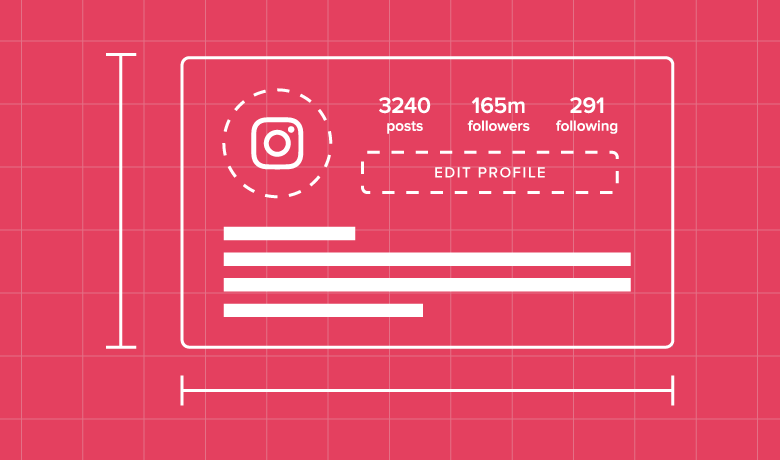
An Instagram bio is a description of your business that sits at the top of your Instagram profile. It can only be up to 150 characters, so you want to be concise, sharing what your business does and who it serves in as few words as possible.
Take a look at our own Instagram bio to get an idea of what this might look like: We’ll get into each of these more thoroughly later, but our full bio includes: Our Instagram handle
Our brand name
Bio description
Bio link There are a few more things you can consider including within your own bio to further share what your business does.
Why an Instagram business bio matters
First of all, why does your Instagram business profile bio matter so much? As simple as it may seem, an Instagram bio plays a critical role in establishing your brand presence. It shows people who you are and what you sell. You can also use the same space to tell them why they should care about your business and its offering.
In many cases, your Instagram profile may be the first point of contact whether someone finds you through an Instagram hashtag or by clicking through from a paid post or sharing on Stories. Your bio is an important first impression while clarifying why they should follow you.
That’s why you should focus on creating an Instagram business bio that effectively portrays your brand personality and establishes your unique value proposition. In other words, it should factor into your overall Instagram business strategy.
What to put in an Instagram bio
Writing your Instagram bio for business is one key part of creating the perfect Instagram business profile. Here are the essential elements that go into your Instagram bio:
1. Name and username
Your Instagram username is your @handle and your Instagram identity. It’s a part of your Instagram profile URL (instagram.com/myusername) and holds a prominent location at the top of your profile page.
On the other hand, your name is your real or full brand name. Depending on data sources like audience and keyword research, you may know of abbreviations or name variations commonly used for your brand name. You might consider using those in one spot in your Instagram bio, such as in your username.
For instance, in the following Instagram business profile example, the username for Sprouts Farmers Market is just @sprouts but the name section has the full name of the business. 2. Profile photo and branding
This should be relevant to your brand’s visual identity. Best practices dictate that you should use a high-res image of your logo in order to improve brand recognition and keep all of your social media profiles on brand. However, solopreneurs and public figures often use headshots, and that’s a perfectly acceptable alternative.
For brands with a widely-recognized visual identity like National Geographic TV, the iconic yellow rectangle logo makes for a great profile photo. Another way to brand your Instagram profile is through your Instagram highlight covers. While not necessarily a part of your bio, these still show up at the top of your profile and give you an opportunity to inject even more color into your Instagram. 3. Instagram bio copy
This is the section under your name, where you get to express yourself (or in this case, your brand personality). You have 150 characters to tell people what your Instagram profile is about, what your brand offers and why they should follow you. So you don’t have much to work with, which makes it even more crucial to plan ahead and perfect your Instagram business bio.
Here’s an example of great bio copy from BarkBox. They start with a simple sentence that explains exactly what their business does. They tag their parent company. Then they even include a couple of hashtags that BarkBox customers can use when showing off their boxes. 4. Bio link
This is the only section that allows you to add a clickable link on Instagram to your website, so make sure you use this space wisely. While you can always add a URL to your homepage, you can also update this link more frequently by posting new products, new content, new projects and more.
Many brands use a link-in-bio tool to maximize the single link limit by taking the user to a landing page with shortcuts to featured content and product pages. 5. Category
Instagram also allows you to specify which category your brand falls under—whether you run a restaurant or a media and entertainment company. This shows up right under your business name if you choose to enable it, so it helps free up space in your Instagram bio for other important details.
As we can see below, Bloomscape has selected “Patio/Garden” as their brand category. 6. Call-to-action and contact buttons
You could further free up space in your Instagram bio if you make the most of the call-to-action buttons available for Instagram Business accounts. This allows people to take action straight from your Instagram profile when on the mobile app, making it easier for customers to convert on actions—from buying tickets to booking tables.
Keep in mind that these are only accessible on the mobile app, and they’ll look something like the “View Shop,” “Message,” and “Call” buttons below: Tips for writing the best Instagram bios for business (+ examples)
Now that you know what goes into an Instagram bio, let’s take a look at tips on how to write the best Instagram bios for business.
1. Know what your goal is
Since you have to stay within the 150-character limit, it’s crucial that you have a clear sense of direction when writing your Instagram bio. Knowing exactly what you want out of your bio will help you narrow down what to say.
For instance, you could simply use it to convey your brand’s personality and announce your Instagram presence. You could also use it to promote your latest products and offers or inform people about what your business does. If you do promote sales and recent products, be sure your team is ready to regularly refresh your Instagram bio and ensure this info is up to date.
Some businesses also use this section to express their brand mission and what they stand for. Check out the following Instagram business profile example from Grove Collaborative. The company’s bio tells us a little bit about what the business sells and what its overall mission is. Here’s another great example of a basic bio that’s straightforward and explains exactly what the company (Slack in this instance) does: 2. Let your brand personality shine through
Make the most of your Instagram business bio to express your brand personality. This includes the language and tone you use or what you say, in general. For instance, Reese’s uses a fun and friendly tone in its bio while using the opportunity to establish its brand authority. Some businesses may also add relevant emojis if that kind of approach fits the brand personality. But note that special characters and emojis may not translate well on a screen reader. Be sure to keep accessibility best practices in mind for all your followers and avoid filling your entire bio with characters that are hard to read or understand for customers using screen readers.
3. Include relevant hashtags and profile links
Instagram lets you add clickable hashtags and profile links in your bio. So make the most of this to direct customers to your other Instagram handles or to relevant, tagged content.
The option to add profile links is great for businesses that manage multiple accounts. See how Madewell added a link to their Instagram account for menswear. Brands can also take a page out of Weezie’s book, tagging the accounts of their founders as well as their brick-and-mortar store (ideal when you have two different social media strategies for your retail versus ecommerce avenues). As for hashtags, adding them to your bio will let you direct your audience to stunning tagged user-generated content. You could use a branded hashtag to collect user-generated content like Cupshe. The swimsuit brand included several hashtags they track for content to feature on their own account. 4. Make sure it’s easy to read
As mentioned earlier, your Instagram bio should be able to convey what your business does or what it offers. So it’s crucial that people can easily read and process the information without too much trouble. Formatting such as line breaks and spacing makes it easier to read and emphasize important information at a glance.
You could use a pipe or vertical bar character to space out your info like in the following Instagram business profile example from Leder Games. They used the symbol to separate their most popular game offerings. You could also use line breaks to style your info in a list format. See how this bio skillfully uses lists, incorporating emojis as a kind of bullet point. Keep in mind that these characters and line breaks will factor into your total character count. So make sure you use them sparingly and strategically to avoid going over the character limit. You could also test different formatting to see how they impact your overall profile engagement. Use a tool like Sprout Social’s Instagram analytics suite to measure how your profile engagement changes as you update. 5. Include a compelling call to action
While the call-to-action buttons frees up a lot of space in your bio, it doesn’t hurt to get more direct with your CTA. Make sure people know exactly what they need to do when they visit your profile by including a CTA in your bio.
Get very specific with this depending on the goal of your Instagram business account. You could invite them to visit your website, shop your feed, check out your latest blog post, download your new guide or even share their own photos using your branded hashtag. If you want to grow your Instagram following, you could even add a CTA to “follow us” for your regular content such as daily recipes, fashion updates and so on.
For example, Ahrefs uses their bio text to create a CTA that points (literally, thanks to their use of emoji) to their latest feature release. Dress Up uses its bio to direct people to sign up for SMS marketing messages by offering a discount right inside the bio. This is a great way to get people to take immediate action and increase your text marketing list. Create a compelling Instagram bio for your business Your Instagram bio could make all the difference in boosting your social presence. It’s the perfect place to exhibit your brand identity and show off your creative side. It could also help you showcase your uniqueness and entertain your audience.
Plus, by strategically using a link-in-bio tool, your bio can help increase clicks and conversions and improve your Instagram analytics by helping you reach your goals. Instagram bio FAQs Where is the link in bio on Instagram? When you edit your profile, you’ll add your bio link into the field next to “Website.” You only get one link here, which is why many brands prefer to use a link-in-bio tool that helps them create an Instagram-specific landing page. How do you add a link in an Instagram bio? Edit your profile and paste your preferred link into the “Website” field. Simple as that! How many characters can you use in an instagram bio? The Instagram bio character limit is just 150 characters, so use them wisely. Source link