
Elementos esenciales de la plantilla de calendario de redes sociales
¿Te preguntas cómo mantener tu calendario de contenido organizado? ¿Y mejorar la colaboración del equipo en cada paso del proceso?
Introduzca: una plantilla de calendario de redes sociales. Las plantillas de calendario le permiten visualizar toda su línea de contenido social en una ubicación. Con un calendario social maestro en su lugar, puede pasar menos tiempo resolviendo sus problemas de colaboración y más tiempo creando contenido de calidad.
Pero muchas plantillas de calendario son demasiado genéricas. ¿La mejor alternativa? Cree su propia plantilla personalizada creada para su marca y necesidades de publicación.
Este artículo explica todos los componentes esenciales que necesita para crear un calendario de redes sociales que funcione. Y cómo actualizar a una herramienta como Sprout Social puede hacer que la planificación de contenido sea tan fácil como hacer clic en un botón.
Por qué necesita una plantilla de calendario de redes sociales para su equipo Con una plantilla, su equipo puede optimizar su flujo de trabajo, desde el borrador inicial hasta la publicación aprobada y la medición del éxito. Puede compartir nuevas ideas para publicaciones, intercambiar comentarios y alojar todas las imágenes, videos y otros recursos multimedia en una sola ubicación.
La creación de una plantilla de calendario de publicaciones en redes sociales también hace que su proceso de aprobación y desarrollo de contenido sea repetible. Una plantilla bien construida es personalizable y escalable, por lo que puede cambiar con el tiempo para diferentes campañas y necesidades de publicación.
Por ejemplo, supongamos que lanza una nueva cuenta de TikTok. Incluso si agrega publicaciones y medios de TikTok a su calendario de contenido existente, seguirá siendo fácil visualizar toda su línea de contenido de un vistazo.
Una vez que comience a usar la plantilla, puede incluso mejorar la forma en que mide los indicadores clave de rendimiento (KPI). La plantilla que le ayudamos a crear en este artículo hará un seguimiento de las métricas de reconocimiento y compromiso.
Qué incluir en una plantilla de calendario de contenido de redes sociales
Para que su plantilla de calendario de contenido de redes sociales sea efectiva, incluya cada uno de los siguientes componentes. Copia y medios
Su contenido es una parte vital de su plantilla de calendario de contenido de redes sociales. Incluya todas las versiones de un mensaje de publicación, optimizado para cada red (dentro de los límites de conteo de caracteres, incluidos los hashtags específicos de la plataforma y usando un tono apropiado para la plataforma).
Agregue también todos los recursos multimedia correspondientes. Copie y pegue directamente o enlace a imágenes, videos, infografías, memes y GIF incluidos en su publicación. Dimensione los medios según los requisitos de cada red.
Fecha y hora
Incluya la fecha, la hora y la zona horaria en que se publicará cada publicación. Esto aclara su tiempo de publicación y lo ayuda a mantenerse organizado. Puede optar por ordenar su calendario por mes o semana si está publicando un gran volumen de contenido.
Enlaces
Para simplificar la publicación, la aprobación y el seguimiento, incluya sus enlaces UTM abreviados en su plantilla de calendario de redes sociales.
redes y cuentas
Para cada publicación, etiquete la red en la que se publicará. Incluya opciones como: Facebook, Instagram, Twitter, LinkedIn, TikTok, Pinterest, YouTube y cualquier otro u otro canal que pueda ser relevante.
Si administra cuentas para varias marcas, incluya el nombre de la marca junto a cada publicación.
Consejo profesional: Dependiendo del tamaño de la cuenta y la cadencia de publicación, podría ser mejor crear calendarios separados para la presencia social de cada marca que administre. Por ejemplo, si es una agencia, crear un calendario por cliente es óptimo para planificar y recibir comentarios.
Campañas
En su plantilla, indique si las publicaciones son parte de una campaña de redes sociales o una campaña más grande en su empresa. Los ejemplos de campañas incluyen campañas anuales, promociones por correo electrónico o lanzamientos de productos.
Agrupar las publicaciones por campaña facilita la clasificación y los informes sobre el progreso y los resultados de la campaña.
Notas de colaboración y pasos de aprobación
Para eliminar hilos de correo electrónico desordenados y mensajes directos frenéticos, incluya espacio para la colaboración en su plantilla. Habilite la comunicación de ida y vuelta entre compañeros de equipo, partes interesadas y clientes para compartir comentarios y hacer preguntas.
También crucial: aclarar los pasos de aprobación. Por ejemplo, puede incluir una columna que indique la etapa de desarrollo de contenido como borrador, en revisión, aprobado o publicado, de modo que las personas relevantes puedan conectarse en la etapa de producción correcta.
KPI
Para realizar un seguimiento y analizar sus resultados sociales, agregue métricas clave de rendimiento a su plantilla de calendario. Esto facilita la detección de tendencias y la replicación del éxito de sus publicaciones con mejor rendimiento. Elija métricas que sean relevantes para sus objetivos únicos, incluidos clics, me gusta, acciones compartidas, comentarios, menciones, conversiones y tráfico del sitio web.
Llave
Para asegurarse de que su plantilla de calendario de contenido de redes sociales sea fácil de usar, cree una clave coordinada por colores para categorizar su contenido. Las categorías de su clave pueden incluir publicaciones de blog, seminarios web y lanzamientos de productos.
Los 4 pasos que necesitas para crear tu plantilla maestra de calendario de redes sociales
Aquí hay una guía paso a paso para crear su propia plantilla de calendario editorial de redes sociales que puede crecer con su marca.
1. Agregar columnas
Comenzando con una hoja de cálculo en blanco, agregue columnas para: Copiar
Medios de comunicación
Fecha
Hora
Enlaces
Campaña
Red
Cuenta
Notas de colaboración
Etapa de aprobación
KPI 2. Agregar menús desplegables
Para ahorrar tiempo y facilitar el llenado de su plantilla, agregue menús desplegables con opciones precargadas para campañas, redes, cuentas y etapas de aprobación. 3. Crea una clave
Cree una clave codificada por colores con etiquetas que coincidan con sus categorías de contenido. Puede implementar los colores de la clave en una nueva columna o cambiar el color de cada fila. 4. Comienza a agregar contenido
Comience a agregar contenido a su plantilla de calendario de redes sociales para probar qué tan compatible es con el flujo de trabajo de su equipo. Continúe ajustando la plantilla para que se adapte a sus necesidades únicas. Una mejor manera de administrar sus plantillas de calendario de redes sociales
Aunque las plantillas de calendario de redes sociales son útiles, a menudo dependen de actualizaciones manuales que pueden ser tediosas y lentas.
Si desea eliminar la necesidad de hojas de cálculo y simplificar su planificación de contenido de redes sociales, puede hacerlo fácilmente utilizando una herramienta como el calendario de contenido compartido de Sprout Social. Las múltiples vistas del calendario (incluidas las semanales y mensuales) le permiten profundizar tanto en los detalles granulares de las publicaciones como en el panorama general de su estrategia de contenido. Es una herramienta intuitiva que le permite planificar, programar, colaborar y publicar automáticamente desde una única plataforma. Comience su prueba gratuita de Sprout
Aquí hay una descripción general de algunas de las principales herramientas de publicación y programación de Sprout diseñadas para facilitar la administración de contenido.
Flujos de trabajo de aprobación y programación de mensajes
Puede redactar y programar múltiples publicaciones sociales en diferentes perfiles y redes simultáneamente. Vaya un paso más allá al poner en cola varias publicaciones por adelantado. Como parte de su proceso de publicación, genere flujos de trabajo de aprobación para guiar el envío, revisión y aprobación de mensajes para simplificar la colaboración. Incluso puede agregar y eliminar partes interesadas externas para que puedan revisar las publicaciones sociales antes de que se publiquen (sin necesidad de iniciar sesión en Sprout). Los especialistas en marketing de redes sociales pueden administrar de manera eficiente todo el proceso de redacción, aprobación y publicación en un solo lugar.
Etiquetado de mensajes
Con la herramienta de etiquetado interno de Sprout, es fácil agrupar y categorizar los mensajes según el tipo de contenido, la campaña, el flujo de trabajo, los objetivos comerciales y las estrategias de marketing mientras redacta un mensaje. Las etiquetas organizan automáticamente el contenido y agilizan el análisis de rendimiento. Biblioteca de activos e integraciones de medios
En lugar de almacenar sus activos de redes sociales en varias ubicaciones (incluida su plantilla de calendario de publicación de redes sociales), Sprout le permite crear, organizar, editar y publicar activos desde una ubicación central. Desde su biblioteca de activos, puede administrar los medios y crear rápidamente publicaciones sociales visualmente llamativas. Las integraciones de Sprout le permiten agregar videos e imágenes directamente desde herramientas como Google Drive, Dropbox y Canva a su biblioteca de activos.
seguimiento de URL
Las capacidades de seguimiento de URL de Sprout agregan datos de seguimiento a los enlaces para identificar fácilmente el tráfico social en Google Analytics y monitorear campañas, tráfico de referencia y conversiones de publicaciones sociales. Los enlaces se definirán automáticamente por la red social, la cuenta y la publicación específica sin crear parámetros manualmente.
Comience su prueba gratuita de Sprout
Tener una plantilla de calendario de redes sociales no es negociable para la organización y la eficiencia del equipo. Pero no es la forma más efectiva de mejorar su juego de administración de redes sociales.
Al usar una herramienta como Sprout, puede tener una única fuente de verdad para crear y mantener su estrategia de publicación social. El calendario de contenido compartido de Sprout le ahorra tiempo y simplifica su proceso al mismo tiempo que mejora el rendimiento de su contenido y la participación de la audiencia.
Pruebe el calendario de publicación de redes sociales de Sprout y otras herramientas de participación, análisis y escucha social de forma gratuita hoy.
Comience su prueba gratuita de Sprout Source link


Twitter lanza el calendario de marketing 2023 para ayudar con la planificación de campañas
¿Quieres crear tu calendario de contenido para el próximo año?
Esto ayudará: Twitter publicó su calendario anual de eventosdestacando todas las fechas importantes y celebraciones a tener en cuenta en tu planificación. El calendario interactivo proporciona una sólida visión general de las fechas importantes que pueden ayudarte con tu estrategia. También puede filtrar la lista por región y por tipo de evento. También puede descargar una entrada específica, aunque la descarga en sí es bastante fácil: no obtiene una plantilla de calendario bonita para pegar en su pared ni nada por el estilo. Twitter solía publicar calendarios descargables, pero cambió a una pantalla solo en línea hace unos años. Eso todavía contiene la misma información, pero no se ve tan bien. De cualquier manera, establecer su enfoque para 2023 puede ayudarlo en su proceso. Además, Twitter publicó un resumen de algunos de los eventos más importantes que se presentará durante todo el año en la aplicación, junto con un lanzamiento para los anunciantes en medio del reciente caos en la aplicación. cuenta Gorjeo:
«Nos estamos moviendo más rápido que nunca, y todavía estamos donde la gente va a ver y hablar sobre lo que está pasando. Un gran ejemplo es la reciente Copa Mundial Masculina de la FIFA. Vimos la friolera de 147 000 millones de impresiones de contenido relacionado con eventos en la plataforma, casi un 30 % más que en 2018. También generamos 7100 millones de visualizaciones de videos de la Copa Mundial.1con todo, desde memes hasta resultados desgarradores y creación de historias”.
También hay:
«Twitter no solo está lleno de contenido y conversaciones sobre grandes momentos, sino que también crece. Vimos una aceleración global de mDAU a 253,1 millones en el cuarto trimestre, impulsada por una tasa de registro promedio de más de 1 millón de nuevos usuarios diarios en el cuarto trimestre2.»
Es la primera estadística de uso oficial que Twitter ha compartido desde que Elon Musk adquirió la aplicación, y es un salto significativo desde los 238 millones de mDAU que Twitter informó en el segundo trimestre del año pasado, la última actualización del mercado antes de la venta. Será interesante ver si este nivel de uso persiste mientras Twitter trabaja con sus últimos cambios y actualizaciones.
Puedes consultar el calendario de marketing de Twitter para 2023 aquí.

Referral Marketing: What it is and How to Use it
Think about your favorite store or business. How did you find it? Through Google search? While walking by? Or maybe through word-of-mouth from a friend, family member or trusted influencer. Chances are at least one person you know shares your enthusiasm for that place. And you’ve probably told a handful of other people about it, too. Maybe, you’ve even left that business a review. Or, helped them get new customers in exchange for a discount or freebie.
Referral marketing is a powerful tool that can help you leverage your existing customers and fan base to build relationships with new ones. By tapping into your customers’ networks, you can quickly reach potential prospects who are eager to learn about your business.
In this guide, we’ll cover everything you need to know about referral marketing, its benefits and how to create a successful referral marketing program.
Table of contents: What is referral marketing?
Referral marketing is a form of advertising in which businesses encourage customers to recommend their services, products or experiences to other people. Unlike word-of-mouth marketing, which relies on people spontaneously sharing information, referral marketing is a deliberate strategy involving incentives and rewards for customers in exchange for successful referrals.
For example, a company may offer a discount or special promotion to customers who successfully refer their products to someone else. Or, they might partner with an influencer or offer an affiliate program to incentivize people to promote their products. This not only encourages people to share product information but also to become active participants in the marketing process by finding potential leads and providing referrals.
The best part of referral marketing programs is they don’t just benefit companies–customers also reap the rewards of their efforts. This makes referral programs an excellent way to build loyalty, as well as increase your customer base.
Why referral marketing is so important
Referral marketing is an effective way to attract new customers and increase sales. Here are a few reasons your business should consider having an active referral marketing program.
Little to no cost
There are very few upfront costs to this strategy. All you need is a passionate customer base, a strategic plan and some creative referral marketing ideas. Now, that’s not to say that you shouldn’t reward your customers for their referrals. Offering incentives like discounts or free products helps to encourage people to spread the word about your business. Be sure to factor in some costs for incentives and planning.
High customer lifetime value
A study from the Wharton School of Business shows that referred customers have a 16% higher lifetime value than average customers. This means that over time, customers who come via a referral will bring more revenue to your business than those you acquire elsewhere.
Remember, every customer you bring in costs your business money, whether from advertising, discounts or other marketing techniques. If referral customers have a higher lifetime value than the ones acquired through paid channels, they can pay off those costs more quickly and help your business save money in the long run.
Likelihood of conversion
Referral marketing often leads to higher conversion rates than more traditional forms of advertising. With word-of-mouth referrals, customers receive personalized recommendations from someone they trust. This makes them more likely to take action on the recommendation and purchase.
According to data from McKinsey, 63% of GenZ consumers say that recommendations from friends are their most trusted source for learning about products and brands.
Establishes trust
Humans trust other humans. That’s just a fact. Think about it, if you’re looking for a new product or service, it’s much more likely you’ll purchase if you get a recommendation from someone you know. You might even read online reviews before you buy, to make sure you’re getting exactly what you expect.
We often call this social proof, which is the idea that if people around us are doing something, it must be alright to do it as well. It’s why people stand in line for the latest Jordans, or why Supreme drops are such a big hit. They aren’t necessarily offering the best product on the market, but it’s the most coveted because everyone else is buying it.
How does referral marketing work
Referral marketing encourages customers to promote a company’s products or services in exchange for some type of reward. This could be discounts, free items or other perks that make it worth their while to do so.
B2B and B2C businesses may need to approach their referral marketing strategies a bit differently. Here’s a quick breakdown of both strategies.
B2B referral marketing programs
B2B businesses are no strangers to a long sales process. It requires in-depth research, months of vetting and gaining the trust of multiple stakeholders to finalize a deal.
A 2023 study found that 82% of B2B sales leaders believe that referrals generate the best leads. That makes referral marketing programs essential for B2B businesses. If you want to build out your B2B referral program, there are a few ways to go about it. If your business sells products, you could start by offering incentives like discounts to customers who refer you to their colleagues. Or, you could offer a loyalty program where customers receive rewards points for referring you to their peers. Check out Sprout’s Partnership Program as an example. If you’re running a service-based business, consider offering timed service discounts. For example, a free day or free month. You can also offer credits for future purchases or services.
Remember, referrals don’t have to come only from customers. Accepting referrals from other businesses in exchange for discounts or rewards is a great way to generate new leads. Consider who in your field may be looking for referrals and create a referral marketing program that benefits both parties.
If you’re a SaaS company, you may want to partner with a tool that fills a gap in your offering and offer customers a discount for signing up for both platforms. Similarly, if you’re selling machine parts, partner with a delivery company that can fulfill orders for your clients and provide them discounts for choosing that shipping method.
B2C referral marketing strategies
B2C businesses are perfectly positioned to take advantage of referral marketing because they have a direct relationship with their customers.
One of the best referral marketing ideas for B2C companies is to offer rewards in exchange for referrals. This could be a discount code, free product, gift card or another incentive that encourages customers to tell their friends and family about your company. You can also incentivize customers with loyalty programs, where they earn points for each referral or purchase their referee makes. This allows customers to save up points over time and redeem them for discounts, exclusive offers or other rewards.
Email campaigns are also an effective referral marketing strategy. By including social sharing buttons in your emails, you allow customers to share your products, news and offerings quickly and easily.
The most important thing to remember when creating a referral program is that it should be an integral part of the customer experience. Referrals should be included in every customer touchpoint, from website navigational menus to the checkout page. Similarly, be sure to integrate your referral program with other critical systems, such as your CRM, eCommerce technology and point-of-sale systems, so you can keep track of all referral activity.
Referral marketing strategies
If you’re looking to get started with referral marketing, there are a few core concepts you should understand.
1. Create shareable content
The best referral marketing programs go beyond just providing discounts or rewards for successful referrals. Your program should also include content that is easy to share, such as blog posts, helpful guides and interesting video clips that potential customers can use to help them decide whether your product or service is right for them.
As well, make sure your posts are easy to share. That means adding social media sharing buttons, such as a “Share to Facebook” button, on your website, blog posts and email marketing campaigns. 2. Provide excellent customer service
The backbone of any successful referral marketing program is excellent customer service. If your customers are happy with their purchase, they’re more likely to recommend you and share their positive experiences with others.
You can provide exceptional customer service in a number of ways: Give customers the option to contact you directly via phone call, text message, email or live chat.
Have a well-trained customer service team that can quickly and effectively answer any questions, concerns or complaints.
Make refunds, exchanges and shipping as simple as possible.
Answer all feedback on your social channels promptly. The better the experience customers have, the more likely they are to become loyal customers and refer others to our business. 3. Define your goals
Goals give businesses direction and help measure success. When building out your referral marketing program, think about what success looks like to you. Ask yourself questions like: How many referrals should our program generate?
What kind of customers do we want to connect with through referrals?
Are there any geographic areas we’d like to target? Once you know what you want to achieve, you can focus on tactics to help get you there. For example, if you want to target customers in a specific area, you might try offering coupons only to people in that location. If you’re looking to connect with people outside of your direct network, partnering with an influencer or influencer marketing platform can help you reach a broader audience.
4. Plan your campaign
With your goals in mind, it’s time to plan your referral marketing program. This includes choosing the right platform, setting up tracking and analytics tools, crafting an email strategy to encourage referrals and developing incentives that will motivate customers to share your brand with their friends.
Some things to consider when planning your campaign include: How long will the program run?
What types of rewards will you offer for referrals?
How will customers track their referrals and collect rewards?
Will there be any restrictions on where people can share your referral link?
How will you measure success and track ROI? Once you have a plan in place, you can get creative with your referral marketing ideas. From creative email campaigns to social media contests, there are many ways to spread the word about your company.
Types of referral marketing
There are several types of referral marketing that you can use to promote your business. Here are some of the most popular.
Direct
Direct referrals involve asking your existing customers to refer people they know. You can use email or even in-person events to ask for referrals. You can also consider hiring a brand ambassador to present your company to a broader audience. Incentivized Incentives are a great way to encourage customers to refer their friends. Who doesn’t want more of a product they already love? Referral marketing incentives can include discounts, free products or cash rewards. If you offer incentives, make sure they are generous enough to be enticing and promote loyalty among customers. Email
There are more than 4 billion active email users worldwide, making it one of the most powerful tools in your referral marketing arsenal. With email marketing, you can send personalized messages to customers and prospects to inform them about promotions or referral programs. You can also use email newsletters to keep contacts up-to-date on new products and services. Reviews
According to a recent customer survey, 49% of consumers trust online reviews as much as they trust personal recommendations. This means that it’s important to nurture and cultivate a positive online reputation through customer reviews. You can encourage customers to post reviews on your website, Google My Business page or other review sites like Yelp. Or, build up your Amazon review ratings for products that you offer. Social
Social media can be a powerful referral marketing tool. Your advocates can share their experiences with your brand, post promotional content and messages or even host live streams to engage with other customers and prospects. You can create a referral program with special incentives for people who refer new customers or reward loyal followers for engaging with you on social media. Just make sure you’re using a custom URL or hashtag when customers make referrals so you can track and measure the success of your program. Increase referrals by finding your brand advocates
Brand advocates aren’t always easy to come by. Luckily, there are resources available to help you identify and reach out to potential brand advocates.
If you’re feeling stuck figuring out campaign strategies, check out our list of marketing campaign ideas to help get you started. Source link

Más de 160 estadísticas de redes sociales que los especialistas en marketing necesitan en 2023
¿Está buscando las últimas y mejores estadísticas de redes sociales para 2023? Hemos recopilado las ideas más valiosas para cada plataforma para que pueda tener una idea de en qué canal o tendencias enfocarse este año.
Utilice estos datos demográficos, de uso y de comportamiento de la audiencia de las redes sociales para informar su estrategia de marketing y redes sociales para el próximo año.
Una nota sobre las fuentes: Recopilamos estas estadísticas de redes sociales de encuestas de terceros, documentos técnicos e informes de las propias plataformas. ¿Interesado en profundizar más? Comience con el Informe Global State of Digital 2022 de Hootsuite. Descarga el informe Digital 2022 completo– que incluye datos de comportamiento en línea de 220 países – para aprender dónde enfocar sus esfuerzos de marketing social y cómo interactuar mejor con su audiencia. Estadísticas generales de las redes sociales
Estadísticas sobre el uso de las redes sociales. Fuente: Informe de tendencias digitales de Hootsuite 2022 Fuente: Informe de tendencias digitales de Hootsuite 2022 Fuente: Informe de tendencias digitales de Hootsuite 2022
Estadísticas de publicidad en redes sociales ¿Quieres profundizar en la publicidad social? Lea más información sobre estadísticas clave de publicidad en redes sociales.
Estadísticas de Instagram
usuario datos demográficos Fuente: Estadísticas utilizar Fuente: Informe de tendencias digitales de Hootsuite 2022
Marcas ¿Busca aún más estadísticas de marketing de Instagram? Eche un vistazo a 35 estadísticas de Instagram que son importantes para los especialistas en marketing en 2023.
Estadísticas de Facebook
usuario Fuente: Informe de tendencias digitales de Hootsuite 2022
datos demográficos utilizar Fuente: Informe de tendencias digitales de Hootsuite 2022 Marcas Fuente: Estadísticas Si desea adelantarse al juego del comercio social, consulte nuestra guía para comenzar con el comercio social o incluso más estadísticas de Facebook.
Estadísticas de Tik Tok
usuario Fuente: información privilegiada Fuente: Estadísticas datos demográficos utilizar Fuente: información privilegiada
Marcas ¿Tus TikToks están marcando todas las casillas de participación? Aumente su conocimiento de TikTok con 23 estadísticas clave de TikTok que los especialistas en marketing deben conocer en 2023.
Estadísticas de Twitter
usuario Fuente: Estadísticas
datos demográficos 38,5% de los usuarios de Twitter son 25-34 años
Justo 6,6% de los usuarios de Twitter son viejos 13-17
A nivel mundial, las audiencias se están inclinando más hacia Twitter masculinocon 56,4% la identificación demográfica de la plataforma como hombre. 43,6% La audiencia de Twitter se identifica como Femenino
33% de los estadounidenses que usan Twitter tienen una titulo academico utilizar Fuente: información privilegiada
Marcas Siga este enlace para obtener aún más estadísticas de Twitter.
Estadísticas de YouTube
usuario datos demográficos 80% de los padres dicen que sus hijos (menores de 11 años) miran YouTube
54% de los usuarios de YouTube son masculinoy 46% están Femenino
youtube es más popular En Indiaseguido de cerca por EE. UU. e Indonesia
La plataforma de video es utilizada por 95% de los adolescentes estadounidenses y, por lo tanto, es el más popular plataforma de redes sociales en GenZ Fuente: Centro de Investigación Pew
utilizar Marcas ¿Necesitas más estadísticas de YouTube en tu vida? Eche un vistazo a 23 estadísticas de YouTube que son importantes para los especialistas en marketing en 2023.
Estadísticas de LinkedIn
usuario datos demográficos encima 194 millones Americano Utilice LinkedIn, que convierte al país en el más alto tasa de usuario en el mundo
Finlandia tiene uno de el más bajo Tasas de uso de LinkedIn, con solo 1 millón gente en la plataforma
Por poco 60% de los usuarios de LinkedIn se encuentran entre los 25 y 34 añosmientras los usuarios envejecían 55+ solo hacer 2,9% de la audiencia de la plataforma Fuente: Estadísticas
utilizar Marcas Si está buscando estadísticas de LinkedIn aún más convincentes, consulte las estadísticas de LinkedIn que los especialistas en marketing deben saber.
Estadísticas de Pinterest
usuario datos demográficos Fuente: Estadísticas
utilizar Marcas Consulte más estadísticas espeluznantes de Pinterest en nuestro blog sobre estadísticas de Pinterest que son importantes para los especialistas en marketing.
Estadísticas de Snapchat
usuario datos demográficos Fuente: Informe de tendencias digitales de Hootsuite 2022
utilizar En promedio, los usuarios gastan un poco más 3 horas al mes en Snapchat
Sorprendentemente, Snapchat es el único canal que no mantiene exclusivamente su base de usuarios, lo que significa que la audiencia de Snapchat también se desplaza por otros canales.
59% de los usuarios de Snapchat visitan la aplicación Diariamente
2022, tiempo promedio diario emitido a los usuarios a partir de 35 años La visualización de programas y contenido de editores ha aumentado con creces 40% año por año Marcas ¿Quieres más estadísticas de Snapchat en tu vida? A continuación, lea las estadísticas de Snapchat que son importantes para los especialistas en marketing de redes sociales.
Ahorre tiempo administrando su presencia en las redes sociales con Hootsuite. Desde un solo panel, puede publicar y programar publicaciones, encontrar conversiones relevantes, atraer audiencias, medir resultados y más. Pruébalo gratis hoy.
Empezando mejor únete Hootsuitela Herramienta de redes sociales todo en uno. Manténgase en la cima, crezca y venza a la competencia.

Cómo un mejor enfoque mejora tu vida social
Cómo un mejor enfoque mejora tu vida socialde Adán | 26 de enero de 2023La persona promedio hoy en día tiene una capacidad de atención de 8 segundos. Si eso te parece breve, piensa en el mundo en el que vivimos. Estamos constantemente bombardeados con demandas de nuestra atención. La gente común recibe hasta 80 notificaciones telefónicas al día. El oficinista promedio ve interrumpido su trabajo cada 11 minutos. El tiempo que perdemos con las distracciones digitales cuesta más de $10,000 por persona por año. Peor que costar dinero o productividad, las distracciones digitales también alteran los ritmos circadianos. 3 de cada 5 adultos dicen que están más cansados que nunca. Si no dormimos lo suficiente, no podemos disfrutar de la vida. Tanto el trabajo como la vida personal sufren por nuestra falta de concentración y distracciones excesivas.Millones de personas tratan su falta de concentración con bebidas con cafeína. El estadounidense promedio bebe 85 litros de bebidas con cafeína al año. Si bien la cafeína ofrece varios beneficios, más no es la solución. La cafeína cambia el ritmo del sueño y nos da aún menos calidad del sueño. Además, concentrarse en la cafeína puede provocar problemas cardíacos a largo plazo, problemas digestivos y un mayor riesgo de demencia. En lugar de más cafeína, los científicos están buscando formas de mejorar la cognición de forma natural. Una posibilidad es el biohacking, un enfoque de bricolaje que fomenta cambios de comportamiento para obtener mejores resultados cognitivos. Algunos ejemplos son reducir las fuentes de luz azul justo antes de acostarse y agregar ejercicio durante el día. Ambos promueven un mejor sueño y más energía durante todo el día. Los científicos también están experimentando con nootrópicos, minerales naturales y nutrientes que funcionan con el reloj y la regulación biológica del cuerpo. Proporcionado por: DrinkBioLift.com(function(d, s, id) { var js, fjs = d.getElementsByTagName(s)[0]; if (d.getElementById(id)) return; js = d.createElement(s); js.id = id; js.src = «//connect.facebook.net/en_US/sdk.js#xfbml=1&version=v2.5»; fjs.parentNode.insertBefore(js, fjs); }(document, ‘script’, ‘facebook-jssdk’));

Meta anuncia la reincorporación del expresidente Donald Trump en sus apps
En esencia, este no es un gran cambio en la política de plataformas sociales en particular, o en enfoques más amplios para lidiar con el uso incendiario o incendiario por parte de los líderes mundiales. Pero en términos de gestos simbólicos e incluso icónicos, es significativo y al menos podría tener enormes implicaciones para la política estadounidense.
Hoy, Meta anunció que al expresidente de los Estados Unidos, Donald Trump, se le permitirá regresar a Facebook e Instagram luego de que se le prohibiera el uso de ambas aplicaciones por sus publicaciones en la época del Incidente del Capitolio del 6 de enero de 2021.
Como explica Meta: «Hace dos años actuamos en circunstancias extremas y muy inusuales. Suspendimos indefinidamente las cuentas de Facebook e Instagram del presidente de los Estados Unidos, Donald Trump, después de su muerte el 6 de marzo., 2021. Luego remitimos esa decisión a la Junta de Supervisión, un panel de expertos creado para revisar y sopesar de forma independiente nuestra toma de decisiones.”
En respuesta, la Junta de Supervisión solicitó a Meta que implementara parámetros más estructurados sobre cómo se tomarían tales decisiones y cuánto tiempo permanecería en vigencia la suspensión resultante. Con base en esto, Meta anunció una fecha de finalización de dos años para la suspensión, con una revisión para evaluar el riesgo de reincorporación en ese momento. Eso ha llevado ahora a la decisión de Meta de permitir que Trump vuelva a sus aplicaciones.
Según los informes, esto es lo que el equipo de Trump ha estado presionando durante las últimas semanas.
De cara a la campaña presidencial de 2024, el equipo legal de Trump envió una carta a Meta la semana pasada pidiendo que se permitiera a Trump volver a sus plataformas para darle una parte equitativa del voto político. No está claro si eso influyó o no en la decisión de Meta, pero ahora se han reabierto las puertas, lo que permite a Trump y compañía llegar a millones de votantes estadounidenses a través de su página de Facebook y anuncios pagados.
Lo cual en sí mismo es significativo. Pero como se mencionó, aún no está claro si Meta ha establecido pautas más definitivas como parte del proceso para enfrentar situaciones similares en el futuro, y qué tipo de sanciones impondrá como resultado de tales acciones.
La junta de supervisión de Meta proporcionó este detalle exacto en su respuesta al anuncio de Meta: «La Junta agradece que Meta haya seguido las recomendaciones de la Junta para establecer un Protocolo de Política de Crisis para mejorar la respuesta a la crisis de Meta y proporcionar una evaluación del entorno de seguridad actual. Sin embargo, la Junta solicita a Meta que brinde detalles adicionales de su evaluación para que la Junta pueda revisar la implementación de la decisión y las recomendaciones de la Junta en este caso, y para definir y articular diversos grados de gravedad de las violaciones cometidas por figuras públicas relacionadas con disturbios civiles. , la naturaleza y cómo se relaciona la Política de infracciones relacionadas con desórdenes civiles con el Protocolo de política de crisis”.
Como señala la junta, Meta ha actualizado su enfoque para tales situaciones en un nuevo Esquema de protocolo para el manejo de contribuciones de figuras públicas en tiempos de disturbios civiles, mientras que Meta dice que Trump lo hará explícitamente. ahora también se enfrenta a «mayores penas para los reincidentes».
Pero los parámetros que rodean sus decisiones sobre lo que constituye un riesgo público aún no están del todo claros. Lo que deja esas decisiones en manos de la metagestión, lo que todavía podría verse como una forma de censura política, según el caso.
Y esto idealmente no es lo que Meta quiere: «AComo regla general, no queremos impedir el debate abierto, público y democrático en las plataformas de Meta, especialmente en el contexto de elecciones en sociedades democráticas como Estados Unidos. El público debe poder escuchar lo que dicen sus políticos, lo bueno, lo malo y lo feo, para que puedan tomar decisiones informadas en las urnas. Pero eso no significa que no haya límites a la libertad de expresión en nuestra plataforma. Cuando existe un riesgo claro de daño en el mundo real, una barra deliberadamente alta para que meta intervenga en el discurso público, actuamos.”
Meta también dice que su «actitud predeterminada» es dejar que la gente exprese su opinión, incluso si lo que tienen que decir es «desagradable o fácticamente incorrecto».
Idealmente, Meta preferiría que tales decisiones las tome un regulador general que supervise todas las plataformas en línea, pero dadas las formas en que se podría abusar de dicho proceso y los diferentes enfoques para esto en diferentes regiones, es una propuesta complicada que nunca puede tomar forma.
Por lo tanto, Meta tiene que implementar sus propias reglas sobre lo que constituye un daño potencial en este contexto, lo que no siempre es correcto. Pero realmente, no hay otra manera, y tales casos solo pueden ser decididos por meta tan pronto como surjan.
Entonces, ¿volverá Trump a Facebook? La cuenta de Twitter de Trump, que también fue suspendida, fue restaurada por Elon Musk en noviembre, y aún no ha twitteado, pero eso se debe en parte a la participación de Trump con Truth Social y su compromiso de poner en marcha esa plataforma alternativa.
Trump Media & Technology Group ha Se han invertido más de mil millones de dólares en la propia aplicación de redes sociales de Trump, Truth Social, con financiación de varios de los principales partidarios y defensores de Trump. Una condición importante en este plan es que Trump se haya comprometido con él Publicar solo la verdad, incluso si se restauran sus otras cuentas sociales. Hay formas en que Trump podría evitar violar esto, como publicar en Twitter o Facebook varias horas después de la primera publicación en Truth, pero esencialmente Trump está al menos un poco obsesionado con hacer de Truth Social su enfoque.
Pero eso no le dará el alcance o la resonancia que puede darle Facebook.
Trump tiene más de 34 millones de seguidores en Facebook, y los anuncios de Facebook han sido una parte clave de sus esfuerzos de campaña hasta la fecha. De hecho, el equipo de Trump gastó más de $20 millones en anuncios de Facebook solo en 2019, y aunque los tuits se han convertido en su arma preferida para comunicarse con su audiencia, Facebook también es una plataforma crucial para promover su agenda.
Como tal, puede apostar que el equipo de Trump ya está elaborando una estrategia para el próximo impulso publicitario de Facebook ahora que se les permite volver a la aplicación.
¿Eso es algo bueno? Quiero decir, como señala Meta, las personas deberían poder tomar sus propias decisiones, pero, de nuevo, los enfoques manipuladores y específicos del pasado del equipo de Trump para los anuncios de Facebook plantean aún más preguntas a este respecto.
Pero ese es un argumento completamente diferente y, básicamente, dados los hechos del caso, tiene sentido que Meta restablezca la cuenta de Trump y lo deje volver a sus aplicaciones.

Cómo los marcos de estrategia pueden ayudar a que su marca siga siendo relevante
Como especialista en marketing, es probable que se enfrente a muchas preguntas granulares semanalmente mientras decide qué compartir con el mundo.
¿Qué contenido está consumiendo nuestra audiencia? ¿Qué eventos actuales están definiendo las conversaciones en línea? ¿Qué publican los competidores? ¿Qué canales y creatividades parecen ser realmente populares?
Todas estas son buenas preguntas y ciertamente te harán excelente en tu trabajo.
Pero de vez en cuando, puede ayudar pensar en una pregunta aún más grande, más abstracta y algo morbosa: ¿Qué podría destruirnos?
Si bien no es necesariamente divertido, puede ser saludable pensar en el éxito como una incertidumbre.
No tenemos que mirar muy lejos. En 1980, siete de las diez principales empresas del S&P 500 eran empresas de petróleo y gas. IBM, que experimentó una racha extremadamente rentable en la década de 1980, fue superada por empresas como Microsoft y Proctor and Gamble. Microsoft tardó menos de una década en convertirse en una de las empresas más valiosas del mundo.
¿Puedes adivinar cuántas de las diez empresas más valoradas en 1980 seguían entre las diez primeras en 2020?
Cero.
Incluso en solo veinte años, es fascinante pensar en cómo ha cambiado el mundo. Las acciones de petróleo y gas, que alguna vez representaron más de una cuarta parte del mercado, ahora representan menos del 5%. Kodak, uno de los favoritos de la década de 1980, apenas se reconoce hoy. Las fusiones, las recesiones, las quiebras y la innovación latente podrían seguir cambiando el rumbo de los gigantes de hoy. Es posible que muchas de las empresas que pensamos que podrían ser populares en los próximos veinte años ni siquiera existan hoy. Ciertamente, nadie en 1985 podría haber predicho el futuro de Apple.
Pero, ¿qué puede hacer usted como especialista en marketing para prepararse para el futuro?
3 marcos para detectar el panorama general de su marca
Al aprender marcos estratégicos simples, puede comenzar a pensar en las tendencias que podrían definir el futuro de su empresa y darle una ventaja sobre las áreas y las conversaciones para investigar. Estos marcos pueden ayudarlo a reforzar por qué existe y cómo analizar a otros competidores en el espacio para marcar mejor su posición.
Marco de cinco fuerzas
La creación del académico Michael Porter (esencialmente para la estrategia moderna lo que Lebron James es para el baloncesto), Five Forces Framework es uno de los marcos más populares para comprender lo que sucede fuera de su negocio.
Con cinco componentes, las cinco fuerzas de Porter esencialmente lo ayudan a responder la pregunta más amplia de qué tan atractivo es estar en una industria específica. Las Cinco Fuerzas de Porter pueden ayudarlo a abordar cómo se distribuye el poder en una industria, la naturaleza de cuán fácil es ingresar y la probabilidad de supervivencia.
Por ejemplo, observe la industria de las aerolíneas. Solo hay dos proveedores importantes: Airbus y Boeing. Si deciden aumentar los precios o ir a la huelga, puede crear ondas de choque en todo el mundo y probablemente afectar a todas las aerolíneas de la industria. Además, dado que cuesta mucho construir aviones y comercializar sitios web, es mucho más difícil ingresar a la industria.
En contraste, la industria de bienes raíces tiene más poder en manos de los compradores, quienes tienen muchas opciones (corredores, sitios web) para comparar precios. Para sectores como alimentos y bebidas, hay mucha competencia, incluidas opciones más saludables a costos relativamente bajos para la persona promedio que quiere cambiar.
Si bien no todas las empresas pueden tener un marco tradicional de proveedores o compradores (es decir, empresas modernas de Internet), todas las empresas se ven afectadas por tendencias que influyen en los compradores.
Cómo usar el marco:
Para comenzar a pensar en las cinco fuerzas, el primer paso es alejarse y mirar la industria o el espacio en el que se encuentra su marca, que se puede aclarar con una simple búsqueda en Google o mirar Yahoo Finance. Usa la imagen de arriba para guiar tu plantilla, con la rivalidad en el centro y las fuerzas correspondientes rodeándola.
Comience con sus usuarios o clientes y piense en algunas preguntas: ¿Qué más están usando? Si desaparecieras mañana, ¿qué estarían haciendo? Luego, piense en la industria como un todo. ¿Es fácil que entren nuevas empresas? ¿La lealtad juega un papel? Todos los criterios en la imagen de arriba pueden ayudarte a aprender. Lo que haga a continuación depende de la salida. Si la lealtad del cliente no es muy fuerte o los costos de cambio son bajos, podría ser bueno prestar atención a lo que están haciendo los competidores para combatir eso.
Análisis PESTELA
Otro marco común es el Análisis PESTELE, que considera muchos factores como los económicos, políticos, sociales y legales que pueden influir en su producto o marca. Eche un vistazo a las aplicaciones modernas: habría sido imposible que existiera una aplicación como Uber hace veinte años. Necesitaba algunos factores a su favor: los teléfonos inteligentes se normalizaran, Apple ofreciera su plataforma de tienda de aplicaciones, la sociedad aceptara que las personas se subieran a los autos de extraños y una atmósfera regulatoria confusa que no sabía cómo regular los viajes compartidos.
Del mismo modo, los factores PESTALE esencialmente crearon lo que es hoy la industria de las aerolíneas. La recesión y la desregulación de las aerolíneas de la década de 1980 forzaron a muchas aerolíneas al colapso total. American, Southwest, Delta y otros pudieron capear la tormenta y sobrevivir para continuar con su éxito hoy. Si bien comprender el entorno y la industria puede ayudar a construir una estrategia a más largo plazo, algunas herramientas son más útiles para el análisis interno y tienen más matices para las capacidades de su marca.
Cómo utilizar este marco:
A diferencia de las Cinco Fuerzas, que en gran medida se pueden completar a través de cierto nivel de intuición y comprensión de los modelos comerciales, PESTELE requiere mucha más investigación para comprender las diferentes tendencias que afectan a su marca.
Comience con cada impulsor del análisis PESTELE anterior y sumérjase en cada uno por separado. Políticamente, ¿se han aprobado leyes que podrían afectar su negocio? ¿Alguna ley nueva que se pueda aprobar? ¿Existen nuevas tendencias sociales que podrían hacer que su negocio sea atractivo? ¿Alguna tecnología nueva (es decir, IA generativa) que pueda cambiar drásticamente la forma en que las personas usan su servicio?
Lo que cuenta como un factor notable depende completamente de usted, pero PESTELE abrirá su cerebro para pensar creativamente sobre el mundo empresarial que lo rodea.
Análisis FODA
Un análisis FODA es un marco popular que se utiliza para categorizar cómo le está yendo como empresa. Con los acrónimos de Fortalezas, Debilidades, Oportunidades y Amenazas, DAFO esencialmente analiza cómo el presente y el futuro pueden coexistir dentro de un marco único. Eche un vistazo a un FODA de ejemplo de Nike: si bien puede ver el funcionamiento de una empresa sólida en el presente, la sección de oportunidades y amenazas del FODA puede ayudar a Nike a evaluar cómo avanza. ¿Salta a mejores relaciones públicas? ¿Nuevas categorías? RV?
Al igual que los otros marcos, DAFO solo se beneficia de la cantidad de detalles que le pones y de las formas creativas en las que piensas sobre las tendencias existentes y cómo impactan en el trabajo que haces. Cómo utilizar este marco:
Lo mejor del análisis FODA no es solo que es bastante fácil de armar, sino que es principalmente interno y puede ser un buen quid para reflexionar sobre su marca actual.
Es probable que tenga el conocimiento para hacer un FODA sin mucha investigación externa. La mejor parte es que FODA también se puede hacer a nivel funcional: solo sus redes sociales pueden beneficiarse de un análisis FODA. Esto implica pensar en las fortalezas (en qué plataformas es más fuerte), las debilidades (contenido en dificultades), las oportunidades (nuevas plataformas y ventajas de la competencia), así como las amenazas (condiciones del mercado, cambios de algoritmo, etc.)
No subestimes tu papel en el alejamiento
Si bien no muchos trabajos requieren que construyas y completes estos modelos como una función de tus tareas diarias, entender cómo está cambiando el mundo a tu alrededor y cómo tu empresa está posicionada para beneficiarse o fracasar es un músculo que puedes usar para cualquier trabajo.
Si bien es constructivo si es una empresa nueva o un principiante en la industria, también puede ser una forma beneficiosa de generar influencia dentro de una empresa más grande o existente. Si tiene una función de cara al cliente, como las redes sociales, sus ojos y oídos escuchan constantemente las conversaciones que tienen los clientes, los gobiernos y los competidores.
No es probable que usted solo pueda arreglar el estado de la empresa. Después de todo, algunos de los ejecutivos más brillantes del mundo no pudieron ayudar a Blackberry a predecir el modelo de negocios que haría que la adopción del iPhone se disparara. Pero incluso si usted no es quien toma la decisión, una sola entrada en un PESTELE o FODA puede ser el catalizador para sobrevivir los próximos veinte años.
Una vez que haya utilizado marcos de estrategia para encontrar oportunidades para su marca, estos tres marcos de priorización lo ayudarán a definir proyectos y los próximos pasos. Source link
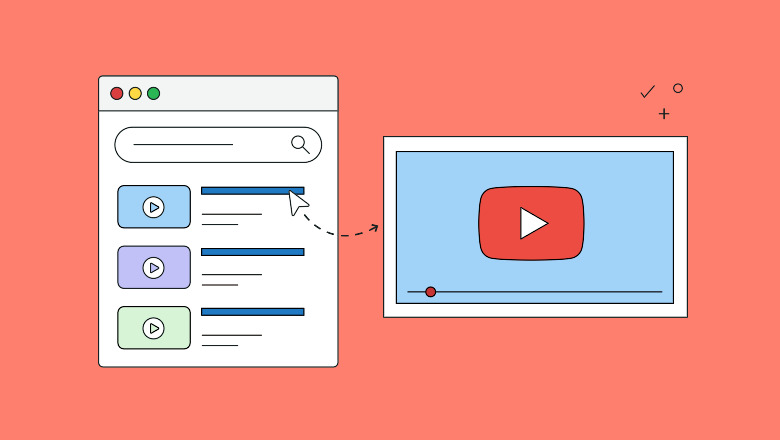
YouTube SEO: Strategies to Optimize Your Videos
Trying to wrap your head around YouTube SEO?
We get it. Getting your channel off the ground is a struggle.
By learning about YouTube marketing and SEO, you can make your videos more searchable and expand your channels’ reach.
Recent YouTube statistics tell us the platform is currently the second-largest search engine in the world. Meanwhile, video consumption is at an all-time high.
And despite popular belief, learning YouTube SEO doesn’t require a bunch of technical know-how or spammy tactics.
In this article, you’ll learn what YouTube SEO is and how it works. We’ll also introduce you to top YouTube SEO strategies and tools to help you succeed on the platform.
Table of contents What is YouTube SEO?
YouTube SEO is the process of optimizing your videos and channel to rank higher in YouTube’s search results. It involves using a variety of strategies and techniques to attract more organic traffic and put your content in front of your target audience.
How does YouTube SEO work?
SEO for YouTube works a bit differently from regular SEO.
While search engines can’t exactly watch video content, they can crawl the text components of those videos. These include closed captions, transcripts, titles, descriptions and tags.
Incorporating relevant keywords and phrases into these text components is an essential part of any YouTube SEO strategy.
Additionally, optimizing these elements on top of creating high-quality, engaging content helps you improve viewer experience, which directly contributes to your video’s popularity.
If your content is a hit with your audience, YouTube’s algorithm is more likely to bring it to the top of search results.
YouTube SEO strategies
In this section, we’ll look at several SEO strategies for YouTube to help you get your videos to the top of search results.
1. Perform keyword research
First things first: digging into video topics that people are looking for.
By default, YouTube does a pretty solid job of cluing creators into what viewers want. Simply type a keyword or term into YouTube’s search bar and you’ll see a slew of keywords from actual viewers. The purpose of keyword research isn’t necessarily to copycat the keywords that are already out there. Instead, you can use these terms to explore new potential topics and see what other keyword opportunities are out there.
For example, let’s say you’re a fashion YouTuber interested in making a video about distressed jeans. Simply by looking at the top results, we can see that peripheral terms like “DIY” and “denim” pop up alongside our primary keyword. Digging into other related terms, you can narrow down the niche of your video and find a unique angle beyond just “distressed jeans.”
For example, you might talk about a specific tool or technique (“scissors,” “knife,” “sandpaper”) or perhaps a certain style of distressed jeans (“big holes”). Niching down your videos means that you’re targeting a more defined audience and are less likely to try to compete against more established videos and channels. Another place to conduct video SEO research is through Google. That’s because YouTube videos rank in Google results, meaning that videos that pop up in a search are more than likely already optimized for SEO. Take note of what these sorts of videos do in terms of their titles and thumbnails (but more on that later). Finally, you can also conduct keyword research via Google’s Keyword Planner tool. Although not related to video SEO per se, the added bonus of using Google is that you can uncover real-world search terms that people are actually using. The purpose of keyword research is both to brainstorm ideas and figure out what viewers want. Including keywords and related terms throughout your content is a low-hanging way to boost your rankings versus videos that totally ignore YouTube SEO.
2. Add hashtags to your videos
Hashtags are a great way to get your videos more exposure. You can add relevant hashtags to your video titles and/or descriptions. Just like on other social media platforms, users can click on or search for hashtags on YouTube to view content related to specific topics.
Be careful with the number of hashtags you use. Don’t use too many or your content may come across as spammy. Stick to 2-3 of the most relevant terms, such as your company name, brand name, and main topic or keyword.
3. Create a playlist
Playlists help keep viewers on your channel for longer, which can improve your overall watch time and potentially lead to a higher ranking in search results.
Organizing your content into playlists on YouTube also makes it easier for viewers to find and watch related videos.
Finally, playlists help YouTube understand the theme and content of your channel, which can help improve your search visibility on the platform.
To optimize your playlists for SEO, you can use descriptive titles that include relevant keywords, add appropriate tags and make regular updates.
4. Optimize your video titles and descriptions
An enticing title and description can make or break your video. They are also great spots to highlight your keyword.
How to optimize YouTube video titles
Conventional wisdom says that ~75 characters is the sweet spot for titles, so you need to choose your words wisely.
Below are some examples of title formats that stick with our best practices of headline writing tips and allow you to seamlessly integrate your keyword ideas: Pose a question (“Why…” or “What is…”)
Make a listicle (“Top 5…” or “5 Reasons Why…”)
How-tos and tutorials (“How to…”)
Compare and contrast (“Ranking the 5…” or “Best to Worst…”) Channels like DFB Guide almost exclusively follow the formats above and their view-count speaks for itself. Although these aren’t the only types of titles you’re restricted to, they’re arguably the safest options for both piquing people’s curiosity and ease-of-use for keywords.
As a side note, try to avoid writing clickbait headlines–audiences are increasingly familiar with and fatigued by these tactics, meaning they may reduce trust in your content.
How to optimize YouTube video descriptions
Descriptions are definitely a big deal when it comes to YouTube SEO.
With 5,000 characters to work with, it might be tempting to stuff keywords here.
However, that’s obviously not what this space is for (and keyword stuffing could land you in trouble).
There are plenty of ways to naturally integrate keywords into your YouTube descriptions minus any sort of spam. Also, your descriptions are crucial for funneling traffic from YouTube to your website, landing pages and social media channels.
In short, don’t let this space go to waste. Here’s a combination of elements to include in your description: A brief summary of your video which integrates your primary keyword
Links to other relevant, keyword-specific videos on your channel
Timestamps on your video which integrate relevant search terms
Links to your website, social channels or other promotions Let’s look at some examples of solid descriptions that stick within the best practices of YouTube SEO without being totally spammy.
This description for Beardbrand integrates multiple keywords throughout, including links to other videos which translates into more engagement and longer watch-times (all good for video SEO). This description for Elgato manages to target keywords for their specific products, a smart move if you’re looking to tie the ROI of your YouTube channel to purchases on-site. This straightforward example from Food Wishes proves that including keywords in your descriptions doesn’t have to be complicated (note that this video ranks #1 for “Baklava recipe”). Here’s an awesome example from JHS Pedals which manages to integrate specific product-related keywords through timestamps. As a side note, including timestamps in your videos is great for engagement as it keeps your viewers from bouncing by allowing them to zero in on the most relevant parts of your videos. Finally, this example from SEMrush does all of the above with a keyword rich-description, timestamps and links to useful resources on their site. 5. Make the most of YouTube tags
Tags are a subtle aspect of YouTube SEO that your audience more than likely will never see, but they can help improve your visibility and ranking.
But again, that doesn’t mean you should go stuffing tons of tags in your videos.
The concept behind YouTube tags is simple: by tagging your videos with descriptive terms, you’re helping YouTube understand the content of your videos and recommend what’s relevant to viewers (think: “DIY jean distressing” or “distressed jeans scissors”).
Although YouTube themselves don’t specify how many YouTube tags are considered “optimal,” five or so seems to be fair game for most channels.
If you’re interested in example tags or want to see what tags your competitors are using, figuring both out is simple. Simply go to a video, view the page source (CTRL-U) and then search (CTRL-F) “keywords” to uncover the tags. 6. Create compelling thumbnails
Although thumbnails aren’t directly tied to video SEO, they’re crucial for grabbing the attention of viewers and therefore scoring clicks.
As a rule of thumb (ha!), here are some best practices of YouTube thumbnails for most channels: Striking colors (either via text or background)
Bold text which highlights the video’s title (or a benefit)
A person or some sort of action Here are some examples from Upright Fitness: Thumbnails are important for establishing your brand’s identity and giving your channel a much-needed sense of professionalism. Even if you’re not a design expert, you can create consistent, eye-popping thumbnails with the help of the following template tools: 7. Promote your content across networks
Let’s talk about some less technical YouTube SEO tips for boosting video engagement both on the platform and off of it.
Increasing clicks, views and subscriptions to your channel are all signals to the YouTube algorithm that can improve your overall visibility, and should be a goal of your video SEO strategy.
Asking for engagement in-video
When you’re trying to get more engagement, anything you can do to get a reaction from your viewers is a plus. Some tips for doing so include: Asking for comments, “likes” and subscribers (don’t be shy about this but also don’t be obnoxious)
Include some sort of call-to-action in your video (pose a question, for example)
Add a call-to-action or question in the first line of your video description You don’t have to beg for likes or comments, by the way. Just include a passing mention at the beginning or end or include an in-video prompt that doesn’t interrupt your viewers. Here’s an example from Emergency Awesome: Sharing and promoting your content beyond YouTube
Pointing viewers to your YouTube content means consistent promotion across as many channels as possible. This might include: Embedding videos on-site or within blog posts
Promoting your video content to your email subscribers
Sharing your videos via social media The last point is a big one. Video content performs well on social media, which is exactly why businesses make a point to share their latest videos time and time again across Twitter, Facebook, LinkedIn and/or Pinterest. How to Increase Domain Rating (Website Authority) by @samsgoh In this video, you’ll learn the three core factors that’ll improve your website’s link authority in a meaningful way.https://t.co/BzKjaptBMZ
— Ahrefs (@ahrefs) July 1, 2020 You can use tools like Sprout’s social media publishing platform to queue up and promote your videos as soon as they’re ready to go live. Additionally, Sprout’s built-in YouTube publishing allows you to push content directly to YouTube without having to leave our app. 8. Leverage analytics to find what’s working
The last piece of YouTube SEO is analyzing your results.
Through your YouTube analytics, you can assess your content’s performance to understand what’s doing well and what isn’t in terms of SEO.
For example, your YouTube dashboard can clue you in on the following: Which keywords are you ranking for?
Which types of videos perform well? (think: how-tos versus listicles)
How long are your top-performing videos?
Which videos result in the most traffic and off-platform engagement? If you want to know where your YouTube SEO strategy should go, you need to know where you’ve been. Based on your data, you can explore new topics and keywords which brings us full-circle.
Essential YouTube SEO tools
Sprout Social
Sprout Social is a social media management platform that offers a range of tools for managing and analyzing social media activity, including YouTube management. You can optimize your YouTube channels and videos for search with in-depth analytics, keyword and tag suggestions, and the ability to track performance and engagement.
Sprout Social also offers features for scheduling and publishing YouTube content, as well as the ability to collaborate with team members and clients.
YouTube autocomplete
YouTube autocomplete is the platform’s built-in tool that helps you identify top keywords related to your content. Simply type something in the platform’s search bar and view a list of suggested search terms. This gives you valuable insight into popular topics and content types on the platform. Use this to tailor our own content to better meet the needs and interests of your audience.
Ahrefs Keyword Research
Ahrefs is a powerful keyword research tool that can help you optimize YouTube videos for search. With Ahrefs, you can see the search volume and competition level for different keywords, as well as the keywords your competitors are ranking for. This information can help you identify the most relevant and valuable keywords to target in your video titles, descriptions and tags. Additionally, Ahrefs provides data on the types of queries that are driving traffic to your channel, as well as the specific keywords that are driving the most views to your videos.
TubeBuddy
TubeBuddy is another powerful tool that you can use to optimize your channel and videos for improved visibility and performance. Some of the key features of TubeBuddy include the ability to see what tags and keywords your competitors are using, the ability to bulk edit video titles and tags, and the ability to see detailed analytics about the performance of your videos.
AnswerThePublic
AnswerThePublic is a tool that allows you to enter a keyword or phrase and generates a list of questions that people are asking about that topic online. It’s a useful resource for understanding the interests, needs and concerns of your YouTube audience. Ready to put your YouTube SEO knowledge into action?
SEO for YouTube doesn’t have to be rocket science.
By sticking to the tips and principles above, you’re already way ahead of the curve when it comes to optimizing your videos for more reach.
And remember: video content is among the most-shared on social media. Find out how to use video to reach and engage your audience with current data and innovative tactics in our free Social Media Toolkit. Source link

Crear una estrategia ganadora para 2023
Cuando hacemos la cuenta regresiva para la medianoche, sacamos nuestras matracas y cantamos «Auld Lang Syne», simboliza un nuevo comienzo. Y como líderes de marketing, es nuestro trabajo decidir a dónde nos llevará ese comienzo y cómo vamos a llegar allí.
Este año, el futuro es más confuso. Hay tanto fuera de nuestro control que afectará directamente nuestros resultados y tácticas. No podemos controlar el gasto de los consumidores o la economía en general. No podemos controlar los cambios de algoritmo o cambios en el comportamiento del cliente. Pero podemos controlar nuestro mensaje, estilos de comunicación y cómo ejecutamos nuestros planes. Como líderes, tenemos la oportunidad de dar forma a nuestro 2023, incluso cuando los presupuestos se reducen y las contrataciones se estancan. Solo tenemos que ser creativos y mantenernos enfocados.
Liderando a través de la ambigüedad
Me he acercado a 2023 planeando como empacar para un gran viaje. Quieres estar preparado para cualquier cosa que pueda surgir, pero tu maleta es demasiado grande. Es imposible empacar todo lo que pueda necesitar para un viaje exitoso. Puede que no necesites algunas cosas o tengas que ir a comprar otras. Pero si planifica lo suficientemente bien, puede minimizar los ajustes que tendrá que hacer durante el viaje. Mientras elijo las capas base adecuadas para mi guardarropa de marketing de 2023, tengo en cuenta algunas cosas.
Comprometerse con los KPI
Independientemente de las condiciones del mercado, todos seremos responsables de nuestros KPI. Ya sea que esté tratando de aumentar los ingresos, capturar más participación de mercado o fortalecer su marca, esos objetivos deben ser inquebrantables y estar siempre a la vanguardia. Asegúrese de haber reducido a dos o tres objetivos extremadamente específicos. Los esfuerzos enfocados son la estrategia ganadora para 2023.
Comprende a tu audiencia
Sus prioridades han cambiado debido a los obstáculos económicos de 2022 y sus clientes no son diferentes. Ya sea que esté en B2C o B2B, los presupuestos están bajo un mayor escrutinio y necesita asegurar su lugar en las billeteras de sus clientes. En 2023, el 77 % de los consumidores informan que es más probable que aumenten sus gastos con las marcas con las que se sienten conectados. Ese número aumentó del 57 % en 2018. Si se va a volver indispensable para ellos, debe ser honesto sobre quién es y los problemas que resuelve, y comunicar su valor en un idioma que entiendan. Vigilar la eficacia de sus mensajes no es negociable. Reacciona rapido
Los días de tomar tres o cuatro meses para evaluar una tendencia han terminado. Si su equipo va a tener éxito en 2023, debe ser realmente ágil. Tan pronto como reciba información que podría afectar sus KPI, debe ajustarse. Su enfoque principal este año tiene que ser sus metas y progreso. Si ve que comienzan a resbalar, debe actuar rápido. Los datos sociales son su arma secreta para tiempos de reacción rápidos. Contiene información en tiempo real y sin filtrar sobre su audiencia. Aproveche todas las herramientas a su disposición para mantenerse ágil.
Ejecutando por excelencia
Una vez que haya establecido sus objetivos y su línea de base, es hora de reunir a las tropas. Ya sea que tenga un equipo de marketing de 10 o 10,000, su comprensión de sus objetivos y estrategia hará o deshacerá su año. Cuando se trata de ejecución, me enfoco en líneas abiertas de comunicación, creatividad y calidad sobre cantidad.
Mantente en la misma página
No es realista que los líderes de marketing piensen que podrán monitorear cada nueva iniciativa. Es mejor dedicar su tiempo a monitorear los KPI, no al éxito de los Tweets individuales. Para mantenerse al día, cada miembro de su equipo debe conocer los KPI por dentro y por fuera. Mientras te concentras en el panorama general, ellos pueden tomar las decisiones en el momento del juego que impulsarán gradualmente tu estrategia. Empoderarlos para hacerlo con una comprensión saludable de sus objetivos. Si algo cambia, hágaselo saber de inmediato. Confía en tu equipo.
Se creativo
A medida que se reducen los presupuestos de marketing, debe ser más específico. Este es el momento de la creatividad. Si su presupuesto social pagado se está reduciendo, su equipo debe centrarse en crear publicaciones sociales orgánicas con alcance. En tiempos de incertidumbre, es posible que queramos ceñirnos a lo que es cómodo, y Forrester predice que la mayoría de los CMO seguirán ese camino este año. Pero el mejor éxito vendrá de tomar riesgos calculados y probar cosas nuevas. Ofrezca a su equipo el espacio para ser verdaderamente creativo con su marketing.
Destacar la calidad sobre la cantidad
Un enfoque de rociar y orar no funcionará en 2023. Su mensaje debe ser específico. Debe orientarlo a su audiencia, orientarlo a las acciones que desea que realicen y orientarlo a cómo el éxito afectará sus KPI. Es mejor tener una campaña con un rendimiento extremadamente bueno que cinco decentes. No desperdicie valiosos recursos en ideas regulares. Comprométete con la mejor idea que tengas y combínala con la mejor estrategia de ejecución.
Haciéndolo un feliz año nuevo
Tener menos no significa hacer menos. Las perspectivas económicas pueden ser turbulentas, pero puede garantizar que su equipo de marketing se desplace sin problemas con una visión clara y una estrategia creativa. 2023 podría ser su año más exitoso hasta el momento.
¿Se pregunta qué más hay en el horizonte para 2023? Consulte esta lista de predicciones de redes sociales para 2023. Source link

Guía de informes y análisis de redes sociales
Al crear su estrategia de redes sociales, está eligiendo metas y objetivos que desea alcanzar con sus esfuerzos de marketing. Pero si no está monitoreando sus análisis, métricas y rendimiento de las redes sociales, ¿cómo sabrá si está alcanzando esos objetivos?
Los análisis de redes sociales son clave para demostrar el ROI, tomar decisiones comerciales informadas y mucho más, y afortunadamente, casi todas las plataformas ofrecen su propia forma de análisis en la aplicación. Además, hay una serie de herramientas de análisis de redes sociales que pueden ayudarlo a monitorear su desempeño con mayor profundidad.
A lo largo de este artículo, abordaremos por qué los análisis de redes sociales son tan importantes y a qué tipos de análisis debe prestar mucha atención.
¿Qué es el análisis de redes sociales?
El análisis de redes sociales se refiere a la recopilación de datos y métricas que lo ayudan a medir su rendimiento general en las redes sociales. Esto ayuda a los especialistas en marketing a comprender qué tipos de contenido de redes sociales resuenan mejor con su audiencia para que puedan dar forma y adaptar su estrategia en consecuencia.
¿Cuál es la importancia de la analítica de redes sociales?
El análisis de redes sociales ayuda a los especialistas en marketing con una serie de tareas, desde informar su estrategia hasta planificar campañas e ideas de contenido. Hay cinco beneficios principales con los que puede ayudar el seguimiento del análisis social.
1. Localización de tendencias
Trendspotting es el acto de identificar las próximas tendencias antes de que se generalicen, y vigilar de cerca sus análisis de redes sociales puede ayudarlo a hacer precisamente eso. Algunas de las tendencias que su análisis de redes sociales puede ayudarlo a determinar incluyen: Qué plataformas están ganando más tracción y popularidad (o perdiendo popularidad)
Temas de interés de los que habla tu audiencia (y sobre los que se menciona tu marca en las conversaciones)
Tipos de anuncios que le interesan a tu audiencia
Influenciadores y productos emergentes en su nicho
Tipos de contenido con los que su audiencia interactúa más Si se analizan adecuadamente, las estadísticas de sus redes sociales pueden ser de gran ayuda para identificar qué debe publicar más, qué tipos de contenido se están volviendo más populares y sobre qué querrá saber más su audiencia en el próximo trimestre o año.
2. Sentimiento de marca
El sentimiento de marca en última instancia significa cómo se sienten las personas con respecto a su marca. Incluye todos los sentimientos positivos y negativos que se discuten en línea, y el sentimiento de su marca se puede medir a través del análisis de sentimientos al observar sus análisis de redes sociales.
Esto puede ayudar a garantizar que su audiencia esté contenta con su negocio y que pueda detectar y administrar cualquier cliente insatisfecho.
3. Percepción de valor
La percepción del valor (o valor percibido) se refiere a la opinión general del cliente sobre el producto o servicio de su marca y si puede o no satisfacer sus necesidades. El valor percibido es clave para determinar la demanda e incluso el precio de un producto o servicio. Por ejemplo, si su producto tiene un valor percibido bajo, los clientes no estarán dispuestos a pagar mucho por él.
Puede medir la percepción del valor utilizando herramientas de escucha social y monitoreando los análisis y datos de esos paneles. Esto puede ayudar a impulsar su estrategia y guiar el contenido que crea para mejorar la percepción del valor y asegurarse de que está mostrando cómo su producto o servicio puede abordar los puntos débiles clave.
4. Establecer objetivos en las redes sociales
El análisis de redes sociales también puede ayudarlo a ver qué canales y contenido están funcionando bien, lo que lo ayuda a crear metas y objetivos de redes sociales procesables y realistas.
La palabra clave aquí es realista. Si echa un vistazo a sus análisis de redes sociales y se da cuenta de que su cuenta de Instagram está creciendo 10 seguidores por semana, tratar de pasar de 5000 seguidores a 10 000 seguidores en un solo trimestre es no un objetivo realista, incluso si renueva su estrategia de publicación.
En su lugar, puede intentar establecer una meta en la que su cuenta comience a crecer en 20 seguidores por semana, y aumentar constantemente esa meta a partir de ahí.
5. Probar el retorno de la inversión
Finalmente, su análisis de redes sociales puede ayudar a probar el ROI de sus esfuerzos de marketing en redes sociales. Cada vez que ejecute una nueva campaña, controle sus análisis sociales para ver el rendimiento del contenido, si las personas hacen clic en su sitio web y si está generando nuevas ventas.
El seguimiento de UTM y el acortamiento de URL son dos formas que facilitan aún más la prueba del ROI a través de análisis. De esta manera, puede realizar un seguimiento de los clics y las compras de campañas específicas que le llevan a sus esfuerzos en las redes sociales.
¿Cuáles son los tipos de análisis de redes sociales?
Hay varios tipos diferentes de análisis de redes sociales que debe monitorear y que pueden ayudarlo a guiar su estrategia y descubrir varios datos e información. Lo guiaremos a través de los seis tipos principales de análisis a continuación.
Análisis de rendimiento
En primer lugar, debe medir el rendimiento general de sus esfuerzos en las redes sociales. Esto incluye métricas de redes sociales como: impresiones
Llegar
Gustos
Comentarios
Comparte
Puntos de vista
Clics
Ventas Puede medir fácilmente todo esto dentro de su panel de control de Sprout Social: Esto mostrará cómo se está desempeñando su contenido de marketing real, si necesita cambiar el contenido que está publicando y qué tipos de publicaciones parecen gustarle más a su audiencia.
Análisis de audiencia
A continuación, querrá echar un vistazo a los análisis de su audiencia. Esto lo ayudará a descubrir a qué audiencia demográfica está llegando su audiencia y asegurarse de que coincidan con su audiencia objetivo. De lo contrario, es posible que deba ajustar su estrategia de contenido para atraer mejor a aquellos a los que desea llegar.
El análisis de audiencia incluirá datos como: Años
Género
Localización
Dispositivo Con Sprout Social, también puede recopilar análisis de audiencia sobre temas específicos relacionados con su industria, lo que puede ayudarlo a desarrollar los perfiles de sus clientes. Aquí hay un ejemplo de cómo podría verse eso para uno de sus temas: Análisis de la competencia
Otra área clave a tener en cuenta es cómo les está yendo a sus competidores en las redes sociales. ¿Cuántos seguidores tienen? ¿Cuál es su tasa de compromiso? ¿Cuántas personas parecen interactuar con cada una de sus publicaciones?
Luego puede comparar estos datos con los suyos para ver cómo se compara, así como qué tan realista puede ser el crecimiento en el compromiso para sus objetivos.
Con una herramienta como Sprout, puede recopilar todos estos datos en un solo lugar y medirlos red por red. Preste atención a cómo su promedio se compara con el promedio de sus competidores y ajuste su estrategia de redes sociales en consecuencia.
Análisis de anuncios pagados
Cuando estás poniendo dinero detrás de publicaciones específicas en las redes sociales, quieres asegurarte de que estén funcionando bien. Esta es la razón por la que es absolutamente necesario que preste mucha atención a los análisis de sus anuncios pagados.
Algunos de los análisis de anuncios más importantes para medir incluyen: Número de anuncios activos
Clics
Clic por calificaciones
Costo por click
Costo por compromiso
Costo por accion
Tasa de conversión
Gasto publicitario total Cada plataforma de redes sociales en la que publique anuncios tendrá su propio tablero para brindarle toda esta información, pero es posible que también desee crear su propia hoja de cálculo para realizar un seguimiento de los anuncios totales y la inversión publicitaria.
Análisis de influenciadores
Si está ejecutando campañas de marketing de influencers, el seguimiento del éxito de estas asociaciones es esencial para demostrar el ROI. Algunos de los datos de los que querrá realizar un seguimiento incluyen: Número de publicaciones creadas por influencer
Número total de interacciones por publicación
Tamaño de la audiencia de cada influencer
Uso de hashtags y participación Esto puede ayudarte a medir el compromiso general de tus campañas de influencers. También puede crear códigos de promoción para que los use cada influencer individual, de modo que su equipo también pueda saber cuántas ventas ha generado cada influencer.
Análisis de los sentimientos
El último segmento importante de análisis de redes sociales que querrás rastrear es el sentimiento de marca. Hablamos de esto anteriormente y de cómo los análisis de redes sociales pueden ayudarlo a determinar esto. Puede usar tácticas de escucha social para medir la connotación sobre un tema determinado; en este caso, dicho tema sería el nombre de tu marca.
El panel de escucha social de Sprout también puede ayudar a medir el sentimiento de su marca, mostrando cómo se sienten los usuarios acerca de su marca o cualquier tema de marca que establezca. Comienza a medir tus análisis de redes sociales
No entre a ciegas en su estrategia de redes sociales. Comience a monitorear y medir sus análisis de redes sociales para saber cómo se siente su audiencia con respecto a su producto o industria, qué tipos de contenido resuenan mejor, cuántas ventas está generando a través de las redes sociales y mucho más.
Comience con una prueba gratuita de Sprout Social para descubrir cómo podemos ayudarlo a medir todo esto y más a través de nuestro panel integral. Source link