
4 Tips for Managing Customer Data
Collecting and managing customer data is ubiquitous in our digital-forward world. Customer data enables personalized social feeds and customer-centric marketing by making it easy to find your most engaged audience members.
Yet, data breaches and opaque collection practices have also turned customer data into a minefield. To harness the full potential of the data you collect, it’s imperative to demonstrate to your customers that their personal information is in good hands.
In this article, we’re giving you the tools to master customer data management on social media, so you can open up the door to gaining actionable business insights, improving cross-collaboration and delivering more effective sales and marketing strategies.
What is customer data management?
Customer data management (CDM) is the process of lawfully (and ethically) collecting, storing, organizing and protecting customer information for the purpose of gleaning insights that improve a brand and its offerings. Social and business intelligence data offers companies a wealth of information about their customers. By taking the raw data and distilling it into important insights, you will learn powerful ways to improve customer satisfaction across the board—from your customer care operations to product development. Bottom line: For long-term growth and success, your brand must always find new ways to improve your customers’ experience and optimize your targeting efforts. And you can’t do that without customer data.
Why customer data is one of your most valuable assets Customer data is the root of business intelligence. The good news is your brand already has a wealth of data at your fingertips, and there’s probably more available you haven’t tapped into yet.
Collecting data and understanding your audience at every stage in the customer journey is key to nurturing relationships. It starts with having up-to-date information about your customers (like valid email addresses, their past experiences with your brand and psychographic data) and determining which channels they’re most likely to use (like social media or text). These insights empower you to create a better experience with your brand, which increases customer loyalty, retention and evangelism.
For example, when a customer contacts you on social media about an issue with their order, having their order history, shipping address and past interactions on file will save your team and the customer time, while making the customer feel like you value their business. But remember: You must use customer data effectively and securely store it for people to trust your brand.
We all have brands we’re loyal to. And when they contact us or we see their posts, we’re more likely to engage and get reeled in by their promotions. Customer data helps your brand narrow-in on your ideal target audience with your marketing and sales tactics. With customer data on-hand, you can build more impactful marketing campaigns and create ample opportunities for upselling and cross-selling.
Customer data plays a pivotal role in making informed business decisions across the organization that foster continued growth for your company.
4 tips for managing and sharing customer data org wide
When it comes to data collection, there are infinite things you can learn about your customers. From basic attributes (like name, email address and demographics) to how they interact with your brand online (engagement, cost per click and conversion metrics). You can track their purchasing behavior (order history, average order value, usage) and source attitudinal data (voice of customer, sentiment and psychographics).
With so much rich customer data available, proper management is key. The data you have is only as good as your ability to use it. Here are four tips for managing and sharing customer data at your organization. 1. Gather information with customer consent
It’s non-negotiable to be transparent about your data collection process. If you don’t give your customers full visibility into the data you’re collecting and how you’re using it, you will violate their trust and could face legal consequences, including harsh fines and penalties.
Instead, aspire to be a consumer privacy advocate and make your data collection processes customer-centric. When you gather customer data via surveys, website forms, transaction history, tracking cookies and social media analytics, explicitly tell your customers and prospects what you’re using the data for. Only collect the details you absolutely need and use it for the exact purpose(s) you specified. Also be clear on how long you will keep and use the data. 2. Invest in management software
Housing your customer data in a spreadsheet is both unsafe and inefficient. Improper storage of any kind opens your company up to the risk of a breach or misuse of data. To up-level your customer data management, invest in software that solidifies your security measures and harnesses/manages your data in one place. Having a single source of truth is crucial.
For example, Salesforce CRM software offers layers of security like multi-factor authentication, regulation compliance, user activity tracking and anonymized data to protect your customers (and your business). Sprout Social’s integration with Salesforce enables users to manage all their social customer care requests directly from Service Cloud, while enriching customer CRM profiles with social data. This is a major win for your data security and customer service efforts. Request a demo of our integration today.
3. Train your team
Managing customer data is only possible if your whole team is on board. Host regular customer data trainings to empower ethical access and usage. Emphasize why customer data is important, how to use it for different business use cases and ways to share important insights across departments.
We recommend creating specific data collection, usage and sharing policies for your company. Make relevant details of your policy public-facing to provide additional transparency to your customers. 4. Regularly backup and update your data
To be a good steward of customer data, make sure your data is always current. Perform frequent updates by recycling unresponsive leads, validating customer information and amalgamating duplicates. Regularly delete data you no longer use or that is past its expiration (like we mentioned in step one).
You should also have a customer data backup plan in the event you accidentally lose valuable data due to tech or human error.
How social media fuels your customer data engine
Social media platforms contain an endless supply of consumer data—you just need to know how to analyze it so you can discover actionable insights. Like identifying who your most engaged followers are. Or figuring out what your target audience is saying about your brand when they don’t tag you.
A person’s interactions with a brand on social—from the first time they like a post to the last time they DM a brand—give businesses so much insight into their customer experience and journey. From social data alone, you can learn: Customer demographic and psychographic information
Interests and hobbies
Other brands they follow
What content they engage with
Their feelings toward your brand, products and industry Use these findings to create a more holistic view of your customer by infusing social metrics into your consumer data engine.
How Sprout Social can help make managing (and using) customer data easier
With Sprout’s social media management features, it’s easy to collect, manage, analyze and utilize customer data. Our all-in-one social media management platform unlocks the full potential of social customer data to transform not just your marketing strategy—but every area of your organization.
Customer service features
The Smart Inbox unifies all your social messages into a single stream so you can foster relationships and respond to your audience quickly. It helps you visualize all inbound message volume across profiles, find new conversations happening about your brand and respond from one place. Contact Profile Views within the inbox provide a window into a user’s social media presence. From this view, you can reply, add custom contact information, notes and even see message history between you and your customer—streamlining all customer care actions. If you’re a Salesforce customer, you will be able to see if the user is already a lead or contact.
Listening
Sprout’s Listening tools help brands tap into global social conversation to extract actionable insights, identify industry gaps and improve brand health. Use listening to find and explore actionable audience data like demographics, sentiment, conversation topics, campaign analysis and competitor performance. Social analytics and dashboards
Sprout’s analytics tools speed up data collection and distribution. Access metrics from owned and paid media like impressions, engagements, audience growth and cost per click. Dashboards—including interactive charts and graphs—reveal trends in customer data, and make it easy to share findings with internal partners and stakeholders. For example, with Sprout’s Tableau BI Connector, combine the power of social data with your other business channels. The tool enables you to analyze data, create custom metrics and merge different data sources. This seamless and customized view gives you a consolidated source of truth for wider business insights and performance. To start collecting, managing and sharing customer data from social media, begin your free 30-day Sprout Social trial today.
Start your free Sprout trial Managing customer data FAQ Why is managing customer data important? Managing customer data is vital to protecting both your consumers and your brand. Without effective management strategies in place, your customer data is subject to data breaches that cost you customers’ trust, which can result in business loss and legal damages.
Effectively leveraging customer data enables you to build more effective campaigns and nurture relationships with prospects and current customers. Sharing the data insights across your organization will help you provide a better end-to-end customer experience and create more opportunities for upselling and cross-selling. What are the key elements of customer data management? The key elements of proper customer data management include: Collecting data with customer consent. When you gather personal information, explicitly tell your customers and prospects what you’re using their data for. Only collect the details you absolutely need and use it for the exact purpose(s) you specified. Be clear about how long you will keep and use the data.
Investing in management software solidifies your security measures and makes it possible to share customer data across business functions.
Training your team is essential to empowering ethical customer data access and usage company-wide. Create specific data collection, usage and sharing policies for your company.
Backing up and updating your data so it’s always current. Perform frequent updates, and regularly delete data you no longer use or that is past its expiration. Have a plan in place for backing up your data. What are the types of data management tools? The types of data management tools include: Customer database management (CDM). This tool stores customer data and information that help companies optimize their marketing, sales and other business efforts.
Social media management tool. This platform finds and analyzes consumer data and insights from across different platforms.
Product information management. This tool houses and manages product information that enables the selling and marketing of a brand’s products.
Admin and financial resources management. This tool helps create budgets, monitors financial health and supports company financial procedures. Source link


Comprender y explorar las funciones de las redes sociales
Con tantos ecosistemas de redes sociales en competencia, puede ser abrumador hacer un seguimiento de todas las funciones. ¿Cómo sabe qué plataforma priorizar para lograr el mayor impacto en su negocio? La mayoría de los expertos le dirán que no hay una forma correcta de hacerlo.
¡Y estamos de acuerdo! Pero discutiremos las características comunes de las redes sociales de las que las marcas se benefician más y algunas características sin explotar a considerar. También explicaremos los criterios que las marcas pueden seguir para decidir en qué aplicación de redes sociales invertir.
Características y funciones principales de las redes sociales para su marca
Aunque cada plataforma social es diferente, comparten algunas funcionalidades que las diferencian de otros tipos de medios. Estas son algunas de las características comunes de las redes sociales que las marcas aprovechan para interactuar con su audiencia.
Compartir contenido y viralidad
El contenido de las redes sociales tiene el potencial de generar un alcance y una participación exponenciales: el factor de viralidad. A medida que a más personas les gusta, comparten y comentan sus publicaciones, se exponen a audiencias más nuevas que podrían estar interesadas en lo que ofrece su marca. En comparación con otras formas de medios, publicar contenido es más simple, no implica trámites y es más rentable.
Compromiso de la audiencia
Las redes sociales crean un espacio para la interacción directa con clientes potenciales, a diferencia de la mayoría de los medios tradicionales, que son una calle de un solo sentido para el compromiso.
Establecer su presencia en las redes sociales y responder a los comentarios lo hace parte de la conversación. Al interactuar con su audiencia, puede comprender qué contenido resuena, la percepción de su marca, además de descubrir problemas y características comunes que desean sus clientes.
Características para la participación de la audiencia: Comentarios y reacciones en las publicaciones.
Mensajes directos
vídeos en directo Ventas y crecimiento
El comercio social es cada vez mayor. Alrededor del 68% de los consumidores respondieron que hicieron al menos una compra directamente desde las redes sociales en 2021.
Algunas aplicaciones de redes sociales permiten que las marcas muestren catálogos de productos y completen compras dentro o fuera de la aplicación.
Funciones de compras sociales: La mayoría de las redes sociales también tienen comercio electrónico, y puede usar las redes sociales para atraer tráfico a su sitio web. Por ejemplo, el enlace en la función de biografía puede dirigir a su audiencia a más contenido en su sitio web. Aquí hay un ejemplo de una biografía interactiva de Cuenta de Twitter de Semrush: Generación líder
Social tiene funciones dedicadas a generar clientes potenciales, como anuncios optimizados para dispositivos móviles que capturan los detalles de los clientes mientras ofrecen un imán de clientes potenciales. También puede crear experiencias personalizadas ejecutando anuncios de reorientación para convertir visitantes anteriores o carritos abandonados.
Características para la generación de leads: Este es un ejemplo de un anuncio de carrusel patrocinado en LinkedIn por Refinitiv. Aumentaron su tasa de clics en un 34 % a través de esta campaña, que también generó clientes potenciales de calidad. Principales funciones que tienen en común las aplicaciones de redes sociales
Análisis e informes
Todas las aplicaciones principales ofrecen análisis que informan qué tan bien se desempeñó su contenido, así como información demográfica sobre su audiencia. Utilice la función de análisis para adaptar su estrategia de marketing en redes sociales y demostrar el ROI. Mida también el rendimiento de sus actividades en las redes sociales, desde el crecimiento de la audiencia y el compromiso hasta las compras.
Y no te olvides de la escucha social. Analice conversaciones sobre su marca e industria para identificar tendencias y comprender el sentimiento.
Atención al cliente y comunicación
Cada vez más usuarios recurren a las redes sociales cuando quieren comunicarse con las marcas o expresar sus quejas. Según The 2022 Sprout Social Index™, el 57 % de los consumidores esperan una respuesta en las redes sociales en un plazo de 12 horas.
Esto significa que las marcas deben estar preparadas para abordar las preocupaciones de los clientes y las posibles crisis de marca a través de: Servicio al Cliente: Anime a los clientes a comunicarse con su marca en las redes sociales para consultas de servicio al cliente.
Manejo de reputación: si un cliente publica sobre una experiencia negativa, reconozca el comentario y luego solucione el problema. Intente ofrecer una solución en un DM, para que tenga más control sobre lo que se dice sobre su marca.
Comunicacion de Crisis: En caso de una crisis, haz que sea una prioridad publicar sobre ella en las redes sociales y deja que tus seguidores sepan cómo y cuándo se resolverá. Stripe responde de manera proactiva a los clientes que publican sobre los problemas que enfrentan en las redes sociales. Características que permiten la comunicación con el cliente: Mensajes directos (DM)
Respuestas guardadas en DM
Comentarios en publicaciones También puede utilizar herramientas como Sprout Social para gestionar las expectativas de los clientes y ofrecer experiencias personalizadas y receptivas en las redes sociales a escala.
Funciones de colaboración
Algunas aplicaciones sociales han lanzado recientemente funciones de colaboración, por lo que puede crear contenido junto con otras marcas o creadores. Aparecerá una publicación de colaboración en los perfiles de ambos usuarios, lo que les dará a las marcas el potencial de aprovechar las audiencias leales de los demás.
Características para la colaboración de marca: colaboración de instagram
Asociaciones pagadas en Reels
Administrador de colaboraciones de marca de Facebook
Carpeta de mensajes de asociación de Facebook
Dúo TikTok Navegación por la superposición de funciones en diferentes plataformas
Entre las similitudes y las diferencias, puede ser abrumador comprender dónde invertir su tiempo, energía y recursos para su marca.
En lugar de intentar descifrar cada plataforma, prioriza las más relevantes para tu audiencia y marca. Aquí hay algunos consejos para ayudarlo a evaluar qué funcionará mejor para usted.
Conoce a tu audiencia
¿En qué plataformas de redes sociales pasa el tiempo su público objetivo? Una vez que sepa dónde está su audiencia, puede priorizar fácilmente dónde debe invertir en la presencia de su marca.
Luego, sepa cómo su audiencia usa esa plataforma: ¿Con qué tipo de cuentas interactúan, cuáles son sus formatos de contenido preferidos, cuánto tiempo pasan? Recopile datos realizando una encuesta, revisando las cuentas de la competencia, leyendo informes de la industria o usando una herramienta de escucha social.
Establecer metas
Elija plataformas en función de sus objetivos comerciales, ya que esto lo ayudará a decidir qué características específicas beneficiarán más a su marca.
Por ejemplo, si su objetivo es aumentar las ventas, elija una plataforma con funciones de compras. Si su objetivo es hacer crecer su lista de correo electrónico, utilice las funciones de generación de prospectos.
Elija en función de su tiempo y recursos
¿Cuánto tiempo puede dedicar al marketing y la gestión de las redes sociales? ¿Qué tipo de contenido te sientes más cómodo creando? Responder estas preguntas lo ayudará a decidir qué plataforma es mejor para usted.
Por ejemplo, las plataformas basadas en imágenes como Instagram pueden requerir más tiempo en comparación con las plataformas basadas en texto como Twitter.
También deberá considerar la frecuencia con la que publicará en cada plataforma para alcanzar el nivel de participación deseado.
Funciones sociales sin explotar que las marcas deben conocer
Entre los puntos en común, también hay algunas gemas únicas. Aquí hay algunas características menos conocidas que pueden beneficiar a su marca.
Guías de Instagram
Las guías de Instagram son una selección de publicaciones publicadas que aparecen por separado en su perfil. Las guías son como las Historias destacadas porque pueden ayudar a tu audiencia a encontrar contenido específico que les interese mucho después de que lo hayas publicado inicialmente. Hay tres tipos diferentes de guías de Instagram: Publicar guías: selecciona publicaciones sobre un tema específico, comparte recursos útiles y selecciona listas.
Guías de productos: haga que los productos de comercio electrónico sean el centro de atención.
Guías de lugares: selecciona una guía usando publicaciones con etiquetas geográficas específicas. Páginas de presentación de LinkedIn
Las páginas de productos son una característica subestimada de LinkedIn que ayuda a las marcas que atienden a múltiples segmentos u ofrecen varios tipos de productos.
Puede dirigirse a segmentos de audiencia con páginas de presentación dedicadas en función de diferentes criterios como intereses, preferencias, profesiones y más.
tarjetas de youtube
Las tarjetas de YouTube son tarjetas de enlace que aparecen a lo largo de un video para dirigir a los espectadores a otro contenido relacionado. Puede agregar tarjetas para promocionar otro video, una lista de reproducción, un canal o un enlace externo. Muchos creadores dejan de lado las tarjetas y solo usan el cuadro de descripción. Use tarjetas para dirigir la atención de sus espectadores, en el momento, a un contenido en particular.
Fiesta de vigilancia de Facebook
Watch Party le permite transmitir en un momento determinado de su elección en un grupo de Facebook. Es diferente de Facebook LIVE porque está pregrabado y puedes participar mientras las personas miran el video. Sin embargo, puede usarlo para volver a transmitir un Facebook LIVE, así como crear listas de reproducción con varios videos u organizar una fiesta para ver un video de una cuenta de socio.
Organizar una Watch Party es una excelente manera de reutilizar el contenido de video que anteriormente funcionó bien.
Cómo mantenerse al día con las características y tendencias cambiantes de las redes sociales
Las características de las redes sociales son dinámicas y evolucionan. Constantemente se agregan nuevas funciones y el comportamiento del usuario cambia. Por lo tanto, debe mantenerse al día con las últimas funcionalidades para crear estrategias exitosas de marketing en redes sociales.
Puede navegar a través del ruido analizando críticamente qué es lo más esencial para su negocio y qué plataformas impulsarán su negocio.
¿Quieres saber más sobre las funciones de las redes sociales? Aquí hay algunos artículos para ayudarte: Source link

Estadísticas de defensa de los empleados para asegurar la aceptación de nivel ejecutivo
Asegurar la aceptación de C-suite es esencial para hacer despegar cualquier nuevo proyecto. Para comunicar su visión de manera clara y concisa, debe liderar con números.
Al llevar un programa de defensa de los empleados a la cadena, las estadísticas de defensa de los empleados deben ser la columna vertebral de su presentación. Los encargados de tomar decisiones quieren ver pruebas del éxito y los beneficios medibles que obtendrá su empresa al lanzar un programa de amplificación de marca.
Siga leyendo para obtener estadísticas sobre la defensa de la marca de los empleados que captarán la atención de múltiples líderes en su C-suite.
Las estadísticas de defensa de los empleados que su jefe necesita ver
Según The Sprout Social Index™, más de dos tercios (68 %) de los especialistas en marketing informan que su organización ya cuenta con un programa de promoción. Si bien muchos programas de defensa son proyectos paralelos informales, las marcas sofisticadas encontrarán formas de formalizarlos y desarrollarlos a través de personal, herramientas, procesos y capacitación de empleados dedicados.
De los más de 1000 especialistas en marketing a los que les preguntamos, aquellos que tenían un programa de defensa afirmaron que sus tres objetivos principales eran aumentar el conocimiento de la marca, atraer a solicitantes de empleo calificados y tener más control sobre los mensajes de la marca. Otras razones incluyeron la obtención de clientes potenciales más calificados, el establecimiento de liderazgo intelectual y la creación de nuevas oportunidades para establecer contactos. Y los empleados quieren publicar sobre sus empresas. Según el Informe de defensa de los empleados de Sprout, el 72 % de los usuarios comprometidos publicaría sobre su empresa si el contenido se escribiera para ellos. Su discurso de C-suite: Las tácticas tradicionales de las redes sociales se están volviendo menos confiables. Las organizaciones que lideran la carga de defensa tienen una ventaja sobre sus competidores. Frente a los recursos limitados, los algoritmos cambiantes y las fuentes congestionadas, un programa de defensa es el mayor activo de una empresa para amplificar el contenido, aumentar el ROI y reclutar a los mejores talentos.
El uso de la plataforma de defensa de los empleados de Sprout es la forma más fácil de lanzar un programa de defensa de la marca. En la plataforma, proporciona mensajes preaprobados que su equipo puede compartir desde un centro centralizado. Y su equipo interno puede seleccionar los artículos directamente en Sprout. Los empleados están facultados para publicar de manera auténtica, mientras se sienten seguros de que se mantienen fieles a la marca. Estadísticas que prueban el impacto de la promoción en la amplificación de la marca
La defensa potencia sus esfuerzos de reconocimiento de marca y le permite ampliar su alcance más allá de lo que podría lograr solo con tácticas orgánicas.
Tomemos como ejemplo a la empresa de software de TI Ivanti. Después de crear un programa de embajadores de la marca con la ayuda de la plataforma Advocacy de Sprout, la organización llegó a 16 millones de personas en las redes sociales en el primer mes. Obtuvimos resultados similares en Sprout. En 2022, el contenido compartido a través de nuestra plataforma Advocacy obtuvo más impresiones que todas nuestras redes sociales juntas. De hecho, el 95 % de las 740 000 impresiones obtenidas de nuestro reciente anuncio de asociación global con Salesforce fueron impulsadas por publicaciones que compartieron nuestros empleados. Su discurso de C-suite: En todas las industrias, el desempeño social orgánico se ha visto afectado. Aprovechar las redes de empleados es la forma más impactante de amplificar su contenido de mejor rendimiento y aumentar las impresiones, sin estirar su ancho de banda o presupuesto publicitario.
La plataforma Advocacy de Sprout mide automáticamente las acciones, las interacciones y el alcance, para que pueda ver sus impactos de amplificación en tiempo real. Estadísticas que prueban el impacto de la promoción en los ingresos
Reclutar a sus empleados como defensores de la marca no solo es clave para aumentar la conciencia, sino que tiene efectos graves en sus resultados y objetivos de ventas.
En primer lugar, la promoción le permite escalar y ampliar su contenido de mejor rendimiento para que pueda generar clientes potenciales calificados sin forzar su presupuesto publicitario. Por ejemplo, en Sprout, alcanzamos casi $450 000 en valor de medios ganados en 2022, mientras que Ivanti logró más de $500 000.
En segundo lugar, según el Informe de defensa de los empleados de Sprout, publicar contenido de la empresa ayuda a los empleados a cumplir con sus tareas diarias y objetivos a largo plazo, incluidas las ventas sociales. Alrededor del 72 % de los usuarios comprometidos de las redes sociales y el 62 % de los usuarios casuales dicen que compartir publicaciones de la empresa ayuda a sus esfuerzos de venta social. Empoderar a sus empleados para que compartan contenido significativo los posiciona como líderes de opinión en su industria, ayudándolos a generar nuevas oportunidades comerciales. Como informa LinkedIn, los vendedores que comparten regularmente sobre su empresa en las redes sociales tienen un 45 % más de probabilidades de superar su cuota.
Su discurso de C-suite: La defensa desbloquea las ganancias de ingresos al complementar sus esfuerzos de generación de demanda. Desde lograr valor mediático ganado hasta capacitar a los miembros de su equipo para que hagan su mejor trabajo, invertir en una estrategia de amplificación de la marca de los empleados paga dividendos.
Las herramientas de generación de informes de Employee Advocacy de Sprout le brindan los datos necesarios para cuantificar su programa de defensa y para conectar los resultados con clientes potenciales, registros de eventos y más. Estadísticas que prueban el impacto de la promoción en la contratación (y conservación) de los mejores talentos
Los nuevos empleados potenciales investigarán su empresa en las redes sociales y estarán atentos a lo que piensan sus empleados actuales al respecto. Después de todo, las perspectivas de sus empleados son tres veces más importantes para los posibles candidatos que las de su director ejecutivo. Cuando los empleados celebran la cultura de su empresa, elevan su marca de empleador y aumentan el interés en su empresa.
En una encuesta reciente de Sprout a 1000 consumidores, el 87 % de los millennials encuestados indicaron que se sienten más conectados con las marcas cuando ven a los empleados compartiendo información en línea, y el 81 % cree que es importante que los empleados publiquen sobre su empresa (frente al 72 % en nuestra encuesta). encuesta anterior). La defensa también invita a sus empleados actuales a ser administradores de su marca, fomentando un sentido de propiedad, lealtad y pertenencia. Cuando los empleados tienen una participación en su empresa, mejora su moral, compromiso y retención a largo plazo.
Su discurso de C-suite: La creación de defensores de los empleados fortalece sus estrategias de contratación y retención. La promoción amplía su grupo de candidatos y genera un sentimiento social positivo y rumores que aumentan el volumen de su solicitud.
Desde la plataforma de Sprout, puede redactar y enviar boletines internos personalizados. Transmita historias seleccionadas sobre puestos vacantes, logros de la empresa y contenido de la marca del empleador para que sus empleados puedan compartir las publicaciones desde su bandeja de entrada con un solo clic. Por qué vale la pena invertir en Employee Advocacy de Sprout Social
La defensa de los empleados de Sprout Social es la forma más fácil de ampliar su alcance social, aumentar el conocimiento de la marca, impulsar las ventas y atraer talento, mientras satisface a sus empleados con una plataforma fácil de usar.
Como un cliente de Sprout en la industria de la salud que aumentó sus compromisos en un 200 % en seis meses después de lanzar su programa de promoción. Sus empleados también reportaron un 98% de satisfacción con la plataforma. Calcule cómo su empresa puede beneficiarse del uso de la plataforma de Employee Advocacy con nuestra calculadora de ROI. Source link

Elon Musk recurre a pedir a los usuarios que le den «me gusta» a los anuncios de autos eléctricos de la competencia en Twitter.
El director ejecutivo de Tesla Inc., Elon Musk (centro), sale de la corte en San Francisco … [+]California (EEUU) martes 24 de enero de 2023 Marlena Sloss/Bloomberg© 2023 Bloomberg Finanzas LPEl CEO de Twitter, Elon Musk, quien supuestamente está luchando con la participación en su plataforma de redes sociales, pidió personalmente a los usuarios de Twitter el viernes que les gustara un anuncio de automóvil para Hyundai. La última prueba de que Musk se está quedando sin ideas sobre cómo hacer que Twitter sea rentable fue esta.»Presiona el corazón», tuiteó Musk a sus seguidores sobre el anuncio del automóvil el viernes.El anuncio, protagonizado por el actor Kevin Bacon y su hija Sosie Bacon, es para el automóvil eléctrico Hyundai Ioniq 6, que es un competidor directo de la propia compañía de vehículos eléctricos de Musk, Tesla.»Sosie Bacon se preocupa cada vez más cuando @kevinbacon criticó a su padre por el Hyundai #IONIQ6 totalmente eléctrico», decía el tuit, que también incluye un video.Cientos de los casi 129 millones de seguidores de Musk presionaron obedientemente el botón del corazón, algunos incluso grabar videos de sí mismo, pero el compromiso del anuncio aún era pequeño en comparación con el alcance de Musk. Según el número de espectadores, 53.000 personas habían visto el anuncio. En el momento en que se escribió este artículo, había 2.550 me gusta. Curiosamente, el tweet de «presionar el corazón» de Musk actualmente tiene más «me gusta» (3077) que el anuncio que estaba tratando de promocionar.Es probable que Musk se esté poniendo nervioso antes del juego del Super Bowl del domingo, aunque solo sea porque los principales eventos nacionales e internacionales pueden desafiar a los servidores de Twitter en el mejor de los casos. Pero, según los informes, una interrupción reciente ha llevado a Musk a no solicitar ningún cambio de implementación nuevo hasta después del gran juego, un intento de garantizar que la plataforma de redes sociales pueda manejar una gran afluencia de tráfico.Muchas compañías automotrices dejaron de anunciarse en Twitter después de la adquisición de Musk, no solo porque Musk es dueño de Tesla, sino también porque a muchas marcas les preocupaba que las cuentas extremistas pudieran volver a la plataforma. Queda por ver si los anunciantes volverán a Twitter con regularidad.A pesar de las afirmaciones anteriores de Musk de ser un «absolutista de la libertad de expresión», el multimillonario ha cerrado cuentas con contenido antisemita, incluidas las de su amigo Ye, antes conocido como Kanye West. Según Reuters, Nick Fuentes ha sido expulsado de la plataforma por supremacista blanco. Fuentes, como siempre, ha estado arrojando basura antisemita, aunque no está claro qué esperaba Musk cuando permitió que tales informes regresaran.Musk también ha insistido en que nunca volvería a llamar al presentador de la teoría de la conspiración Alex Jones por las mentiras anteriores del vendedor ambulante de InfoWars sobre el tiroteo masivo de 2012 en la escuela primaria Sandy Hook que mató a 20 niños y seis adultos. Jones inicialmente afirmó que el tiroteo fue un engaño, pero cambió de opinión después de que las familias sobrevivientes lo demandaron.Otras cuentas controvertidas han sido recuperadas y siguen siendo tuiteadas, como la del exasesor de Donald Trump de Roger Stone y el propio Trump, que no ha tuiteado desde que se reactivó su cuenta. Según los informes, Trump tiene un acuerdo exclusivo con su propia plataforma de redes sociales, Truth Social, y no está claro si aún puede twittear si así lo desea.Solo el tiempo dirá si Musk puede convertir Twitter en la máquina de hacer dinero que imagina. Musk ha anunciado un acuerdo para compartir los ingresos publicitarios con los desarrolladores. Sin embargo, los detalles sobre este programa son escasos. El único requisito para que los usuarios cobren es que se suscriban a Twitter Blue, el plan de suscripción de $8 al mes de Musk. Según las estadísticas, hasta el momento solo se han registrado 140.000 usuarios New York Times. No hace falta decir que Musk no gana mucho si se cree en ese número.(function(d, s, id) { var js, fjs = d.getElementsByTagName(s)[0]; if (d.getElementById(id)) return; js = d.createElement(s); js.id = id; js.src = «//connect.facebook.net/en_US/sdk.js#xfbml=1&version=v2.5»; fjs.parentNode.insertBefore(js, fjs); }(document, ‘script’, ‘facebook-jssdk’));

4 Unexpected Industries Making Waves on Social
There’s a place for everyone on social media. Whether you’re into knitting figures from your favorite TV shows or foraging for wild mushrooms, social media has a community for you.
But if you work in a technical or niche industry, it might seem like you don’t belong on social. That’s an understandable feeling. When lists of brands to watch and the majority of viral posts feature B2C brands, it’s easy to feel like your brand has nothing to say—but that couldn’t be further from the truth. No matter your industry, you can make waves on social media.
Industry events and webinars make space for people to discuss trends, talk about controversies and tout the latest innovations in their industries. The people who attend those are all on social—and they’re interested in seeing that information in their feeds. Social media is like a giant trade show exhibit hall and with a little creativity, your brand can have the best booth.
Let’s highlight unexpected industries that are making the most of their social media presence. Get ready to be inspired.
Keep on trucking
Is there anything more invigorating than the open road? No one knows that feeling better than trucking companies. But trucking is a legacy industry, meaning brands might be reluctant to join social media. Here are a few that are leading the way and making an impact.
Freightliner Trucks dives into nostalgia
There’s something about human nature that makes nostalgia so enticing. Everyone is a sucker for a good vintage ad. Why do you think Mad Men ran for seven seasons?
Freightliner Trucks understood the power of nostalgia and had the history to back it up. After 80 years in business, they jumped back in time for their latest ad campaign. Giving it a ‘70s feel makes it stand out in feeds full of futuristic predictions and shiny new technology. The takeaway
Make it visual. Translate your brand differentiators into one-of-a-kind imagery for a lasting effect.
American Trucking Association takes care
Some industries are tight-knit. Once you get into certain niches, everyone knows everyone. That level of community matters and your brand should take an active role. Social media provides the perfect venue to show your audience that you’re part of the group.
The American Trucking Association showed its humanity when a member posted about losing a friend in the industry. They retweeted the original post, adding their own condolences and personal memories in the long run. This customer-centric approach makes their brand come across as approachable and connected to the community. The takeaway
It’s okay—and even encouraged—to get personal. Whether it’s a celebration or a consolation, big moments in your industry and audiences’ lives should be shared.
Manufacturing the perfect social presence
Manufacturing is an industry we can’t live without, but it often fades into the background since the work isn’t always visible to everyday consumers. Manufacturing marketers: don’t pass up this opportunity. There’s endless B2B marketing potential for manufacturers on social.
International Paper Company harnesses a holiday
If you look hard enough, there’s a holiday for basically everything. From Popcorn Lovers Day to Star Wars day, people love celebrating these hashtag holidays on social media. There’s bound to be one related to your brand.
International Paper Company looked at the list of unofficial holidays and found a winner in National Pizza Week. At first glance, the paper and cardboard company has nothing to do with pizza. But they control a very important part of the delivery experience—the box. Realizing that most people have little-to-no idea what they can recycle, they turned this silly holiday week into a teachable moment about their product. It’s National Pizza Week! Americans consume upwards of 2 billion pizza pies a year 🍕 that’s a lot of dough! But can you recycle the box? Paper and Packaging has a slice of intel on whether your local community recycles pizza boxes. Check it out here: https://t.co/N7RFOLtiD3
— International Paper (@IntlPaperCo) January 12, 2023 International Paper Company doesn’t stop at pizza. They’ve also created content for America Recycles Week, Life-Changing Injury and Fatality Elimination (LIFE) Month, and Forest Products Week, tapping into holiday tie-ins year-round.
The takeaway
People love an excuse to celebrate. You might as well give them one. By leaning into hashtag holidays, you’ll loop your brand into a larger conversation and bring joy to your followers.
Avery Dennison goes all-in on platform
According to the 2022 Sprout Social Index™, over half (51%) of consumers plan to regularly use YouTube but only 35% of marketers plan on meeting them there. That’s a missed opportunity for any brand.
Avery Dennison, a major manufacturer spanning products, isn’t missing out on YouTube traffic. Their page is fully loaded, whether that’s product deep-dives, how-to videos or employer brand clips. Avery Dennison takes full advantage of YouTube’s functionality, with playlists to group like videos and Shorts to capture your attention. The strategy is paying off, with over 26,000 subscribers following their channel. The takeaway
Different brands require different social media platforms. Look at who you’re trying to reach and meet them where they are.
Cummins Inc. wraps up the year with milestones
In 2016, Spotify introduced its Wrapped feature and marketing hasn’t been the same since. It seems like every company has created its own year-in-review feature or campaign. You might think these messages are best suited for consumer companies or flashier B2B enterprises.
Cummins Inc., a global power technology leader, thought differently. With over a century of innovation under its belt, Cummins has celebrated countless milestones along its journey.
2022 was no exception with numerous entries added to the list, from delivering record-breaking revenues and appointing its first female CEO to setting a Guinness World Record. To celebrate, they posted their “Top Moments of 2022” as a carousel and video post. The effort paid off with over 3,000 views. The takeaway
Don’t be afraid to borrow ideas from other industries. Your audience is likely participating in trends across social media, so why shouldn’t you?
Establishing a strong social presence in healthcare
Social media moves quickly and for a highly regulated industry like healthcare, creating a post takes more effort than just pressing send. But that complexity doesn’t mean healthcare businesses should count themselves out of the game entirely. While social media for healthcare might look different, it can still be extremely effective.
Mayo Clinic Nursing keeps it light
Going to the hospital is never a fun experience. It’s usually a high-stress environment and no one wants to be there.
The nurses at Mayo Clinic bring some levity to the serious nature of the hospital with their TikTok account. In one video, they point out “Things in the Pediatric Department That Just Make Sense,” hopping onto a popular trend. The nurses show interventions, tricks and tools they have to make the hospital a little less scary for young patients. This video isn’t only entertaining to watch, it also shows how much the Mayo Clinic nurses care about their patients having the best possible experience. The takeaway
Do you have a crowd-pleasing customer care tactic? Social is the perfect place to show off how your employees go the extra mile.
Pfizer loves the learning process
Life sciences are complicated for the layperson. There’s a reason doctors and researchers have such a long educational journey. But just because it’s complicated doesn’t mean that people don’t need to understand it. Breaking down complex concepts is a key aspect of the healthcare industry.
Pfizer knows there’s a lot of confusion around mRNA technology—and they also know that a lab coat and a chalkboard won’t make it any simpler. The brand decided to create a comic strip starring an mRNA protein named Mirna to explain exactly how this new vaccine innovation works in terms anyone can understand. The result is a cute and informative post that racked up over 250 Quote Tweets. mRNA 🧬 has the potential to help transform medicine. But understanding how it works can be tricky if you aren’t a scientist. Let our friend Mirna explain it for you. Want to learn more about #mRNA? Check out: https://t.co/Cxqzj13teA
— Pfizer Inc. (@pfizer) January 17, 2023 The takeaway
Your customer might not understand everything about your product, but that doesn’t mean they don’t need or want to. Brainstorm fun ways to explain the more complicated aspects of your industry so everyone can see its importance.
Hologic makes things personal
Sometimes it’s good to take things personally. Personal stories bring out your audience’s empathy and emotions. They’re a powerful tool for getting your message across.
Hologic, a healthcare testing manufacturer focused primarily on women’s health, puts a face to their brand on LinkedIn. The company regularly features their employees through video and text posts to show how they live their values every day. These employees are passionate about the work they do and their employer. It’s an excellent brand opportunity—for both marketing and employer branding.
Hologic Linkedin Post
The takeaway
Your employees can be powerful advocates for your brand. Social media gives you the opportunity to put them front and center.
Classifying a social strategy for government agencies
People don’t exactly associate excitement with the government. Whether comedians are making jokes about the lack of entertainment value on C-SPAN or you’re stuck in line at a bureaucratic agency, the government doesn’t automatically invoke fun. But that doesn’t mean your marketing can’t be. If you still think government social media accounts have to be stuffy, the TSA’s award-winning Instagram account would like to have a word with you.
The CIA gets smart
The National Reconnaissance Office, the National Security Agency, the Cybersecurity and Infrastructure Agency and the National Geospatial-Intelligence Agency had a meeting of the minds with the CIA. They weren’t assessing current threat levels or planning out new strategies. They were creating a crossword puzzle to celebrate National Puzzle Day. With seven down and eight across, the puzzle’s questions focus on facts about national security agencies and laws. It’s a fun way to get citizens involved and informed about these agencies. The takeaway
Sometimes partnerships can have unexpected results. Team up with like-minded marketers from partner brands and see what magic you can create.
NASA cultivates relatability
The nearest star is almost six trillion miles away. Even the moon is over 230,000 miles away. NASA is known for exploring the final frontier, but with those kinds of distances, it’s easy for citizens to wonder why we bother.
NASA addresses this question head-on in an annual publication and online blog called NASA Spinoff. The content hub focuses on innovations from the NASA Technology Transfer Program, a branch of the organization dedicated to innovations on Earth. NASA’s social media team frequently repurposes content from Spinoff for post ideas. In this example, they created a video teaser for the publication, showing tangible examples of the benefits the agency provides. NASA clearly knows how to create a value proposition. The takeaway
Having a solid content repurposing strategy is just good social media management. What works for one platform might not directly translate to another, but you can always source ideas from past and ongoing campaigns.
The Iowa Department of Natural Resources tests your knowledge
Some agencies, like the Department of Motor Vehicles, touch almost everyone. Others have more niche audiences, like the Department of Natural Resources. These constraints often give agencies more flexibility in their posts since they know exactly who they’re talking to.
The Iowa Department of Natural Resources knows that people who visit its Facebook page have at least a passing interest in the outdoors, which they weave into content accordingly. In one post, they gave their audience a pop quiz: Out of four photos of birds, one of them was not a bald eagle. This question seems like it’d be pretty easy, considering the amount of patriotic bald eagle imagery across the US, but it proved to be surprisingly difficult. But they didn’t stop with just the post. They replied to each guess in the comments, telling them whether they were right or wrong. Can you guess which bird isn’t a bald eagle? The takeaway
Your audience has something in common. It’s your job to figure out what it is and leverage that commonality to engage them.
Uncommon industries require uncommon tactics
No matter what industry you’re in, there’s a community of people you can appeal to. And you can find that community on social media. Even the driest industries or topics can become fascinating if you tell the right story to the right people in the right way. Now’s your chance to get creative.
Looking for somewhere to start? Take our interactive quiz to find out which social media persona works best for your brand. Source link

Instagram está probando nuevos avisos de recordatorio para reavivar la participación de los usuarios
Instagram está probando una nueva forma de solicitar a los usuarios que vuelvan a compartir sus publicaciones antiguas, y los feeds de algunos usuarios ahora muestran un aviso de historia de «recuerdo». Como puede ver en este ejemplo compartido por Jack HorwoodInstagram está probando un indicador de historia de «memoria», que es esencialmente la función de archivo, simplemente reempaquetada de una manera diferente.
Una vez que toques la historia del recordatorio, se te mostrarán las historias anteriores que hayas compartido en esa fecha. Entonces, sí, es una ruta bastante diferente hacia la función de archivo, mientras que Instagram ha tenido varias iteraciones de este tipo de aviso en la aplicación durante un tiempo. Pero ahora les da a los usuarios un empujón más directo para volver a compartir sus historias pasadas, lo que es similar a las indicaciones «En este día» de Facebook, y podría alentar una mayor participación dentro de la aplicación.
Al mismo tiempo, esto también podría ser una señal de que el compromiso de IG está cayendo significativamente. En 2015, Facebook se enfrentó a una crisis, con un declive en el intercambio de contenido general y publicaciones personales, como los pensamientos y las fotos de las personas, una reducción masiva del 21% año tras año. La respuesta de Facebook fue bombear más «En este día» y recordatorios en los feeds de los usuarios para inspirar un compromiso nostálgico y un compromiso con las actualizaciones pasadas.
Para el 2017 más de 60 millones Los usuarios de Facebook visitaron el suyo página personal «En este día» todos los días, y 155 millones habían optado por recibir notificaciones especiales para la función. Los impulsos adicionales generaron más compromiso, pero al mismo tiempo, posiblemente comenzaron a cambiar el enfoque de Facebook a una forma diferente de compartir contenido que estaba menos alineado con las últimas tendencias y actualizaciones y más centrado en amigos y familiares.
Parece que Instagram podría estar tratando de apoyarse en lo mismo ahora. El jefe de Instagram, Adam Mosseri, ya ha admitido compartir personalmente cambiado de la fuente principal de IG a Stories y DMsy tal vez esta sea otra forma de participar en este comportamiento para mantener la retención de usuarios.
Quiero decir, Instagram todavía está experimentando un crecimiento en la participación de Reels, por lo que no es que esté perdiendo en general, y Meta también informó que sus recomendaciones de contenido de IA están ayudando a impulsar una mayor participación. Pero a medida que los usuarios consumen más videos en sus aplicaciones, Según los informes, menos personas publican actualizaciones personales, tanto en Facebook como en IG, mientras que el uso de Historias de Instagram también se ha reducido en un 10% en comparación con los niveles anteriores.
Entonces, tal vez esto sea parte de un nuevo impulso para volver a habilitar el uso compartido de usuarios y hacer que las personas publiquen ellos mismos en lugar de simplemente agregar más videos recomendados a la aplicación.
Funcionó en Facebook e incitó a millones de personas a usar sus recuerdos. Tiene sentido que Instagram pueda ver lo mismo.

La guía completa de marca personal
“Tienes que construir tu marca personal”.
Es probable que haya escuchado alguna variación de este consejo recientemente, ¿verdad?
Desde los especialistas en marketing hasta los creadores, el concepto de marca personal está de moda en este momento. Esto tiene sentido considerando que los consumidores de hoy anhelan conexiones y autenticidad.
El problema es que calificarse a sí mismo puede ser una lucha, especialmente si no sabe cuál es su voz de marca es.
Es por eso que hemos elaborado esta guía definitiva para la marca personal para ayudar.
Tabla de contenido: ¿Qué es la marca personal?
La marca personal es la forma en que te presentas como individuo a tu audiencia.
Piense en cómo funciona la marca corporativa. Asociamos sentimientos, valores y expectativas específicos con marcas en las que confiamos. Cada empresa tiene una historia y una imagen.
Bueno, lo mismo se aplica a ti y a tu marca personal también.
“Personal branding” a veces es sinónimo de ser un influencer. Esto no tiene que ser el caso para todos. Tu marca debe resaltar tu lado humano. Las voces y las personalidades distinguen a las marcas (¡y a las personas!). Marcarse a sí mismo significa alinear su personalidad en línea y la de la vida real. Construir tu marca no es simplemente promocionarte a ti mismo (aunque eso es parte de ello). Estas son las piezas clave de una marca personal: Voz y valores. Es decir, lo que dices y lo que crees. Su voz de marca no debe ser de talla única o robótica. Contenido. ¿Qué estás promocionando para construir tus seguidores? ¿Cómo lo estás presentando? Ya sea a través del valor del entretenimiento o la educación, su contenido es lo que atrae a su audiencia. Creatividad. No necesitas ser un genio creativo para construir una marca personal. Dicho esto, tener alguno tipo de marca creativa puede ayudarte a destacar entre la multitud. Personalidad. ¡Aquí no hay sorpresas! Buenas noticias: no existe un tipo de personalidad único para su marca. ¿Energético? ¿Relajado? ¿Traje y corbata? ¡Excelente! De nuevo, tienes que hacer tú. Autenticidad. El concepto de «crear» una persona es un desvío para algunos. tu marca personal no debería fabricarse o componerse. La alineación de su personalidad en línea con lo que realmente es debe ser perfecta. Una vez que descubras cómo hacerlo, tu marca nunca se sentirá forzada. ¿Por qué es importante la marca personal?
¡Buena pregunta! A continuación, desglosamos por qué vale la pena construir una marca personal.
Destacando entre la multitud
Las personas que se beneficiarían más de una marca personal a menudo se enfocan en construir algo más. Una empresa, arte, lo que sea.
Nos guste o no, estamos entrando en una era en la que todo el mundo es un creador de contenido. Eso significa que quienes somos y lo que hacemos son a menudo lo mismo.
Entre los innumerables creadores y comercializadores que existen, el crecimiento es desalentador. Nuestra audiencia solo tiene un límite de atención para dar. Con una marca convincente y contenido consistente, tienes la oportunidad de brillar. Las personas no aumentan las audiencias ni obtienen influencia por accidente. Tanto su marca personal como lo que crea también están totalmente bajo su control.
La relatividad y la autenticidad son importantes para el público moderno
Investigaciones recientes dicen que los consumidores confían abrumadoramente Marcas auténticas y cercanas. Aplique la misma lógica a los individuos. Esto es especialmente importante en una era en la que la “influencia” puede sentirse fabricada. Hacer conexiones más fuertes con su comunidad
Alimento para el pensamiento: la alineación de la marca con los valores personales es más importante para los consumidores en 2022 que en 2021.
Una vez más, su voz y sus valores están directamente relacionados con su capacidad para hacer crecer su audiencia. Poner tu personalidad al frente y al centro atrae a seguidores de ideas afines. Eso también significa hacer conexiones para comprender las necesidades y los desafíos de su audiencia. Esto va de la mano con el establecimiento de confianza. y haciendo conexiones significativas.
Coles #BrandsGetReal la investigación también refleja este fenómeno. El 91% de las personas cree que las redes sociales tienen el poder de conectar a las personas.
Ejemplos de marca personal exitosa
Es importante tener en cuenta que alguien puede construir una marca personal (pista: no solo celebridades). De hecho, defensa de los empleados y la marca personal se están entrelazando a medida que más empleados publican en nombre de las marcas.
Aquí hay algunos ejemplos de personas que han creado marcas personales en todas las industrias: Fundadores como Sparktoro CEO piel de pez rand. El comportamiento positivo de Rand, su sentido del estilo y su entusiasmo por educar lo han ayudado a construir una audiencia masiva a lo largo de los años. De acuerdo a Rand él mismo, las marcas personales deben ser un subproducto de la construcción (y no una persona que es forzada).
Serpentinas de contracción como Pokimane. Pokimane acumuló millones de seguidores en plataformas como Twitter, TikTok, YouTube e Instagram. Su sentido del humor autoconsciente y su voluntad de interactuar con los fanáticos son sus marcas registradas.
Celebridades como Dwayne Johnson. A pesar de ser una de las celebridades más famosas del mundo, Johnson no tiene miedo de dar un vistazo a su vida personal. Regularmente responde a los fanáticos con historias personales y vulnerables. Políticos como Maxwell Frost. Frost se está haciendo un nombre como el primer miembro de la Generación Z en el Congreso. Sus publicaciones sinceras y su sentido del humor representan una nueva marca de político que está lejos de la norma. Cómo construir tu marca personal en 5 pasos
¡Ahora, a las cosas buenas! La construcción de marca requiere un esfuerzo consciente. A continuación hay cinco pasos prácticos que puede tomar para que el suyo despegue. 1. Averigüe dónde se encuentra actualmente su marca
Construir una marca personal exitosa significa tener seguidores. Después de todo, los seguidores validan que lo que estás haciendo es valioso para los demás.
Pero esta es una especie de situación del huevo y la gallina. Necesitas seguidores para establecer tu marca, ¿verdad? Dicho esto, no puedes establecer tu marca sin seguidores.
Así que empieza desde cero preguntándote: ¿Cuántos seguidores tienes actualmente?
¿Qué comunidades pueden servir como base para una audiencia más grande?
¿Dónde estoy más activo? ¿Dónde está más activa mi audiencia?
¿Cuáles son mis objetivos? ¿Seguidores, tráfico, ventas? Para evitar dispersarse, recomendamos priorizar el crecimiento en una red a la vez. Tener presencia es una cosa, pero promocionarse activamente en una plataforma es un trabajo serio. 2. Lluvia de ideas sobre formas de proporcionar valor a su audiencia
Nuevamente, los seguidores y la influencia no ocurren por accidente.
El valor que proporciona varía según su industria y audiencia. En términos generales, construir una marca personal única significa crear algo, bueno, único. Nuevas ideas y recursos. Eso podría ser: Contenido educativo (consejos, tutoriales, procedimientos)
Anécdotas y experiencias personales.
Calificaciones y reseñas sobre productos o marcas relevantes para su audiencia
Arte o música original
Nuevas perspectivas y opiniones.
Contenido motivacional Diablos, podría ser todo lo anterior.
En resumen, debe crear algo que resalte su valor e influencia. La gente necesita una razón para seguirte. La creación constante de contenido valioso es la forma de empezar.
3. Sé constante cuando te expongas
Aprovechando el punto anterior, la consistencia cuenta.
Construir su marca significa manteniendo tu marca, también. Compartir y crear contenido regularmente es imprescindible. No puedes dejar que tu cuenta acumule telarañas. Esto también se aplica a la respuesta a los comentarios de los seguidores.
La consistencia es posiblemente el mayor desafío de construir una marca personal.
Supongamos que tiene su audiencia dividida entre Instagram y TikTok. Como lo señaló con qué frecuencia publicar en las redes sociales, diferentes redes demandan diferentes frecuencias de publicación. De cualquier manera, es mucha presión publicar regularmente. Esto gira en torno a lo que dijimos sobre extenderse.
Crecer a través de redes es más fácil con publicaciones sociales herramientas como Sprout Social. La programación y la publicación cruzada significa que puede publicar en varias redes a la vez. Esto significa menos caos y no hay necesidad de rebotar entre plataformas. La consistencia también es importante cuando se trata de su marca personal en las redes. Aquí es donde entran en juego sus creatividades, como los logotipos y los esquemas de color. 4. Priorizar la confianza, la autenticidad y la identificación
A pesar de la creencia popular, construir una marca personal no significa tener una personalidad magnética. Puede ser absolutamente introvertido o incluso «tranquilo» y aún así construir una marca valiosa. La clave es ser identificable y real. Eso significa compartir contenido y experiencias que le hablen a su audiencia. Esto podría incluir desafíos que superó o recursos para resolver un problema. Antes de publicar algo relacionado con tu marca personal, siempre pregúntate: “¿Cómo genera confianza esto?”
“¿Estoy siendo real con mi audiencia?”
“¿A quién se dirige esta publicación o contenido?” Si tiene respuestas seguras a todo lo anterior, es oro.
5. Sea consciente de evitar el agotamiento de la marca No hagas marca personal también personal. Hay una delgada línea entre ser vulnerable y compartir demasiado. Establece límites para ti mismo en términos de lo que estás dispuesto a ofrecer. Marcarte a ti mismo no debería ser incómodo.
No te excedas. Cuando su marca comienza a crecer, es posible que sienta la presión de publicar más o crear más contenido. ¡Genial! Aún así, no sacrifiques la calidad por la cantidad.
No lo pienses demasiado. Lo entendemos: «sé tú mismo» suena como un consejo cliché. Sin embargo, todavía se aplica. Eso es porque la autenticidad de la marca importa y la gente puede darse cuenta cuando estás fingiendo una personalidad. Serás mucho más feliz con el proceso de creación de marca si te mantienes fiel a ti mismo. ¿Cómo estás construyendo tu marca personal?
Escucha: no hay un libro de reglas para construir tu marca personal. Eso es porque todo es exclusivo de tú.
Y oye, ¡esas son buenas noticias!
Construir una marca personal puede parecer desalentador. Centrarse en contenido legítimamente útil en su propia voz es un buen lugar para comenzar.
Cumplir con los pasos a continuación puede ayudarlo a ponerse en el camino correcto. Si aún no lo has hecho, echa un vistazo a nuestro plan de redes sociales de 30 días para impulsar su viaje de marca. Source link
Why Your Brand Needs an Omnichannel Strategy
An omnichannel strategy is like an orchestra where each channel is an instrument. They can produce a nice tune on their own, but together they can create a memorable symphony that delights and engages the audience.
The same goes for the omnichannel approach. Every touchpoint must work together in a coordinated effort to provide a consistent brand experience. It might not be as moving as a concerto, but it certainly can be memorable.
Social media plays an increasingly important role in creating these memorable experiences. It’s a center point of consumers’ daily lives and the brands integrating social data beyond their marketing efforts are reaping major benefits.
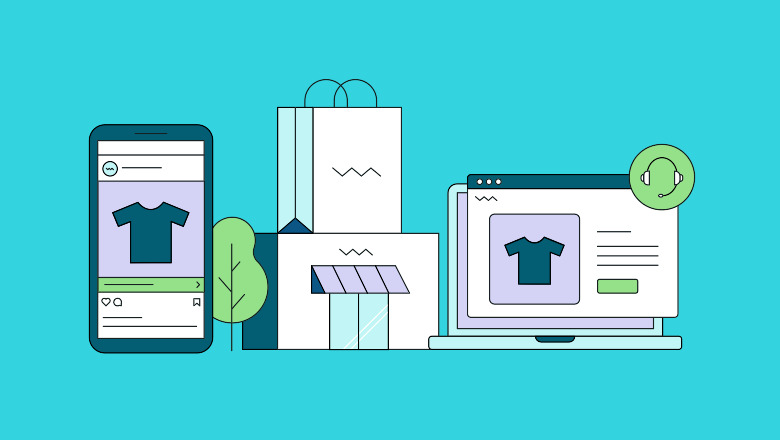
This article will dig into the “why” and “how” behind omnichannel strategies that power sales, service and marketing efforts. Plus, we’ll also explain how social can help your symphony stay in tune. What is an omnichannel strategy? An omnichannel strategy is a sales and marketing method designed to deliver a seamless and consistent customer experience across all touchpoints. That might include brick-and-mortar shops, websites, email, social and mobile—anywhere a brand is present. With the right tools, omnichannel strategies create a data feedback loop that helps you refine brand messaging and target consumers in a personalized and relevant way. Over time, this cohesion builds trust, strengthens brand loyalty and drives customer retention. All it takes is consistency. What’s the difference between multichannel and omnichannel?
“Omnichannel” and “multichannel” sound like they could be synonyms, but there are differences that separate the two strategies.
A multichannel marketing strategy also focuses on marketing to an audience across multiple channels, but each channel operates as a silo.
An omnichannel strategy, on the other hand, integrates each channel to break those silos down. That way, no matter what channel a customer prefers, they can always expect the same level of service and care. The goal of an omnichannel strategy is to create a customer journey that’s so seamless, it becomes a source of differentiation and a driver of customer loyalty.
What are the benefits of an omnichannel strategy?
Now that we’ve covered all the necessary definitions, let’s get into some benefits. Here are the top three benefits of adopting an omnichannel approach. Creates better brand experiences
Delivering relevant content consistently across channels can drive emotional bonds that keep customers coming back, even when faced with alternatives. To put it simply, it can make or break customer connections.
A successful omnichannel strategy helps brands build trust as customers come to expect a high level of quality from your brand. That trust encourages customers to return and spread the word, bolstering your brand reputation.
Gives you a competitive advantage
Maintaining a consistent, customer-centric brand presence across all channels—IRL and online—translates to deeper customer relationships over time. These relationships can help you win and retain customers in a crowded market.
From there, beating the competition is simply a matter of informing your approach with the right data.
For example, say a competitive analysis reveals that your competitors are consistently underperforming when it comes to customer care. That single insight can inform an entire roadmap to a major competitive differentiator. You might: Revamp your own customer care approach to create an experience that goes above and beyond consumer expectations.
Emphasize customer testimonials about your service across marketing efforts.
Reduce sales friction by making the shopping experience as convenient and trustworthy as possible. Impacts sales growth
What do you get when you combine a superior brand experience with a clear competitive advantage? A healthy sales funnel, that’s what.
An omnichannel approach to marketing, sales and customer success sets the foundation for building connections at scale. According to a Q1 ‘23 Sprout pulse survey, more than two-thirds (77%) of customers are more likely to increase their spending with brands they feel connected to.
How social media impacts more than just omnichannel marketing
According to The Sprout Social Index™ 2022, 44% of brands use social data to inform customer experience strategies. More than half (66%) also use it to inform sales strategies.
Most recent memorable brand moments involve social conversations to some degree. These moments aren’t just driving brand awareness. They’re driving sales and creating customers. For example, when a creator’s NSFW shout-out to skincare brand Eos went viral on TikTok, the product sold out at Target locations across the country. Their website also received a boost in engagement, with online orders increasing by 25 times and visits to their shave category increasing by 450 times.
Eos could have simply enjoyed their moment in the spotlight, but their marketing team had bigger plans. They worked with their merchandising colleagues to create a limited edition version of their viral shave cream, renamed in honor of the review. This social-first omnichannel sales strategy helped Eos establish relevance with new audiences to make the most out of their virality. Their omnichannel customer service strategy relies on social to build trust and loyalty with that same audience.
You never know when your brand’s moment is going to strike. To be ready when it happens, you need an omnichannel digital strategy that prioritizes social at every stage of the funnel.
An example of a successful omnichannel strategy
The best omnichannel strategies create an identical, recognizable vibe across several channels. Let’s look at an example of the omnichannel approach in action with Barnes & Noble to break down what we mean.
In recent years, the former mall-favorite has undergone a perception transformation powered by the rise of reading influencers on “BookStagram” and “BookTok.” Now, they’ve revamped their digital approach to build on their in-store experience and vice versa, creating a customer experience worth reading about. Here’s a high-level look at their approach by channel: In store, they’re the classic Barnes & Noble you know and love, complete with a coffee counter, cozy reading nooks and staff recommendations. If you pop into any location, you’ll likely notice an entire section dedicated to BookTok picks. The emphasized placement makes it easy to find the internet’s most popular reads.
They also dedicate an entire page of their website to BookTok so people who prefer to order online can quickly find what they need and check out.
On social media, they let their staff’s expertise shine. They feature their booksellers on their primary brand account and on accounts specific to local stores. Their content mimics the recommendation experience one might have in store, complete with an easy path to purchase.
They also host a podcast called “Poured Over” where a career bookseller talks to guests about their favorite books. The title of their podcast is a clever reference to the coffee shops they have in store. These combined efforts bolster the Barnes & Noble brand across every stage of the funnel. Their social presence and podcast builds brand awareness and expand reach for marketing, the BookTok sections of their website and app create easy paths to purchase, and the tailored recommendations support better customer service.
No matter where you’re interacting with the Barnes & Noble brand, it’s sure to evoke the same feeling of coziness, curiosity and peace. You can always count on Barnes & Noble for a good book recommendation, whether you’re a new customer buying online or an existing customer buying in-store.
How to craft an omnichannel strategy that supports marketing, sales and service
There are plenty of frameworks out there that can help you create an omnichannel strategy. However, it’s difficult to tailor broad advice to the complex needs of an individual organization. The following tips will help tailor your strategy to your brand and market.
1. Align to company goals
Monthly performance reports keep marketing goals top of mind, but what about sales and service goals? To create a strategy that supports all three functions, you’ll also need to know cross-departmental objectives.
Before crafting your strategy, take a moment to review any available documentation on business goals for the year. This will provide a clearer picture of each department’s priorities, so you can identify opportunities to align your efforts toward better customer outcomes.
A clear understanding of company goals can help you identify which channels are best suited to reach and engage with your customers at every stage of the funnel. This knowledge will help you act as a better strategic partner to other collaborators across your business.
2. Update your customer journey map
Consumer preferences are constantly changing, meaning the customer journey is, too.
Set yourself up for omnichannel success by researching customer behavior. Use that information to refresh your understanding of your target audience. How have their preferences, pain points and needs evolved? Combine information from multiple sources to accurately understand who they are today.
These sources might include surveys, questionnaires, analytics tools, focus groups, CRM data. Use whatever you have at your disposal. We’re biased, but social listening insights are a must-have for this step. A social listening tool (like Sprout’s) can help you detect customer pain points before your competitors catch on. It can also illuminate new opportunities for personalization or superior customer care. The timeliness of these insights are crucial to keeping your strategy effective and up-to-date.
3. Identify key collaborators
An omnichannel strategy is made up of several moving parts. It’s not something that can be implemented with the flip of a switch. There’s an adoption period, where you’ll figure out who you should work with to make your vision a reality.
Once you’ve assessed company goals and identified optimization opportunities, you’ll need to connect with the stakeholders who can help you develop a plan of action.
For example, say your company wants to increase repeat purchase rate among customers who made a purchase over the holiday season. Coming up with a strategy to make this a reality would require input from stakeholders across marketing and customer service.
These are must-have conversations. You need input and buy-in from all relevant teams to ensure everyone is working toward a shared objective. Embracing collaboration can help ensure that your omnichannel strategy is well-designed, sustainable, and adaptable to market and customer behavior changes.
4. Tailor your approach by channel
Sharing a consistent message doesn’t mean sharing the same message. You should adapt your content by channel and network to get the most return on an omnichannel communications strategy.
Meryoli Arias, Senior Social and Community Manager at Chili Piper, considers each individual channel and network as a piece of a greater puzzle.
“Individual channels can help you meet different goals. They’re all tied to the bigger strategy, but how you develop your brand personality will require different timelines, tactics and formats depending on the channels you’re using.”
Arias relies on shared content pillars to tailor an overarching brand message to specific channels. “That way, the message remains the same, even when the formats change. For example, you can create a text post about the benefits of your product on LinkedIn, a video to explain those same benefits on TikTok.”
5. Prioritize an integrated tech stack
Consistency doesn’t happen by chance. Showing up for your customers at the right time and place calls for a tech stack that can support backend data sharing and collaboration across teams. This automation is what makes the omnichannel vision a reality.
It’s unlikely that piloting a new strategy will come with the budget clearance to revamp your tech stack. That’s why it’s so important to keep the principles of the omnichannel approach top of mind when evaluating new platforms.
Integrations are far from one size fits all. It’s not uncommon for some to require connectors or additional resources for configuration and maintenance. It may seem simple at the start, but it creates opportunities for data flow deterioration in the long run.
To avoid this fate, prioritize tools that offer in-house support on pre-built integrations. That means they’re already programmed and tested, with minimal work required on the user’s end.
You probably won’t be involved in every purchasing decision that takes place at your company but if you evangelize this approach, others will champion the cause in your absence.
Put social at the center of your omnichannel strategy
You’ll find a world of potential waiting in sales and customer service when you look beyond your omnichannel marketing strategy. Unifying the three will help you own your market with a stronger, more cohesive brand experience.
Pulling it off may seem like quite the feat but with the right tech stack, it’s simply a matter of improving your processes over time. Sprout Social President Ryan Barretto has great tips on using tools to optimize customer relationships that will help you along the way. Source link

LinkedIn Ads: The Ultimate Guide from Zero to Hero
LinkedIn ads are a powerful tool for all kinds of businesses. The platform has over 810 million users, with 65 million of them in decision-making positions.
While organic content is still the heart of any LinkedIn marketing strategy, running ads can help amplify your content’s reach and impact.
In this guide, we’ll dive into LinkedIn advertising, discussing everything from the different ad formats available, to creating a target audience, to measuring the success of your campaigns.
Table of contents How to get started advertising on LinkedIn
Using the LinkedIn ads campaign manager
Start by signing into the LinkedIn Campaign Manager. The LinkedIn ads manager is where you can manage your LinkedIn advertising campaigns.
Before you get started with Campaign Manager, you need to create a LinkedIn account if you don’t have one yet; it takes just a few seconds to create one. Enter your account name and select your currency. If you’re running ads on behalf of a business, link your campaign with a LinkedIn page.
Setting a relevant ad objective
Next, choose the objective for your ad campaign. Do you want more people to become aware about your business? Perhaps you want to attract more website visitors. Or maybe you want to capture more leads.
LinkedIn advertising gives you several objectives to choose from for three different stages of the sales funnel–awareness, consideration and conversions. At this stage, you can set the most relevant objective for a particular LinkedIn ads campaign. If you’re an employer that’s advertising for an open position, you also have the option to set an objective to promote job opportunities.
Nailing your ad targeting
You can’t run a successful ad unless you’re targeting the right people. Make sure you have a clear idea of what kind of people you want your ad to reach. You have several targeting options for LinkedIn ads–whether you want to target people based on location, industry, company size, education, job function or skills. You can even select multiple attributes at a time to further narrow down your targeting. You also have the option to exclude audiences with certain attributes that aren’t relevant to you.
Before you save your ad campaign, make sure you enable audience expansion so LinkedIn can expand and engage a new audience with your ad campaign. This option automatically includes people with similar attributes as the ones you’ve selected.
Choosing the right LinkedIn ad types for your campaign
LinkedIn offers several ad types and formats to help you promote your business in the best way possible. Let’s take a look at these ad types below:
Sponsored content
LinkedIn sponsored content looks just like a regular post that you’d see on your feed except with a CTA button and a “promoted” label.
You can choose from five different formats of sponsored content — single image, carousel, video, event and document. It’s better to switch between the options every once in a while to compare their performances and see which one works best with your audience. Single image ads: These ads consist of a single image and are typically used to promote a product or service, increase brand awareness or drive website traffic.
Video ads: These ads include video and are typically used to demonstrate how a product or service works, tell a brand story or increase engagement.
Carousel ads: These ads include a series of images or videos that users can swipe through. Carousels are typically used to showcase multiple products, services or ideas, or tell a story in slideshow format.
Event ads: These ads allow businesses to promote upcoming events like webinars, conferences and meetups. They include date, time and location details, and a call-to-action to register or attend the event. Document ads: These ads allow businesses to promote whitepapers, ebooks or case studies by displaying a preview of the document and linking to the full version. They’re typically used to generate leads and increase brand awareness. Lead gen forms
LinkedIn’s lead gen forms let you easily capture leads without requiring users to leave the platform. You can add these forms to any sponsored content or message to collect names, emails and job titles.
The forms are pre-populated with users’ profile data, which encourages more people to sign up. You can also include custom questions in your forms to gather additional information about your prospects.
Once a user submits a form, their contact information is sent to your business and they’re also added as a new lead in LinkedIn’s CRM.
Sponsored messaging
LinkedIn also lets you send paid direct messages to targeted users. In fact, using this ad tactic alongside sponsored content can boost your clickthrough rates by over 70%.
There are two sponsored message ad formats you can choose from: Message ads: This ad format lets you send personalized and targeted messages to users with a single call-to-action (CTA.) You can also add lead gen forms to your message ads to easily capture leads.
Conversation ads: This ad format lets you add multiple CTAs to your messages to help prospects engage with your business and access targeted offers and links. Quick tip: To improve your sponsored messages, you can personalize them with your audiences’ names and job titles using LinkedIn macros.
Text and dynamic ads
LinkedIn also offers special ad options that are a bit different from regular sponsored content. These include text, spotlight and follower ads. Let’s take a look at each one below. Text ads: Pay-per-click (PPC) text ads appear on the right-hand side of a desktop screen. They include a small image along with a short headline and blurb. They may be less prominent than sponsored content but can still be very effective depending on your campaign goal.
Spotlight ads: These are dynamic ads that are personalized for each individual profile. Spotlight ads link back to your website or landing page, and are a great way to share insightful, thought leadership content.
Follower ads: These dynamic ads are also personalized, but the goal is to get you more followers on your LinkedIn company page. The true cost of LinkedIn ads
The average cost-per-click (CPC) on LinkedIn is between $5-6.
But the actual cost of LinkedIn ads depends on factors like the type of ad, targeting, budget and the campaign’s performance.
The pricing system for ads can also vary.
For example, sponsored content is generally priced on a CPC or cost-per-mille (CPM) basis, while sponsored messages are typically priced on a cost-per-send (CPS) basis.
Targeting options, such as demographic and job title targeting, can also affect the cost of LinkedIn ads. The more specific the targeting, the more expensive the ad will be.
Additionally, if your campaign is performing well and achieving the desired results, the cost-per-conversion may be lower, making the campaign more cost-effective.
Keeping this in mind, it’s important to set a budget and measure the ROI to ensure your ad costs don’t add up and jeopardize your financial goals.
Setting up your ad budget and schedule
A big part of running ads on LinkedIn is setting a budget for your campaigns. This helps you control the total cost of advertising on the platform.
LinkedIn offers three budget options to control your ad spend: Daily budget: This option lets you specify the average amount you want to spend on your ad per day. You can choose between a continuous schedule or a set schedule for your daily budget.
Lifetime budget: This option lets you specify the total amount you want to spend on your campaign from start to finish. LinkedIn will then automatically adjust the daily budget to deliver optimal results. The daily spend can vary depending on factors like traffic, seasonality and bid type.
Combination: You can also set both daily and lifetime budgets for your campaign. This will help you control the total cost as well as your daily spending. However, you can only select a continuous schedule for this type of budget strategy. Once you’ve specified the budget for your ad, you also need to set the campaign schedule. The schedule will determine the lifetime of your ad and also help pace your spending.
The scheduling options you have will vary depending on your budget type. Continuous schedule: Run your campaign continuously from a start date. The campaign will end once your budget has been entirely consumed. You can use this option for all three budget types.
Set schedule: Run your campaign from a specified start date to end date. You can use a set schedule for both lifetime and daily budget options, but not if you’re using a combination of the two. Understanding LinkedIn bid types
LinkedIn advertising is based on an online auction system where your ad competes with other ads for placement. To win, you must place competitive bids for your ads.
You can choose from three bidding types in the Campaign Manager: Manual: This bidding strategy lets you set a specific bid amount for a key result. This option can charge by clicks, sends, impressions or views, depending on your ad format, objective and goal. Manual bidding gives you more control over the bid amount, but you need to track the performance of the campaign and adjust your bid as needed.
Cost-cap: This bidding strategy lets you set a maximum cost per key result. This allows the system to automatically adjust your bids to achieve optimal results while staying within your campaign’s budget.
Maximum delivery: This is a automated bidding strategy that uses machine learning to set and adjust bids while utilizing your entire budget. The goal is to maximize key results and use your total budget most efficiently. Measuring the success of your LinkedIn ad campaigns
You don’t run LinkedIn ads no reason. You’d do so with the hope of getting some return on your investment. This makes it crucial to monitor and measure your ad success so you can see whether your investment is paying off.
Perhaps you might even notice that some types of LinkedIn ads are working better than others and you’ll want to shift your focus towards those. You might also find that some ads aren’t delivering any results at all, so you’d want to stop setting money toward something that doesn’t work.
The LinkedIn ads manager comes with a robust reporting feature that lets you track LinkedIn analytics and metrics to understand your ad performance. This includes metrics like clicks, impressions, cost per click, click-through rate, cost per impression, conversions, cost per conversion, leads and cost per lead.
You can even track your performance with different audience demographics in the ads manager. For instance, you can view how people performing a certain job function responded to your ads in terms of clicks, impressions and click-through rate.
Looking to dive deeper? Sprout Social’s LinkedIn management tool can help you dig into the good stuff, visualize key metrics and keep an eye on performance and trends data. Best practices for LinkedIn advertising
Finally, let’s walk you through some LinkedIn best practices that will help you run successful ad campaigns on the platform.
Maintain the correct LinkedIn ad specs
Your LinkedIn ads need to instantly attract and draw in your target audience and you can’t do that without outstanding visuals. When creating visuals for your ads, make sure you follow the proper LinkedIn ad specs and sizes.
The specs vary for each LinkedIn ad type and ad format. Here are the basics:
Sponsored content
Single image ads Should be in JPG or PNG format.
File size should be 5MB or smaller.
Keep headlines under 70 characters to avoid truncation.
Keep descriptions under 100 characters to avoid truncation.
Images display at 1200 x 627 pixels and should be at least 400x in width. Carousel ads Use 2-10 cards per ad.
Individual cards should not be larger than 10MB.
LinkedIn recommends using 1080 x 1080 pixels with an aspect ratio of 1:1 for individual images.
Keep introductory text under 150 characters and two lines to avoid truncation.
Character limits below ads are either 45 characters maximum, or 30 characters with a lead gen CTA button. Video ads Keep it under 15 seconds for better engagement (though LinkedIn allows up to 30 minutes of video ads).
File size should be between 75KB and 200MB
Your video should be in MP4 format running at less than 30 frames per second.
Audio size should be less than 64KHz. Multiple aspect ratios and quality options are available with varying requirements. Check out the full LinkedIn ad specs for video ads to learn more.
Message ads Banner creative should be 300×250 pixels.
It should be no larger than 40KB.
It should be in JPG, non-animated GIF or PNG (without flash) format.
Add up to three links using a maximum of 70 characters for anchor text.
Message text should be no more than 1,500 characters.
Subject should be no longer than 60 characters. Text ads Ad image should be 100×100 pixels
It should be in JPG or PNG format
File size cannot be larger than 2MB
Keep headlines under 25 characters
Keep descriptions under 75 characters Note that there are five different sizes and ad specs for text ads. There’s also a whole bunch of LinkedIn ad size and specs for dynamic ads like follower and spotlight ads that are tailored to individual users depending on which format you choose.
For even better results in lead generation through your LinkedIn ads, some experts also recommend using colors that contrast with the platform’s blue and white colors in your visuals. This will give your ad an instant pop, allowing you to effectively draw in your target audience.
Support your ads with a strong organic brand
Running ads alone does not guarantee leads and conversions.
You also need a powerful organic strategy in place to pique your audiences’ interest, build trust and boost the impact of your paid campaigns.
Along with investing in ads, regularly share valuable and engaging content to establish your business as a thought leader. Create a well-designed company page and use consistent branding to look authentic and high-quality.
Don’t forget to engage with your audience — respond to comments and messages, and welcome both positive and negative feedback.
Finally, track analytics to understand the performance of your organic content. This will help guide your ad campaigns and set your future content up for success.
Keep testing and optimizing
Based on the insights collected from your performance tracking efforts, you’ll uncover some excellent opportunities and ideas to improve your ads.
Run A/B tests on different LinkedIn ad types, ad creatives, ad copy and CTAs. Find out what resonates with your audience and use that to further improve your ad performance.
Additionally, you might even want to use A/B testing to optimize your ad targeting. Make slight alterations to your targeting criteria to identify which audiences are most responsive to your ads. This will eventually help you perfect your LinkedIn ad targeting and get more out of your advertising efforts.
LinkedIn Ad examples to inspire you
Now that you know how to run ads on LinkedIn, let’s look at some interesting examples from real-life brands to get your creative juices flowing.
Asana Asana is a cult-favorite project management tool used by businesses worldwide. This means they have some great numbers to show off and attract potential customers. This is exactly what they’re doing with this LinkedIn ad example, where they use their success in helping increase employee satisfaction as eye-catching copy.
Shopify Shopify does a brilliant job of addressing one of the biggest pain points of office-based employees — the long, monotonous commute. They do so by using powerful imagery and contextual copy, enough to grab the attention of anyone looking to transition to a more flexible work setting.
TikTok In this LinkedIn ad example, TikTok promotes its virtual event using an engaging video made with high-contrast, bold colors and trendy imagery — perfectly aligned with their brand identity. We also love how the copy speaks directly to the specific audience for this post — B2C startups.
Notion Who says event ads are just for webinars? SaaS companies like Notion can also promote product demos on LinkedIn using multiple ad formats, including event ads. Make sure to throw in a lead gen form into the mix like Notion does to encourage more people to register.
Canva This carousel ad by Canva is everything the online design tool stands for — colorful and versatile. Using this ad format allows Canva to highlight the many ways users can benefit from the software, visually showcase the tool’s interface and abilities, as well as look beautiful and eye-catching.
Grammarly Grammarly’s LinkedIn ad is proof that you don’t need flashy colors and visuals to create an impactful advertisement. In the example above, the popular AI writing tool demonstrates its editing feature using a screenshot of the app itself as copy.
Does it work? You bet! And the clever bit about this ad is the sentence being edited in the screenshot resonates with the target audience (hint: freelancers and contractors.)
Grow faster with LinkedIn ads
With the right approach, LinkedIn advertising offers plenty of opportunities to connect with the right audience and grow your business. But it can get overwhelming when you’re just starting out.
Make the most of the steps above to build a winning LinkedIn advertising strategy and generate valuable leads. Interested in learning more? Check out our LinkedIn marketing guide to 10x your growth on the platform.
Or, find out how you can use LinkedIn for business beyond marketing. LinkedIn Advertising FAQs What’s the difference between boosted posts and sponsored ads? Boosted posts involve promoting existing organic content to a wider audience by increasing its visibility and reach. On the other hand, sponsored ads are a form of LinkedIn advertising that allow businesses to create new content specifically for a campaign. Are LinkedIn ads worth it for your business? Whether LinkedIn ads are worth it for your business will depend on your specific business goals and target audience. LinkedIn is a professional social media platform, which means that its user base is primarily composed of business professionals and decision-makers.
If this sounds like your target audience, then LinkedIn ads can be a great way to reach them. However, if your target audience is not present on LinkedIn or is not a business professional, it might not be worth investing in LinkedIn ads. Source link

Documentos internos muestran que el nuevo Twitter Blue actualmente tiene menos de 300,000 suscriptores
Mire, sé que la gente tiene opiniones firmes sobre Elon Musk, y me doy cuenta de que cualquier crítica se considerará un comentario político, incluso si no lo es (porque no soy estadounidense, no puedo elegir decirlo, no lo hago). preocuparse por Hunter Biden, etc.). Pero el programa de verificación pagado de Elon es estúpido, el movimiento más estúpido que ha hecho en Twitter.
Y veo la lógica: Elon dice que cuando comenzó, la compañía perdía $4 millones todos los días, lo que provocó despidos masivos y una lucha por las opciones de generación de ingresos. Por lo tanto, la verificación paga tiene sentido, mientras que Elon también extrapoló la necesidad de dinero instantáneo en una forma de combatir los bots mediante el uso de la verificación como un medio para «verificar a todas las personas reales», es decir, los bots no pagan y los comerciantes de bots no ganaron en el ser capaz de permitirse tal cosa a gran escala.
Entiendo todas las partes móviles y soy optimista de que pueden sentirlo.
Pero siendo realistas, cuál es el «aliado» más importante de los dos, simplemente no lo hace. Porque la mayoría de la gente no pagará, especialmente si no ofreces nada más que un gráfico con una marca junto a su nombre de usuario, mientras que vender marcas de verificación borra su único valor perceptible, que es la exclusividad.
Ahora cualquiera puede comprar uno, por lo que la marca no tiene sentido, al menos como marcador de estado de algún tipo.
Mi opinión sobre esto ha sido confirmada, al menos en esta etapa inicial, por un nuevo informe de The Information que dice, según documentos internos:
«Alrededor de 180.000 personas en EE. UU. pagaban suscripciones a Twitter, incluido Twitter Blue, a mediados de enero, o menos del 0,2 % de los usuarios activos mensuales. […] El número de EE. UU. representa alrededor del 62% de los suscriptores globales de Twitter, según el documento, lo que implica que Twitter tiene 290.000 suscriptores en todo el mundo.
Esto concuerda con los resultados de Investigador Travis Brownque publica regularmente actualizaciones en los recuentos de suscriptores de Twitter Blue en función de las búsquedas de los usuarios que se muestran como «blue_verified» en el backend.
Acabo de comprobar lo que apareció mi Twitter Blue Tracker esta semana y está funcionando tan bien como cabría esperar (aún más abandono, incluso menos crecimiento): https://t.co/H51wynDEK4— Travis Brown (@travisbrown) 29 de enero de 2023 Según las cifras de Brown, el nuevo programa Twitter Blue actualmente parece tener alrededor de 300.000 suscriptores, muy cerca de los datos que posee The Information. Eso significaría que Twitter actualmente gana $ 2.4 millones adicionales por mes, o $ 7.2 millones trimestrales, a través del programa. Lo cual es bastante bueno, es un ingreso extra en un momento en que Twitter lo necesita con urgencia. Pero todavía está muy lejos de donde Twitter quiere que estén sus ingresos por suscripción.
Para reiterar, cuando Elon inicialmente describió sus planes de reforma de Twitter 2.0, dijo que quería generar ingresos por suscripción. alrededor del 50% de los ingresos totales de Twitter. Eso se alinearía un poco con los ingresos y el potencial de batalla de bots anterior, pero para hacer esto, Twitter necesita aumentar el uso de Twitter Blue en 81 veces desde donde está ahora.
300.000 suscripciones también es solo el 0,12 % de la base de usuarios activos de Twitter; para reiterar, no está cerca de cumplir sus objetivos en términos de ingresos y, como disuasión de bots, no está ni cerca de cumplir sus objetivos. Y aunque Twitter acaba de lanzar Twitter Blue en más regiones este fin de semana, no hay forma de que alcance el nivel necesario para que sea una consideración viable de ninguna manera. Lo que significa todas las tonterías, todos los problemas de identidad, todos los cheques dorados y las marcas grises y las imágenes de perfil cuadradas y los logotipos de las marcas. Considerándolo todo, esto fue una pérdida de tiempo. No es nada; de nuevo, Twitter necesita todo el dinero extra que pueda obtener en este momento, y un aumento anual de ingresos de $29 millones ayudará. Pero funcionalmente fue una serie de errores y traspiés, uno tras otro.
¿Y ahora Twitter quiere que las marcas paguen $1,000 al mes por un tick de oro?
Sí, se puede decir con certeza que esto tampoco será un éxito rotundo. Y si bien es probable que Twitter obtenga algunas suscripciones más de Twitter Blue si elimina los viejos cheques azules en algún momento en el futuro, eso sigue siendo solo 420.000 suscriptores adicionalesmáx.
La tasa de abandono también será alta, porque una vez más, una marca azul ya no es valiosa cuando cualquiera puede comprarla, y a menos que Elon y compañía tengan algunas actualizaciones mágicas para trabajar en Twitter Blue en el futuro, más allá de las encuestas solo para Blue o pague para calificar para la monetización, no veo cómo esto puede convertirse en un elemento significativo del proceso o aceptación general de Twitter.
Pero tal vez me estoy perdiendo algo. Tal vez porque es Elon Musk nos hemos perdido el punto o el proceso, y en realidad hay otra forma de ganar en este frente que aún no se ha revelado. No lo veo, pero tampoco puedo imaginar la logística de ir a Marte, por lo que puede haber más por venir. Pero lo dudo.