
6 pasos para una aplicación sólida
Cuando se trata de nuevas empresas y pequeñas empresas, se habla mucho al respecto. arranque y autofinanciamiento. Si bien esto funciona para algunos, no es la única forma de construir un negocio exitoso. Hay innumerables empresarios increíbles que han confiado en los préstamos para pequeñas empresas para impulsar o acelerar su crecimiento.
Hay un enigma cuando se trata de esto propiedad del negocio: Necesitas capital para ponerte en marcha realmente, pero también necesitas levantarte para generar capital. Un préstamo para pequeñas empresas puede ser una excelente opción para aquellos que necesitan algo de efectivo para invertir en su negocio de inmediato.
Si es nuevo en el funcionamiento de estos préstamos y se pregunta si esta es la idea correcta para su situación particular, ha venido al lugar correcto. Consideraremos y cómo obtener un préstamo comercial. Razones para solicitar un préstamo comercial
En última instancia, la razón número uno por la que los empresarios buscan crédito comercial es porque no tienen suficiente dinero para administrar el negocio de la manera que quieren o necesitan. Esto podría aparecer de la siguiente manera: No hay suficiente dinero para los gastos diarios como el inventario o las operaciones Una necesidad de empleados de alto calibre con altos niveles de habilidad y experiencia que cuestan más que los miembros del equipo de nivel de entrada Problemas para comprar el equipo que necesita dependiendo del tipo de negocio que maneja La necesidad de un mayor presupuesto de publicidad para garantizar que realmente pueda generar el negocio que necesita para crecer. Falta de fondos de contingencia en caso de que suceda algo inesperado Si alguno de estos se aplica a usted, puede ser uno de los propietarios de pequeñas empresas en una posición privilegiada para un préstamo comercial.
Cómo obtener un préstamo comercial en 6 pasos
1. Calcula tus necesidades
Una de las partes más difíciles del proceso de financiación de una pequeña empresa es calcular cuánto dinero pedir prestado. Si toma muy poco, es posible que no alcance sus objetivos. Si toma demasiado, es posible que tenga problemas para devolverlo.
Tienes que trabajar a través de todos los elementos posibles que tienes que cubrir, tales como: Equipo para un nuevo negocio Costo de crecimiento o expansión costos de bienes raices los gastos de explotación Refinanciación de otros préstamos Seguro comercial Intente usar una calculadora de préstamos comerciales para visualizar los detalles de su préstamo, incluido el monto total, la tasa de interés y el plazo de pago. Estos se pueden usar para determinar cuánto tiene que pagar por mes. fuente
2. Escribe un plan de negocios
Es poco probable que los prestamistas comerciales desembolsen dinero a menos que les dé dinero fuerte plan de negocios. Este es esencialmente el documento que utiliza para explicar sus planes de crecimiento a largo plazo, incluido cómo pretende utilizar el préstamo que ha recibido y cómo se traducirá en el crecimiento y el pago del negocio.
Estas son las secciones básicas que su plan de negocios debe cubrir: Una descripción de su empresa y equipo central. Su modelo de negocio principal y su forma de trabajar Los productos y/o servicios que ofrece Un análisis de su industria y mercado y cómo encaja su empresa en él análisis FODA: Fortalezas Debilidades Oportunidades Amenazas Las herramientas y procesos que utiliza para la generación de marketing y ventas. Su solicitud de financiación y cómo pretende utilizarla Una proyección estimada de sus finanzas en los próximos años Nota: Muchos nuevos prestamistas en línea han acortado el proceso de solicitud y no requieren un plan de negocios, pero tenga en cuenta que estos prestamistas a menudo cobran tasas de interés más altas. fuente
3. Considere los términos de pago
Luego, decida cómo pagar el préstamo. Piense en un número realista para los pagos mensuales. Debe considerar factores externos como cambios sociales, interrupciones en la cadena de suministro y recesiones del mercado.
Los prestamistas determinan sus pagos mensuales en función de los siguientes factores: tipo de prestamo historial de crédito Tipo de negocio y cuánto tiempo ha estado activo Ingresos de los dueños de negocios rentabilidad de la empresa Los prestamistas para pequeñas empresas entienden que cada negocio es único, por lo que ofrecen múltiples opciones de préstamo. Es importante comprender el período de pago del préstamo que está a punto de obtener.
Aquí hay algunos tipos de préstamos comunes y sus tiempos promedio de pago: Préstamos a plazo: dura hasta 10 años Préstamo de la SBA: El capital de trabajo y los activos fijos se pueden pagar en hasta 10 años Microcrédito: con un plazo de hasta seis años Factura financiación: reembolsable en unos pocos meses Líneas de Crédito Comercial: reembolsable hasta cinco años Financiamiento de equipos: reembolsable hasta 10 años Nota: Algunos prestamistas tienen multas por pago anticipado que vencen cuando un prestatario realiza un pago anticipado. Verifique esto con su prestamista– No desea incurrir en gastos adicionales para salir de la deuda.
4. Consulta a un asesor financiero
Esta opción no es 100% necesaria si está dispuesto a hacer la investigación usted mismo, pero es una recomendación fuerte. Consultar a un asesor financiero puede ser útil para obtener una visión precisa de su flujo de efectivo, lo que tiene sentido para su préstamo y cómo desarrollar un plan para garantizar que pueda hacer sus pagos mensuales a tiempo.
Y con toneladas de opciones para elegir, un asesor financiero puede ayudarlo a reducir qué cooperativa de crédito o prestamista comercial elegir según las circunstancias y necesidades de su negocio.
5. Decidir sobre un tipo de préstamo
Hay varios tipos de préstamos para elegir y no hay una elección correcta. Todo depende de las necesidades de su empresa y de las opciones que mejor se adapten a sus necesidades. Algunos de los tipos de crédito más populares son: Préstamos a plazo: Por lo general, para montos de préstamo más grandes. Se ofrece con un plazo de dos a 10 años. Muchos requieren ganancias comprobadas que pueden no ser posibles para las empresas más nuevas. Préstamos de la Administración de Pequeñas Empresas (SBA): Similar a un préstamo a plazo de un prestamista comercial privado, pero la SBA ofrece más opciones para las poblaciones desatendidas, como las mujeres y las personas de color. Préstamos en línea: Préstamos a corto y largo plazo para empresas sin un historial sólido, como nuevas empresas o empresas con mal crédito. También existen tipos de crédito menos tradicionales, como B. Factoraje de facturas. Esto es adecuado para las empresas que dependen de las facturas para generar ingresos, lo que puede llevar un tiempo para que los clientes paguen. fuente
6. Solicitar el préstamo
Después de haber investigado y encontrado un préstamo adecuado, es hora de presentar la solicitud.
Elija un prestamista
Un prestamista tradicional puede ser una opción si tiene buen crédito y finanzas para pequeñas empresas. Si no cumple con estos requisitos, puede buscar en línea opciones de préstamo menos tradicionales, como B. un adelanto en efectivo para comerciantes. Las calificaciones de elegibilidad varían entre los diferentes prestamistas. Según el último índice de préstamos para pequeñas empresas de Biz2Credit, las siguientes son las tasas de aprobación de préstamos para el tipo de prestamista: Bancos pequeños: 21,2% Grandes bancos: 14,5% Cooperativas de crédito: 20,2% Prestamistas institucionales: 25,9% Prestamistas alternativos: 27,6% Seleccione una institución financiera que ofrezca el préstamo que desea y lo pague dentro del plazo que le convenga a su negocio.
Reúna sus documentos
Un prestamista le proporcionará una lista de los materiales necesarios para procesar su solicitud. Cada prestamista puede tener requisitos únicos, pero generalmente son una variación de los siguientes elementos: información de negociosincluyendo plan de negocios, nombre, dirección y número de identificación fiscal. Cuentas anuales para fines privados y comercialestales como declaraciones de impuestos, extractos bancarios, extractos de tarjetas de crédito, nóminas, balances, arrendamientos, activos comerciales y otros documentos relacionados. información sobre emprendedores, como información personal de personas que poseen más del 20% al 25% de una empresa. Envíe su solicitud
El proceso y las instrucciones para enviar una solicitud varían según el prestamista. Las entrevistas son una parte integral del proceso de solicitud. Podría significar concertar una entrevista telefónica o ir a una sucursal bancaria. Siga las instrucciones de su prestamista. Durante la entrevista, puede preguntarle al prestamista cuánto tiempo lleva procesar las solicitudes para saber cuándo esperar una respuesta. También puede hacer un seguimiento después del envío si es necesario. Antes de obtener un préstamo comercial, evalúe sus opciones
Como probablemente ya sepa, un préstamo para pequeñas empresas es algo que debe tomarse en serio. Es una gran decisión para una marca en crecimiento; incluso puede ser crucial para que esa marca pueda mantenerse a flote.
Considere todos los pros y los contras, especialmente su plan a largo plazo para aumentar sus ganancias y pagar el préstamo a tiempo. Cuando lo aborda con un plan sólido, aumenta enormemente sus posibilidades de éxito.
Preguntas frecuentes sobre préstamos para pequeñas empresas
¿Cuál es el tamaño promedio de los préstamos para pequeñas empresas? El monto promedio de un préstamo comercial es de $22,000. El monto promedio de un préstamo comercial a corto plazo es de $20,000. El monto promedio de un préstamo comercial a plazo es de $110,000. El monto promedio de un préstamo de la SBA es de $107,000. ¿Cuáles son las probabilidades de obtener un préstamo para pequeñas empresas?
El último informe de BizCredit cita las siguientes calificaciones de aprobación crediticia para varios prestamistas: Bancos pequeños: 21,2% Grandes bancos: 14,5% Cooperativas de crédito: 20,2% Prestamistas institucionales: 25,9% Prestamistas alternativos: 27,6% ¿Cómo se califica para un préstamo comercial? plan de negocios actualizado Dos años o más en servicio Baja relación deuda/ingresos Informe de crédito saludable Garantía para garantizar el préstamo ¿Quieres saber más?

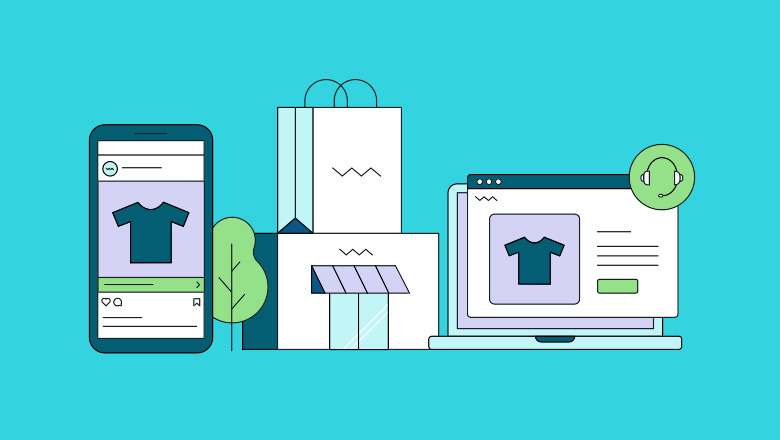
Why Your Brand Needs an Omnichannel Strategy
An omnichannel strategy is like an orchestra where each channel is an instrument. They can produce a nice tune on their own, but together they can create a memorable symphony that delights and engages the audience.
The same goes for the omnichannel approach. Every touchpoint must work together in a coordinated effort to provide a consistent brand experience. It might not be as moving as a concerto, but it certainly can be memorable.
Social media plays an increasingly important role in creating these memorable experiences. It’s a center point of consumers’ daily lives and the brands integrating social data beyond their marketing efforts are reaping major benefits.
This article will dig into the “why” and “how” behind omnichannel strategies that power sales, service and marketing efforts. Plus, we’ll also explain how social can help your symphony stay in tune. What is an omnichannel strategy? An omnichannel strategy is a sales and marketing method designed to deliver a seamless and consistent customer experience across all touchpoints. That might include brick-and-mortar shops, websites, email, social and mobile—anywhere a brand is present. With the right tools, omnichannel strategies create a data feedback loop that helps you refine brand messaging and target consumers in a personalized and relevant way. Over time, this cohesion builds trust, strengthens brand loyalty and drives customer retention. All it takes is consistency. What’s the difference between multichannel and omnichannel?
“Omnichannel” and “multichannel” sound like they could be synonyms, but there are differences that separate the two strategies.
A multichannel marketing strategy also focuses on marketing to an audience across multiple channels, but each channel operates as a silo.
An omnichannel strategy, on the other hand, integrates each channel to break those silos down. That way, no matter what channel a customer prefers, they can always expect the same level of service and care. The goal of an omnichannel strategy is to create a customer journey that’s so seamless, it becomes a source of differentiation and a driver of customer loyalty.
What are the benefits of an omnichannel strategy?
Now that we’ve covered all the necessary definitions, let’s get into some benefits. Here are the top three benefits of adopting an omnichannel approach. Creates better brand experiences
Delivering relevant content consistently across channels can drive emotional bonds that keep customers coming back, even when faced with alternatives. To put it simply, it can make or break customer connections.
A successful omnichannel strategy helps brands build trust as customers come to expect a high level of quality from your brand. That trust encourages customers to return and spread the word, bolstering your brand reputation.
Gives you a competitive advantage
Maintaining a consistent, customer-centric brand presence across all channels—IRL and online—translates to deeper customer relationships over time. These relationships can help you win and retain customers in a crowded market.
From there, beating the competition is simply a matter of informing your approach with the right data.
For example, say a competitive analysis reveals that your competitors are consistently underperforming when it comes to customer care. That single insight can inform an entire roadmap to a major competitive differentiator. You might: Revamp your own customer care approach to create an experience that goes above and beyond consumer expectations.
Emphasize customer testimonials about your service across marketing efforts.
Reduce sales friction by making the shopping experience as convenient and trustworthy as possible. Impacts sales growth
What do you get when you combine a superior brand experience with a clear competitive advantage? A healthy sales funnel, that’s what.
An omnichannel approach to marketing, sales and customer success sets the foundation for building connections at scale. According to a Q1 ‘23 Sprout pulse survey, more than two-thirds (77%) of customers are more likely to increase their spending with brands they feel connected to.
How social media impacts more than just omnichannel marketing
According to The Sprout Social Index™ 2022, 44% of brands use social data to inform customer experience strategies. More than half (66%) also use it to inform sales strategies.
Most recent memorable brand moments involve social conversations to some degree. These moments aren’t just driving brand awareness. They’re driving sales and creating customers. For example, when a creator’s NSFW shout-out to skincare brand Eos went viral on TikTok, the product sold out at Target locations across the country. Their website also received a boost in engagement, with online orders increasing by 25 times and visits to their shave category increasing by 450 times.
Eos could have simply enjoyed their moment in the spotlight, but their marketing team had bigger plans. They worked with their merchandising colleagues to create a limited edition version of their viral shave cream, renamed in honor of the review. This social-first omnichannel sales strategy helped Eos establish relevance with new audiences to make the most out of their virality. Their omnichannel customer service strategy relies on social to build trust and loyalty with that same audience.
You never know when your brand’s moment is going to strike. To be ready when it happens, you need an omnichannel digital strategy that prioritizes social at every stage of the funnel.
An example of a successful omnichannel strategy
The best omnichannel strategies create an identical, recognizable vibe across several channels. Let’s look at an example of the omnichannel approach in action with Barnes & Noble to break down what we mean.
In recent years, the former mall-favorite has undergone a perception transformation powered by the rise of reading influencers on “BookStagram” and “BookTok.” Now, they’ve revamped their digital approach to build on their in-store experience and vice versa, creating a customer experience worth reading about. Here’s a high-level look at their approach by channel: In store, they’re the classic Barnes & Noble you know and love, complete with a coffee counter, cozy reading nooks and staff recommendations. If you pop into any location, you’ll likely notice an entire section dedicated to BookTok picks. The emphasized placement makes it easy to find the internet’s most popular reads.
They also dedicate an entire page of their website to BookTok so people who prefer to order online can quickly find what they need and check out.
On social media, they let their staff’s expertise shine. They feature their booksellers on their primary brand account and on accounts specific to local stores. Their content mimics the recommendation experience one might have in store, complete with an easy path to purchase.
They also host a podcast called “Poured Over” where a career bookseller talks to guests about their favorite books. The title of their podcast is a clever reference to the coffee shops they have in store. These combined efforts bolster the Barnes & Noble brand across every stage of the funnel. Their social presence and podcast builds brand awareness and expand reach for marketing, the BookTok sections of their website and app create easy paths to purchase, and the tailored recommendations support better customer service.
No matter where you’re interacting with the Barnes & Noble brand, it’s sure to evoke the same feeling of coziness, curiosity and peace. You can always count on Barnes & Noble for a good book recommendation, whether you’re a new customer buying online or an existing customer buying in-store.
How to craft an omnichannel strategy that supports marketing, sales and service
There are plenty of frameworks out there that can help you create an omnichannel strategy. However, it’s difficult to tailor broad advice to the complex needs of an individual organization. The following tips will help tailor your strategy to your brand and market.
1. Align to company goals
Monthly performance reports keep marketing goals top of mind, but what about sales and service goals? To create a strategy that supports all three functions, you’ll also need to know cross-departmental objectives.
Before crafting your strategy, take a moment to review any available documentation on business goals for the year. This will provide a clearer picture of each department’s priorities, so you can identify opportunities to align your efforts toward better customer outcomes.
A clear understanding of company goals can help you identify which channels are best suited to reach and engage with your customers at every stage of the funnel. This knowledge will help you act as a better strategic partner to other collaborators across your business.
2. Update your customer journey map
Consumer preferences are constantly changing, meaning the customer journey is, too.
Set yourself up for omnichannel success by researching customer behavior. Use that information to refresh your understanding of your target audience. How have their preferences, pain points and needs evolved? Combine information from multiple sources to accurately understand who they are today.
These sources might include surveys, questionnaires, analytics tools, focus groups, CRM data. Use whatever you have at your disposal. We’re biased, but social listening insights are a must-have for this step. A social listening tool (like Sprout’s) can help you detect customer pain points before your competitors catch on. It can also illuminate new opportunities for personalization or superior customer care. The timeliness of these insights are crucial to keeping your strategy effective and up-to-date.
3. Identify key collaborators
An omnichannel strategy is made up of several moving parts. It’s not something that can be implemented with the flip of a switch. There’s an adoption period, where you’ll figure out who you should work with to make your vision a reality.
Once you’ve assessed company goals and identified optimization opportunities, you’ll need to connect with the stakeholders who can help you develop a plan of action.
For example, say your company wants to increase repeat purchase rate among customers who made a purchase over the holiday season. Coming up with a strategy to make this a reality would require input from stakeholders across marketing and customer service.
These are must-have conversations. You need input and buy-in from all relevant teams to ensure everyone is working toward a shared objective. Embracing collaboration can help ensure that your omnichannel strategy is well-designed, sustainable, and adaptable to market and customer behavior changes.
4. Tailor your approach by channel
Sharing a consistent message doesn’t mean sharing the same message. You should adapt your content by channel and network to get the most return on an omnichannel communications strategy.
Meryoli Arias, Senior Social and Community Manager at Chili Piper, considers each individual channel and network as a piece of a greater puzzle.
“Individual channels can help you meet different goals. They’re all tied to the bigger strategy, but how you develop your brand personality will require different timelines, tactics and formats depending on the channels you’re using.”
Arias relies on shared content pillars to tailor an overarching brand message to specific channels. “That way, the message remains the same, even when the formats change. For example, you can create a text post about the benefits of your product on LinkedIn, a video to explain those same benefits on TikTok.”
5. Prioritize an integrated tech stack
Consistency doesn’t happen by chance. Showing up for your customers at the right time and place calls for a tech stack that can support backend data sharing and collaboration across teams. This automation is what makes the omnichannel vision a reality.
It’s unlikely that piloting a new strategy will come with the budget clearance to revamp your tech stack. That’s why it’s so important to keep the principles of the omnichannel approach top of mind when evaluating new platforms.
Integrations are far from one size fits all. It’s not uncommon for some to require connectors or additional resources for configuration and maintenance. It may seem simple at the start, but it creates opportunities for data flow deterioration in the long run.
To avoid this fate, prioritize tools that offer in-house support on pre-built integrations. That means they’re already programmed and tested, with minimal work required on the user’s end.
You probably won’t be involved in every purchasing decision that takes place at your company but if you evangelize this approach, others will champion the cause in your absence.
Put social at the center of your omnichannel strategy
You’ll find a world of potential waiting in sales and customer service when you look beyond your omnichannel marketing strategy. Unifying the three will help you own your market with a stronger, more cohesive brand experience.
Pulling it off may seem like quite the feat but with the right tech stack, it’s simply a matter of improving your processes over time. Sprout Social President Ryan Barretto has great tips on using tools to optimize customer relationships that will help you along the way. Source link
Desafíos del marketing de influencers – Sideqik
El marketing de influencers se ha convertido en una de las formas más efectivas de convertir a tu público objetivo en clientes. Con tantos beneficios de este tipo de marketing, es posible que se pregunte si es demasiado bueno para ser verdad. Como sabemos, siempre hay desafíos con cualquier campaña. Aquí hay algunas cosas a tener en cuenta. Los influencers podrían tener seguidores falsos. Algunas personas harán locuras solo para generar ingresos como influencers, incluida la compra de seguidores. Hay muchas cuentas que están inactivas o son bots. Tenga cuidado con los saltos repentinos en el conteo de seguidores. Puede ser normal que una celebridad tenga 100.000 seguidores de la noche a la mañana, pero eso no es todo para un nano-influencer. Si una cuenta tiene muchos comentarios de spam, también puede ser un indicador de que hay seguidores falsos. Si tienen una tasa de participación baja en comparación con sus seguidores, es posible que no tengan seguidores activos. El algoritmo cambia constantemente. Casi todos los influencers se quejan a diario sobre los cambios en el algoritmo y la disminución del alcance orgánico. Cambian constantemente la forma en que publican para mantenerse al día con esos cambios. Anima a tus influencers a reutilizar su contenido en una variedad de formatos. Si tienen una publicación en el feed, pueden usar el mismo contenido para convertirlo en un personaje, una historia o incluso un video en vivo. También puede darles un impulso volviendo a publicarlos en su feed comercial. Los costos para los influencers están aumentando. El número de influencers ha aumentado drásticamente en los últimos años. Ahora cualquiera con unos pocos miles de seguidores puede ser un influencer. Las personas se están volviendo cada vez más expertas en el marketing de influencers y están negociando salarios/comisiones más altas. Debes buscar influencers que representen tu marca. Deben ser auténticos y demostrar que tienen valores similares a los de tu empresa. Busque personas influyentes con menos publicaciones patrocinadas y tasas de participación más altas. Sideqik puede ayudarte con cada uno de estos desafíos. Obtenga más información sobre el seguimiento del compromiso y la construcción de una relación con sus personas influyentes. Últimos mensajes de Jenna Wessinger (Ver todo)

Análisis del Punto de Equilibrio: Definición, Cálculo y Uso (2023)
¿Conoce el punto de equilibrio de su empresa? De lo contrario, puede mejorar enormemente sus posibilidades de tener éxito en los negocios sentándose y procesando algunos números.
Un análisis de punto de equilibrio puede ayudarlo a determinar cuánto dinero necesita para ser rentable. Si bien esto no se aplica a todas las empresas, es una herramienta importante que puede ayudarlo a comprender su situación financiera y ayudarlo a tomar mejores decisiones comerciales.
En este artículo, repasaremos qué es un análisis del punto de equilibrio y cómo puede calcularlo, con algunos ejemplos y algunos trucos y consejos que puede usar para hacerlo. Comienza a vender en línea con Shopify ahora Comienza tu prueba gratuita ¿Qué es un análisis de punto de equilibrio?
En pocas palabras, un análisis de punto de equilibrio es un cálculo financiero que lo ayuda a determinar cuánto dinero necesita ganar antes de que su idea de negocio pase oficialmente a territorio «rentable».
Para ser rentable, debe poder cubrir sus costos operativos y de producción diarios, y obtener algunos ingresos adicionales además de eso.
Determinar su punto de equilibrio también es útil para las empresas que requieren una gran cantidad de capital e inversión inicial para ponerse en marcha, como: B. papelerías y empresas con mucho equipamiento. fuente
Para realizar un análisis del punto de equilibrio, debe comprender dos tipos principales de costos: fijos y variables. Costes fijos: un gasto que permanece igual todos los meses, sin importar cuántas ventas realice (por ejemplo, alquiler de bienes raíces, seguros, impuestos comerciales) Costos variables: un gasto que aumenta o disminuye según el número de sus ventas (por ejemplo, costos de producción como materias primas, nómina para el trabajo del personal por hora, tarifas de procesamiento de tarjetas de crédito) Beneficios de un análisis de punto de equilibrio
Existen numerosos beneficios al realizar un análisis del punto de equilibrio. Aquí hay algunos:
Precios más inteligentes. Puede encontrar que sus tarifas simplemente no son suficientes para cubrir sus gastos, a pesar de los otros factores que intervinieron en la selección de esas tarifas. Al final del día, la rentabilidad es siempre el motor número uno.
Entendimiento financiero completo. Es fácil pasar por alto los gastos cuando hay muchas cosas que considerar. Pero un análisis de punto de equilibrio es una mirada detallada a su negocio y, a menudo, descubre cosas que puede haber pasado por alto.
Objetivos de ventas precisos. Muchas empresas aprenden exactamente cuántas ventas necesitan hacer por día, semana, mes, etc. en lugar del objetivo general de hacer tantas ventas como sea posible (¡lo cual no puede ayudar cuando hay problemas financieros!).
Mejores decisiones comerciales. A veces, una nueva idea de negocio parece un gran camino. Pero una vez que haga los cálculos, es posible que aprenda que no es una buena idea desde el punto de vista financiero. Un análisis de punto de equilibrio puede ayudarlo a seleccionar opciones más sólidas desde el punto de vista financiero.
Cómo calcular el punto de equilibrio
Un análisis de punto de equilibrio tiene una fórmula clara: sus costos fijos divididos por su precio unitario promedio menos sus costos variables. Esto puede parecer confuso, así que trabajemos en ello.
Esencialmente, necesita calcular cuánto beneficio obtiene por cada unidad vendida. Por ejemplo, una unidad puede ser una vela si es un fabricante de velas, un servicio de corte de césped si tiene una empresa de paisajismo o un paquete de sitio web si tiene una empresa de desarrollo web.
Una vez que sepa su ganancia por unidad, divida ese número por sus costos fijos (los costos básicos de funcionamiento de su negocio, que se mantienen iguales todos los meses).
La ganancia restante es su índice de margen de contribución. Se llama índice de margen de contribución porque esa es la cantidad de dólares de ventas que contribuyen a sus costos fijos.
Nota: Puedes descargar uno gratis Plantilla de análisis de equilibrio por Shopify. La Administración de Pequeños Negocios de EE. UU. (SBA) también ofrece uno gratuito Calculadora de punto de equilibrio. fuente
Recoge los datos de tu empresa
Reúne todos los gastos que tienes como negocio, incluyendo: Costes fijos: Alquiler de propiedades, seguros, suscripciones de software, mano de obra fija como la tarifa mensual de su contador o la compensación de su empleado basada en el salario, etc. Costos variables: Materias primas, tarifas de procesamiento de pagos, trabajo no fijo como salarios y comisiones por hora de los empleados, costos de envío, costos de empaque de productos, etc. El precio de venta promedio: Calcule un precio de venta promedio aproximado para todos sus productos y servicios. Si aún no ha establecido ningún precio firme, solo haga una suposición informada y puede ajustarlos más tarde si los números no funcionan. No deje que un solo problema se pierda. Esto puede incluir costos variables tales como B. un juego de servilletas de cóctel de la marca para un evento de catering especial o un regalo promocional para incluir con sus pedidos de comercio electrónico.
Pon los números
Ahora es el momento de poner esos números en la hoja de cálculo. No exageramos cuando dijimos que es útil: tan pronto como agregue sus números, calcula sus costos fijos y variables totales. Una vez que haya agregado su precio de venta promedio, la hoja de cálculo calcula automáticamente el punto de equilibrio final.
Su resultado final se muestra en la celda E3, «Unidades de equilibrio». ¿Cuántas unidades necesita vender para alcanzar el punto de equilibrio?
La belleza de esta hoja de cálculo es que puede realizar tantos cambios y experimentos como desee hasta llegar a una configuración que se sienta factible y tenga sentido para su negocio.
Ejemplos de análisis de equilibrio: 4 casos de uso
Hay muchos escenarios en los que tiene sentido realizar un análisis de punto de equilibrio. Ejemplos incluyen:
1. Comenzar un nuevo negocio
Antes de implementar una idea de negocio, debe realizar un análisis de punto de equilibrio. No solo lo ayudará a determinar si su idea es viable, sino que también lo ayudará a ser realista sobre los costos y repensar su estrategia de generación de ingresos.
2. Cambiar tu modelo de negocio
Si está pensando en cambiar su modelo de negocio, por ejemplo, de llevar productos A Imprimelos a pedido– debe realizar un análisis de punto de equilibrio. Esto le permite determinar si su precio deberá cambiar en respuesta a los cambios significativos en sus costos iniciales luego del lanzamiento del nuevo modelo.
3. Desarrollo de un nuevo producto
Antes de decidirse por un nuevo producto, debe realizar un análisis de punto de equilibrio. Esto es necesario para determinar los costos variables asociados con el nuevo artículo y para fijar los precios. Incluso si sus costos fijos, como las facturas de servicios públicos, se mantienen iguales, aún debe calcular el punto de equilibrio para tener una idea de la cantidad de unidades que necesita vender para ser rentable.
4. Agregar un nuevo canal de ventas
Agregar un nuevo canal de ventas puede afectar sus costos incluso si sus precios siguen siendo los mismos. Por ejemplo, si vendiste en línea y ahora planeas tener uno tienda emergentees importante asegurarse de alcanzar el punto de equilibrio para evitar tensiones financieras que podrían perjudicar su negocio.
Lo mismo se aplica a los nuevos canales de venta en línea como Publicaciones comprables en TikTok. Si está planeando costos adicionales para promocionar el canal (como Anuncios Tik Tok), su análisis de punto de equilibrio debe tener en cuenta estos gastos.
Consejos para reducir su punto de equilibrio
¿Su punto de equilibrio parece inalcanzable o inverosímil? Esto puede hacer que decidas no iniciar un nuevo negocio. Pero en lugar de renunciar a la idea de emprender, puedes hacer algunos ajustes para bajar tu punto de equilibrio.
1. Menores costos variables
Reducir sus gastos variables puede ser un desafío, especialmente para los nuevos negocios. Sin embargo, a medida que crece, se vuelve más fácil reducir estos costos. Puede probar esto hablando con sus proveedores, cambiando a otros proveedores o mejorando su método de producción. Por ejemplo, puede encontrar que es posible usar cacahuetes de embalaje en lugar de plástico de burbujas. reduce tus gastos de envío para artículos delicados.
2. Sube tus precios
Al aumentar sus precios, necesita menos ventas para alcanzar el punto de equilibrio. Cada unidad vendida trae un mayor margen de beneficio. Al considerar un aumento de precio, tenga en cuenta lo que aceptará el mercado y lo que esperan los clientes. Si bien necesita menos ventas, aún necesita vender lo suficiente. Si cobra más, los clientes pueden esperar una mejor calidad o un mejor servicio al cliente.
3. Menores costos fijos
Consulta la posibilidad de reducir tus costes fijos. Cuanto más bajos sean, menos unidades tendrá que vender para alcanzar el punto de equilibrio. Por ejemplo, si abrir una tienda minorista no es factible desde el punto de vista financiero, debe pensar en ello. Venta a través de una plataforma en línea. Cambios como estos pueden reducir significativamente sus costos fijos y, por lo tanto, su punto de equilibrio.
Romper incluso para romper
Un análisis del punto de equilibrio no requiere mucho trabajo: es un cálculo financiero bastante simple que puede tener un gran impacto en su negocio a largo plazo.
Esta herramienta ayuda a los empresarios y ejecutivos a comprender mejor las finanzas de una empresa. Esto no solo ayuda con el objetivo inmediato de volverse rentable lo más rápido posible, sino que también ayuda a guiar las decisiones comerciales durante la vida de la empresa.
Si nunca ha realizado un análisis de punto de equilibrio, nunca es demasiado tarde. Tómese una hora o dos (o tal vez más, dependiendo de la complejidad de su negocio) para analizar los números y ver dónde se encuentra y hacia dónde puede ir. Comienza a vender en línea con Shopify ahora Comienza tu prueba gratuita ¿Quieres saber más? Contabilidad para pequeñas empresas: cómo administrar sus propios libros Estados Financieros: ¿Qué es y por qué es importante? Cómo registrar una empresa en los Estados Unidos Fórmula de 10 pasos para alcanzar la libertad financiera

LinkedIn Ads: The Ultimate Guide from Zero to Hero
LinkedIn ads are a powerful tool for all kinds of businesses. The platform has over 810 million users, with 65 million of them in decision-making positions.
While organic content is still the heart of any LinkedIn marketing strategy, running ads can help amplify your content’s reach and impact.
In this guide, we’ll dive into LinkedIn advertising, discussing everything from the different ad formats available, to creating a target audience, to measuring the success of your campaigns.
Table of contents How to get started advertising on LinkedIn
Using the LinkedIn ads campaign manager
Start by signing into the LinkedIn Campaign Manager. The LinkedIn ads manager is where you can manage your LinkedIn advertising campaigns.
Before you get started with Campaign Manager, you need to create a LinkedIn account if you don’t have one yet; it takes just a few seconds to create one. Enter your account name and select your currency. If you’re running ads on behalf of a business, link your campaign with a LinkedIn page.
Setting a relevant ad objective
Next, choose the objective for your ad campaign. Do you want more people to become aware about your business? Perhaps you want to attract more website visitors. Or maybe you want to capture more leads.
LinkedIn advertising gives you several objectives to choose from for three different stages of the sales funnel–awareness, consideration and conversions. At this stage, you can set the most relevant objective for a particular LinkedIn ads campaign. If you’re an employer that’s advertising for an open position, you also have the option to set an objective to promote job opportunities.
Nailing your ad targeting
You can’t run a successful ad unless you’re targeting the right people. Make sure you have a clear idea of what kind of people you want your ad to reach. You have several targeting options for LinkedIn ads–whether you want to target people based on location, industry, company size, education, job function or skills. You can even select multiple attributes at a time to further narrow down your targeting. You also have the option to exclude audiences with certain attributes that aren’t relevant to you.
Before you save your ad campaign, make sure you enable audience expansion so LinkedIn can expand and engage a new audience with your ad campaign. This option automatically includes people with similar attributes as the ones you’ve selected.
Choosing the right LinkedIn ad types for your campaign
LinkedIn offers several ad types and formats to help you promote your business in the best way possible. Let’s take a look at these ad types below:
Sponsored content
LinkedIn sponsored content looks just like a regular post that you’d see on your feed except with a CTA button and a “promoted” label.
You can choose from five different formats of sponsored content — single image, carousel, video, event and document. It’s better to switch between the options every once in a while to compare their performances and see which one works best with your audience. Single image ads: These ads consist of a single image and are typically used to promote a product or service, increase brand awareness or drive website traffic.
Video ads: These ads include video and are typically used to demonstrate how a product or service works, tell a brand story or increase engagement.
Carousel ads: These ads include a series of images or videos that users can swipe through. Carousels are typically used to showcase multiple products, services or ideas, or tell a story in slideshow format.
Event ads: These ads allow businesses to promote upcoming events like webinars, conferences and meetups. They include date, time and location details, and a call-to-action to register or attend the event. Document ads: These ads allow businesses to promote whitepapers, ebooks or case studies by displaying a preview of the document and linking to the full version. They’re typically used to generate leads and increase brand awareness. Lead gen forms
LinkedIn’s lead gen forms let you easily capture leads without requiring users to leave the platform. You can add these forms to any sponsored content or message to collect names, emails and job titles.
The forms are pre-populated with users’ profile data, which encourages more people to sign up. You can also include custom questions in your forms to gather additional information about your prospects.
Once a user submits a form, their contact information is sent to your business and they’re also added as a new lead in LinkedIn’s CRM.
Sponsored messaging
LinkedIn also lets you send paid direct messages to targeted users. In fact, using this ad tactic alongside sponsored content can boost your clickthrough rates by over 70%.
There are two sponsored message ad formats you can choose from: Message ads: This ad format lets you send personalized and targeted messages to users with a single call-to-action (CTA.) You can also add lead gen forms to your message ads to easily capture leads.
Conversation ads: This ad format lets you add multiple CTAs to your messages to help prospects engage with your business and access targeted offers and links. Quick tip: To improve your sponsored messages, you can personalize them with your audiences’ names and job titles using LinkedIn macros.
Text and dynamic ads
LinkedIn also offers special ad options that are a bit different from regular sponsored content. These include text, spotlight and follower ads. Let’s take a look at each one below. Text ads: Pay-per-click (PPC) text ads appear on the right-hand side of a desktop screen. They include a small image along with a short headline and blurb. They may be less prominent than sponsored content but can still be very effective depending on your campaign goal.
Spotlight ads: These are dynamic ads that are personalized for each individual profile. Spotlight ads link back to your website or landing page, and are a great way to share insightful, thought leadership content.
Follower ads: These dynamic ads are also personalized, but the goal is to get you more followers on your LinkedIn company page. The true cost of LinkedIn ads
The average cost-per-click (CPC) on LinkedIn is between $5-6.
But the actual cost of LinkedIn ads depends on factors like the type of ad, targeting, budget and the campaign’s performance.
The pricing system for ads can also vary.
For example, sponsored content is generally priced on a CPC or cost-per-mille (CPM) basis, while sponsored messages are typically priced on a cost-per-send (CPS) basis.
Targeting options, such as demographic and job title targeting, can also affect the cost of LinkedIn ads. The more specific the targeting, the more expensive the ad will be.
Additionally, if your campaign is performing well and achieving the desired results, the cost-per-conversion may be lower, making the campaign more cost-effective.
Keeping this in mind, it’s important to set a budget and measure the ROI to ensure your ad costs don’t add up and jeopardize your financial goals.
Setting up your ad budget and schedule
A big part of running ads on LinkedIn is setting a budget for your campaigns. This helps you control the total cost of advertising on the platform.
LinkedIn offers three budget options to control your ad spend: Daily budget: This option lets you specify the average amount you want to spend on your ad per day. You can choose between a continuous schedule or a set schedule for your daily budget.
Lifetime budget: This option lets you specify the total amount you want to spend on your campaign from start to finish. LinkedIn will then automatically adjust the daily budget to deliver optimal results. The daily spend can vary depending on factors like traffic, seasonality and bid type.
Combination: You can also set both daily and lifetime budgets for your campaign. This will help you control the total cost as well as your daily spending. However, you can only select a continuous schedule for this type of budget strategy. Once you’ve specified the budget for your ad, you also need to set the campaign schedule. The schedule will determine the lifetime of your ad and also help pace your spending.
The scheduling options you have will vary depending on your budget type. Continuous schedule: Run your campaign continuously from a start date. The campaign will end once your budget has been entirely consumed. You can use this option for all three budget types.
Set schedule: Run your campaign from a specified start date to end date. You can use a set schedule for both lifetime and daily budget options, but not if you’re using a combination of the two. Understanding LinkedIn bid types
LinkedIn advertising is based on an online auction system where your ad competes with other ads for placement. To win, you must place competitive bids for your ads.
You can choose from three bidding types in the Campaign Manager: Manual: This bidding strategy lets you set a specific bid amount for a key result. This option can charge by clicks, sends, impressions or views, depending on your ad format, objective and goal. Manual bidding gives you more control over the bid amount, but you need to track the performance of the campaign and adjust your bid as needed.
Cost-cap: This bidding strategy lets you set a maximum cost per key result. This allows the system to automatically adjust your bids to achieve optimal results while staying within your campaign’s budget.
Maximum delivery: This is a automated bidding strategy that uses machine learning to set and adjust bids while utilizing your entire budget. The goal is to maximize key results and use your total budget most efficiently. Measuring the success of your LinkedIn ad campaigns
You don’t run LinkedIn ads no reason. You’d do so with the hope of getting some return on your investment. This makes it crucial to monitor and measure your ad success so you can see whether your investment is paying off.
Perhaps you might even notice that some types of LinkedIn ads are working better than others and you’ll want to shift your focus towards those. You might also find that some ads aren’t delivering any results at all, so you’d want to stop setting money toward something that doesn’t work.
The LinkedIn ads manager comes with a robust reporting feature that lets you track LinkedIn analytics and metrics to understand your ad performance. This includes metrics like clicks, impressions, cost per click, click-through rate, cost per impression, conversions, cost per conversion, leads and cost per lead.
You can even track your performance with different audience demographics in the ads manager. For instance, you can view how people performing a certain job function responded to your ads in terms of clicks, impressions and click-through rate.
Looking to dive deeper? Sprout Social’s LinkedIn management tool can help you dig into the good stuff, visualize key metrics and keep an eye on performance and trends data. Best practices for LinkedIn advertising
Finally, let’s walk you through some LinkedIn best practices that will help you run successful ad campaigns on the platform.
Maintain the correct LinkedIn ad specs
Your LinkedIn ads need to instantly attract and draw in your target audience and you can’t do that without outstanding visuals. When creating visuals for your ads, make sure you follow the proper LinkedIn ad specs and sizes.
The specs vary for each LinkedIn ad type and ad format. Here are the basics:
Sponsored content
Single image ads Should be in JPG or PNG format.
File size should be 5MB or smaller.
Keep headlines under 70 characters to avoid truncation.
Keep descriptions under 100 characters to avoid truncation.
Images display at 1200 x 627 pixels and should be at least 400x in width. Carousel ads Use 2-10 cards per ad.
Individual cards should not be larger than 10MB.
LinkedIn recommends using 1080 x 1080 pixels with an aspect ratio of 1:1 for individual images.
Keep introductory text under 150 characters and two lines to avoid truncation.
Character limits below ads are either 45 characters maximum, or 30 characters with a lead gen CTA button. Video ads Keep it under 15 seconds for better engagement (though LinkedIn allows up to 30 minutes of video ads).
File size should be between 75KB and 200MB
Your video should be in MP4 format running at less than 30 frames per second.
Audio size should be less than 64KHz. Multiple aspect ratios and quality options are available with varying requirements. Check out the full LinkedIn ad specs for video ads to learn more.
Message ads Banner creative should be 300×250 pixels.
It should be no larger than 40KB.
It should be in JPG, non-animated GIF or PNG (without flash) format.
Add up to three links using a maximum of 70 characters for anchor text.
Message text should be no more than 1,500 characters.
Subject should be no longer than 60 characters. Text ads Ad image should be 100×100 pixels
It should be in JPG or PNG format
File size cannot be larger than 2MB
Keep headlines under 25 characters
Keep descriptions under 75 characters Note that there are five different sizes and ad specs for text ads. There’s also a whole bunch of LinkedIn ad size and specs for dynamic ads like follower and spotlight ads that are tailored to individual users depending on which format you choose.
For even better results in lead generation through your LinkedIn ads, some experts also recommend using colors that contrast with the platform’s blue and white colors in your visuals. This will give your ad an instant pop, allowing you to effectively draw in your target audience.
Support your ads with a strong organic brand
Running ads alone does not guarantee leads and conversions.
You also need a powerful organic strategy in place to pique your audiences’ interest, build trust and boost the impact of your paid campaigns.
Along with investing in ads, regularly share valuable and engaging content to establish your business as a thought leader. Create a well-designed company page and use consistent branding to look authentic and high-quality.
Don’t forget to engage with your audience — respond to comments and messages, and welcome both positive and negative feedback.
Finally, track analytics to understand the performance of your organic content. This will help guide your ad campaigns and set your future content up for success.
Keep testing and optimizing
Based on the insights collected from your performance tracking efforts, you’ll uncover some excellent opportunities and ideas to improve your ads.
Run A/B tests on different LinkedIn ad types, ad creatives, ad copy and CTAs. Find out what resonates with your audience and use that to further improve your ad performance.
Additionally, you might even want to use A/B testing to optimize your ad targeting. Make slight alterations to your targeting criteria to identify which audiences are most responsive to your ads. This will eventually help you perfect your LinkedIn ad targeting and get more out of your advertising efforts.
LinkedIn Ad examples to inspire you
Now that you know how to run ads on LinkedIn, let’s look at some interesting examples from real-life brands to get your creative juices flowing.
Asana Asana is a cult-favorite project management tool used by businesses worldwide. This means they have some great numbers to show off and attract potential customers. This is exactly what they’re doing with this LinkedIn ad example, where they use their success in helping increase employee satisfaction as eye-catching copy.
Shopify Shopify does a brilliant job of addressing one of the biggest pain points of office-based employees — the long, monotonous commute. They do so by using powerful imagery and contextual copy, enough to grab the attention of anyone looking to transition to a more flexible work setting.
TikTok In this LinkedIn ad example, TikTok promotes its virtual event using an engaging video made with high-contrast, bold colors and trendy imagery — perfectly aligned with their brand identity. We also love how the copy speaks directly to the specific audience for this post — B2C startups.
Notion Who says event ads are just for webinars? SaaS companies like Notion can also promote product demos on LinkedIn using multiple ad formats, including event ads. Make sure to throw in a lead gen form into the mix like Notion does to encourage more people to register.
Canva This carousel ad by Canva is everything the online design tool stands for — colorful and versatile. Using this ad format allows Canva to highlight the many ways users can benefit from the software, visually showcase the tool’s interface and abilities, as well as look beautiful and eye-catching.
Grammarly Grammarly’s LinkedIn ad is proof that you don’t need flashy colors and visuals to create an impactful advertisement. In the example above, the popular AI writing tool demonstrates its editing feature using a screenshot of the app itself as copy.
Does it work? You bet! And the clever bit about this ad is the sentence being edited in the screenshot resonates with the target audience (hint: freelancers and contractors.)
Grow faster with LinkedIn ads
With the right approach, LinkedIn advertising offers plenty of opportunities to connect with the right audience and grow your business. But it can get overwhelming when you’re just starting out.
Make the most of the steps above to build a winning LinkedIn advertising strategy and generate valuable leads. Interested in learning more? Check out our LinkedIn marketing guide to 10x your growth on the platform.
Or, find out how you can use LinkedIn for business beyond marketing. LinkedIn Advertising FAQs What’s the difference between boosted posts and sponsored ads? Boosted posts involve promoting existing organic content to a wider audience by increasing its visibility and reach. On the other hand, sponsored ads are a form of LinkedIn advertising that allow businesses to create new content specifically for a campaign. Are LinkedIn ads worth it for your business? Whether LinkedIn ads are worth it for your business will depend on your specific business goals and target audience. LinkedIn is a professional social media platform, which means that its user base is primarily composed of business professionals and decision-makers.
If this sounds like your target audience, then LinkedIn ads can be a great way to reach them. However, if your target audience is not present on LinkedIn or is not a business professional, it might not be worth investing in LinkedIn ads. Source link

¿Quién está más influenciado por los influencers?
Más de la mitad de la población mundial (aproximadamente el 59 %) pasa una media de 2,5 horas al día en las redes sociales. Entonces, cuando se habla de los datos demográficos a los que se dirige su campaña de influencers, es posible que tienda a decir «todos». Sin embargo, no todos los usuarios de las redes sociales se ven influenciados de la misma manera. Ciertos grupos demográficos están más influenciados por personas influyentes. No hace falta decir que el éxito de su campaña de marketing de influencers depende de su público objetivo. Si su audiencia es Gen Z (edades 16-23), está de suerte. Es más probable que respondan a tus influencers. A medida que las personas envejecen, cada vez menos siguen a los influencers. Eso no significa que no puedas llegar a las generaciones mayores. Eso significa que su estrategia tiene que ser diferente. Al dirigirse a los Boomers, es posible que deba investigar un poco para averiguar a quién están siguiendo. Luego, puede planificar su campaña en consecuencia para llegar a esos influencers. Una simple encuesta de clientes actuales preguntando qué personas influyentes están siguiendo actualmente es un buen lugar para comenzar. Las mujeres también siguen a personas influyentes con más frecuencia que los hombres en todos los grupos de edad. Una vez más, esto no significa que esté condenado al fracaso si su público objetivo es en su mayoría hombres. Es posible que deba modificar su mensaje o simplemente encontrar personas influyentes que atraigan a los hombres. Las mujeres siguen siendo un público objetivo porque es probable que sean ellas las que compren y regalen. Los influencers de las redes sociales son una forma fantástica de dar a conocer su marca, independientemente de su grupo demográfico objetivo. Saber quién es y ser consciente de la mejor manera de presentar su producto es clave. Si está listo para dejar que lo ayudemos a encontrar los mejores influencers para su grupo demográfico, puede programar una demostración gratuita aquí u obtener más información sobre nuestra opción de búsqueda inteligente aquí. Últimos mensajes de Jenna Wessinger (Ver todo)

Documentos internos muestran que el nuevo Twitter Blue actualmente tiene menos de 300,000 suscriptores
Mire, sé que la gente tiene opiniones firmes sobre Elon Musk, y me doy cuenta de que cualquier crítica se considerará un comentario político, incluso si no lo es (porque no soy estadounidense, no puedo elegir decirlo, no lo hago). preocuparse por Hunter Biden, etc.). Pero el programa de verificación pagado de Elon es estúpido, el movimiento más estúpido que ha hecho en Twitter.
Y veo la lógica: Elon dice que cuando comenzó, la compañía perdía $4 millones todos los días, lo que provocó despidos masivos y una lucha por las opciones de generación de ingresos. Por lo tanto, la verificación paga tiene sentido, mientras que Elon también extrapoló la necesidad de dinero instantáneo en una forma de combatir los bots mediante el uso de la verificación como un medio para «verificar a todas las personas reales», es decir, los bots no pagan y los comerciantes de bots no ganaron en el ser capaz de permitirse tal cosa a gran escala.
Entiendo todas las partes móviles y soy optimista de que pueden sentirlo.
Pero siendo realistas, cuál es el «aliado» más importante de los dos, simplemente no lo hace. Porque la mayoría de la gente no pagará, especialmente si no ofreces nada más que un gráfico con una marca junto a su nombre de usuario, mientras que vender marcas de verificación borra su único valor perceptible, que es la exclusividad.
Ahora cualquiera puede comprar uno, por lo que la marca no tiene sentido, al menos como marcador de estado de algún tipo.
Mi opinión sobre esto ha sido confirmada, al menos en esta etapa inicial, por un nuevo informe de The Information que dice, según documentos internos:
«Alrededor de 180.000 personas en EE. UU. pagaban suscripciones a Twitter, incluido Twitter Blue, a mediados de enero, o menos del 0,2 % de los usuarios activos mensuales. […] El número de EE. UU. representa alrededor del 62% de los suscriptores globales de Twitter, según el documento, lo que implica que Twitter tiene 290.000 suscriptores en todo el mundo.
Esto concuerda con los resultados de Investigador Travis Brownque publica regularmente actualizaciones en los recuentos de suscriptores de Twitter Blue en función de las búsquedas de los usuarios que se muestran como «blue_verified» en el backend.
Acabo de comprobar lo que apareció mi Twitter Blue Tracker esta semana y está funcionando tan bien como cabría esperar (aún más abandono, incluso menos crecimiento): https://t.co/H51wynDEK4— Travis Brown (@travisbrown) 29 de enero de 2023 Según las cifras de Brown, el nuevo programa Twitter Blue actualmente parece tener alrededor de 300.000 suscriptores, muy cerca de los datos que posee The Information. Eso significaría que Twitter actualmente gana $ 2.4 millones adicionales por mes, o $ 7.2 millones trimestrales, a través del programa. Lo cual es bastante bueno, es un ingreso extra en un momento en que Twitter lo necesita con urgencia. Pero todavía está muy lejos de donde Twitter quiere que estén sus ingresos por suscripción.
Para reiterar, cuando Elon inicialmente describió sus planes de reforma de Twitter 2.0, dijo que quería generar ingresos por suscripción. alrededor del 50% de los ingresos totales de Twitter. Eso se alinearía un poco con los ingresos y el potencial de batalla de bots anterior, pero para hacer esto, Twitter necesita aumentar el uso de Twitter Blue en 81 veces desde donde está ahora.
300.000 suscripciones también es solo el 0,12 % de la base de usuarios activos de Twitter; para reiterar, no está cerca de cumplir sus objetivos en términos de ingresos y, como disuasión de bots, no está ni cerca de cumplir sus objetivos. Y aunque Twitter acaba de lanzar Twitter Blue en más regiones este fin de semana, no hay forma de que alcance el nivel necesario para que sea una consideración viable de ninguna manera. Lo que significa todas las tonterías, todos los problemas de identidad, todos los cheques dorados y las marcas grises y las imágenes de perfil cuadradas y los logotipos de las marcas. Considerándolo todo, esto fue una pérdida de tiempo. No es nada; de nuevo, Twitter necesita todo el dinero extra que pueda obtener en este momento, y un aumento anual de ingresos de $29 millones ayudará. Pero funcionalmente fue una serie de errores y traspiés, uno tras otro.
¿Y ahora Twitter quiere que las marcas paguen $1,000 al mes por un tick de oro?
Sí, se puede decir con certeza que esto tampoco será un éxito rotundo. Y si bien es probable que Twitter obtenga algunas suscripciones más de Twitter Blue si elimina los viejos cheques azules en algún momento en el futuro, eso sigue siendo solo 420.000 suscriptores adicionalesmáx.
La tasa de abandono también será alta, porque una vez más, una marca azul ya no es valiosa cuando cualquiera puede comprarla, y a menos que Elon y compañía tengan algunas actualizaciones mágicas para trabajar en Twitter Blue en el futuro, más allá de las encuestas solo para Blue o pague para calificar para la monetización, no veo cómo esto puede convertirse en un elemento significativo del proceso o aceptación general de Twitter.
Pero tal vez me estoy perdiendo algo. Tal vez porque es Elon Musk nos hemos perdido el punto o el proceso, y en realidad hay otra forma de ganar en este frente que aún no se ha revelado. No lo veo, pero tampoco puedo imaginar la logística de ir a Marte, por lo que puede haber más por venir. Pero lo dudo.

How to Run an Instagram Giveaway Successfully
Running an Instagram giveaway or contest is a strategic way to engage your audience and grow your following. Plus, it’s a fun way to give back to your followers—and work to turn more of your followers into customers.
There are so many social media contest ideas out there that could be a perfect fit for your brand, and they can even be a stellar tactic for building a library of user-generated content and new followers.
Throughout this article, we’re going to dive deeper into what an Instagram giveaway is and why you’d want to host one—plus a step-by-step showcasing how to put on your own giveaway successfully.
Why should you host an Instagram giveaway?
An Instagram giveaway or contest tends to start with an Instagram post that asks your audience to complete some sort of task to enter into a giveaway to win a free product or prize. This type of campaign can generate a lot of excitement around your brand, bringing in new eyes and increasing reach and engagement… sometimes by a lot.
There are a number of benefits to employing this strategy—let’s cover the most important ones.
Get more followers
Many brands require that users entering their giveaway must first follow them on Instagram. Follow-gating your giveaway like this ensures that your Instagram following grows alongside your entries. While you’ll likely start receiving entries from those who already follow you, prepare to see some growth as your giveaway gains traction.
Generate higher engagement
Instagram giveaways can generate higher engagement on specific posts (your giveaway announcement, obviously)—but it can also improve your engagement overall. Algorithms work in funny ways, but once it realizes that you’re getting a lot more engagement than usual, it’ll start to place your content in front of even more eyes, boosting your total engagement.
Increase reach and impressions
Similarly, your Instagram giveaway can help you increase your overall reach and impressions. The more engagement on your giveaway posts, the more likely your content will be shown to followers. If users keep seeing your content and interacting with it, you’ll pop up at the top of their feeds more often, helping to increase your reach.
Create an opportunity to collaborate with others
Lastly, Instagram giveaways present a great collaboration opportunity. Many brands (as you’ll see us cover shortly) choose to co-host giveaways. Find a brand with a product that’s complementary to yours (i.e., if you sell silk pillowcases, collab with a brand that sells hair masks) and give away those products together in a beautiful little bundle.
Types of Instagram giveaways
There are five main types of Instagram giveaways that you’ll see brands utilize. We’ll walk you through how each of these works and why you might want to choose that route.
1. Like, comment and follow
One of the most popular methods of entry is to have people like your photo announcing your Instagram contest, leave a comment and follow your account in order to gain entry.
Or, you could make commenting the most important part of the entry, like we see in this fun holiday-themed giveaway from Edible Arrangements: When you use this tactic, simply name your prize, lay down the ground rules and watch the entries fly in. You can ask people to comment on why they should win, nominate someone to win or simply tag a friend to spread the word.
That last option is a great contest idea all on its own — read on for more ways to make tagging friends in contests work effectively.
2. Tag a friend
Want to really get the word out about your Instagram contest? Ask people to tag a friend when they enter! Users can tag as many friends as they like in order to get even more entries.
Then, those users are likely to enter and tag some of their own friends, creating a ripple effect of awareness around your contest and brand. You can also host a tag-a-friend Instagram contest in order to ask your followers to nominate someone who deserves a prize.
Here’s an example of what this might look like from Edible Arrangements: Edible Arrangements asked users to enter the contest by tagging a friend in the comments. Many giveaways allow users to tag multiple friends as a way of entering more than once, increasing their chances.
3. User-generated content
If you’re looking to put together a campaign around gathering user-generated content (UGC) to share online, creating an Instagram giveaway around that concept can be a great way to do it.
Ask your audience to share a photo onto their feed using a specific branded hashtag or tagging your business so that you can easily find all of the entries in one place.
Not only does this reward your customers for helping you out, but it gives you an entire arsenal of user-generated photos to share on your feed for future content planning.
Because this type of giveaway entry requires a lot more effort on your audiences’ part, you’ll want to make the prize worth it.
4. Collaboration
As we mentioned earlier, another way to broaden your audience is by collaborating with a similar brand for your giveaway prizes. This way, the audiences of all involved brands can learn about new, similar brands, and have an even better prize at the end.
Here’s an example of this type of collaborative giveaway where three brands got together to offer a major prize bundle as their giveaway prize: Many influencers also host collaborative giveaways like this, meant to help their followers discover new brands and bloggers, and vice versa.
If you’re working to grow your Instagram presence, a collaborative contest or giveaway might be your best bet.
5. Instagram Stories
While Instagram contests are all about giving back to your audience, there are important benefits for your overall Instagram marketing strategy too: brands can garner a lot of attention and generate a bigger audience through them as well.
Having your audience share a post on their Instagram Stories as a form of entry can be another great way to get the word out there.
It’s super easy for users to share posts to their Instagram Stories, so asking for something like this as an entry isn’t asking too much of your audience, and can be a great way to spread the word.
How to run an Instagram giveaway in 6 steps
Running an Instagram giveaway is a fun way to increase engagement and followers, but you need to follow the right steps to maximize your success. Utilize this blueprint for your next contest or giveaway to make sure you’re covering your bases before you announce the prize(s).
1. Define your Instagram giveaway goals
Before anything else, you need to make sure you define the overall objective of your Instagram giveaway. Otherwise, how will you determine whether or not it was successful in the end?
A few questions you might ask yourself to determine your goals are: Are you trying to engage your audience more in your content?
Are you aiming to generate a larger following?
Is your plan to build a library of UGC to share on social media? This is going to determine what type of Instagram giveaway you run. Whatever your main goal or objective is, keep it in mind throughout your entire contest planning process so that everything you do makes sense for your end goal.
2. Identify your budget and prizes
The next step is to identify what your budget is and how large of a prize or prize bundle you’re able to give away for free. You might start with a single, small prize for your first giveaway to test the waters before eventually moving onto a larger prize down the road.
Keep in mind that your prize should be specific to your target audience and something unique for hem to win.
For example, a cash prize or an iPad or iPhone could apply to anyone, whereas a gift card or limited edition product from your shop would appeal only to the people who would buy from you anyways. This helps engage your target audience further and can also help your awareness goals. If the winner posts their own photos of the products they received from your contest, you’ll get additional awareness and reach out of your efforts.
3. Plan and run your Instagram giveaway or contest
First things first, are you running a giveaway or a contest?
For the most part, these are one in the same. However, some brands choose to create more in-depth contests, where entrants are asked to put their best foot forward and a winner is selected by their performance.
A giveaway, though, has a randomly-selected entrant win the prize.
The next thing to consider is how users will enter your Instagram contest. Think back to the examples we shared above. Which contest or giveaway type falls most in line with your main goal or objective?
Whatever you decide, make sure it’s easy for people to enter your contest. No one is going to enter a contest that requires them to do a lot of work–people want your entry process to be simple and easy.
Once you decide the best entry method for your contest, it’s time to start planning out the rest of the details.
First, determine how long your Instagram contest will last. How many days will your audience have to enter? Make sure that deadline is predetermined and that you clearly let your audience know when entering will end.
Second, are you going to use a hashtag for your campaign? Whether you have people post photos with that hashtag or ask them to use it in the comments, creating a campaign-specific hashtag that no one else is using is a good idea. This way, you’ll be able to tell the contest entries from regular posts about your brand.
Third, what is the theme for your contest? This is especially important for UGC-focused contests. You want to make sure your audience knows what types of photos you’re looking for them to share.
And finally, how will you notify the winner? Will you tag them in a comment? Share a new post? Message them? Tag them in an Instagram Story?
These are all things you need to plan before you launch the contest.
4. Design your campaign assets
Next, you need to put together campaign assets to announce and promote your Instagram contest. Not only will this draw attention to followers, it’ll help you cross-promote it on various platforms, in your email newsletter, on your website and more.
Create imagery for both your Instagram feed and to share on your Instagram Stories to increase the number of followers who see the contest early on, giving you plenty of time to collect entries. You’ll want these to stand out and increase the total number of entries. Consider getting high-quality photos of the prize and add “GIVEAWAY” or similar copy in big, bold lettering to the top of your graphic.
Next, you need to think about your captions. Start with an attention-grabbing hook so that you can reel viewers in. Then explain what the prize is, how to enter the giveaway and what the overall rules are. You must also follow Instagram’s terms and release them of any affiliation with the giveaway.
5. Measure your giveaway entry results
Keep a close eye on how many people are entering your giveaway, if you’re receiving any questions about it and how many relevant entries are coming in with the giveaway hashtag.
Use a social media management tool such as Sprout Social to generate reports on hashtag and keyword use, follower count, engagement rate and more. Keep an eye on all related posts and comments so that you can pinpoint whether or not you met your initial goal with the giveaway. If increased awareness or reach is one of your goals, track the performance of your giveaway hashtags in the Instagram Business Profiles Report to measure the hashtags associated with your brand. You’ll be able to tell if your branded giveaway hashtag is creating the buzz you’re looking for: Also pay attention during and right after the giveaway to see if you’ve generated an influx in sales as well.
6. Select your winner with an Instagram giveaway picker
Once your giveaway timeframe has ended, it’s time to choose a winner. The best way to do this is by using an Instagram giveaway picker tool. There are a number of available tools for you to take advantage of specifically for these purposes.
Many brands will even record themselves using a tool to select the winner and share the video on their Instagram Stories as a way to prove that the winner truly has been randomly chosen.
A few popular Instagram giveaway pickers include: Wask
GiveawayPick
Comment Picker
Iconosquare Turn Instagram giveaway entrants into customers
Start running your own Instagram giveaways to boost your followers, increase social media engagement and, best of all, ramp up conversions. By introducing new people to your product, you’re increasing the chances of introducing someone to your brand for the first time and becoming a customer.
For even more ideas on how to convert your social media audience into customers, check out the latest Sprout Social Index™. Source link

La cuenta personal de Twitter del principal diplomático de ciberseguridad de EE. UU. fue pirateada
El Director Ejecutivo de Endgame Inc., Nate Fick, habla en la Cumbre de Montgomery en Santa Bárbara. … [+]Mónica, California, el miércoles 8 de marzo de 2017. Esta cumbre reunirá a inversionistas y líderes empresariales importantes para analizar las principales innovaciones tecnológicas y comerciales. Fotógrafo Patrick T. Fallon/Bloomberg© 2017 Bloomberg Finanzas LPEste fin de semana, el principal diplomático de seguridad cibernética de Estados Unidos negó el hecho de que su cuenta de Twitter haya sido pirateada. Describió el incidente como «parte de los peligros del trabajo».Aunque no está claro quién fue el responsable del hackeo, o si hubo publicaciones no autorizadas, Nate Fick, quien fue nombrado jefe de la recién formada Oficina de Ciberespacio y Política Digital en junio, simplemente señaló: «Mi cuenta fue pirateada. peligros del trabajo…”Fick es un veterano de la Infantería de Marina y fue director ejecutivo de la empresa de seguridad cibernética Endgame Inc. También señaló que, si bien rara vez usa esta cuenta personal, su trabajo se promociona a través de una cuenta oficial del Departamento de Estado.Roger Entner de Recon Analytics, analista de tecnología e industria, dijo: «Nadie está a salvo de ser pirateado o de usar una contraseña fácil de descifrar».No está claro cómo fue pirateada la cuenta de Fick o qué medidas de seguridad tomó. Esto es para advertir que cualquiera puede convertirse en víctima de tal ataque.Aunque las cuentas de redes sociales pueden causar serios problemas, las organizaciones y las personas a menudo las subestiman. Los piratas informáticos pueden cambiar las direcciones de correo electrónico y los números de recuperación de cuentas, y bloquear a los titulares de las cuentas. Este problema puede resultar difícil de resolver para la persona promedio, ya que la mayoría de las plataformas de redes sociales utilizan procesos automatizados para verificar y recuperar cuentas. «Esto no siempre es posible porque los atacantes han alterado la información de recuperación», advirtió Erich Kron, defensor de la conciencia de seguridad de KnowBe4.cual es el dañoSi bien no parece haber ningún tweet malicioso en este caso, no siempre es así. Hackear una cuenta de redes sociales puede tener consecuencias más serias que simplemente enviar tweets ofensivos.Kron explicó que al tomar el control de la cuenta, los atacantes pueden acceder a los mensajes directos de la cuenta y utilizarlos para lanzar ataques de ingeniería social contra los seguidores. Una cuenta genuina, a diferencia de cuentas similares, tiene una confianza asociada que hace que las estrategias de ingeniería social sean más exitosas, especialmente si se trata de una cuenta oficial o conocida.seguridad de la cuentaEstos hacks podrían haber sido causados por Fick usando la cuenta personal con menos frecuencia. Debido a esto, es importante recordar que las cuentas aún pueden estar activas incluso si «se toma un descanso» o deja las redes sociales. Incluso si un usuario ha dejado de publicar, eso no significa necesariamente que sea menos probable que sea atacado.Del mismo modo, estos pueden perderse de vista y, por lo tanto, perderse completamente de vista, hasta que sea demasiado tarde. Incluso si solo usa algunos sitios de redes sociales, es importante mantener el mismo nivel de seguridad que mantiene con sus cuentas diarias.Kron dijo: «Para proteger las cuentas, los usuarios deben usar una contraseña única, que es compleja si es posible, y habilitar la autenticación de múltiples factores (MFA)».Este paso adicional también puede ayudar a determinar si alguien ha intentado iniciar sesión en una cuenta, incluso si no se usa activamente. Los MFA se pueden enviar como un correo electrónico o una solicitud de texto y se utilizan para notificarle sobre actividades no autorizadas.Kron señaló que MFA no brinda una solución para todos los ataques, pero podría agregar una capa adicional de dificultad. También advirtió contra el uso de contraseñas compartidas para cuentas de redes sociales. Debido a que las personas reutilizan las contraseñas en diferentes lugares, el relleno de credenciales se puede usar para robar nombres de usuario y contraseñas de cuentas de redes sociales.(function(d, s, id) { var js, fjs = d.getElementsByTagName(s)[0]; if (d.getElementById(id)) return; js = d.createElement(s); js.id = id; js.src = «//connect.facebook.net/en_US/sdk.js#xfbml=1&version=v2.5»; fjs.parentNode.insertBefore(js, fjs); }(document, ‘script’, ‘facebook-jssdk’));

Social Media Accessibility Guide For Marketers
Social media has the power to bring people together—but when you don’t use social media accessibility best practices, it also has the power to exclude.
For the most part, scrolling through social is a no-brainer. We can log on while we watch TV, throughout the day, even during Zoom meetings (hey, we’ve all done it.)
But the ease of scrolling through social isn’t a universal experience. For people who use accessibility aids to people who need additional contrast in visuals and text, partaking in social media can be a frustrating experience.
Thankfully, you have the power to make your social channels more inclusive of more of your audience. And that puts your brand in the enviable position of improving social media engagement, while showing the whole of your audience that you see them.
What is social media accessibility?
Social media accessibility is the practice of designing and developing social media content and posts that provide a smooth, inclusive experience for everyone—including for you, the marketer.
Non-accessible content can cause all sorts of annoying, disruptive experiences—like videos with a lot of background noise that don’t use captions. Creating more accessible social content is truly a win-win for everyone involved—from you, to your audience.
We talked to social strategist, accessibility advocate and creator of Accessible Social Alexa Heinrich for this article. When it comes to social media accessibility, she said: “Creating accessible social media means ensuring that everyone can access your content. No matter their physical or cognitive abilities.”
Make accessibility part of your strategy, and apply it to your social content every day—not just when disability awareness dates are trending. Why accessibility matters on social
One in four Americans lives with a disability. And according to Pew Research, 62% of adults with a disability report owning a laptop, and 72% use a smartphone.
In other words: without inclusive social media, you risk alienating members of your audience, or missing them entirely.
“Logically, the more accessible you make your content, the more people that will be able to access and engage with it,” Alexa tells us. “Inclusive best practices can have a direct impact on your communication efforts and affect how many people you reach with your digital content.”
From screen readers to Sticky Keys and more, technology has made it easier for people with disabilities to be a part of the online conversation. But that same technology requires you, the marketer, to follow accessibility best practices to provide an inclusive experience. “Marketers should care about the experience that their followers have when they engage with their brand on social media.” In short, Alexa summed it up best, “Marketers should care about the experience that their followers have when they engage with their brand on social media.”
8 guidelines to make your social posts more accessible on every platform
Making your social posts more accessible on social media is relatively easy, once you know where to start.
Here are 8 social media accessibility best practices and tips you can start implementing today: Add alt text to images
Make your text accessible
Be mindful of emojis
Add closed captions and subtitles to videos
Make your visual content accessible
Use inclusive language
Prioritize inclusivity in your images
Make accessibility and inclusion part of your routine 1. Add alt text to images
Alternative text, or “alt text,” is a short yet informative description of an image that screen readers use to describe that image on social media.
Here’s an example of what it looks like on Twitter: Alt text is easy to add, yet underused. Other times, it’s used incorrectly altogether. Unfortunately, it’s not uncommon to see some brands or accounts use alt text to hide unhelpful easter eggs, image credit and calls to action. Best practices for creating and adding alt text
Alexa put it best: “When writing alt text, ask yourself, ‘What about my image is vital for someone to know?’ Think about what you’re trying to achieve with your social media content. Make sure that your alt text is descriptive enough to make your image accessible in a way that helps you meet those objectives and properly informs your followers.”
Here are some best practices to follow: Keep it succinct, yet informative. 125 characters is a common guideline, but don’t be afraid to write longer to paint a clearer picture for graphics or images alike.
Skip writing “image of” or “picture of.” These are a given.
Include keywords. Alt text plays into SEO—include keywords, as long as they’re relevant.
Include context, too. The alt text for the Tweet below is “Snoozing fox in the brush at Lake Clark National Park & Preserve, Alaska,” which clearly explains why the image was paired with text about waking up early. And pro tip: Add video descriptions, too. Videos may not have an alt text option, so remember to add descriptions to your captions or threads to describe your video content. The below video from US Fish and Wildlife Services provides an in-depth and extremely informative description of their video. Finally, just remember: don’t overthink it. Alt text is subjective. As Alexa put it, “As the content author, you have the power to decide what details are important in not only your image, but your entire post as well.” As far as how you actually implement it, here are a few tips on how to add alt text on each platform:
Twitter: Upload an image to your Tweet.
Select add description under the image.
Enter your alt text description up to 1,000 characters.
Tap save.
An “ALT” badge will appear on your image to indicate that it contains alt text.
If you have multiple images, tap add description for any of them and use the arrows in the editing window to toggle between images.
According to Accessible Social, using GIFs from Twitter’s media library allows you to add alt text to GIFs, too. Facebook: Facebook will automatically add alt text to images, but these auto-descriptions are far from perfect.
To add alt text to a new post: Upload your image to a post.
Tap edit (or, on mobile, tap the three dots on your image.
Tap Alternative text.
Add your Custom alt text. Editing alt text that was automatically assigned to your photos is easiest on mobile. The auto alt text for this image was “may be an image of cat and indoor”—all the more reason to add your own. To edit your alt text: Go to your post.
Tap on your photo.
Tap the … in the top corner.
Select Edit Alt Text. Instagram:
When adding Instagram images on desktop, you’ll see an Accessibility dropdown option. But adding alt text to images as you share them on mobile is more complicated: Upload your image once you’re done editing.
Hit Next.
Tap Advanced settings.
Tap Write alt text. To add alt text to an existing post: Tap the … above your post.
Tap edit.
Tap Accessibility.
Write your alt text.
Hit Done. LinkedIn: As you add an image to a post, tap Add description in the top right of your image.
Note: Adding or editing alt text is only available on desktop. Between the back and forth and limitations, like not having the ability to use alt text in Facebook’s Business Suite, adding alt text platform by platform can be challenging. Using Sprout Social streamlines your accessibility and publishing efforts. You can add alt text to your images across Facebook, Twitter and LinkedIn, in one step. While API limitations mean you can’t add alt text to Instagram images in Sprout, you can add image descriptions to your captions as you schedule your posts—an accepted and widely-used alternative.
The Sprout platform helps cut down on steps so you can double down on accessibility. In fact, our accessibility features were a big factor in why Texas A&M University chose Sprout as their go-to social media management platform.
2. Make your text accessible
While playing around with typography on your website or social posts can be trendy, fancy fonts can be a nightmare for screen readers.
When it comes to social posts, a number of best practices will make all of your text more inclusive.
How to write accessible text
Let’s start with a few best practices to follow: Format your hashtags the right way. From adding humor to celebrating hashtag holidays, hashtags are here to stay. Make hashtags easier to read for screen readers and users alike with “CamelCase,” where you capitalize the first letter of each word in a hashtag. So instead of #weloveteamsprout, write #WeLoveTeamSprout.
Avoid all caps. All caps make words harder to identify by their shape, and screen readers may read them as acronyms—not full words. For example: text vs TEXT.
Be mindful of font color. This is more relevant for landing pages or blog posts you link to. Ensure your font and hyperlink colors are accessible.
Spell out acronyms first. This helps screen readers and people unfamiliar with acronyms.
Write in plain language. Avoid jargon and overly technical language to make your posts more accessible to those new to your industry, non-native speakers or people who experience cognitive impairments.
Avoid run-on sentences. Instead, opt for clear, short sentences.
Present the most important information first. Helpful for accessibility, and to get your point across clearer, sooner.
Include @ mentions at the end of your posts. This helps the flow of your post, especially for screen readers.
Use special characters correctly, and in moderation. Screen readers know to not read all special characters aloud, like ampersands. But too many special characters in your text can result in a confusing experience for people using screen readers.
Avoid “creative” typography. Playing around with cute fonts has become popular in social bios and posts. But these don’t work well with assistive technologies. You 𝘵𝘩𝘪𝘯𝘬 it’s 𝒸𝓊𝓉ℯ to 𝘄𝗿𝗶𝘁𝗲 your tweets and usernames 𝖙𝖍𝖎𝖘 𝖜𝖆𝖞. But have you 𝙡𝙞𝙨𝙩𝙚𝙣𝙚𝙙 to what it 𝘴𝘰𝘶𝘯𝘥𝘴 𝘭𝘪𝘬𝘦 with assistive technologies like 𝓥𝓸𝓲𝓬𝓮𝓞𝓿𝓮𝓻? pic.twitter.com/CywCf1b3Lm
— Kent C. Dodds 🌌 (@kentcdodds) January 9, 2019 3. Be mindful of emojis
Consider this: every emoji has a description assigned to it, like alt text to an image.
A screen reader would read the Tweet below as, “I pencil love red heart writing writing hand: light skin tone content laptop.” Not so cute. How to use emojis while keeping your content accessible
You don’t need to stop using emojis, just be mindful of where and how much you use them. Here are some tips: Be mindful of trends that rely on repetitive, overused emojis. The viral “red flag” trend, for example, is a nightmare for screen readers. If you must jump on a trend like this, limit your post to just a few emojis rather than using dozens. Find more tips in this article.
Use emojis in moderation. This limits confusion in your posts. Put them at the end of a social post. This also helps you lead with your key information. And keep in mind: custom emojis that represent different skin tones are fantastic and inclusive, but be aware that they have longer descriptions. If you use multiple in a row, you’ll add complexity for folks using a screen reader.
Avoid emojis in your profile name. This is disruptive to screen readers. 4. Add closed captions and subtitles to videos
Including closed captions should be an essential part of your video marketing strategy.
As Alexa put it, “Captions make videos accessible for a variety of users—from those with hearing loss or cognitive disabilities to those learning a new language to people who simply don’t want to wake their sleeping partners or babies.”
It also happens to be popular with Gen Z and millennial content consumers. Plus, captions even give you an SEO boost.
Captions are always a win when added to your videos. Here are a few common best practices: Go beyond what’s being said. Subtitles write out what’s said, but closed captions add extra information for context like sounds in the background or music being played.
Ensure captions aren’t covered by platform content. Especially important in formats like Reels and TikTok.
Create high contrast captions. Make sure your captions are visible against your background, like white text against a black highlight, or vice versa. Here’s how to add and edit closed captions
Most social platforms have made this an easy step to include. But while auto captions are incredibly helpful, like any AI process, they’re not perfect—which can lead to confusing, or even offensive caption mistakes.
Luckily, platforms that offer automatic captions also offer ways to edit them.
Using Sprout: Using Sprout, you can upload SubRip Subtitle Files (SRT) to Facebook, YouTube and Twitter videos while creating your posts in Compose. Navigate to “Compose.”
Select Facebook, YouTube or Twitter from the Profile Picker.
Click the camera icon, select upload video and add the video you want to use.
Add a title.
Select the language for the SRT files you plan to upload.
Click Choose File to upload your file. You also have the option to click Upload another language file.
Schedule your post. YouTube: It’s important to caveat—on YouTube, closed captions are called subtitles. There are a number of tools you can use to generate YouTube subtitles faster. But adjusting auto captions is an easy and quick place to start. To add or edit auto captions on your videos, log into YouTube Studio.
Click the Subtitles tab on the left navigation.
Select the videos you want to add subtitles to, or edit subtitles of.
Set your language.
You’ll be taken to a page where you can edit the auto-subtitles of your video. Click Duplicate and Edit to correct any auto-caption errors.
Publish.
Heads up: When you upload a video and opt into auto captions, your captions may not populate right away. Keep checking back, then edit them when they are available. Facebook:
On desktop: Add your video to a post.
Click Edit.
Click Add Captions.
Click Upload Captions. Facebook uses Subrip (.SRT) files for captions. On mobile Add your video to a post.
Tap Edit.
Tap CC at the top of the screen.
Facebook will transcribe the audio.
Select the look of your captions.
Edit them by tapping the Edit Captions button. Then, adjust words you need to change by tapping on them and typing in corrections. Instagram: Upload your video (all videos on Instagram upload as Reels now.)
Tap Next.
Tap the Stickers icon at the top of the screen.
Tap the Captions sticker.
Instagram will transcribe your audio.
Tap your captions as they appear on the screen to edit individual words. TikTok: Upload your video.
Tap Captions on the side navigation.
TikTok will transcribe your audio.
Review your captions, and tap the pencil icon to edit them. LinkedIn: Exciting news: LinkedIn now offers both auto captions and a way to review them. Start by logging into LinkedIn on desktop.
Add a video to a post.
Under Auto Captions, toggle on Add auto captions and review captions before viewers can see them to be extra safe.
You’ll see a banner below your post when your captions are review-ready.
Review your captions by clicking the … on your post.
Click CC Edit Captions.
You can also upload an .SRT file instead, which is prompted above your auto caption option. Twitter: To add captions to your Twitter video content, you need to upload an .SRT subtitle file.
Click on a video within your Media Studio Library.
Select Subtitles.
Choose your text language.
Click Upload and select the .SRT file.
To update the file further, click the pencil icon. 5. Make your visual content accessible
Making your images and videos accessible goes beyond just using alt text and captions.
From providing warnings on content that would impact people with photosensitivity to making your content accessible to people with colorblindness, there are a number of ways you can provide a better experience with your visuals.
How to create accessible visual assets
There are a number of ways you can make your visuals more accessible to all: Avoid packing a graphic with text. Consider limiting the information on your graphics and linking to a blog post or landing page for a full statement, full event info, a full blog post, etc.
Include a warning for people with photosensitivity. If you post a video with strobe effects or flashing lights, include a warning and create a pause before your content plays. TikTok includes a warning for content that may trigger unpleasant or dangerous effects for some people.
Be mindful of viral trends that are not accessible. Trends that rely on unique post formatting, like the handshake trend below, may be fun to jump on. But they’re not friendly to assistive technologies. Before jumping on trends, consider how they would be read by a screen reader, and consider limiting using these trends, or holding off altogether. Don’t rely on different colors to convey meaning. This may exclude those who are colorblind, and may be impacted by cultural differences.
Create visuals with high contrast. High contrast makes graphics easier to interpret. Ensuring the colors in your graphics have a 4.5:1 contrast will help make the text on your graphics visible to everyone. 6. Use inclusive language
It can be all too easy to perpetuate bias, stigmas and marginalization in the words and phrases we may have gotten used to every day—even when we don’t realize we’re doing it. Not even beloved musical artists are immune.
Inclusive language is what it sounds like: using language that is inclusive and respectful, and free of bias, discrimination or exclusionary terms. Using it in your communications—from social posts to job descriptions—helps everyone feel like they’re addressed, included and welcome to participate.
Here’s how to use inclusive language
Inclusive language takes self-checking and education. But it’s important to start now and to make it a part of your everyday process.
Here are a few ways to start using more inclusive language: Bust bias in your writing. For example, using the word “normal” as a comparison group can be ableist, or puts one group in “the norm.” Using gendered language is biased, too—a tool like the gender decoder can help.
Use people-first language. For example, saying “a person with a disability” vs “a disabled person.”
Keep an eye out for offensive language. Language is ever-evolving. Keep an eye out for now-outdated phrases, sayings or references, and cultural appropriation in your language.
Keep learning. Language is constantly evolving, and we are constantly learning. Be curious about others, and educate yourself on preferred terms. Our inclusive writing guide is a great place to start.
When in doubt, ask. Preferred terms even differ within groups and over time. Rather than assuming pronouns or preferred terms, when in doubt, respectfully ask. 7. Prioritize inclusivity in your images
Accessibility and inclusion matters when it comes to HOW you post.
But it also applies to WHAT you post.
After all, according to a recent Sprout Social survey, 66% of respondents said they were more likely to buy from brands showcasing people of diverse races, gender identities, ages and more. A Facebook analysis found that people with disabilities and the LGBTQIA+ community, for example, are underrepresented in digital ads. Prioritize diversity in social media and ensure that the whole of your audience feels included. Just remember to make these images accessible, of course.
How to prioritize more inclusive marketing assets
These are just a few tips to get you started. To dive deeper, check out our article on diversity in social media. Be mindful of your models. Do your models reflect the many ages, backgrounds and perspectives of your audience?
Consider your collaborators. Inclusive social media content extends to creators, agencies and partners you work with and feature, as well. What voices are you amplifying, and are there voices you could amplify more?
Listen. Listen to your audience if they take issues with your materials, and make changes.
Prioritize diversity all year-round. Only featuring a diversity of gender identities and couples during Pride Month, or women during Women’s History Month is inauthentic and risks tokenism. Feature people of all ages, backgrounds, body types and more all year around to truly represent and speak to your audience.
Make your alt text descriptions inclusive. There are many resources out there about being inclusive with your alt text. Educate yourself on how to be inclusive with your descriptions, and know that this could come down to preference—for example, how someone identifies. When in doubt, ask—never assume. This resource has some great examples. 8. Make accessibility and inclusion part of your routine
If all of this seems overwhelming when you’re just starting out, know that you’re not alone. In a recent Sprout Social survey of 300 marketers, almost a third said that the time commitment to making posts accessible is their biggest challenge when it comes to accessibility.
But by now, you know how important it is to include more social media accessibility and expand your audience.
Integrating accessibility best practices into your content creation workflow makes accessibility part of the process—not an afterthought.
And, silver lining: in that same data above, almost a quarter of marketers report being able to prioritize accessible content smoothly. Provide training for yourself and your team. Then, bake accessibility practices into your social scheduling and content planning routine. Setting your team up with a platform that makes adding alt text as you publish easy (like Sprout Social’s publishing tools) can help you streamline this further.
Social media accessibility benefits everyone
Don’t let the fear of perfection hold you back from making your posts more accessible and inclusive. The first step is the most important. The sooner you start putting accessibility and inclusive practices into your social media strategy, the better.
If you want to see how Sprout can streamline social media management for your entire team—accessibility features included—try us for free for 30 days. Sign up for a free trial and start your accessibility practices today.
Start your free Sprout trial Source link