
How to Recruit Talent for Social Video Content
When I was a social media manager, I was asked the question many of us know oh-so well: “Do you want to be the face of our social channels?”
There’s a new pressure on social media teams to not only make more videos, but to also star in them. Some social practitioners are all about it. But it’s not for everyone.
If you can feel your leadership team about to pop “the question,” don’t worry—you can remain behind the lens while still featuring human beings on your channels. The trick? Recruiting others to step in front of the camera for you.
In this article, we’re going to dive into how you can get others involved in social video, and why it matters.
Ring lights, camera (or, phone), action.
But first: Why you should get others involved in social video
Content formats are ever-changing. In Sprout’s 2023 Content Benchmarks report, over half of marketers cite this as a challenge when planning and scheduling posts. But while formats may shift, video is here to stay. As Sprout’s Senior Social Media Strategist Olivia Jepson tells us, “If YouTube has shown us anything over the last 10+ years, it’s that video isn’t going anywhere—no matter the format. Video is 100% worth continuing to invest your time in.” Olivia Jepson Senior Social Media Strategist at Sprout Social With more video content creation on your plate, diversifying your talent—both on screen and behind the camera—is your lifeline.
Let’s get into some of the core benefits of involving others in social videos.
Lightens the workload
It may come as no surprise that bandwidth is the number one struggle for social media teams, according to the Sprout Social Index™. Lean on your team for content creation. You can film them yourself, outsource the whole filming process to them or do a mix of both (like we do at Sprout).
One person making 10 videos solo is hard. 10 people each making or starring in one video is much easier.
Humanizes your brand
There’s a reason why 42% of marketers hire creators for unboxing or reveal content.
Thanks to the rise of the creator economy and TikTok, having a “main character” for brand social channels is becoming a norm. This has its benefits—a familiar face humanizes your brand, and it can help appeal to younger viewers.
But besides putting added pressure on social teams, think about the gap left when the face of your brand leaves—a departure that’s even led to fan backlash.
Finally, it’s limiting. After all, your brand is composed of many unique individuals, expertise areas and stories. Involving others in your social video content—from employees to customers—brings more of these stories to life.
Videos have become easier to make
In our hybrid work world, you’re not always able to go up to someone’s desk and ask, “Want to be in a TikTok?”
Luckily, video production has become a much easier task. Which means asking others to create a video for you is more realistic.
According to Wyzowl, 41% of marketers who used video as a marketing tool for the first time in 2022 did so because creating video in-house has gotten easier.
As long as someone has a phone (and interest), they can film. Tap team members to do some remote video production at home.
Highlights different areas of expertise
You don’t need to be an expert in every area of your brand. Tap team members with different areas of expertise to answer FAQs, peek behind the scenes and educate your audience.
Auntie Anne’s brings the brand experience to life on TikTok with experimental recipes, close-ups on how the sausage (or, pretzel) gets made and more. And that takes collaboration with the pretzel-making pros.
As Bari Rosenstein, the social media manager for Auntie Anne’s and Jamba, tells us: “With the nature of our brand, having people make the pretzels is almost a need when it comes to shooting video, so we can show people’s hands making the product.” Tapping internal experts can also get you access to new areas of your company. For example, when I managed social media at Shedd Aquarium, the animal caretakers could get much closer to certain animals than I could. So I leaned on them to send me content, like this video with over three million views. Who to recruit for your social video program
So, you’re ready to ask more people to appear in your video content.
You may even have some content ideas in mind.
Let’s get into who you can feature in your social media videos, plus a few content ideas to get you started.
Your colleagues
Tapping colleagues both on and outside of your team is an easy way to feature internal experts.
This is especially helpful if your company has multiple locations and experiences to highlight. Think: a gym franchise with hundreds of locations, classes, trainers and members to feature, like Orangetheory Fitness.
As Orangetheory’s Associate Director of Social Media Anthony Yepez tells us, “We really like to feature stories that are relatable, and can truly connect with others in our community and outside of it.” At Shedd Aquarium, I was not an animal health or care expert. But Shedd’s vets and caretakers are. So I leaned on them to host educational Facebook Lives. Ideas to tap your teams for: Behind-the-scenes videos and tours
How-tos and educational content
Providing answers to common FAQs
Employee spotlights Your company leadership
Your executives are a powerful source for thought leadership. Plus, they can humanize your brand—70% of consumers feel more connected to brands whose CEOs are active on social.
Tap them to create videos for your brand channels, or their own. Or, reuse existing video from relevant speaking engagements and events.
It’s a win-win for you and your leaders: High value content for your channels, and a stronger personal brand for your executives.
The best part? Filming video content tends to be an easier ask for busy leaders. Ideas to tap your leadership for: Thought leadership
Career development tips
Q&As
Business updates
Quarterly earnings recaps Customers and brand advocates People trust real people on social. According to the Sprout Social Index™, 39% of consumers say they like to see customer testimonials or demos posted by brands they follow.
Take Chewy, for example. Much of their content is creator-driven or user-generated, and features customers (pets and humans) with their products—or packaging. Work with your marketing and sales teams to find happy customers and user-generated content. Just always ask for permission before reposting.
Ideas to tap your customers and brand advocates for: Unboxing content
Reviews
Demos or how-tos
Unique ways of using your products (see: the Chewy box a customer turned into a game)
Shopping hauls
Visits to your storefront or location Wildcard: a dedicated “social media personality”
You might not jump for joy about being the “face” of your brand’s social channels. But you can hire someone who would.
A “social media personality” job posting isn’t far-fetched. In fact, it’s already happening. Take Nerf’s official Chief TikTok Officer, for example.
Depending on how important having one creator is to your team, consider hiring someone specifically for this job. How to set you and your talent roster up for success
You have the “why.” You have the “who.” Now let’s talk about how you can make this collaboration come to life.
You and your social team are probably comfortable creating video content. But your newly-recruited talent may not have that same level of comfort…or skill.
Here are six ways to set your talent, and your team, up for success.
1. Create video briefs When you involve multiple people in video creation, maintaining a cohesive look, feel and quality is crucial. Especially when you’re handing the camera to a newbie.
This is where a creative brief comes in. Use this document to outline the following details of your video: Goals: What and who is this video for? What do you want to achieve with this piece of content? Is this part of a larger campaign? A trend? Educational?
Content structure: How long should this video be? Should it be horizontal or vertical?
Key talking points: What key messages should the talent cover?
Deadlines: When do you need this content wrapped?
References: What examples can you include to express how you want to bring your creative vision to life? If you’re not doing a Q&A video, a script outline is helpful. Guiding your talent by telling them to include an introduction, hook, key takeaways and an outro is more helpful than simply saying, “Write a script.”
2. Educate your talent A little extra work upfront goes a long way—create a resource with tips, tools or a training session for your talent. This way, you have one document, presentation or recording to share as you expand your talent pool.
As Olivia describes it, “We built out a deck to provide tips for how to hold your phone, how to set up your space and more. We also share sample prompting questions to get people in the filming zone, like asking them their name, pronouns and role. Then we’ll get into the topic.”
This is helpful for teams filming at home, like our content team does… …or for Q&A-style videos, like this one featuring Emily, our Market Strategy Lead. When it comes to actually capturing footage, more is more. As Olivia says, “We always share more questions than what we’ll use in the end video.”
Provide guidance to your team around these topics: How to film: Should your talent create selfie videos with a front-facing camera? Would you prefer they continuously film all of their takes or record several shorter segments?
Audio: If your talent is creating a voice-over, what should be on screen? What background noise should they be wary of?
Length: Your talent can over-film, but providing an ideal time limit will help them plan their video
Logistics: How should they prop up their camera? If they prefer to hold it, how can they limit shakiness?
Video settings: Setting an iPhone to its highest settings (4K or 1080p), and a newer iphone should be set at 30 fps and nothing higher
Lighting: We’ve all seen videos ruined by bad lighting. Tell your talent how to light themselves. For example: face a window but avoid direct sunlight, avoid overhead interior lighting and avoid standing in front of a window so you’re not backlit.
Framing: For example, centering yourself, leaving some headroom and framing yourself from the chest up are great guidelines to start with
Set up a practice run: This is more applicable to live videos. It’s always helpful to have a practice session to identify any tech issues, answer questions and feel ready on the day-of. 3. Create an outreach process
Creating an outreach process is instrumental in sourcing talent, and clearly communicating with them.
Here are two steps to consider:
1: Outreach to gauge interest This is how you’ll see who in your company is interested in getting involved with social videos.
Start testing the waters with your team—chime them in Slack, send out a survey or ask in a meeting. Then, expand this to other teams across your organization.
Pro tip: Inform team leaders ahead of time just so they know the ask is coming. They might also be able to provide you names of their team content aficionados.
2: A communication strategy to gather content When it’s time to ask someone to create a video, consider your process. How will you reach out to kick off the project, and how will you share resources to empower your talent?
Anthony Yepez let us into his team’s outreach strategy: “We typically reach out via direct message. If they’re interested, we’ll go over the brief via email or phone. We either have them film with our direction provided or, if they’re local to our headquarters or near our remote team members, we film the content ourselves.”
4. Establish a team of “internal influencers”
As you start working with more talent, identify who you can go to to create quality, reliable content.
For example, at Shedd Aquarium I had a go-to list of “in-house influencers” I knew I could tap for quick, stellar content. And know where you can go to regularly create content. Bari, of Auntie Anne’s and Jamba, has a unique method of getting reliable content: “A lot of our content is shot in our test kitchen during training days. Franchisees train at our headquarters where they pretend to be working at a store—a perfect time for me to film.” Just always ensure people you’re filming know who you are, and that they’re on camera. As Bari says, “They usually get excited that they’ll be on TikTok. Or if I’m at the mall and I start to film at one of our stores, I introduce myself and mention that I’d like to take videos—since I don’t film faces and often focus on hands, they’re usually OK with it.”
5. Create a suggestion box
Elephant in the room: It might not always be possible to feature other faces on social media.
But you can still get others involved in video ideation.
Create an open forum for coworkers and even fans to submit video ideas. Internally, this might mean a weekly brainstorming chat, shared document or even a physical box for people to drop ideas into.
Externally, this could be as simple as asking your audience, “What do you want to see from us?”
6. When in doubt, you don’t need to show a face
Let’s face it (no pun intended): Not everyone will want to have their face on social media.
If someone is uncomfortable on camera, you can still showcase their expertise while maintaining anonymity. The same goes for the social media team.
As Bari puts it, “You don’t need a face. You can use filters to personify the subject without even showing your face like we do at Jamba. Having a face does help when hopping on audio trends, since a lot of them are based on lip syncing. But you can pair audio with footage of pretzels being pulled out of the oven and it works.” Get ready to feature fresh faces in your video content
How much you choose to mix up the stars of your social content is up to you. You can take the lead in some videos, and feature coworkers or customers in others. You can stay off-camera forever and lean on your teams. There is no right or wrong way to go about it.
But getting others involved in social video—both starring in and producing them—is a sure-fire way to help fill your content calendar without filling your schedule.
If you’re ready to dive in, we’ve got your next step covered. Read our guide on how to create a culture of content to build a high-impact—but low-lift—video strategy. Happy filming. Source link


Elon Musk se disculpa después de burlarse públicamente de empleado discapacitado de Twitter
Elon Musk se disculpa después de burlarse públicamente de empleado discapacitado de Twitterlínea superiorEl jefe de Twitter, Elon Musk, se disculpó públicamente con un ex empleado con discapacidad el martes. Dio a entender que la persona no estaba haciendo ningún trabajo significativo en la empresa. El multimillonario también pidió un lugar donde quedarse para él, lo cual era raro dado el caos y la incertidumbre en curso en Twitter.Un ex empleado de Twitter recibió una disculpa de Elon Musk.AFP vía Getty ImagesAquí hay algunos datos importantesalmizcle se disculpó al excolaborador de Twitter Haraldur «Halli» Thorleifsson después de que los dos tuvieran un amargo intercambio en la plataforma un día antes.Musk, quien ha criticado públicamente el trabajo de Thorleifsson y su necesidad de viviendas para discapacitados, dijo que los comentarios provienen de un «malentendido de su situación».Esto se debió a que a Musk le dijeron cosas que eran «falsas» o «verdaderas pero no significativas», dijo.Musk dijo que era una «larga historia» averiguar qué era real y qué no, pero enfatizó que una videollamada con Thorleifsson resolvió el asunto.Este multimillonario es conocido por su imprevisibilidad y sus diatribas en Twitter contra los críticos. llamado es «mejor hablar con la gente que comunicarse vía tweet».Musk parecía estar devolviendo a Thorleifsson su trabajo y agregó que «está considerando quedarse en Twitter».clavija de noticiasThorleifson, lunes alcanzóSe puede contactar a Musk en Twitter poniéndose en contacto con él para preguntarle si todavía está empleado después de haber estado bloqueado de su computadora durante nueve días sin comunicaciones de Recursos Humanos. almizcle A la parrilla Thorleifsson sobre su trabajo cuestionó su necesidad de viviendas para discapacitados: Thorleifsson tiene distrofia muscular, usa una silla de ruedas y no puedo haciendo trabajo manual durante un período prolongado de tiempo, y dijo que Thorleifsson «no hizo ningún trabajo real» para Twitter. el mas tarde recomendado El tuit fue un intento de Thorleifsson de «obtener un gran pago». Thorleifsson, quien se unió a Twitter en 2021 después de que adquirió su startup Ueno», recibió un correo electrónico confirmando que ya no estaba empleado durante el intercambio. Esta disputa, que puede violar las leyes laborales que protegen a los trabajadores discapacitados, es otra de una serie de argumentos ampliamente publicitados en Twitter contra Musk. Los empleados se han enfrentado a un nivel particularmente alto de incertidumbre en torno a sus planes para reformar la plataforma, y muchos han sufrido despidos masivos o bajo el liderazgo de Musk.Esto es lo que deberías verThorleifsson no ha respondido públicamente a la disculpa de Musk ni a la oferta de volver a Twitter. Antes de la disculpa y la oferta de trabajo de Musk, él llamado Su próximo paso es abrir un restaurante en la capital de Islandia, Reykjavik.Calificación PYME$ 184.8 mil millones. Eso es según el patrimonio neto estimado de Musk. PYME’rastreador en tiempo real. Ha vinculado una gran parte de su riqueza a Tesla. Gran parte de las acciones de Tesla de Musk se han prometido como garantía para préstamos. Musk también cofundó la empresa de túneles de SpaceX y Boring Company, Boring Company.tangenteAlex Gibney, ganador del Oscar, anunció el lunes que está trabajando en un documental sobre Musk. Se llama «El Proyecto». almizcleSegún Deadline, ofrecerá una «investigación definitiva y sin adornos» del multimillonario. Los documentales anteriores de Gibney incluyen investigaciones sobre escándalos que involucran a Enron, Theranos, Scientology y Volkswagen, y temas como el cofundador de Apple, Steve Jobs. Almizcle, reaccionar a las noticias en Twitter, el proyecto fue descartado preventivamente como una «pieza de éxito».Lectura adicionalElon Musk dice que los empleados restantes de Twitter recibirán premios de acciones ‘muy significativos’ pronto (The Verge)Musk trolea a empleado de Twitter preguntando si ha sido despedido, cuestiona la discapacidad del trabajador (SME)(function(d, s, id) { var js, fjs = d.getElementsByTagName(s)[0]; if (d.getElementById(id)) return; js = d.createElement(s); js.id = id; js.src = «//connect.facebook.net/en_US/sdk.js#xfbml=1&version=v2.5»; fjs.parentNode.insertBefore(js, fjs); }(document, ‘script’, ‘facebook-jssdk’));

How to Get More Views on YouTube: 17 Ways to Promote Your Channel
There’s no better time than now to figure out how to promote your YouTube channel.
Why “now,” though?
For starters, YouTube is the second most-visited site on the web, and when we’re spending up to six hours per day consuming video, the writing is on the wall. If you want to stand out on YouTube, you need to take advantage of as many promotional tactics as possible.
We’ll go into detail on each of these tactics for how to grow your YouTube channel and maximize your viewership. Whether you’re just getting started or want to see your numbers tick further upward, these tips are all fair game. What counts as a view on YouTube?
Views refer to the total number of times your video or channel has been watched. Each time a viewer plays a video and watches it for at least 30 seconds, YouTube counts it as a view. If someone watches your video several times, each time is counted as a new view. This applies across all devices whether a person watches via smartphone or desktop. This also applies to embeds and videos shared on social media like Facebook.
When someone visits your channel page, you receive a view. If you use YouTube Analytics, you can go to the Overview tab to see how many views your YouTube channel received over the last 28 days.
Why are views important on YouTube?
Views are important because they influence the YouTube algorithm. If you get more views, the algorithm will push your video out to more people. Views are also part of how you can make money on YouTube, which we all want to see a return on investment and increased revenue.
Views are also vital on YouTube because it’s a way to boost awareness and build brand affinity. It may take some time to achieve your target viewership, but you’ll need to connect with top-of-funnel prospects to help reach your goals in the long run.
How to get more views on YouTube: 17 tips and tricks
1. Write engaging, must-see titles
YouTube marketing is all about presentation.
Titles are make-or-break when it comes to your video’s performance. Ask yourself: are you presenting your content as “must-see” or “meh?”
The key to crafting killer titles is grabbing your audience’s attention without resorting to clickbait headlines. People crave content that’s entertaining, and they likewise want to know what your video is about from the word “go.”
For example, you can take a page out of the playbooks of YouTube giants like BuzzFeed and WhatCulture. Such videos often rely on listicles, question-based titles or hyperbole (“insane,” “…of all time”) to rack up the views. Athlean X’s fitness-based videos are another good example. The channel’s content manages to sneak in relevant keywords in its titles while also coming across as conversational. “Best-of” lists and “how-to” titles are always a safe bet, too. Food channel Tasty uses click-worthy titles like this: The takeaway here is that you should definitely spend time mulling over engaging titles rather than sticking with the first idea that pops into your head.
In terms of specifics, many have observed that the optimal YouTube video title length should be around 70 characters. Meanwhile, tools such as CoSchedule’s headline analyzer recommends 55 characters for an engaging headline. CoSchedule’s tool isn’t specifically meant for video titles but is awesome for brainstorming YouTube-friendly titles to help promote your YouTube channel.
Publish on YouTube with Sprout Social
The opportunities are virtually endless on YouTube, and you can now publish to YouTube directly from Sprout.
Host long-form video on your channel, extend reach through YouTube’s extensive search capabilities, and track how your performance stacks up to other social networks.
Start a free trial to give our YouTube publishing features a try.
2. Optimize your videos for visibility
Here’s some food for thought: YouTube videos show up in 70% of the top 100 Google search results.
Heck, see for yourself. Any given product or “how-to” query on Google will return something from YouTube. In fact, YouTube results sometimes even pop up before traditional blog posts or websites. Listen: YouTube is the second-largest search engine in the world in and of itself. Just like people search for products and need problems solved via Google, the same rings true on YouTube.
Think of your YouTube videos like any other piece of content that needs to be optimized in terms of keywords, tags and so on.
In order to increase your chances of showing up, you’ll want to follow some of the best practices for YouTube SEO: Titles and description: Include target keywords in your titles and descriptions. You can use a tool like Keywordtool.io to help you find keyword ideas.
Mention keywords in your video: According to Brian Dean of Backlinko, saying your target keywords in your video can help YouTube better understand what your video is about.
Engagement: YouTube uses engagement (likes, comments, views) to help determine where videos rank in its search results.
Categories: Use categories to help YouTube get a better understanding of who to show your videos to.
Tags: In addition to categories, you can also add tags to your videos to give YouTube more context about your content. You can use quite a few tags, so add as many as you can think of. Just like with SEO for your website, don’t keyword stuff. Use keywords when it makes sense, not just for the sake of having them.
3. Figure out what your audience wants
With any type of content you produce, you want to make sure it’s aligned with what your audience wants. Whether you’re writing a blog post or creating a video, start by getting to know your audience and what type of content they want to see from you.
If you’re just starting to promote your YouTube channel, take a look at your competitors or other video creators in your industry. Look at which of their videos get the most views and engagement. This will give you an idea of what topics your audience wants to learn about and what style of videos they prefer.
Another solution is to look at your YouTube Analytics if you’ve already uploaded videos. YouTube gives you detailed information on audience demographics, location, engagement and other helpful stats. You can also take your strategy a step further with YouTube reporting in Sprout Social and see how your content stacks up to other social videos you’ve produced. Want to better understand your YouTube metrics? Download our video metrics cheat sheet to learn the most important metrics to track and get ideas for video content tailored to your marketing goals. 4. Engage with the YouTube community
Although you might not think of YouTube as a social network per se, the platform does represent a thriving community where users are engaging via content, profiles, “likes” and comments.
Sounds pretty “social” if you ask us.
As noted earlier, any sort of interaction with your viewers is seen as a positive signal to YouTube. If nothing else, engaging with your subscribers can help you foster a stronger connection with your audience. “Liking” comments only takes a few seconds, as does pinning a top comment as a sort of personal note to your subscribers.
For example, music channel Artists Of Morality regularly likes and responds to comments on its recent uploads. The channel’s creator regularly engages with subscribers to show appreciation and answer questions, too. She even posts a call to action or challenges in her pinned comments like in the one below: Just as you’d respond to comments and engage with your followers on any other social network, YouTube is no different.
5. Customize your thumbnails
One of the simplest yet effective tactics to promote your YouTube channel is creating custom thumbnails. Think of your title and thumbnail as a sort of one-two punch to grab a viewer’s attention.
By default, YouTube snags a screenshot from any given video and uses it for the thumbnail. Unfortunately, sometimes the image it grabs will be a blurry shot of you adjusting the camera or a transition.
Not a good look, right?
Creating thumbnails yourself not only makes your videos look more appealing at a glance but also signals a certain sense of professionalism.
Thumbnails don’t have to be rocket science, either. You can even create a template with a particular font and style to make it more consistent and on-brand. This is made especially easy with the help of image creation tools such as Canva. Here’s a good example from Binging with Babish: If you’re looking for simple social media templates to get started with Creator Studio, check out our free YouTube banners that you can download today!
6. Cross-promote your own videos on YouTube
Chances are you’re covering similar topics on YouTube that overlap with each other. To squeeze more out of your older content, make a point to cross-promote your videos when it makes sense.
For example, you can drop links in the description of a video and encourage viewers to check them out as a sort of call-to-action. Although some might be disappointed by the removal of YouTube’s annotation system, linking in your description encourages viewers to watch your videos all the way through without clicking away. 7. Target Google search results
As noted, YouTube is totally killing it when it comes to SEO.
And while you shouldn’t totally create content for search engines versus people, you should promote your YouTube channel with SEO in mind.
Specifically, product reviews, how-to’s and long-form (10+ minutes) videos covering keyword-specific topics tend to rank well in search engine results pages (SERPs). If you’re strapped for content ideas or want to capitalize on a trending buzzword in your industry, consider how you can do so through your YouTube channel marketing. 8. Run a contest or giveaway
If there’s one thing YouTube users love, it’s a giveaway. Host a YouTube contest or giveaway to encourage people to subscribe to your channel and engage.
To keep your contests simple, have people like your video, leave a comment and subscribe to your channel to enter.
Follow some of our best practices for running any social media contest: Make sure you’re following YouTube’s policies.
Give away a gift that’s related to your brand: you want to attract more than just freebie-seekers.
Get creative by incorporating user-generated content and other non-traditional entry requirements. Be careful with hosting frequent YouTube contests, though. You want to make sure you’re getting results from your efforts: otherwise, you’ll end up wasting time, money and resources. After doing one contest, wait a while and look at your subscriber drop-off rate and engagement numbers. If you aren’t bringing in engaged subscribers, you could just be attracting people who want free prizes.
9. Encourage viewers to follow your series
A smart way to promote your YouTube channel is by creating a specific video series that covers a recurring theme or topic. For example, Sprout Social’s YouTube channel has a variety of different series that make up our YouTube presence, like our “Always On” videos. Series are a win-win for creators and viewers alike. For creators, you hold yourself accountable for creating fresh YouTube content and don’t have to rack your brain for ideas. For your audience, they have something to look forward to and likewise a reason to keep returning to your channel.
10. Embed your YouTube videos
Some of the best places to promote your YouTube channel are beyond YouTube itself.
Case in point, video content is proven to improve conversion rates and lower bounce rate on-site. If you want visitors to stick around a product page or blog post longer, embed a video (like we did below). Remember: any opportunity you have to funnel your on site (or social!) traffic to YouTube is a plus.
11. Create playlists to organize your YouTube content
The more videos you create, the more difficult it becomes for people to navigate through your channel.
That’s why playlists are so important. Not only do playlists allow you to group your videos into categories to organize your channel, but also appeal to your viewers’ desire to binge.
For example, Beardbrand’s grooming channel has amassed hundreds of videos covering tons of topics. The channel’s various playlists help guide subscribers to relevant content without having to dig for it. 12. Increase engagement with calls to action
Sometimes simply asking for engagement is the best way to get your videos noticed, especially when you consider the immediacy and connection that video content can create.
Not everyone who enjoys one of your videos is going to remember to drop a like or become your subscriber, so it’s common to put these reminders in the description or in the video itself.
Especially if you’re an up-and-coming channel, there’s no shame in asking for some love directly. In fact, asking visitors a question to answer in the comments suggestion or to check out another video are perfect ways to keep the engagement rolling. You can likewise link to other videos or drop an external link to your site to serve as a sort of CTA.
13. Give live streaming a try
Live video is one of the biggest social media trends and it isn’t going anywhere anytime soon. With apps like Facebook, Periscope and Instagram making it easier than ever to stream live video, more and more brands are getting on board.
YouTube has been offering live videos for years but has only recently started picking up steam. You can take a look at some popular YouTube Live videos to get a sense of how other brands are using the platform. Some examples of how you can use YouTube Live are: Webinars
Live tutorials
Q&A sessions
Product demonstrations Don’t worry if your streams don’t go as smoothly as you’d like. Part of the fun (and risk) of live video is you never know what’s going to happen. The unpolished, organic nature of live video is exactly what makes it compelling. For more tips on how to get started with YouTube Live, check out Google’s introduction to live streaming.
14. Collaborate with other creators and brands
A tactic some of the biggest YouTube stars used to grow their following is collaborating with other users. Each collaboration gives you exposure to a new audience. And the best part is those new viewers are more likely to subscribe to your channel since you’re working with a content creator they already know, like and trust.
The key to a successful YouTube collaboration is finding the right partner. You want to collaborate with content creators that share similar passions with your brand so your video comes off as authentic. This now-classic collaboration between BuzzFeed and Purina is a prime example of a thoughtful collaboration that doesn’t feel overly promotional. 15. Run a paid YouTube ad campaign
With marketing in general becoming more pay-to-play, you always have the option to get more visibility through paid YouTube ads. YouTube offers a variety of ad formats to choose from: Display ads: These ads show up on the right-hand sidebar of videos, and are only available on desktop.
Overlay ads: These are semi-transparent ads that are displayed on the bottom part of a video. They’re only available on desktop.
Skippable and non-skippable video ads: These ads show up before, during or after a video. Skippable ads can be skipped after five seconds, but non-skippable ads have to be watched all the way through before the viewer can watch their video.
Bumper ads: These are non-skippable ads that have to be watched before the viewer can watch their video. They can be a maximum of six seconds.
Sponsored cards: These are cards that get displayed within relevant videos. You can use them to promote your products or other content. For your ad creatives, you can either use an existing video or create something new for a specific campaign. The advantage of using an existing video is you can choose a clip you know has been effective in the past. If a video has already gotten a lot of views and engagement organically, running paid ads can amplify your results.
On the flip side, creating a new video for your ads will allow you to create a more targeted piece of content that you have more control over. For instance, you can create an ad with a specific call-to-action at the end to direct viewers to a landing page or another video. You can learn more about YouTube’s video ad formats here.
16. Regularly publish your YouTube content to social media
It’s no secret that video content crushes it on social media in terms of engagement and performance.
As a result, you should regularly promote your YouTube channel to your social followers to encourage them to become subscribers. As soon as a video goes live, make a point to let your followers on Facebook, Twitter, Instagram and LinkedIn know about it. You can likewise create snippets or previews for each social platform that also link to your latest production.
With the help of Sprout Social, you can schedule your content and cross-promote it without having to jump from platform to platform. Features such as ViralPost® can also help ensure that your content goes live based on when your social audiences are engaged. 17. Incorporate pre-production best practices
Put your producer hat on and incorporate some pre-production best practices. There’s a lot that goes into creating video before the camera records, but using these methods will streamline your content production. Create a contingency plan. What will you do if there’s an issue with your shooting location? What if your talent becomes sick? Proactively plan so you’ll be prepared for the worst.
Plan the video concept from start to finish. Use a storyboard to outline each part of the video. Use this outline to mark visual jokes, animations, call to actions, etc.
Create a shot list. A shot list will help you consider important details like lighting, location and camera angles. Once your script and storyboard is complete, make a list of every scene and note the action and dialogue required for each. Mark the type of setup you want (e.g. wide angle vs. a close up). Streamlining your content production means you’ll likely be able to produce more video because your process is a well-oiled machine versus one that is always in need of repair. Having a set process will also help ensure each video is striking the right cord because you’ve taken the time to think through important visual details and logistics that will add value to viewers. Since you’ll be able to create more relevant videos, you’ll get more views over time.
4 resources for growing your YouTube channel
In addition to the 17 tips above, make sure you’re up on all things YouTube. Maximize your efforts with these guides: And with that, we wrap up our guide to how to get more views on YouTube! Growing a YouTube audience doesn’t happen by accident. And yes, it can certainly feel like a grind if your space is crowded with competition.
That’s exactly why it pays to have a variety of promotional tactics in your back pocket. Although some of the tips above require more effort than others, each one can help you get more eyes on your channel and more subscribers as a result.
If you’re ready to ramp up your YouTube presence and start seeing real business results, Sprout Social’s YouTube integration has features to help you seamlessly schedule and publish content. Plus, with our integration, you can dive even deeper into analytics to improve your video strategy. Source link

El jefe de Facebook describe planes para reintegrar la mensajería en la aplicación principal
La mensajería está regresando a Facebook a medida que la plataforma intenta capitalizar las nuevas tendencias de uso.
En una nueva mirada a sus planes en evolución para la aplicación, el CEO de Facebook, Tom Alison, ha publicado una actualización sobre la ubicación actual de Facebook, que en gran medida se lee como un lanzamiento para subirse al tren de la IA, sin revelar mucho sobre lo nuevo. planes específicos de IA.
En una especie de declaración de visión para la plataforma, Alison analiza cómo la IA se integrará en Facebook de varias maneras, que incluyen: Uso de IA para recomendar carretes relevantes a los usuarios
Uso de IA para recomendar grupos públicos relevantes y contenido grupal
Uso de IA para destacar a los próximos creadores que pueden ser de interés Como, sí, ya sabemos que Meta utiliza el aprendizaje automático y recomendaciones sistemáticas para resaltar contenido relevante, esto no es una revelación o actualización. Pero, de nuevo, parece que Facebook está muy interesado en saltar sobre la exageración de la IA con un tipo de «oye, también usamos IA».
Pero este elemento es el aspecto más interesante: «Hoy en día, se envían más de 140 000 millones de mensajes a través de nuestras aplicaciones todos los días. En Instagram, los carretes ya se comparten casi mil millones de veces al día a través de mensajes directos, y en Facebook, también estamos viendo un aumento en el intercambio privado de carretes. Estamos probando la capacidad de las personas para acceder a sus bandejas de entrada de Messenger en la aplicación de Facebook, y verán que ampliaremos esta prueba pronto».
Sí, siete años después de que Meta obligara a los usuarios a descargar una aplicación de Messenger separada para mantener sus chats de mensajería, la compañía ahora está tratando de devolver la mensajería a la aplicación principal.
Este es el resultado del cambio más amplio hacia la mensajería privada y lejos de la publicación pública. Tanto Mark Zuckerberg como el jefe de Instagram, Adam Mosseri, han notado este cambio con Mosseri. declarado el pasado mes de julio El:
«Los amigos publican mucho más en Historias y envían muchos más DM de los que publican en Feed.”
Como una cuestión de hecho, A último informe interno de Meta mostró que Si bien el tiempo total dedicado a Facebook e Instagram está aumentando, la creatividad y el compromiso están disminuyendo a medida que menos personas publican actualizaciones personales que en el pasado.
Este cambio habitual ha dado lugar a que Meta se centre más en la interacción de mensajería, con nuevas opciones como los «canales» de Instagram que permiten a los usuarios obtener información más directa de los creadores dentro de los DM, esencialmente simulando actualizaciones de feed, pero como mensajes.
Ahora parece que los DM también están regresando a la experiencia de Facebook. Lo que podría ser bueno para facilitar el compartir más contenido con amigos cercanos y familiares. Pero también podría devaluar la aplicación de Messenger por separado y convertirla en una opción menos necesaria.
O tendrá poco impacto. Quiero decir, ya puedes compartir publicaciones de Facebook a través de Messenger, a través del botón de compartir directo, y ahora más personas están acostumbradas a interactuar en las dos plataformas.
Pero podría ser otro cambio de tendencia, donde más participación vendrá a través de mensajes directos en lugar de Facebook. La nota importante aquí es que es probable que muchas más de sus interacciones en Facebook ahora sean menos visibles para usted en términos de números de participación directa, lo que podría ser otra consideración para los especialistas en marketing al diseñar su estrategia y conectarse con su audiencia. Esta actualización, si es efectiva, podría exacerbar aún más este cambio.
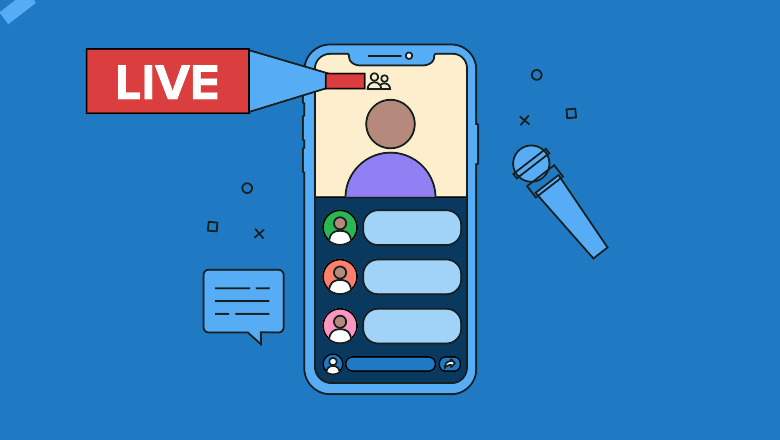
LinkedIn Live: qué es y cómo empezar
¿Es hora de que tú o tu marca se publiquen en LinkedIn? El 37% de los consumidores dice que el video en vivo es la forma más atractiva de contenido social en el feed.
Y es por eso que la transmisión en vivo se está volviendo más común en el marketing B2B. Ingrese a LinkedIn Live, una plataforma de transmisión nativa para que los creadores transmitan en tiempo real.
Desde seminarios web hasta entrevistas y más, Live es una forma excelente de educar a su audiencia B2B. Lo entendemos, muchos vendedores B2B son totalmente nuevos en el mundo de la transmisión y lo que implica.
Es exactamente por eso que elaboramos esta guía rápida para comenzar con LinkedIn Live.
Tabla de contenido Cómo transmitir en vivo en LinkedIn paso a paso
Comencemos con los pasos clave para configurar su primera transmisión de LinkedIn.
Afortunadamente, la plataforma hace que el proceso sea bastante rápido e indoloro. No necesita un montón de conocimientos técnicos o equipos para comenzar.
1. Asegúrate de cumplir con los criterios de acceso de LinkedIn Live
Si no está seguro de aplicar a LinkedIn Live, no se preocupe. No hay aplicaciones aquí.
LinkedIn Live está disponible para todos los creadores y páginas. Por supuesto, cumples con los criterios de transmisión de la plataforma, de todos modos. Simplemente debe marcar las siguientes casillas: Un mínimo de 150 seguidores/conexiones siguiendo para su cuenta o página
Estar ubicado en una región aprobada para LinkedIn Live (es decir, no en China continental)
Tener una cuenta que esté en regla con la plataforma (pista: sin prohibiciones ni infracciones) Tenga en cuenta que puede publicar en vivo como individuo (Creador) o como individuo en nombre de una página. Las personas no pueden transmitir a una página y las páginas no pueden transmitir a perfiles individuales.
Bastante simple, ¿verdad?
2. Use el equipo de transmisión en vivo adecuado
Si puede organizar con éxito una reunión de Zoom, es probable que tenga las herramientas para publicar en LinkedIn.
Una cámara web dedicada, un micrófono y una conexión a Internet confiable son estándares para la transmisión. Dependiendo de su hardware, las cámaras y los micrófonos integrados a veces son deficientes.
Las presentaciones de LinkedIn Live no tienen que ser impecables y pulidas. Dicho esto, trate de mantener un sentido de profesionalismo. Recomendamos probar la calidad de su transmisión antes de probar LinkedIn Live. Puede usar una herramienta gratuita de código abierto como OBS para obtener una vista previa de su configuración de transmisión en acción. 3. Elija su servicio de transmisión en vivo de LinkedIn
Importante: no puede transmitir a través de eventos de LinkedIn Live directamente.
Esto es diferente de Instagram o TikTok, donde la transmisión en vivo ocurre en la aplicación.
Sin embargo, no se asuste. LinkedIn hace un gran esfuerzo para facilitar que los creadores se pongan en marcha. Tienes dos opciones: Utilice uno de los socios de transmisión preferidos de LinkedIn para alojar su transmisión. Esto incluye Restream, Socialive, StreamYard, SwitcherStudio o Vimeo.
Use la herramienta de codificación de video de LinkedIn Live para alojar su transmisión desde una plataforma externa. Estas plataformas incluyen Zoom, WebEx u OBS. Decidir qué método es el «mejor» realmente depende de su pila tecnológica y de cómo hacerlo. Si ya se siente cómodo con una herramienta como Zoom u OBS, comience allí. La generación de una URL de transmisión y una clave para conectar su transmisión de LinkedIn se puede hacer en cuestión de segundos. 4. Cree un evento de LinkedIn para adjuntar su transmisión
Muchas emisoras eligen transmitir desde Eventos de LinkedIn en lugar de Páginas. Esto se debe a que Eventos simplifica la programación de transmisiones y la recopilación de inscritos.
Crear un evento en vivo de LinkedIn es un proceso sencillo. Se le pedirá que complete la información básica sobre su transmisión. Esto incluye la fecha de transmisión, las opciones de registro y quién presenta. Una vez que se crea su evento, se le proporcionará una URL personalizada para promocionar su presentación.
LinkedIn Live frente a eventos de LinkedIn
De un vistazo, Live y Events pueden parecer idénticos. Aunque no son lo mismo.
LinkedIn en realidad tiene un desglose de una página para aclarar la confusión. He aquí un resumen: Las transmisiones en vivo se pueden transmitir únicamente a los seguidores de la página o a los asistentes al evento privado.
Las secuencias de páginas son públicas y se escuchan más en los debates de la audiencia y en las preguntas y respuestas.
Los eventos solo pueden ser accedidos por los asistentes y son más “oficiales” En resumen, las páginas están más enfocadas en la comunidad. Los eventos en vivo son ideales para presentaciones formales más profundas. Lo que elija realmente depende de los tipos de transmisiones que aloje.
¿Qué tipos de presentaciones son mejores para LinkedIn Live?
LinkedIn Live sigue creciendo a medida que las marcas y los creadores experimentan con nuevos videos. En este momento, los creadores están priorizando: Seminarios web (presentaciones tradicionales, desgloses detallados de temas y tendencias)
Paneles y entrevistas
Sesiones de preguntas y respuestas entre comunidades Por ejemplo, las entrevistas son populares entre los creadores individuales en LinkedIn Live. Uno a uno brinda muchas oportunidades para discusiones y perspectivas únicas. Como beneficio adicional, ir y venir con alguien significa menos tiempo para el silencio. Los paneles y talleres también están apareciendo en LinkedIn Live en este momento. Las tendencias, las tácticas y los consejos de estrategia son siempre una apuesta segura para las presentaciones en vivo. Los seminarios web educativos también son una apuesta segura. Reducir los temas es un movimiento inteligente para atraer asistentes relevantes. Mejores prácticas y consejos de LinkedIn Live
Las estadísticas recientes de marketing de video ilustran la demanda de video en vivo para consumidores y marcas.
Dicho esto, las vistas en tu presentación de LinkedIn Live no están garantizadas de forma predeterminada. Esto es cierto incluso si tiene una audiencia establecida. A continuación se presentan algunas de las mejores prácticas a seguir.
Cree una agenda clara para su flujo
No hay sorpresas aquí, la transmisión en vivo no es un lugar para el estilo libre.
Haz un esfuerzo consciente para crear algún tipo de esqueleto o esquema para tu presentación.
Si es totalmente nuevo en el mundo de los videos, considere un repaso de práctica y cronometre usted mismo. Se sorprenderá de lo fácil que es acelerar una presentación. La regla general de «una diapositiva, un minuto» no siempre se cumple.
En ese sentido, asegúrese de que haya suficiente contenido en su presentación para mantener la atención de los espectadores. LinkedIn Live no es el lugar para transmisiones de formato corto. LinkedIn recomienda un mínimo de transmisión de 10 minutos para maximizar su audiencia. La mayoría de las presentaciones duran entre 30 minutos y una hora.
Además, considere que tener una agenda clara ayuda a promocionar su transmisión. Establecer qué temas cubrirá de antemano hace que sea más fácil resaltar el valor que brindará a los espectadores.
Haz que tu audiencia se involucre en la presentación
La belleza de la transmisión en vivo es que convierte a los espectadores pasivos en participantes activos.
La función de chat en LinkedIn Live es perfecta para involucrar a tu audiencia. Puede hacerles preguntas, responder comentarios o concluir su video con una sesión de preguntas y respuestas completa. Recuerde: el video en vivo es convincente debido a interacciones como estas.
Otra forma de involucrar a su audiencia es responder preguntas antes de filmar su video. Por ejemplo, podrías preguntarles a los seguidores de tu página si quieren que cubras algo.
Dale a tu presentación en vivo un título atractivo
Al igual que en YouTube, los títulos y las miniaturas son cruciales para ganar espectadores y asistentes.
Un título como «Las habilidades destacadas y necesarias para los especialistas en marketing digital» es un gran ejemplo. El título funciona porque es específico, lleno de valor e intrigante por diseño. Naturalmente, queremos saber cuáles son esas habilidades, ¿verdad? Bueno, tendremos que sintonizarnos para averiguarlo.
Algo para pensar: cuando se transmita en vivo, los asistentes (y algunos seguidores) recibirán automáticamente una notificación. Con un título convincente, es más probable que la gente lo sintonice. Promociona activamente tu presencia en LinkedIn Live
Organizar una transmisión en vivo puede ser un montón de trabajo. Cualquier cosa que pueda hacer para maximizar los espectadores es una ventaja.
Obtener el mayor beneficio posible de su presentación se reduce a cómo la promociona. Para empezar, intente que la mayor cantidad posible de personas (asistentes, empleados, colegas) griten su evento en vivo. En lugar de restringir su alcance a una sola página o cuenta, no dude en correr la voz. Además, las funciones de LinkedIn como temas y hashtags pueden hacer que tu presentación tenga más alcance. Publicar sobre su transmisión en vivo varias veces es un juego justo antes del gran día. Si tiene el presupuesto para ellos, también puede ejecutar clips en vivo como anuncios de LinkedIn. Hablando de eso, asegúrese de darles a los espectadores tiempo suficiente para planificar y registrarse. LinkedIn hace parte del trabajo preliminar por usted al ofrecer notificaciones y espacios de calendario para eventos en vivo. Si tiene una lista de correo electrónico, asegúrese de promover su presencia allí también. Una vez que finaliza su transmisión, LinkedIn le permite compartirla en su página o editar clips para promocionar en su feed. Esto destaca cómo LinkedIn Lives se puede reutilizar y tratar como contenido perenne.
Mire sus análisis de LinkedIn a lo largo del tiempo relacionados con sus videos en vivo a lo largo del tiempo. Luego, puede determinar si sus presentaciones resuenan con su público objetivo. Tenga en cuenta que los datos analíticos detallados están disponibles para transmisiones a los seguidores de la página.
¿Estás listo para publicar en LinkedIn?
Ya seas una marca B2B o un creador, vale la pena explorar LinkedIn Live si tu objetivo es educar a tu audiencia.
Usar contenido de video para consolidar su estatus como experto en la industria es una decisión inteligente. Esto es especialmente cierto ya que muchas marcas todavía solo están experimentando con transmisiones en vivo.
¿Busca nuevas formas de subir de nivel en LinkedIn? Consulte nuestra completa guía de marketing de LinkedIn si aún no lo ha hecho. Source link

LinkedIn ofrece nuevas opciones de segmentación para su informe de compromiso de la empresa
LinkedIn ha anunciado algunas actualizaciones nuevas en su informe de participación de la empresa que brindan datos más detallados sobre cómo su contenido de LinkedIn llega a los empleados de las empresas específicas con las que elige interactuar.
El Informe de participación de la empresa de LinkedIn, disponible en el elemento Audiencia coincidente de Campaign Manager, le muestra cuántas personas de cada empresa interactúan con su contenido. Esta puede ser información útil para orientar su alcance, aunque solo está disponible para las marcas que han usado anuncios de LinkedIn o han subido una lista coincidente.
Si ese es su negocio, ahora tiene algunas opciones nuevas para explorar los datos contenidos en el informe.
La segmentación de empresas permite a los especialistas en marketing filtrar el informe para crear segmentos de listas de empresas, que luego se pueden usar en campañas de divulgación. Como lo explica LinkedIn: “Una vez que haya filtrado por nivel de compromiso y cuentas priorizadas para su segmento, tiene la opción de crear un segmento dinámico o estático. Una dinámica El segmento se actualiza diariamente con empresas de su lista original bajo Compromiso. una estática segmento será una instantánea de la bajo empresas comprometidas en este punto y el segmento de empresas no cambiará”. En otras palabras, tiene más capacidad para categorizar específicamente cada segmento de su lista, lo que luego permite un alcance más matizado y publicidad basada en la participación relativa.
«Ejecute una campaña de marketing de embudo completo con segmentos dinámicos mediante la creación de niveles que se dirijan a diferentes segmentos de audiencia, centrándose en el conocimiento, la preparación y la conversión, y adaptando su contenido en cada etapa. Dirija el nivel de atención a su audiencia de compromiso muy bajo, el nivel de consideración al segmento de compromiso bajo a medio y el nivel de conversión al segmento de compromiso alto a muy alto”.
También puede descargar el Informe de compromiso de la empresa para hacer su propio análisis y obtener más formas de categorizar y aprovechar sus datos de compromiso de LinkedIn.
Las características adicionales hacen que esta sea una consideración más valiosa. Y si bien esto no será un factor clave para todas las marcas, para aquellos que usan las herramientas de análisis más profundas de la plataforma, podría ser una excelente manera de obtener información más específica sobre cómo interactúan, o no, las personas de sus marcas objetivo. con tus actualizaciones.
Una mayor segmentación conduce a una mejor orientación, y más herramientas para facilitar esto solo pueden ayudar. Puede leer más sobre las actualizaciones del Informe de participación de la empresa de LinkedIn aquí.
Los servicios de redes sociales intentan presionar a los usuarios a través de «funciones premium».
Las plataformas de redes sociales han comenzado a ofrecer suscripciones después de años de ser «gratuitas» para muchos. … [+]Los complementos incluyen cuentas verificadas, acceso a mayor seguridad y más. gettyLos sitios de redes sociales ahora ofrecen suscripciones a sus servicios que incluyen cuentas verificadas y más seguridad. Esto viene después de muchos años de ser «libre». Los movimientos son esfuerzos recientes de las empresas de redes sociales, incluidas Facebook y Twitter, para monetizar sus bases de usuarios masivas.Twitter lanzó una suscripción paga para sus usuarios en junio de 2021. Sin embargo, Elon Musk, quien se hizo cargo de la empresa, amplió el servicio al ofrecer funciones adicionales, como las marcas de verificación azules y las respuestas prioritarias. La matriz de Facebook, Meta, también hizo lo mismo con Meta Verified, que se lanzó a usuarios piloto en Australia, Nueva Zelanda y Nueva Zelanda el mes pasado.Fuentes de ingresosLos sitios de redes sociales ahora están bajo más presión para crear nuevas fuentes de ingresos. Si bien el modelo de suscripción paga es una buena inversión para aquellos que son usuarios avanzados, no hay forma de saber si todos terminarán pagando el mismo precio que antes.Courtney Pade es Profesora Clínica Asistente de Comunicaciones y Directora Asociada del Programa de Maestría en Gestión de la Comunicación de la USC. Explicó que «la mayoría de los usuarios no estarán interesados en comprar una suscripción a las redes sociales».Paded indicó que los «usuarios muy frecuentes» de un sitio podrían estar dispuestos a registrarse si la suscripción mejora significativamente su experiencia de usuario. Los usuarios ligeros apenas usan las redes sociales y ya pueden acceder a ellas de forma gratuita. También dedican poco tiempo a crear o explorar contenido, por lo que incluso las nuevas funciones divertidas no son lo suficientemente atractivas como para atraerlos a más gastos mensuales.¿Por qué no ahora? ¿Por qué esperar?En muchos sentidos, es casi sorprendente que algunas de las plataformas de redes sociales no hayan creado estos juegos antes, especialmente porque ya hay un número limitado de formas de generar ingresos.Charles King de Pund-IT, analista de la industria tecnológica, dijo: «Las características premium como las opciones de verificación de cuentas, promocionadas en Twitter y Facebook, buscan crear flujos de ingresos que sean distintos de su negocio de publicidad tradicional».Eso podría empeorar la situación de Twitter dada su base corporativa más pequeña y la cantidad de empresas que abandonaron el sitio desde que Musk tomó el control. Facebook podría correr menos riesgo, pero la popularidad de las aplicaciones anti-seguimiento podría afectar significativamente la calidad de la penetración de los anuncios.Pade explicó que existe una presión cada vez mayor sobre los reguladores y los consumidores para que la recopilación de datos personales sea más transparente y fácil para ellos. Apple cambió recientemente su política de privacidad para reflejar esta tendencia al introducir la transparencia de seguimiento de aplicaciones.Los cambios recientes de Apple también están afectando la orientación de la publicidad en las redes sociales y la capacidad de identificar a los principales usuarios de las redes sociales que tienen más probabilidades de estar interesados en ver las campañas publicitarias de una empresa.Pade señaló que «el cambio en la recopilación de datos ha provocado que los anunciantes estén menos interesados en gastar dinero en plataformas de redes sociales como Facebook y Twitter», dijo Pade.Es posible que los anuncios no proporcionen el mismo valor.King dijo que habría graves consecuencias si los anunciantes descubrieran que los servicios que estaban pagando no les estaban brindando los beneficios que querían. “Dejando de lado esos problemas, vale la pena considerar si nos estamos acercando al punto de inflexión en el que los consumidores estarán dispuestos a pagar por plataformas y servicios que se proporcionaron de forma gratuita.Por ahora, es difícil decir si los usuarios adoptarán el modelo comercial, pero los televidentes ya están pagando solo por uno o dos programas favoritos en varios servicios de transmisión, por lo que tal vez podría estar ocurriendo una tendencia similar en las redes sociales.King explicó que es «más probable» que veamos una división de servicios entre aquellos que renuncian al acceso a comportamientos en línea a cambio de un acceso gratuito y aquellos que tienen los medios financieros para pagar para proteger su privacidad.(function(d, s, id) { var js, fjs = d.getElementsByTagName(s)[0]; if (d.getElementById(id)) return; js = d.createElement(s); js.id = id; js.src = «//connect.facebook.net/en_US/sdk.js#xfbml=1&version=v2.5»; fjs.parentNode.insertBefore(js, fjs); }(document, ‘script’, ‘facebook-jssdk’));

Co-creación: agregar creadores a su equipo de productos
Todos, desde los especialistas en marketing hasta los usuarios de las redes sociales, aman a los creadores. Según una encuesta de pulso de Sprout del primer trimestre de 2023, más de dos tercios (79 %) de los especialistas en marketing planean gastar hasta el 50 % de su presupuesto social total en creadores de contenido. Otro 39% de los especialistas en marketing trabajan con creadores mensualmente. Los creadores de contenido digital están remodelando la estrategia de marca para mejorarla.
Pero a medida que la influencia de las redes sociales pasa de los departamentos de marketing a otras funciones comerciales, podría ser el momento de pensar en los creadores bajo la misma luz. Obviamente, los creadores nunca atenderán sus líneas de atención al cliente, pero su conocimiento profundo de sus comunidades (también conocido como sus clientes potenciales) puede ser útil. Los creadores ya tienen sus manos en las ventas con marketing de afiliación. Puede que sea el momento de pensar en integrarlos en otra función clave de su negocio: el desarrollo de productos.
Lo que las marcas pueden lograr con la co-creación
Los creadores tienen plataformas porque entienden a su audiencia. Saben lo que su audiencia quiere ver, qué problemas enfrentan y qué historias son relevantes para ellos. Ese conocimiento fundamental es la base del diseño y la investigación del producto.
Aprovechar esa fuente de conocimiento puede ser invaluable para las marcas. Después de todo, una sección de comentarios sin filtrar en un video de un creador le brindará una perspectiva mucho mejor de su consumidor que cualquier encuesta formal o grupo de enfoque. En un mundo en el que las empresas dependen cada vez más de los datos sociales, los creadores pueden proporcionar información cualitativa para complementar los resultados cuantitativos que obtienes de la escucha social.
Si no aprovecha los conocimientos de los creadores, es posible que ellos mismos lo hagan. El colaborador de marketing de hoy podría convertirse fácilmente en la competencia del mañana. Hemos visto a docenas de creadores aprovechar sus conocimientos de los consumidores y su base de clientes existente para crear marcas independientes exitosas.
Por ejemplo, la creadora Emma Chamberlain lanzó su propia compañía de café en 2020, obteniendo una ronda Serie A de $7 millones en el proceso. Asociarse con los creadores antes de que decidan hacerlo solos puede eliminar la competencia potencial antes de que surja.
Estudios de caso en co-creación exitosa
La idea de llevar a los creadores a la mesa de desarrollo de productos es nueva, pero no se ha probado. Hemos visto colaboraciones exitosas en todas las industrias que aportan valor tanto a la empresa como al creador.
El Colectivo Shutterfly
Shutterfly, un minorista en línea especializado en productos personalizados, lanzó The Shutterfly Collective, una colección limitada diseñada por personas influyentes en julio de 2022. Juntaron a creadores populares como Brittany Broski, Chris Olsen, Serena Kerrigan y Elsa Majimbo con diseñadores para crear más de 4000 nuevos diseños para sus clientes. Shutterfly aprovechó el sentido personal del estilo y el conocimiento del cliente de estos creadores para crear diseños cautivadores para sus productos personalizables. Tabitha Brown para Target
Tabitha Brown saltó a la fama como creadora en 2020 como el paquete perfecto de personalidad y estilo. Comenzó compartiendo recetas veganas en las redes sociales y rápidamente obtuvo seguidores gracias a su calidez y autenticidad. Reconociendo la variedad de Tabitha, Target buscó una asociación de creación conjunta sin precedentes que llegó a casi todos los pasillos de la tienda.
Tabitha Brown para Target presenta ropa, artículos para el hogar, suministros de oficina, alimentos, artículos para mascotas y utensilios de cocina. Cada pieza está inspirada en su personalidad extrovertida, compromiso con la salud y carisma en general. Es el resultado de una asociación de dos años y a los fanáticos les encanta. Tabasco x Tinx
Su cliente podría estar usando su producto de formas en las que usted no está pensando. Por ejemplo, Tabasco ha estado haciendo salsa picante desde 1869. En ese tiempo, han hecho diferentes variedades de su salsa, pero se han mantenido firmes en ese camino.
Ingrese a la creadora Christina Najarr, mejor conocida como Tinx en las redes sociales. Cuando publicó un video sobre «ahogar» su guacamole en tabasco verde como un aderezo casero para su tazón de chipotle, llamó la atención de la marca heredada. El resultado de su esfuerzo de creación conjunta fue un producto completamente nuevo para la empresa, un aderezo de salsa picante verde aguacate. Cómo incorporar a los creadores al proceso de desarrollo de su producto
Si se ha inspirado para incluir a los creadores en el proceso de desarrollo de su producto, aquí tiene algunos consejos para empezar.
Empezar con datos
Como dicen, no es lo que sabes, sino a quién conoces. Es probable que tengas una lista de creadores con los que hayas trabajado en el pasado. Examine los datos de esas colaboraciones y busque patrones. ¿Qué campañas tuvieron más éxito? ¿Qué creadores conocen la demografía a la que intentas llegar? ¿Qué tendencias estás viendo en todos los ámbitos con tus creadores? Toda esa información es increíblemente valiosa cuando se trata de averiguar qué creador es el más adecuado para el proceso de creación conjunta.
Forjar un nuevo tipo de grupo focal
Las comunidades de creadores son grupos focales vivos. Los propios creadores están impregnados de las opiniones de su audiencia, lo que puede ayudarlo a eliminar algunos de los aspectos que requieren mucho tiempo y costos del proceso de desarrollo de su producto. Si trae a los creadores correctos desde el principio, puede reducir la cantidad de iteraciones y obtener un producto viable mucho más rápido. Si un creador dice que algo funcionará, confíe en él. Obviamente, aún necesitará probar e idear, pero los creadores deben ser una fuente principal de información e inspiración.
haz que tenga sentido
No se embarque en la co-creación solo por intentarlo. Asegúrese de estar trabajando con alguien que tenga sentido para su negocio, audiencia y el resto de la hoja de ruta de su producto. Target tardó dos años en expandir la línea de Tabitha Brown a toda su tienda. Tómese su tiempo y asegúrese de que está creando productos que su público realmente quiere.
Y recuerda: más grande no siempre es mejor. Cuando estás co-creando, es mejor tener un socio creador con una comprensión profunda de su audiencia y un punto de vista sólido que un creador con un mayor número de seguidores. Los mejores beneficios de la cocreación provienen de creadores con un nicho claramente definido.
Estar en pie de igualdad
Eres un experto en tu producto. Pero eso no significa que estarás dirigiendo el programa. Los creadores tienen una ventana única a su audiencia, lo que los convierte en expertos en lo que quieren. Estarán poniendo su nombre y reputación en este producto de la misma manera que usted, así que acérquese a ellos como socios iguales en el proceso.
La co-creación es simplemente un buen negocio
Los creadores son uno de los recursos más valiosos a los que tiene acceso su empresa si puede colaborar con ellos de manera efectiva. Independientemente de cómo esté buscando aprovechar a los creadores, nuestro informe de datos de la economía de los creadores tiene la información que necesita para comenzar. Source link
Página no encontrada | brote social
Explora el Portal de Aprendizaje Descubra cursos para aprender las bases de nuestro producto, conviértase en un experto social y haga crecer tanto su negocio como su carrera en un solo lugar. Source link

Marketing para contadores: cómo obtener más participación B2B en las redes sociales
Marketing para contadores: cómo obtener más participación B2B en las redes socialesComo contador que ofrece sus servicios, puede ser difícil encontrar formas de llegar y conectarse con clientes comerciales potenciales, especialmente cuando compite con firmas más grandes con más dinero. La pequeña empresa de auditoría utiliza cada vez más las redes sociales.Pero espera. ¿Redes sociales para contadores? ¿Quién querrá participar con este tipo de contenido?De hecho, con el enfoque correcto, las redes sociales pueden ser una poderosa herramienta de marketing B2B y generación de oportunidades para los contadores.En este artículo, compartimos consejos sobre cómo mejorar su participación B2B en las redes sociales, desde elegir las plataformas adecuadas hasta crear contenido valioso y construir relaciones con su audiencia.Por qué las redes sociales B2B son importantes para los contadoresLas empresas de todas las formas y tamaños deben ser conocedoras de la tecnología y proactivas en su enfoque de marketing. Y los contadores no son diferentes. Las redes sociales ofrecen a los contadores una oportunidad única para establecer contactos con otras empresas y mostrar su experiencia.Aquí hay algunas razones por las que el compromiso de las redes sociales B2B es importante para los contadores:Genere credibilidad y confianza: al compartir contenido valioso e interactuar con su audiencia en las redes sociales, puede demostrar su experiencia y generar confianza con los clientes potenciales.Aumente la visibilidad y el alcance: las redes sociales le permiten llegar a un público más amplio y promocionar sus servicios de contabilidad a empresas que tal vez no conozcan su negocio.Generación de clientes potenciales y referencias: al establecer relaciones con otras empresas en las redes sociales, puede aumentar la probabilidad de generar clientes potenciales y referencias para sus servicios de contabilidad.Elegir las plataformas de redes sociales adecuadas para el compromiso B2BElegir las plataformas de redes sociales adecuadas es clave para llegar y conectarse con otras empresas. Tomarse el tiempo para comprender a su audiencia y crear contenido adaptado a ellos puede ser extremadamente efectivo.Si bien hay una plataforma que podría destacarse como la plataforma de marketing B2B obvia para contadores, existen otros lugares para promocionar sus servicios:LinkedIn: LinkedIn es la principal plataforma para la creación de redes B2B y relaciones profesionales. Al compartir contenido valioso y participar en grupos de la industria, puede establecer relaciones con otras empresas y mostrar sus servicios de contabilidad a clientes potenciales. También puede construir su audiencia con contenido regular e interactuar con otros también.Twitter: Twitter es una plataforma útil para promocionar sus servicios de contabilidad y llegar a clientes potenciales. Al usar hashtags y participar en chats de la industria, puede aumentar su visibilidad y conectarse con otras empresas. Los hilos se utilizan cada vez más para generar participación y atención en Twitter.Facebook: si bien Facebook es principalmente una plataforma B2C, aún puede ser útil para el marketing B2B. Al crear una página de Facebook para su firma de contabilidad y compartir contenido valioso, puede llegar a clientes potenciales y generar credibilidad.Reddit: la «página principal de la web» se ha convertido en una de las fuentes más grandes y confiables de contenido generado por los usuarios. Puede registrarse como usuario con su cuenta comercial, conectarse con personas de su industria haciendo preguntas sobre subreddits específicos y luego compartir contenido útil siempre que sea posible. Si aún no ha probado Reddit, es posible que se sorprenda.Quora: El sitio de preguntas y respuestas es uno de los mejores lugares para convertirse en una autoridad en un tema. Regístrese, únase a grupos y reciba notificaciones cuando surja una pregunta que pueda responder. Debe proporcionar respuestas bastante detalladas para obtener la atención que merecen, pero esta puede ser una gran herramienta para crear clientes B2B.TikTok: si bien esta es una plataforma muy «divertida», hay un lugar donde puede atraer a cierto tipo de cliente. Al público emprendedor de la Generación Z le encantará el contenido humorístico sobre impuestos y nóminas. Y cualquier consejo que les ayude a encontrar un contador barato siempre será apreciado.Creación de contenido valioso para la interacción B2B en las redes socialesCrear contenido de valor es clave para atraer y conectarse con otras empresas en las redes sociales. Simplemente compartir una actualización de texto aburrida sobre algo que sucede en su industria no es suficiente.Los gráficos llamativos serán muy importantes como parte de su estrategia de marketing B2B, pero también lo será el uso de The Hook.Esta es una línea o declaración de apertura atractiva que atrae y atrae al espectador.Entonces, ¿qué estás compartiendo cuando haces marketing para contadores en las redes sociales?Consejos sobre impuestos y planificación financiera: al compartir consejos y consejos sobre planificación fiscal y gestión financiera, puede demostrar su experiencia y agregar valor a su audiencia. Pueden ayudar a las personas a identificar oportunidades para reducir sus impuestos (legalmente, por supuesto) y ayudarlos a optimizar su planificación financiera.Estudios de casos e historias de éxito: ¿Tiene una buena historia de cliente? Esto siempre es una victoria para atraer nuevos clientes. Al compartir estudios de casos e historias de éxito de otras empresas a las que ha ayudado, puede mostrar sus servicios de contabilidad y generar credibilidad.Noticias e información de la industria: seamos honestos. Es poco probable que su público objetivo preste mucha atención a los cambios en la legislación financiera oa las oportunidades para las pequeñas empresas. Comparta actualizaciones y ayude a las personas a comprender a qué tienen derecho y generará un gran compromiso.En pocas palabras, cuando haga marketing para contadores, haga que el contenido sea fácil de entender (evite la jerga a toda costa), use imágenes claras siempre que sea posible y manténgalo simple.Construya relaciones e interactúe con su audienciaConstruir relaciones con otras empresas en las redes sociales requiere un compromiso e interacción constantes. Aunque publicar contenido es una cosa, como cualquier interacción comercial, todo depende de cómo gestiones las relaciones.Para construir relaciones e interactuar con su audiencia, debe:Responder a comentarios y mensajes: idealmente dentro de la hora posterior a la publicación del comentario.Haz preguntas y únete a conversaciones: esto puede ser en grupos o en las publicaciones de otras personas.Asista a eventos y conferencias de la industria: no se limite a su propio contenido, establezca contactos más allá de su industriaMedición del compromiso B2B en las redes socialesMedir la efectividad de su compromiso B2B en las redes sociales es fundamental para comprender qué funciona y qué no. Aquí hay algunas métricas para rastrear al medir su participación en las redes sociales:Alcance: la cantidad de personas que vieron tus publicaciones en las redes sociales.Compromiso: la cantidad de Me gusta, comentarios y acciones compartidas en sus publicaciones en las redes sociales.Tasa de clics: la cantidad de clics en los enlaces en sus publicaciones en las redes sociales.Tasa de conversión: la cantidad de clientes potenciales o ventas generadas a partir de sus publicaciones en las redes sociales.Al realizar un seguimiento de estas métricas, puede determinar qué plataformas y tipos de contenido son más efectivos para interactuar con otras empresas en las redes sociales.DiplomaLas redes sociales pueden ser una herramienta poderosa para el marketing B2B y la generación de clientes potenciales para contadores y clientes de servicios financieros. De hecho, como cualquier negocio, es una parte importante de cualquier estrategia de marketing.No importa qué plataforma o plataformas utilice, puede aumentar su compromiso B2B en las redes sociales y atraer clientes potenciales a sus servicios de contabilidad.¿La comida para llevar?Cree contenido valioso y concéntrese en la simplicidadUse imágenes, infografías, videos y explicaciones simples tanto como sea posibleInteractúe con los comentarios o publicaciones de otras personas para obtener la máxima visibilidadSea consistente con sus mensajes y publique regularmente(function(d, s, id) { var js, fjs = d.getElementsByTagName(s)[0]; if (d.getElementById(id)) return; js = d.createElement(s); js.id = id; js.src = «//connect.facebook.net/en_US/sdk.js#xfbml=1&version=v2.5»; fjs.parentNode.insertBefore(js, fjs); }(document, ‘script’, ‘facebook-jssdk’));